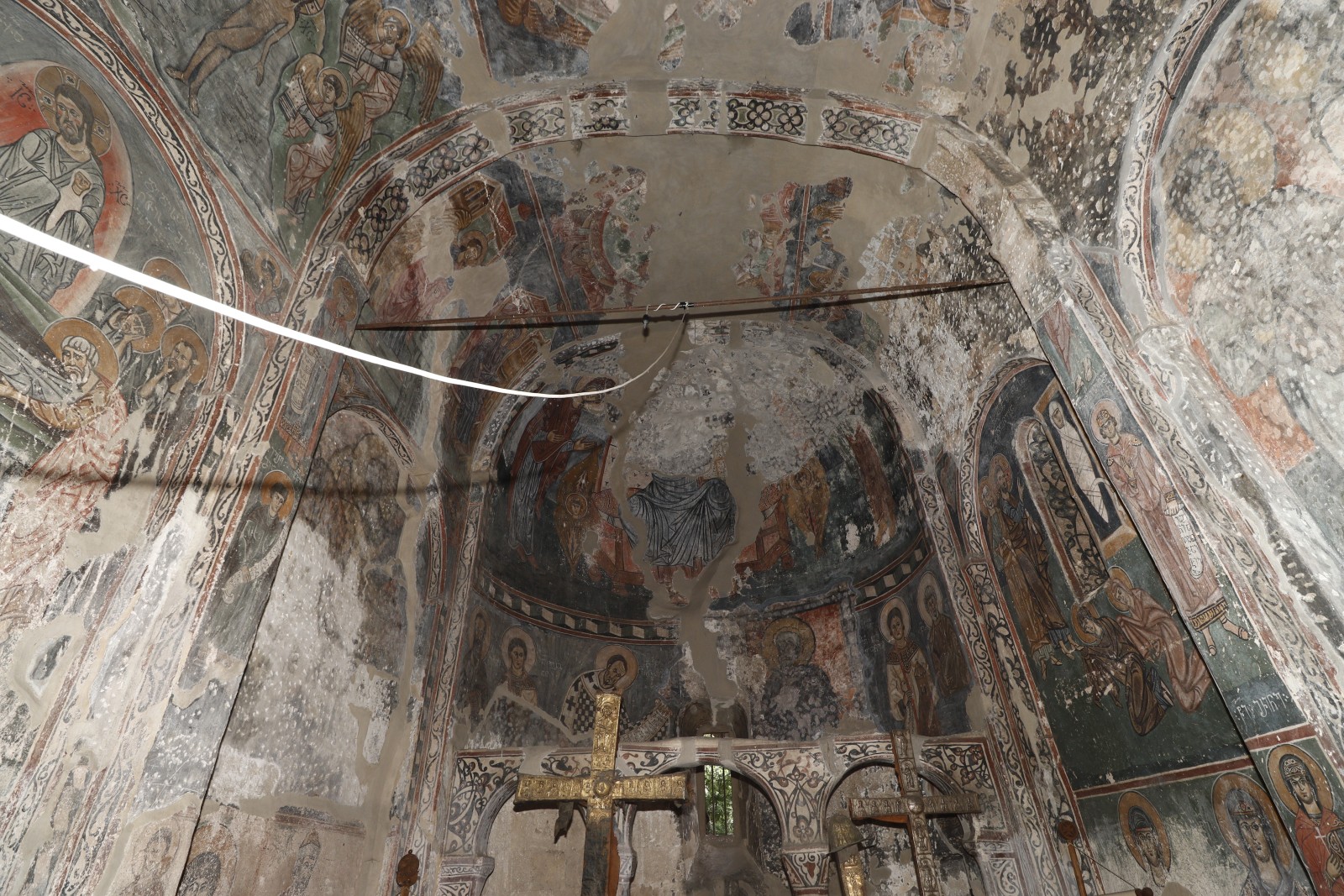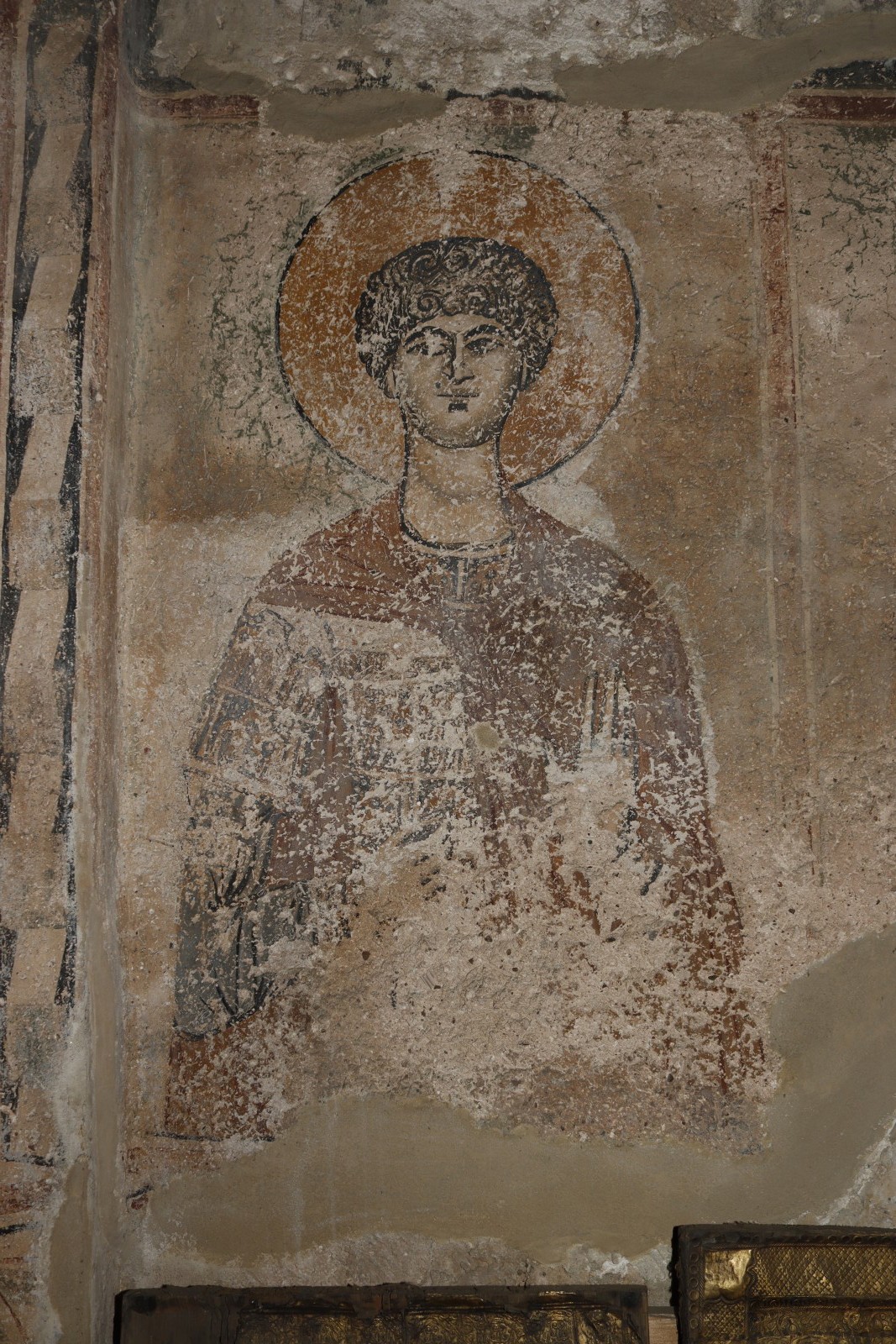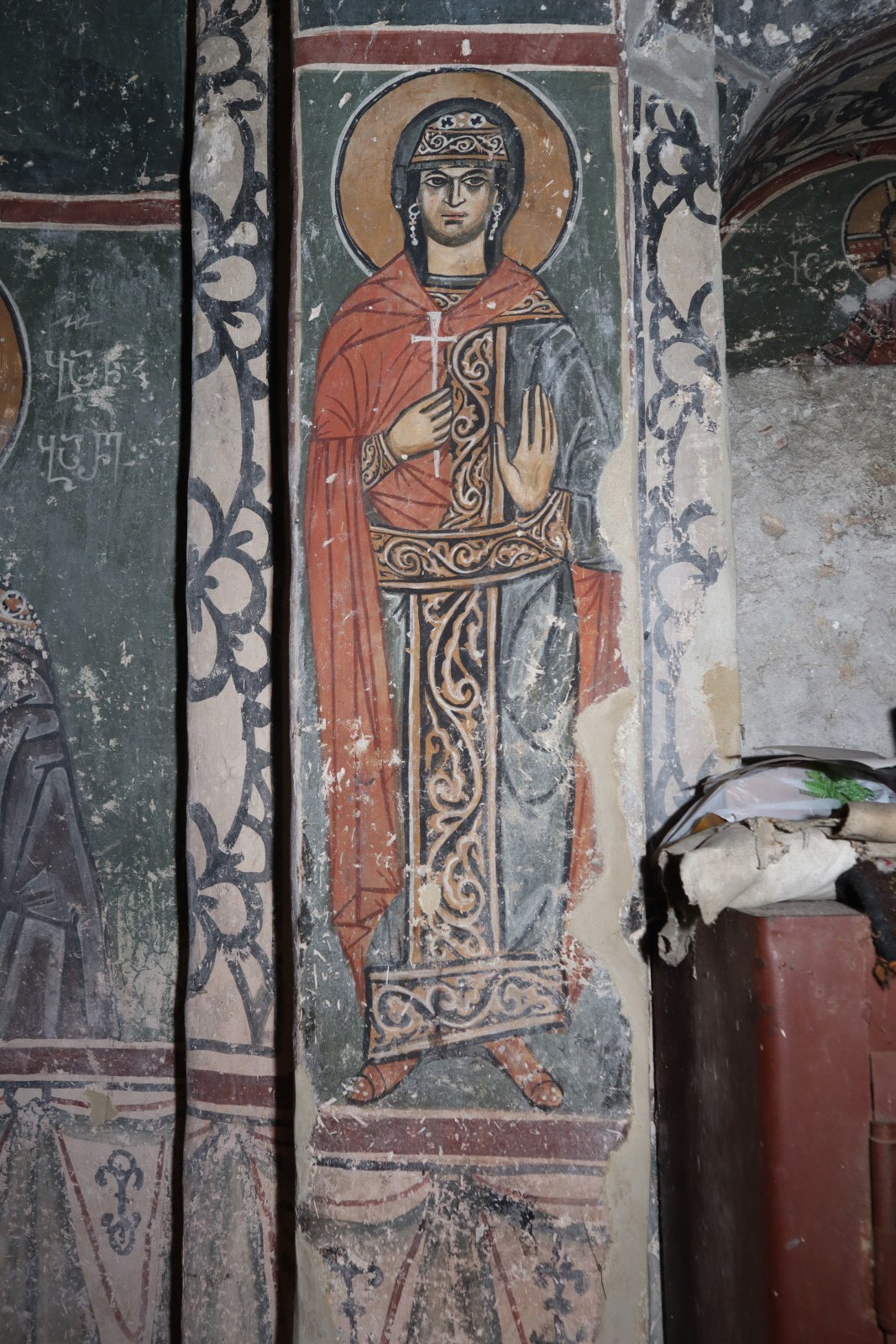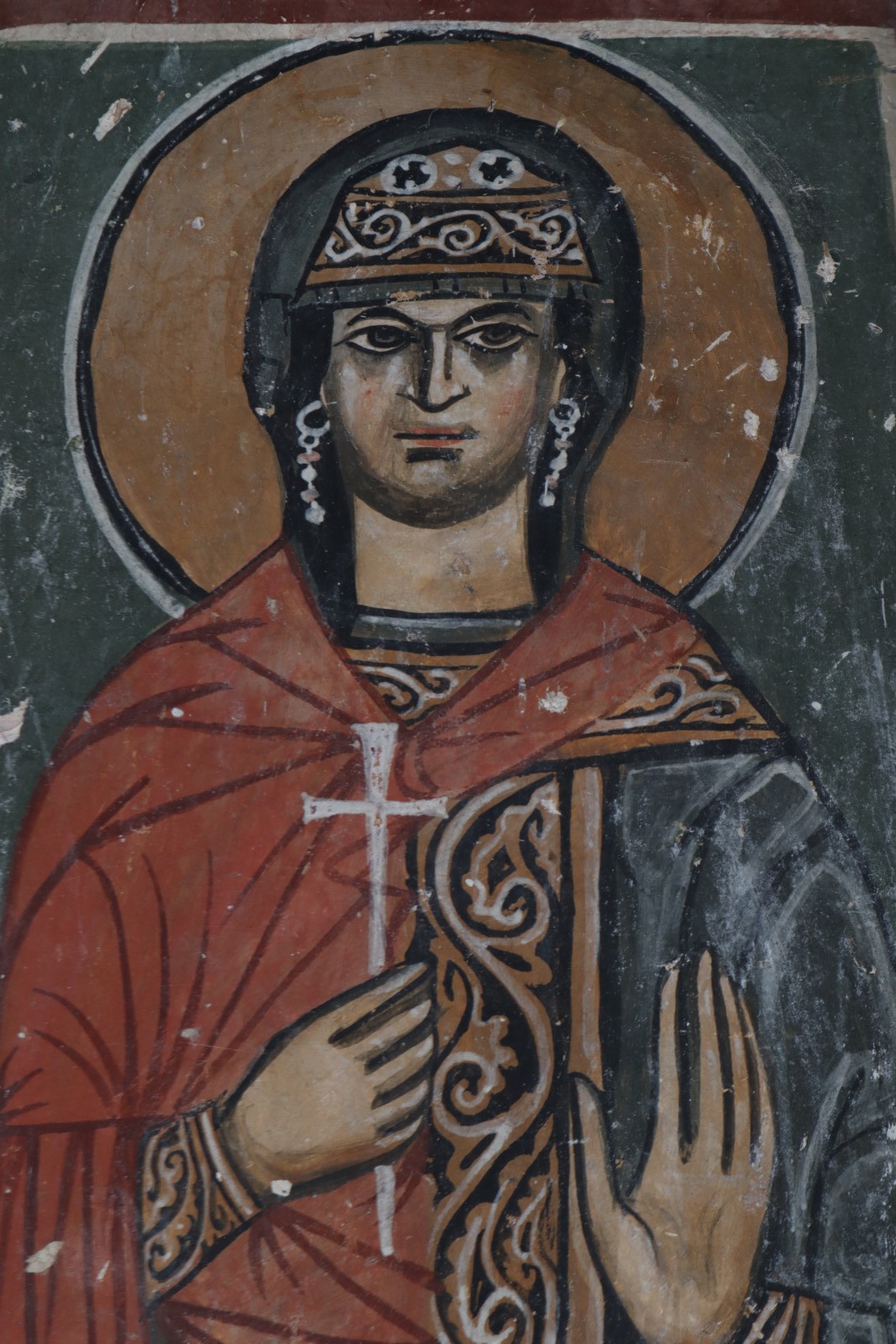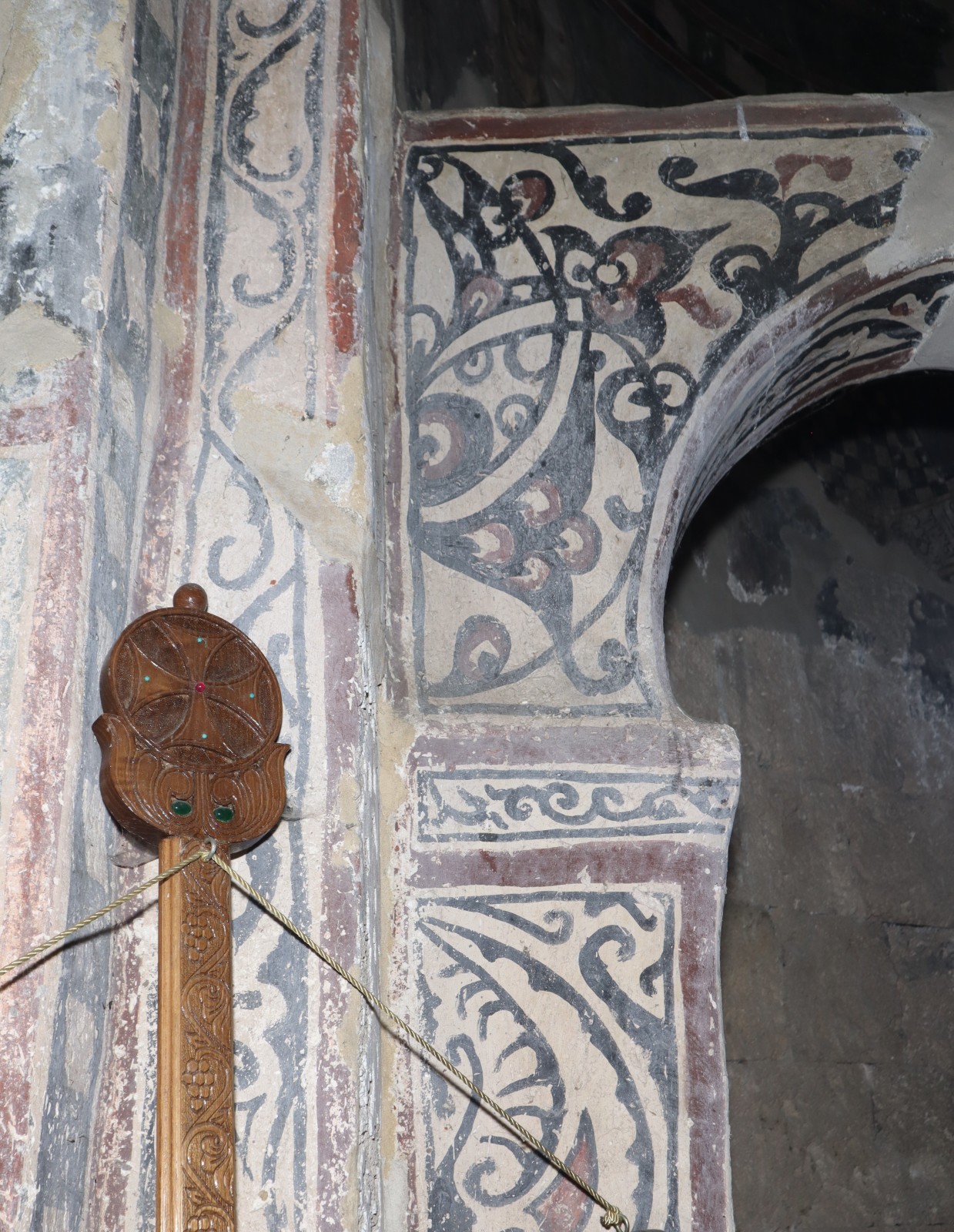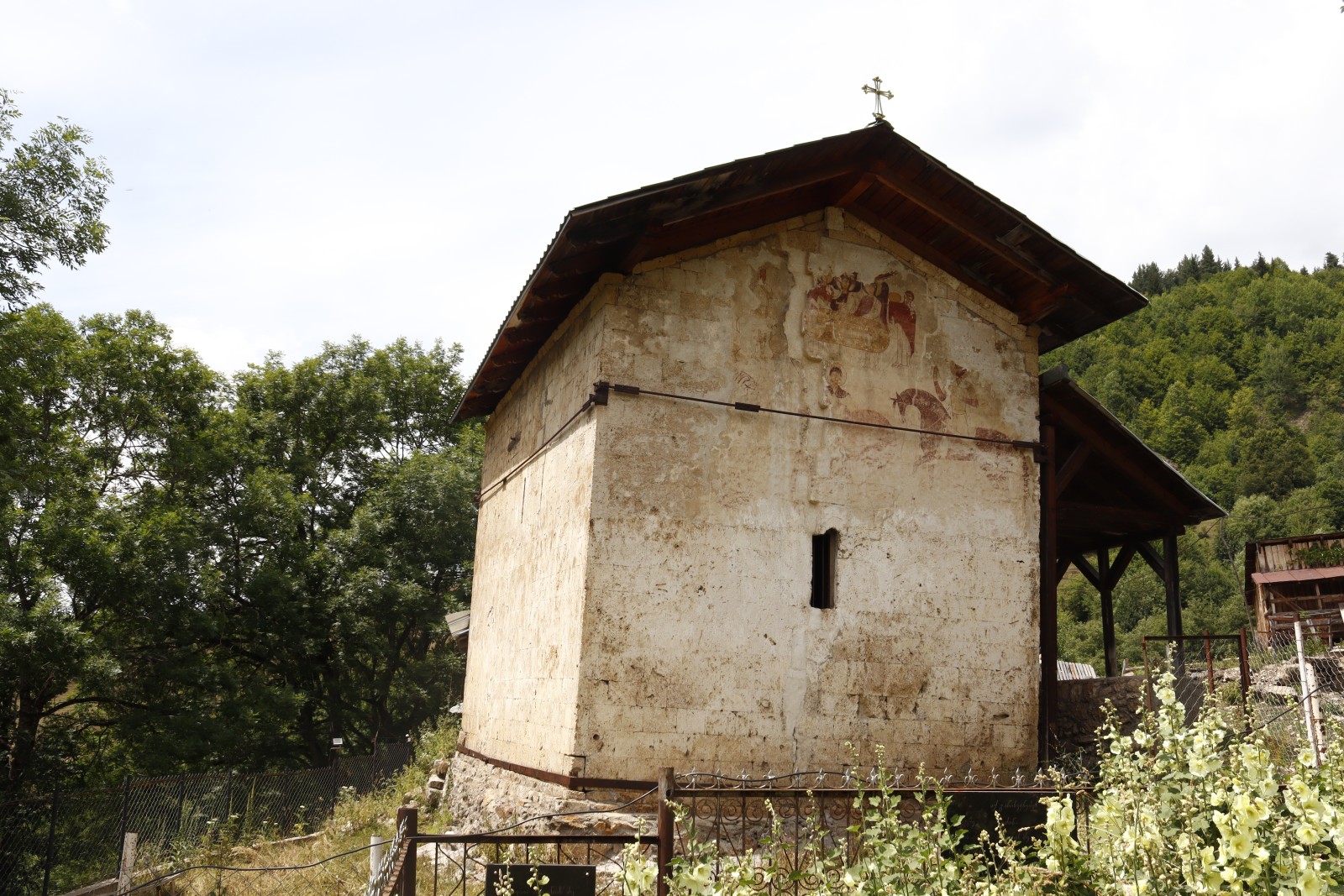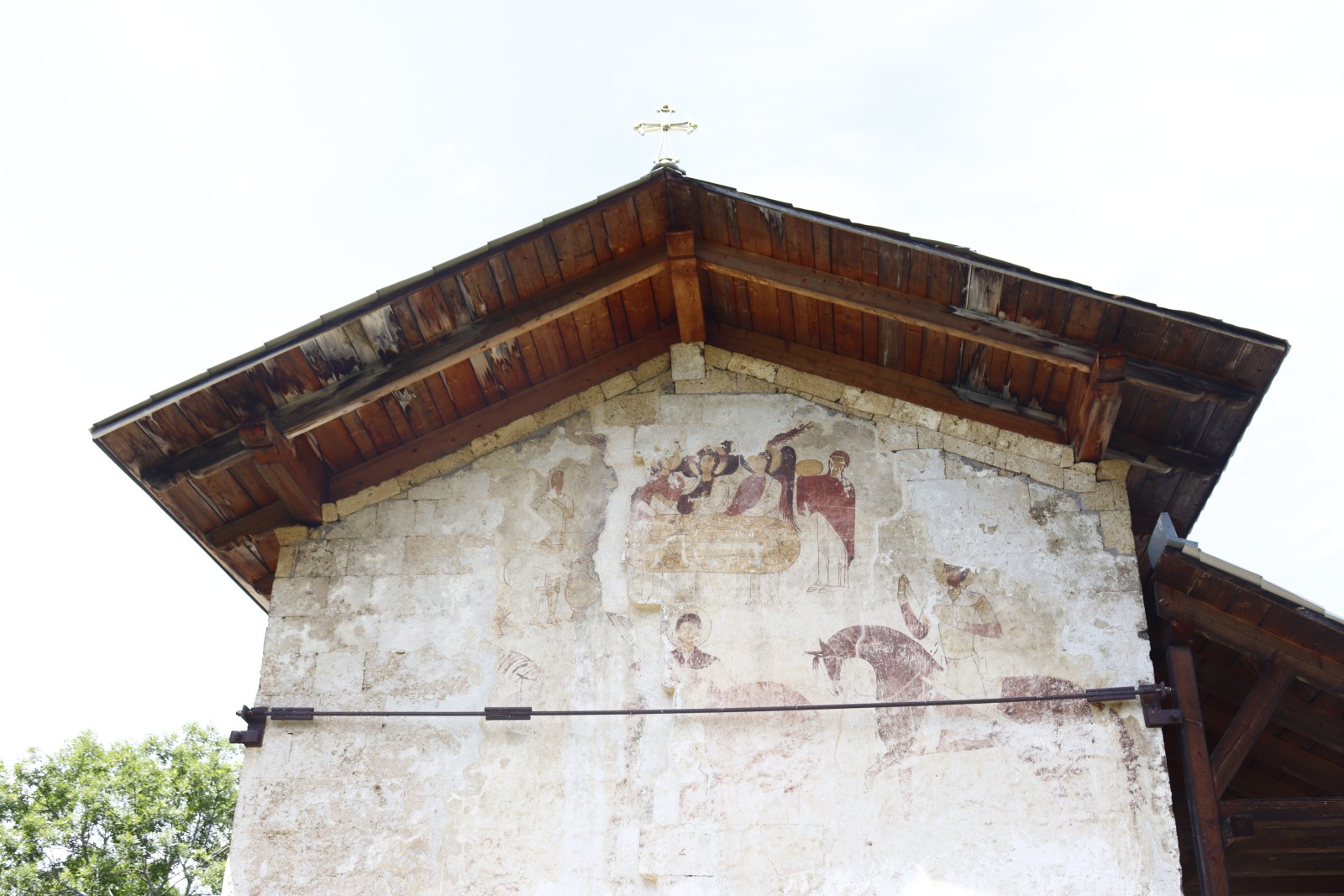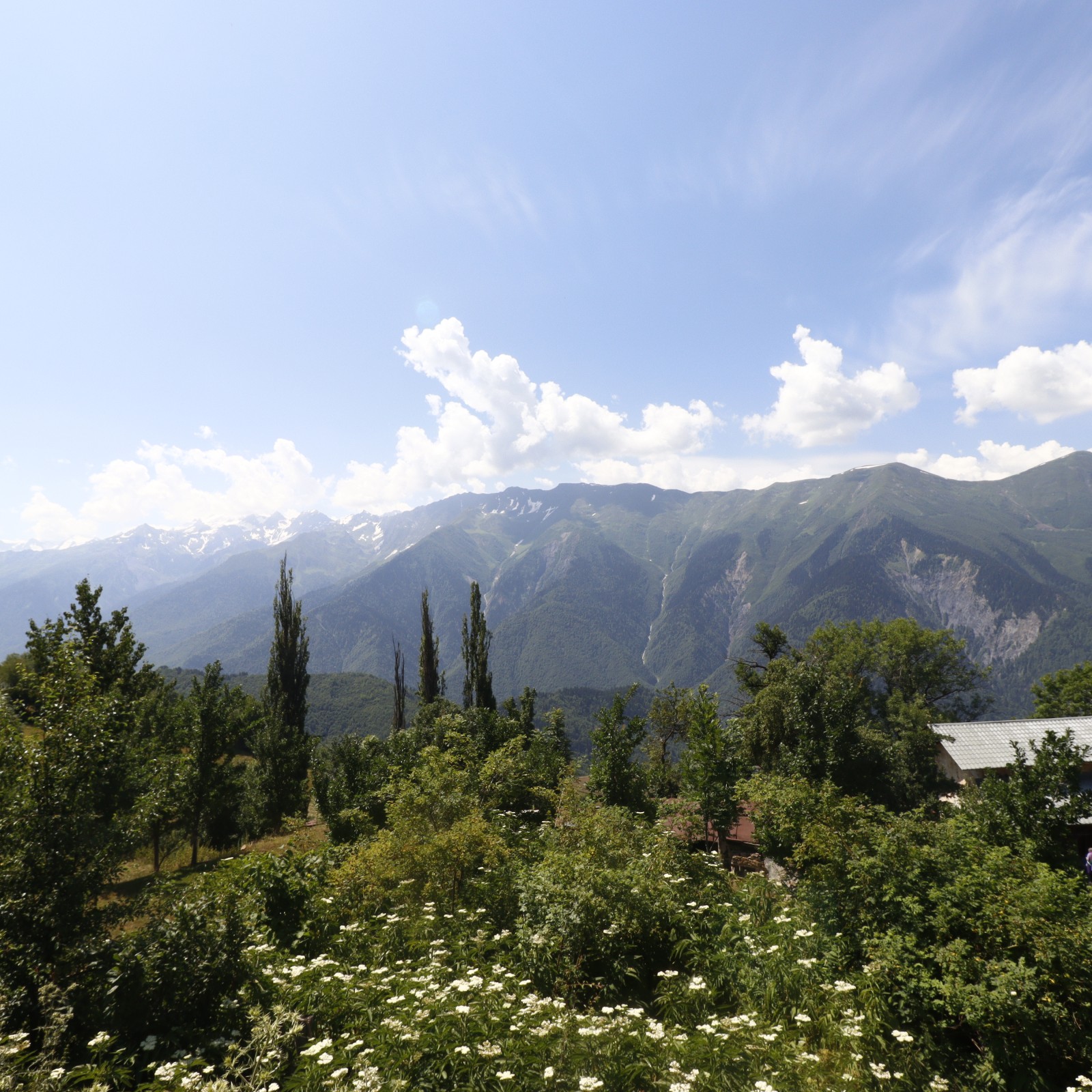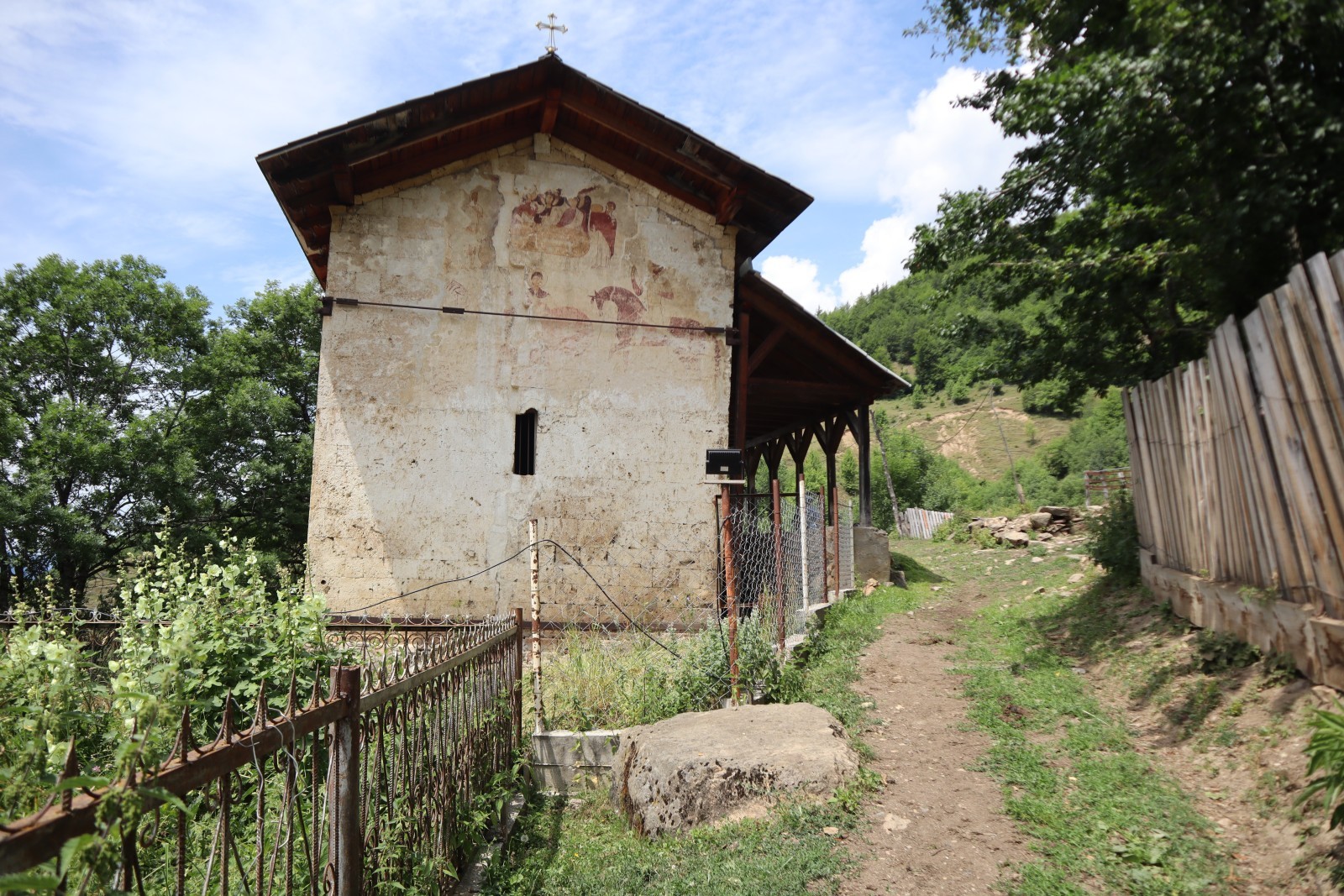
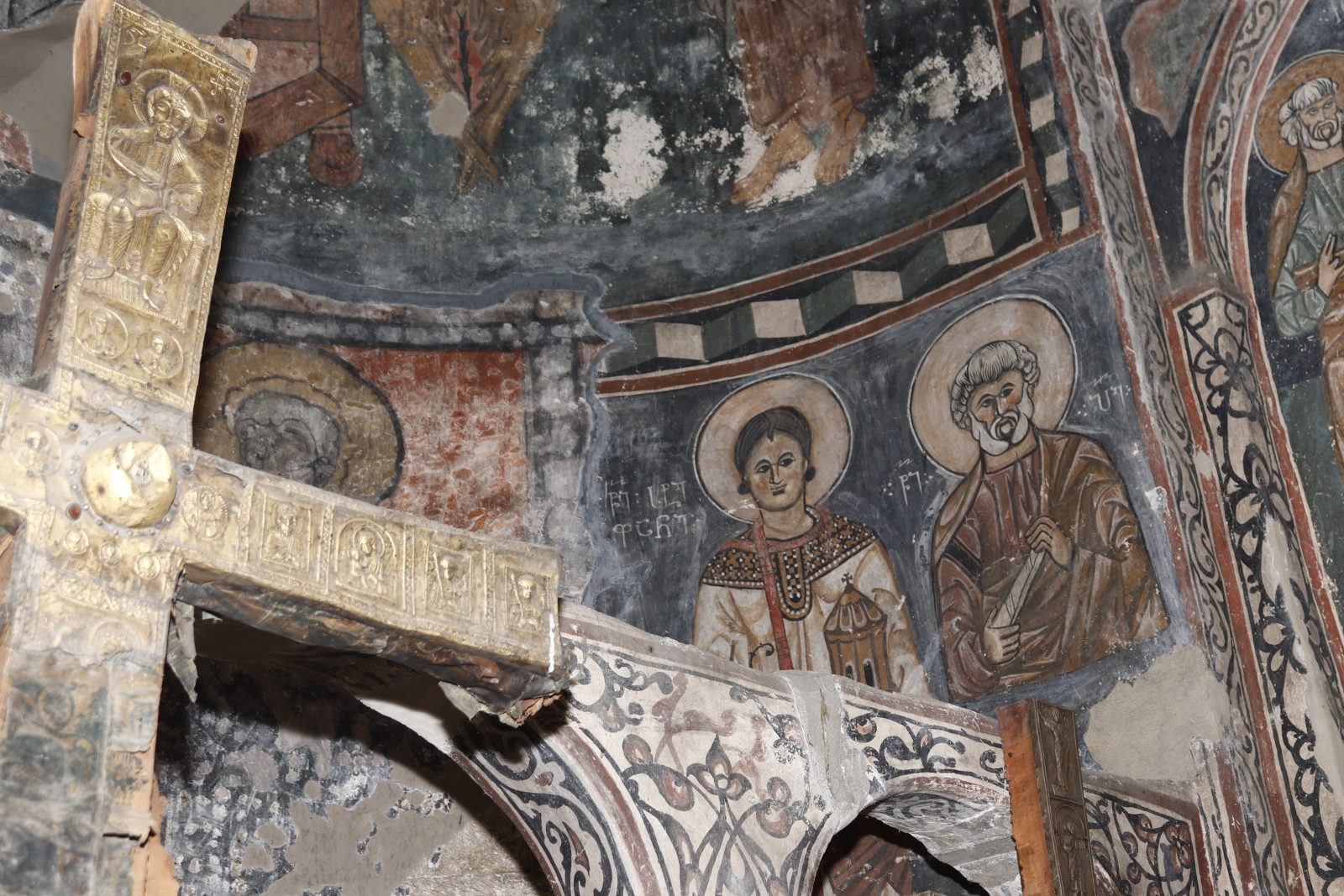
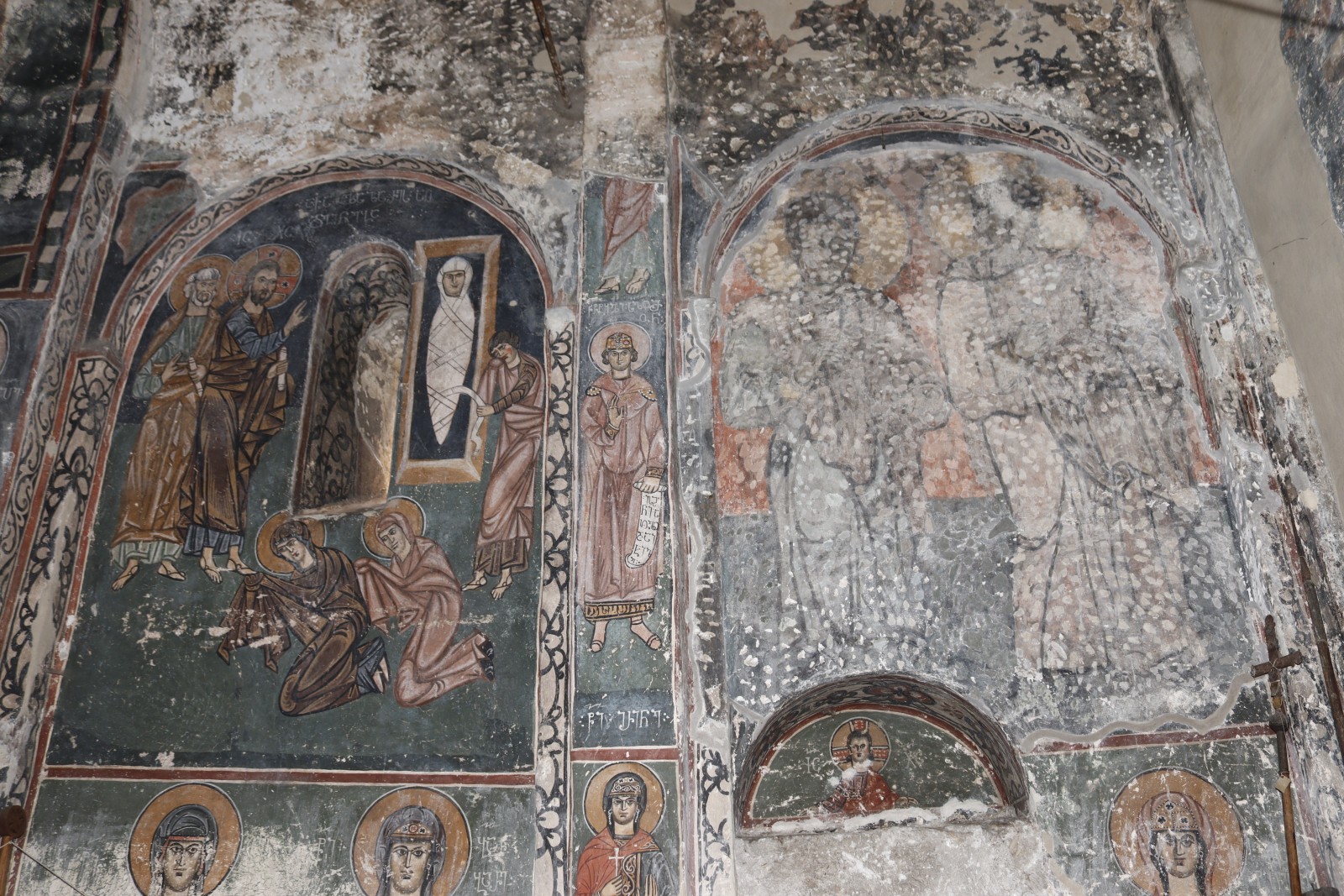
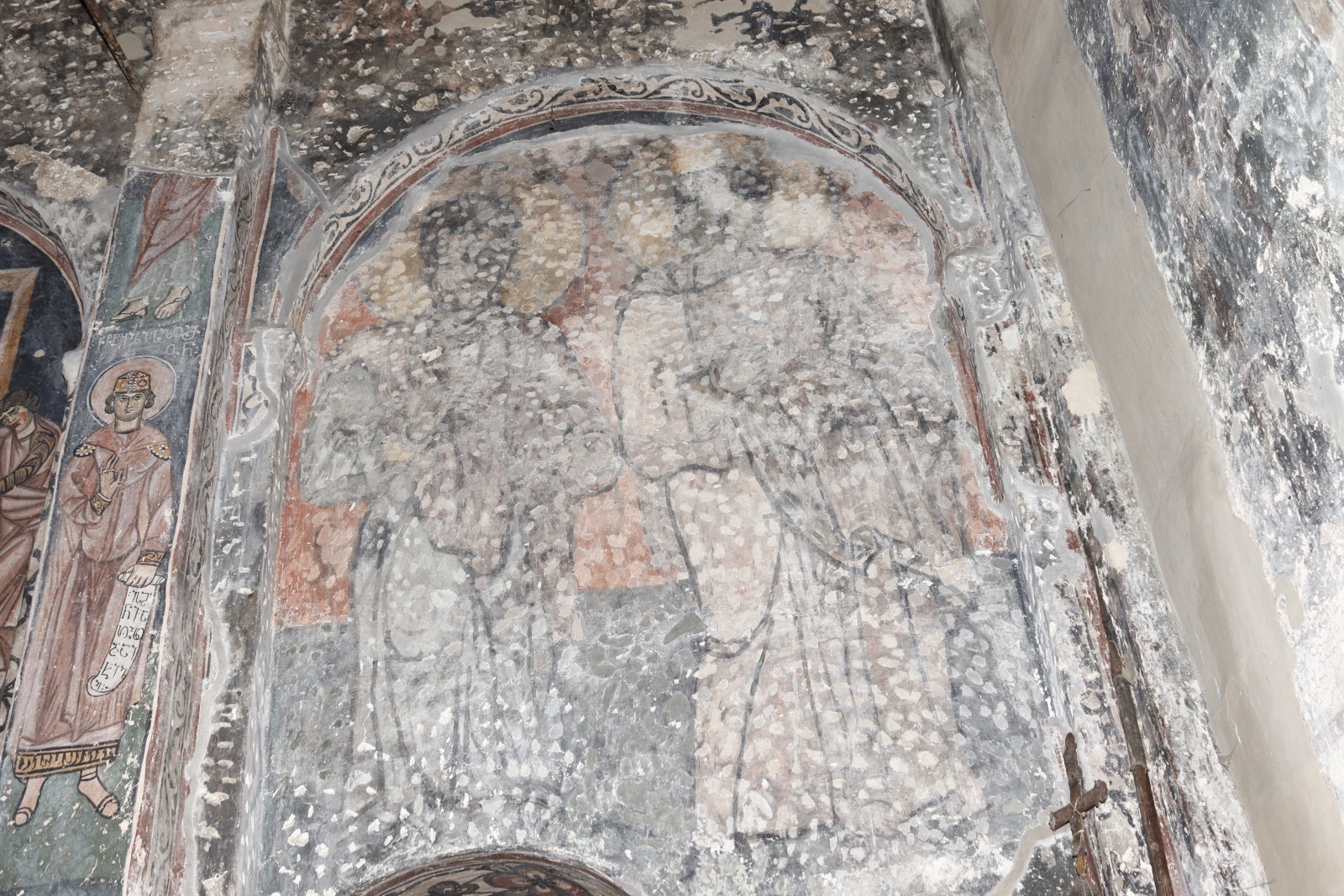
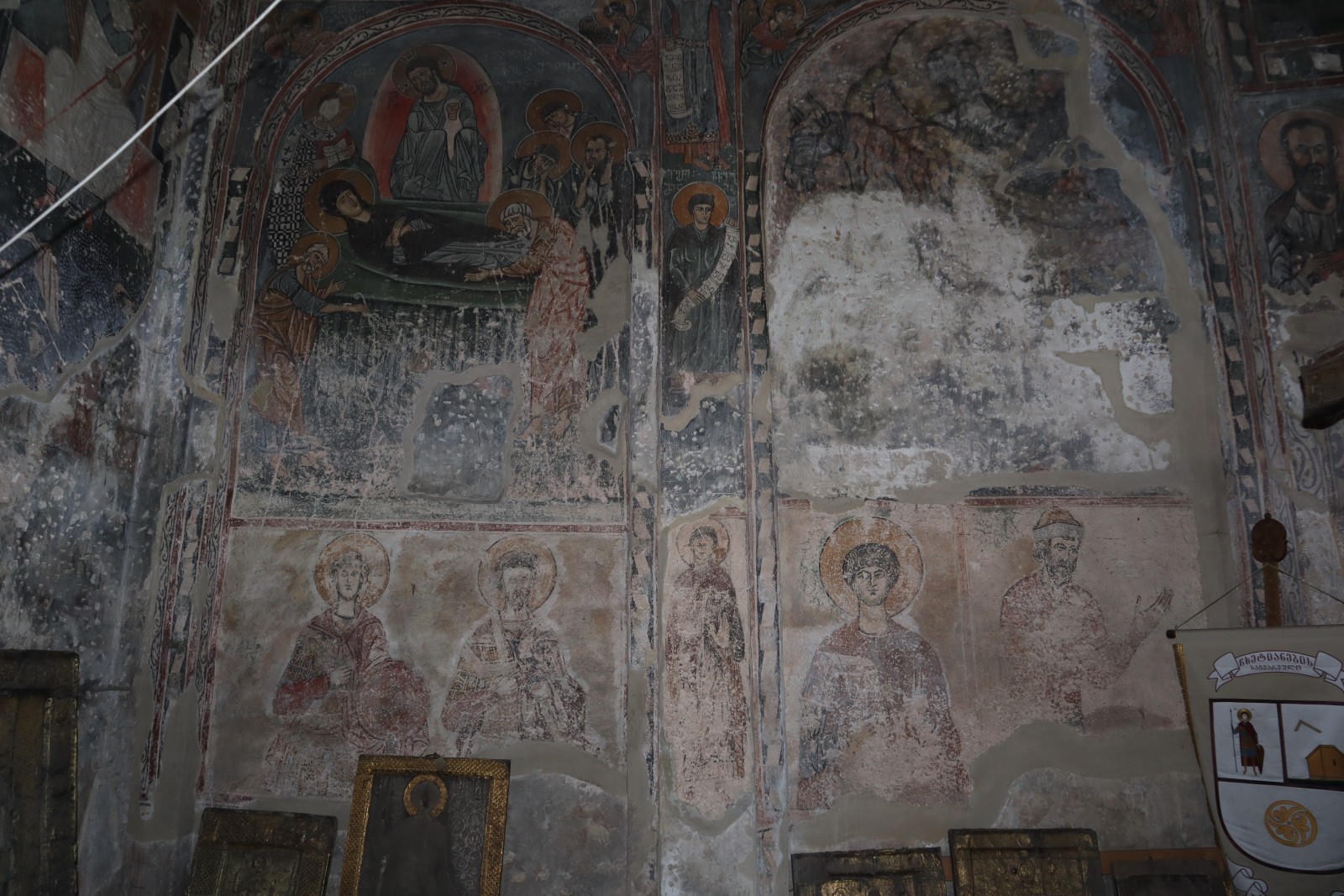
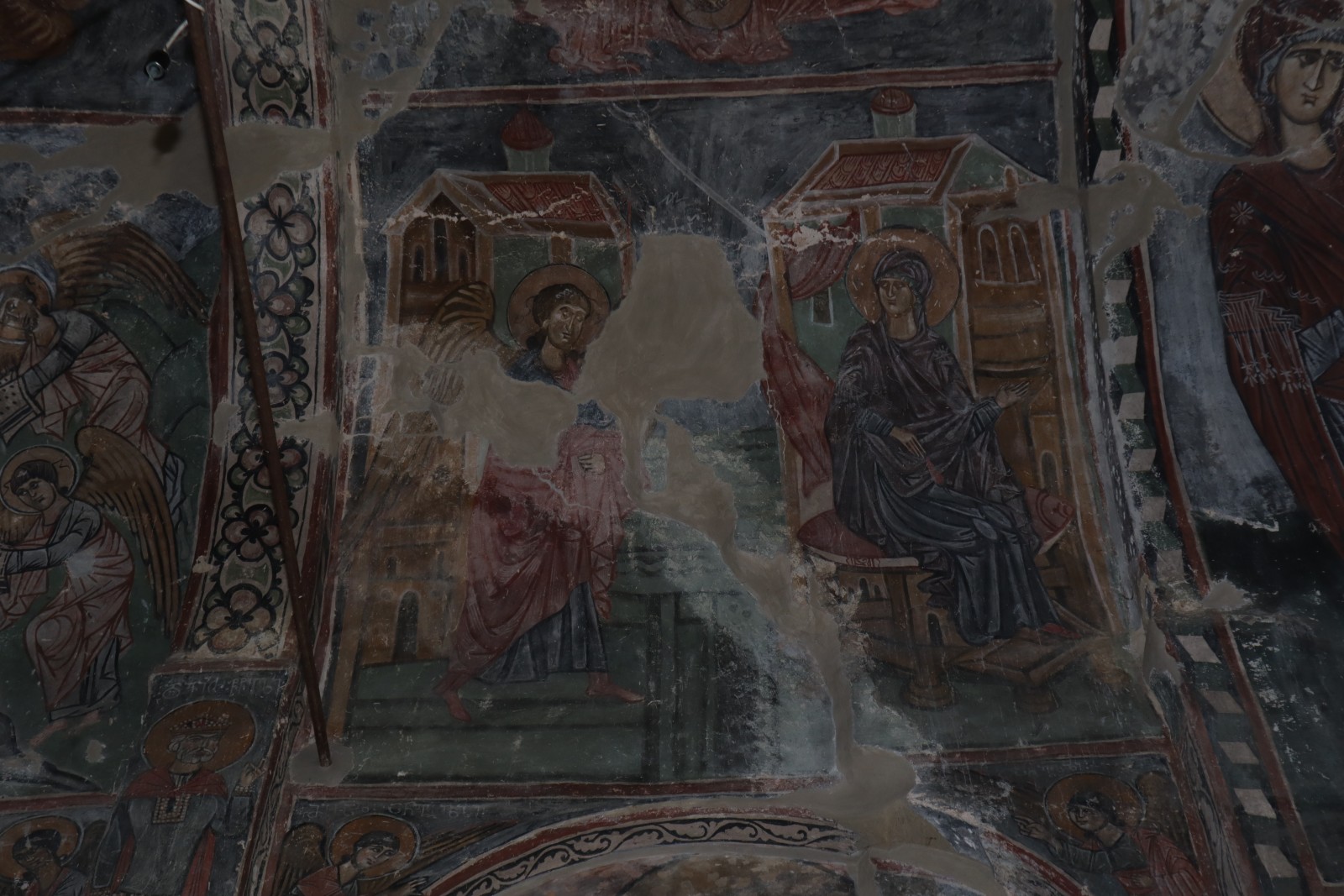
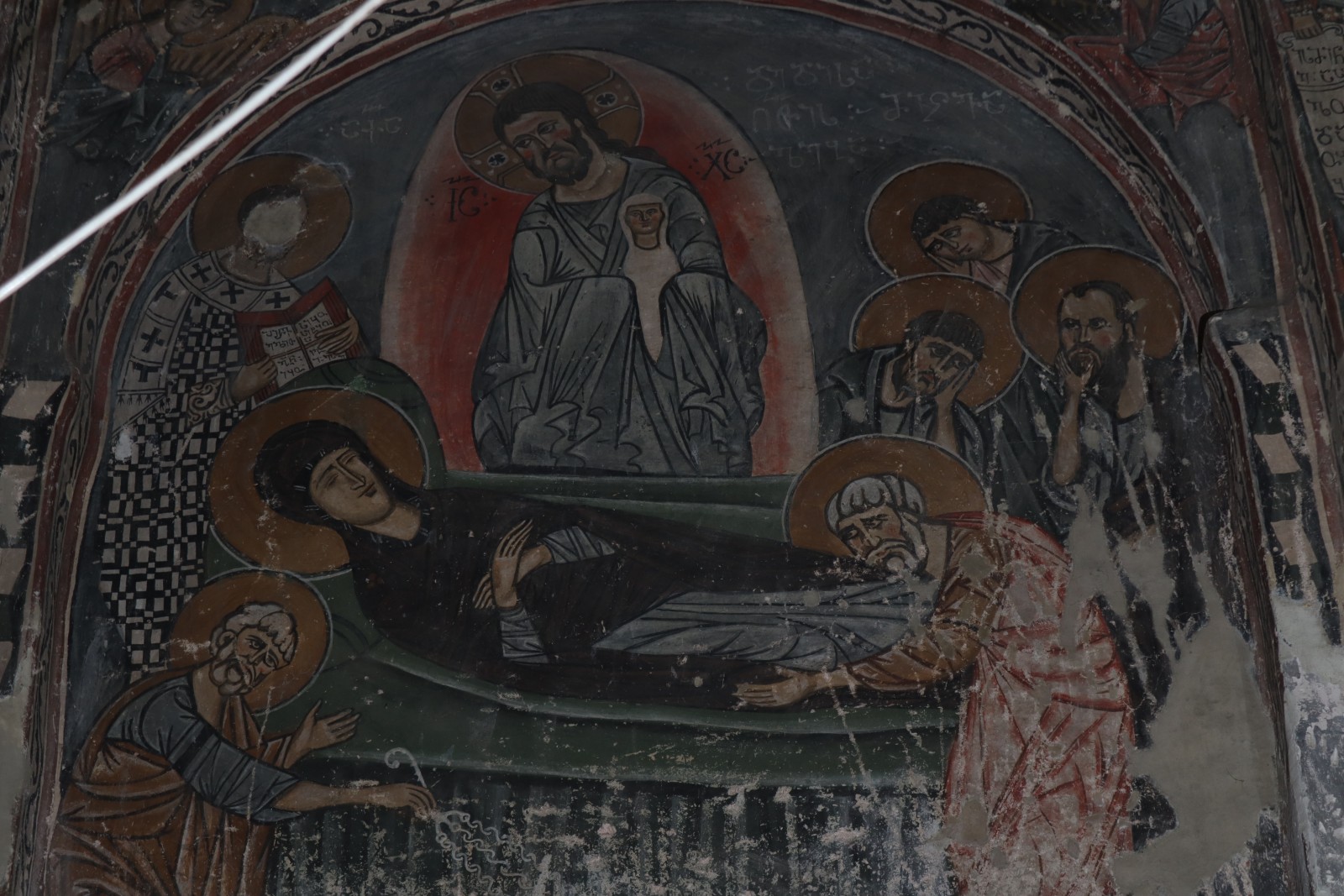

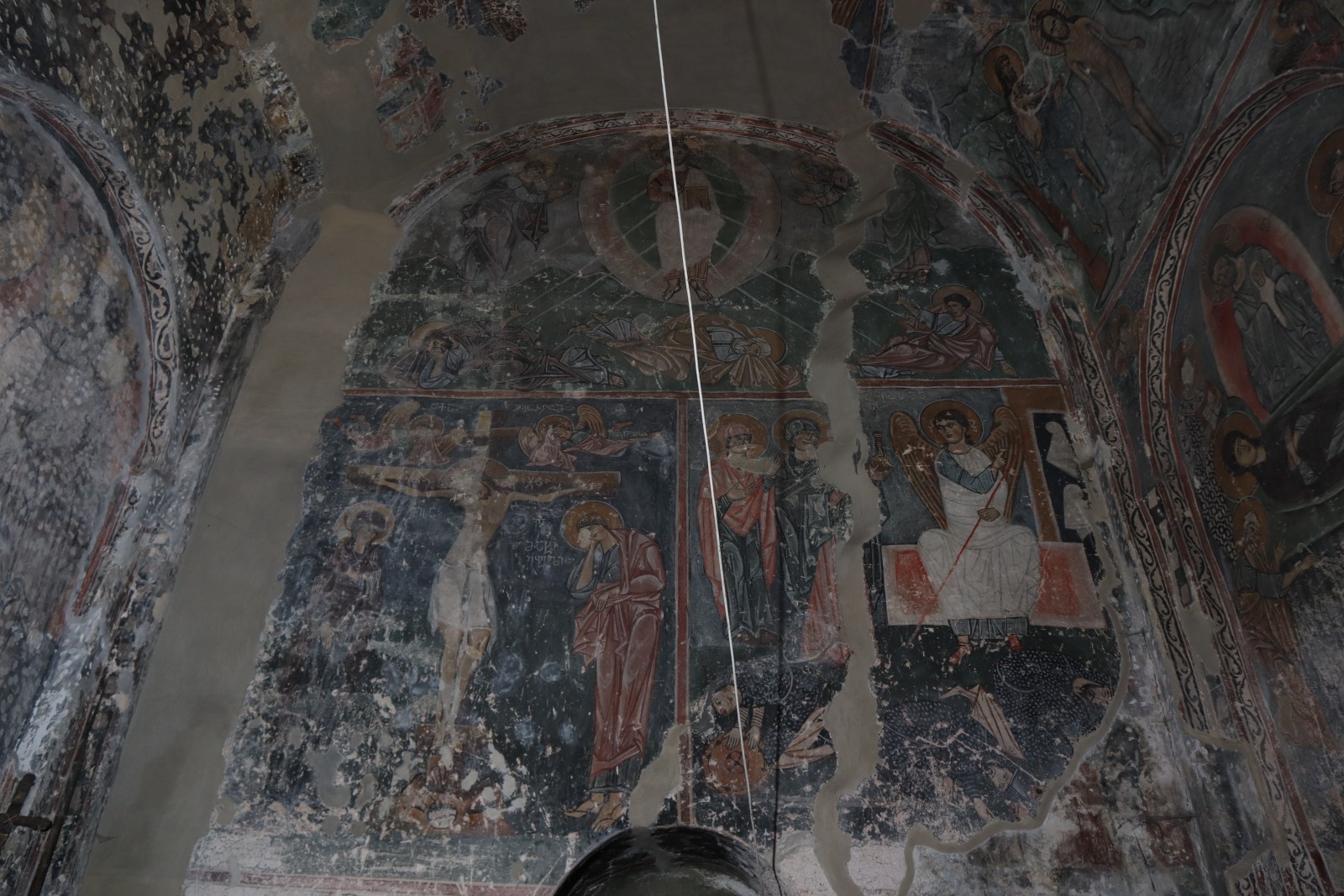
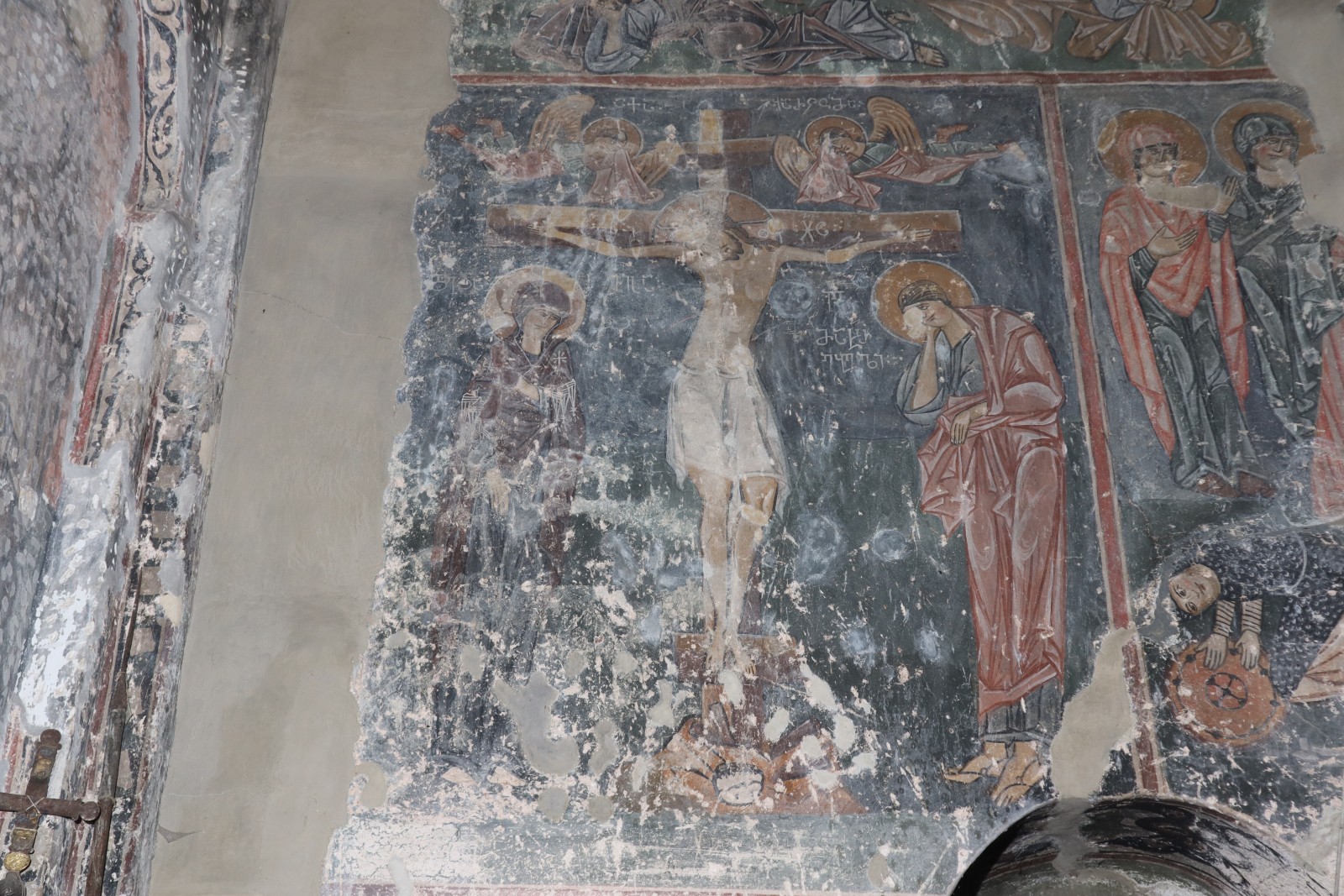
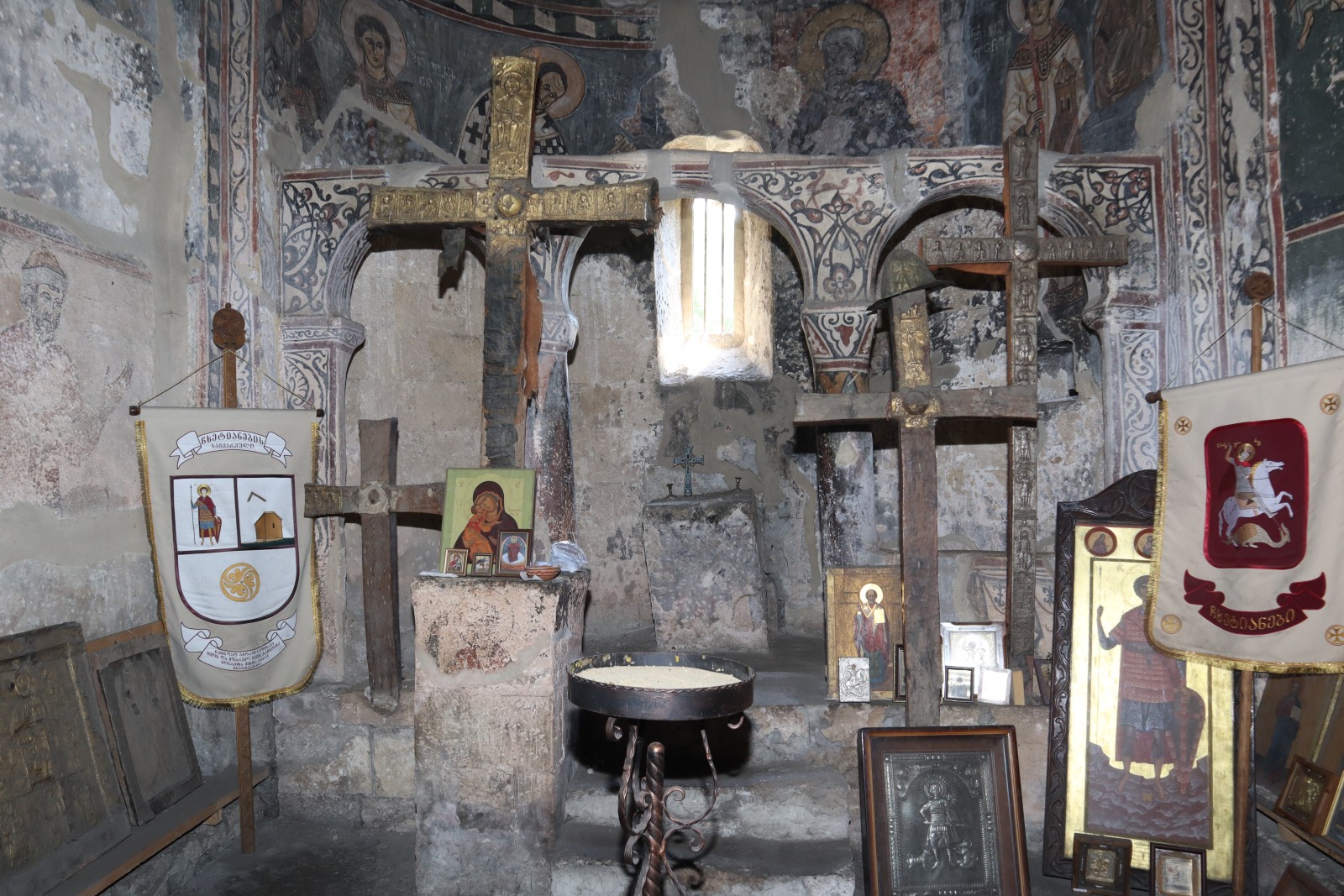
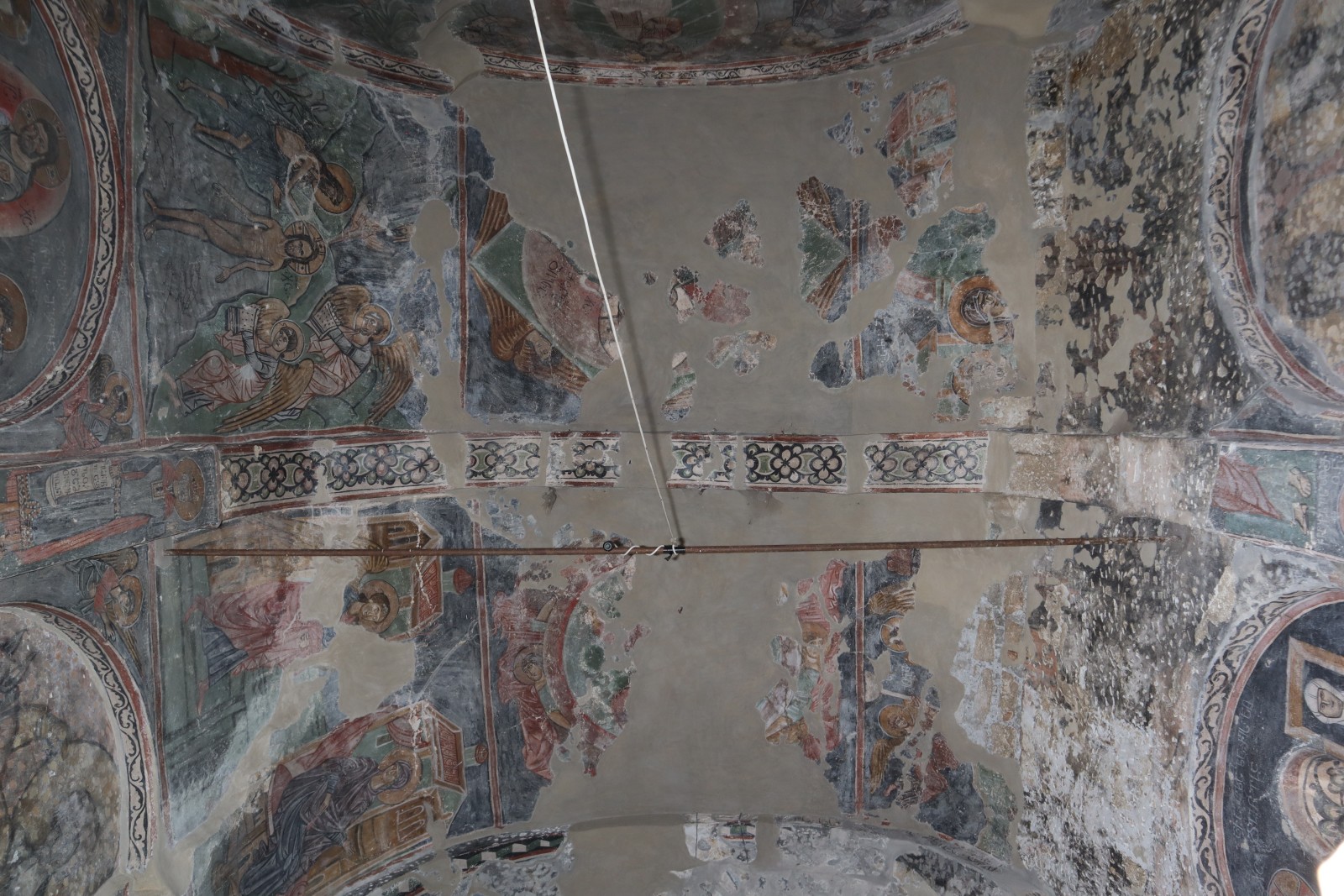
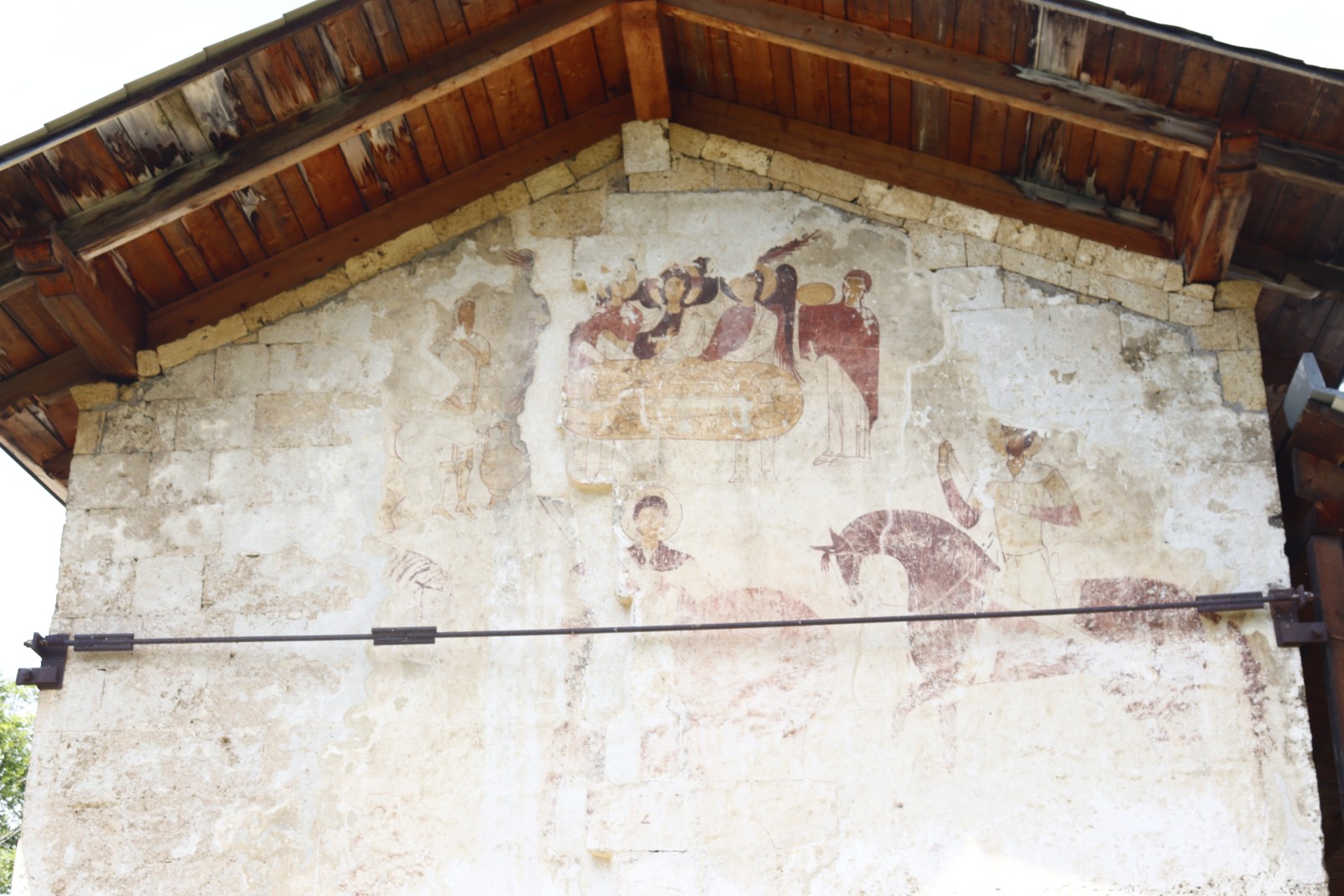


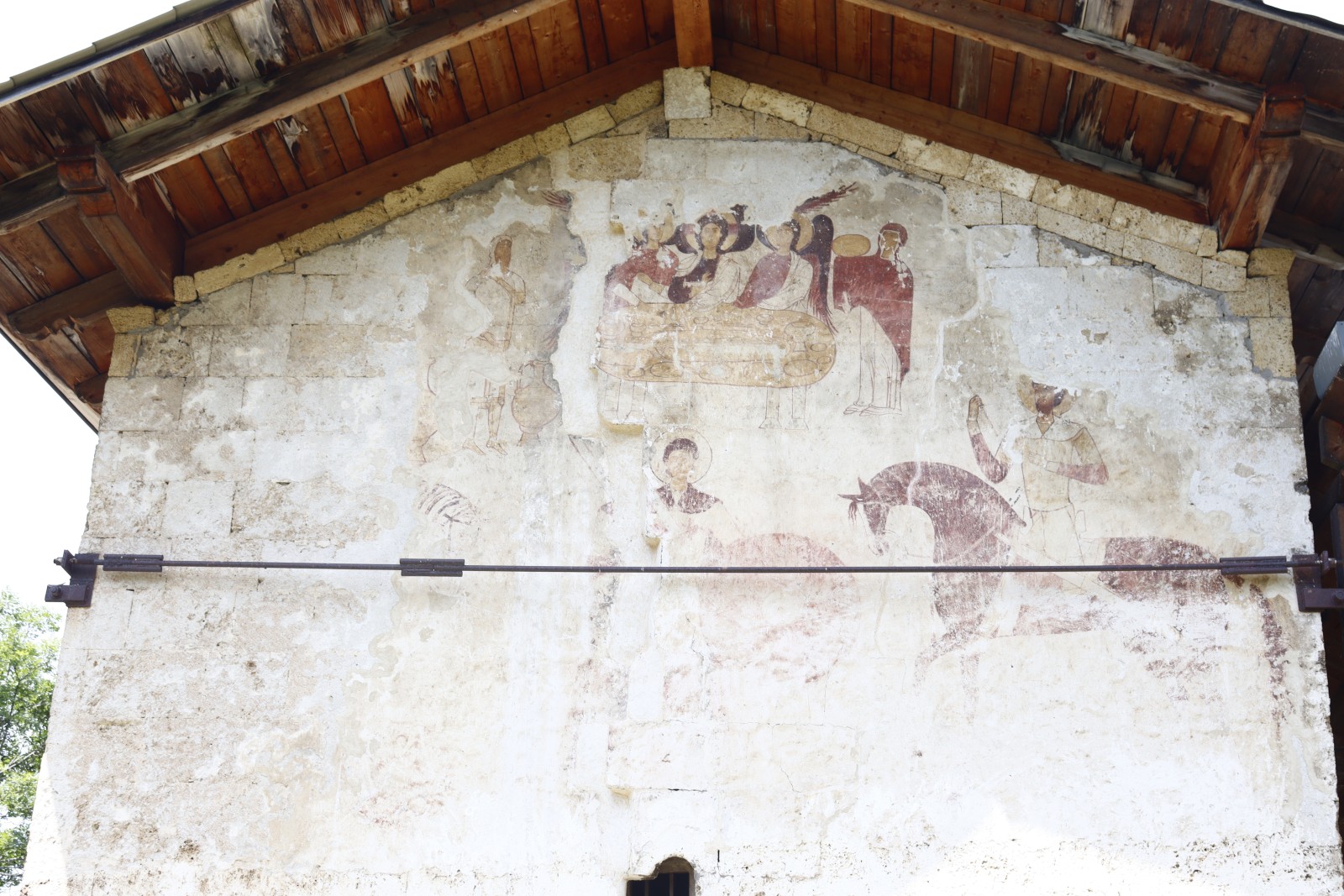
This large single nave church with a southern annex is located on a high hill on the outskirts of the village Svipi in the Pari community. It was built in the 10th century, and two layers of murals from different periods have been preserved in its interior: the first layer, dating to the second half of the 10th century, and the second layer, which dates to the late 14th century. The eastern facade of the church is adorned with 12th century painting.
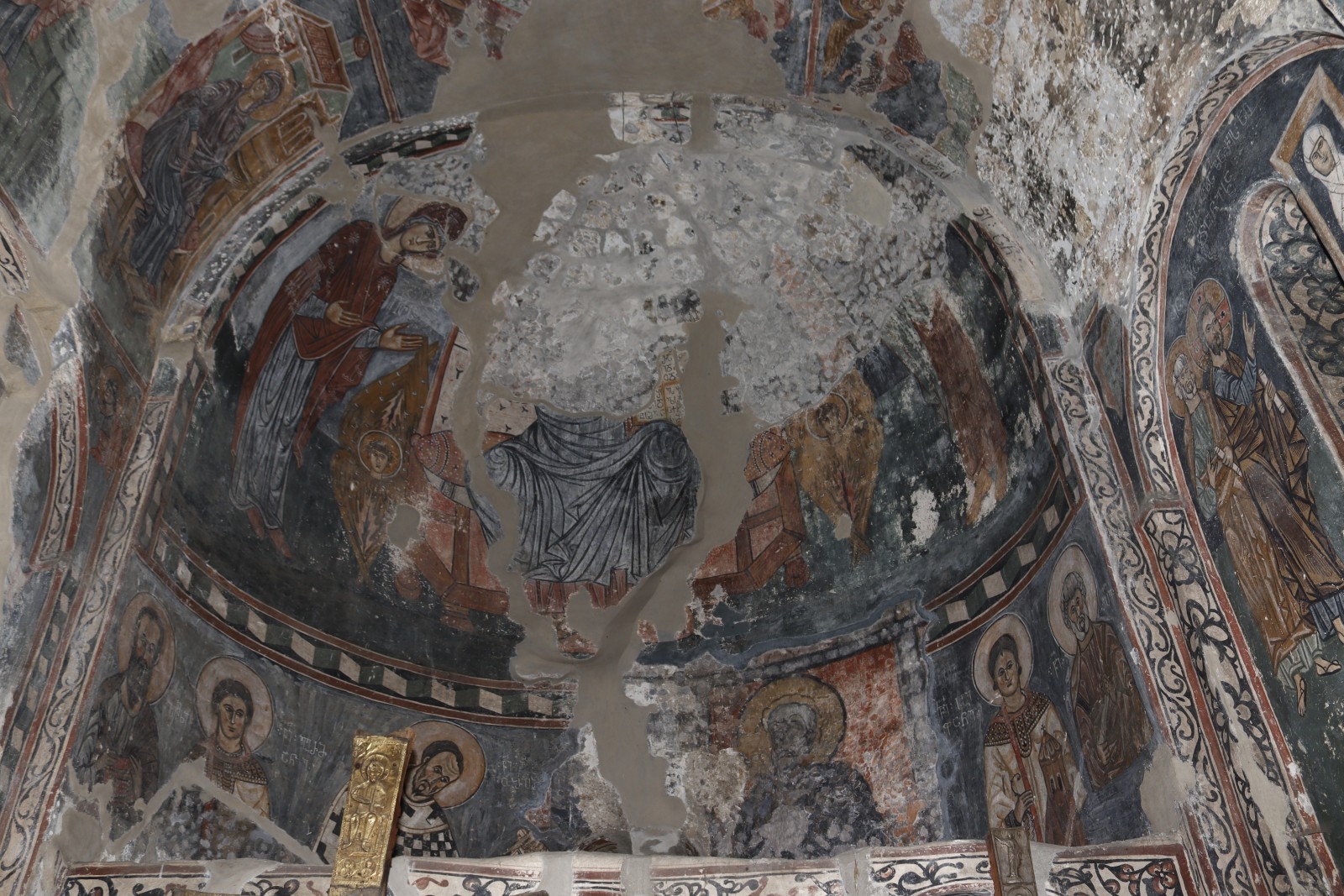
The murals of the first layer represent an important example of early Svaneti wall paintings. They clearly reflect the creative striving towards embellishing the entire interior of the church with the mural decoration, which can be seen in early Svaneti murals. These strivings indicate a final stage in the development of Svaneti's early wall painting, thereby establishing the significance and place of the Svipi murals in the context of early Svaneti mural painting.
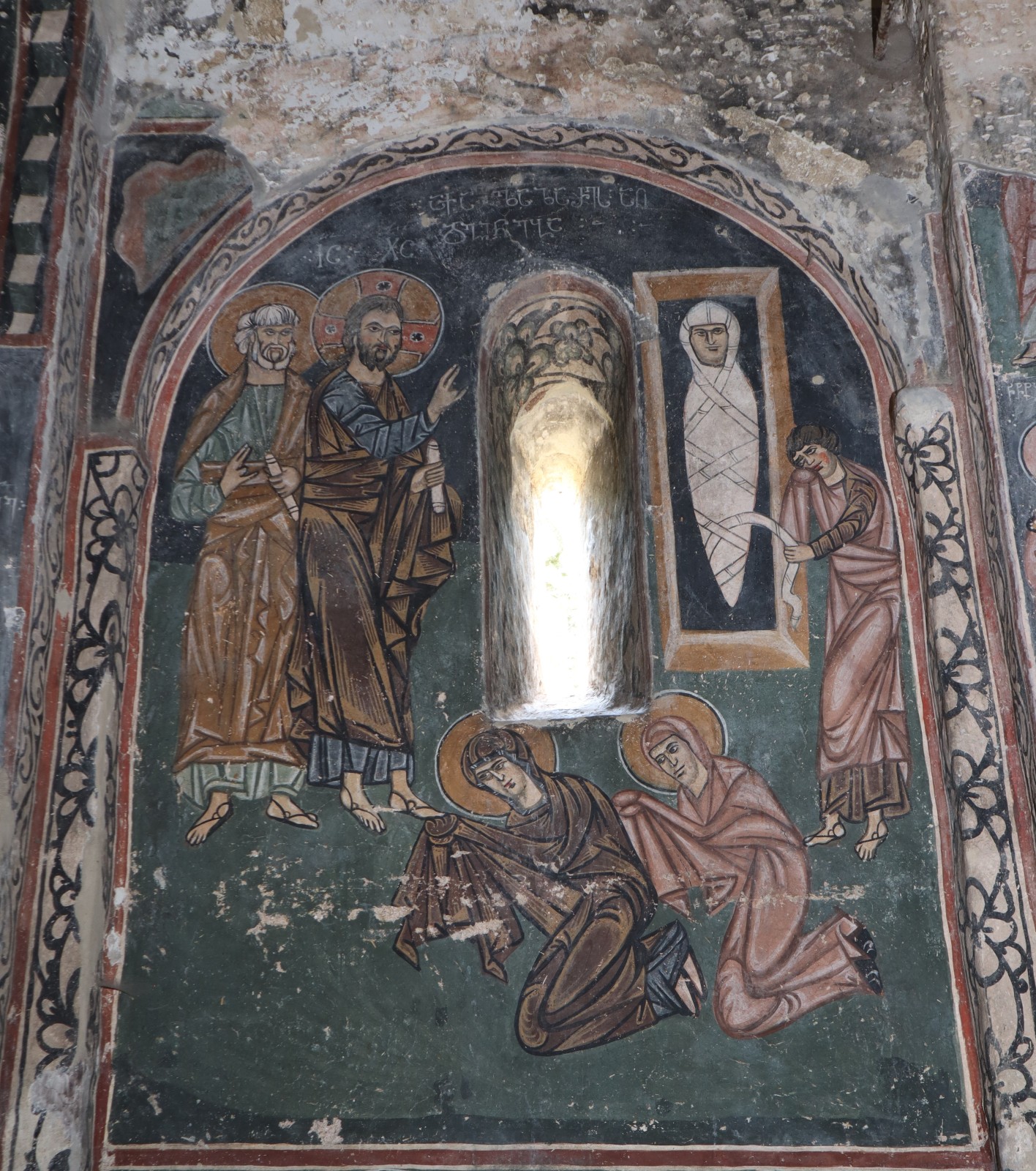
The second layer painting is one of the notable examples of the so called Paleologan mural decorations in Svaneti. This painting is particularly interesting for several reasons. The overall iconographic program includes Deesis, figures of the Holy Bishops, Sts. Peter and Paul, and Deacons in the chancel, along with scenes of the Great Feasts cycle and depictions of various Saints in the naos. The arrangement of the scenes in the interior (notably, the vaulting decoration, with two main compositions in the center — the Ascension and Christ the Ancient of Days) is also significant. Additionally, inscriptions on the scrolls of the Holy Bishops and Prophets add further depth to the general theological idea of the program.
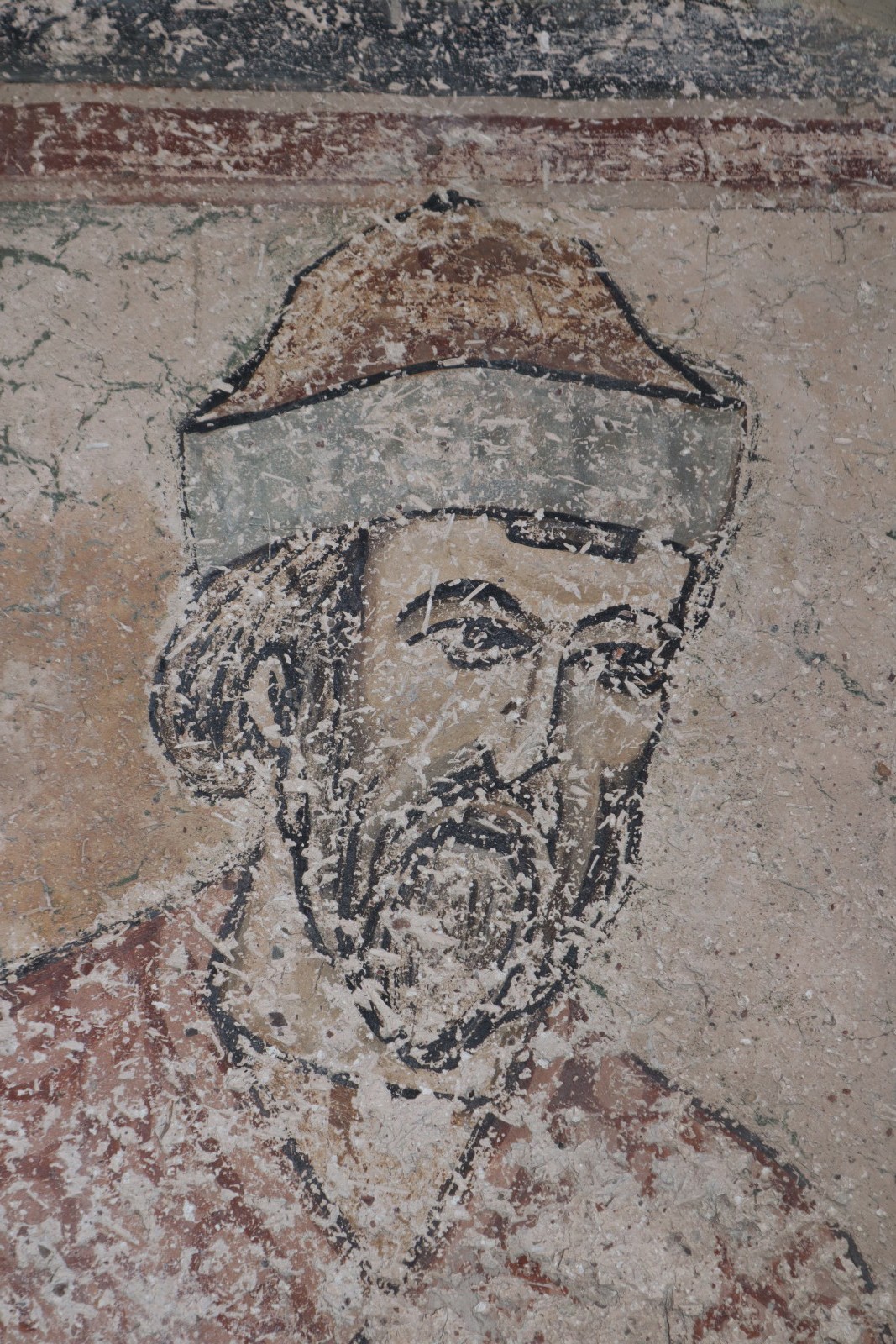
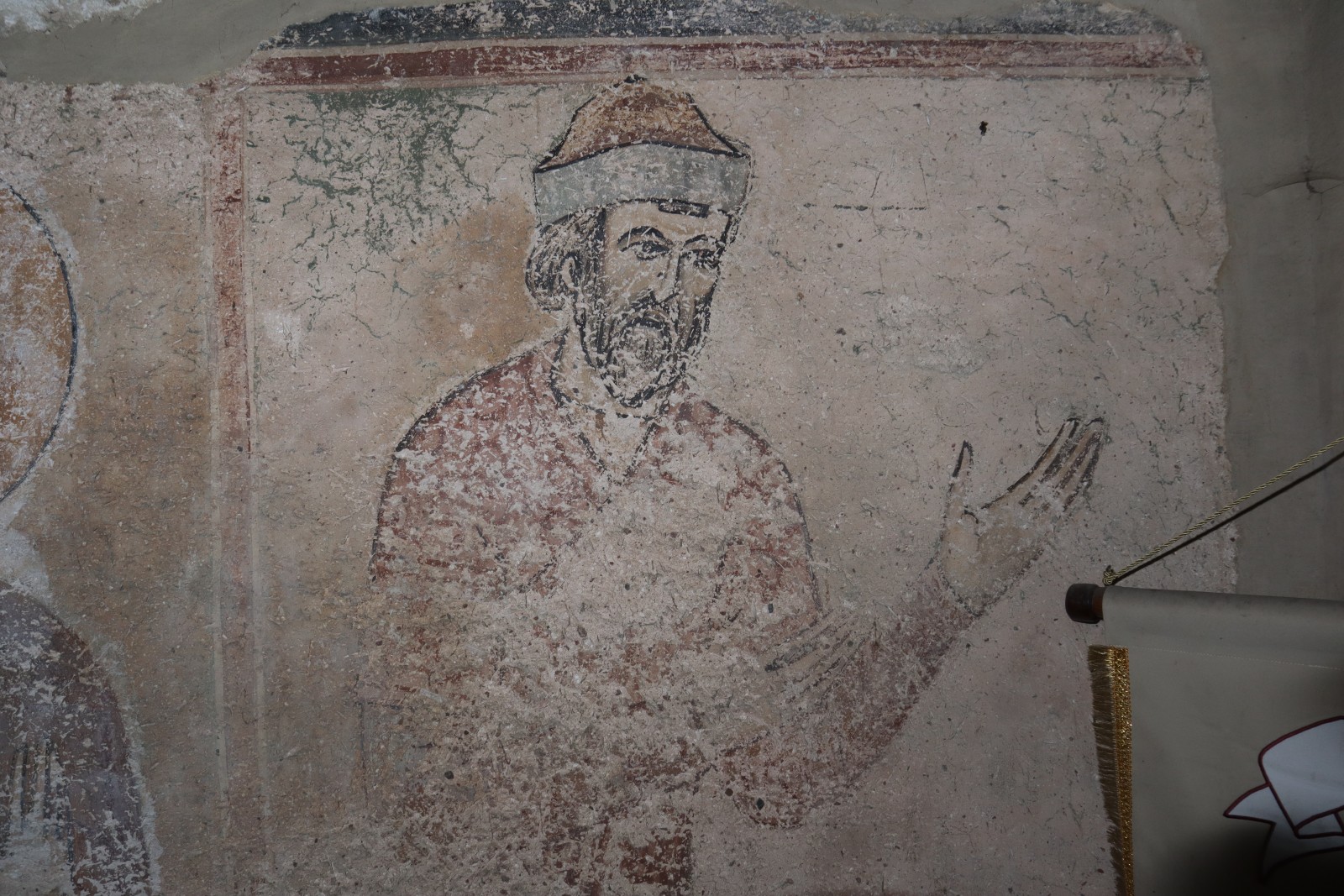
The overall arrangement of this painting ensemble closely follows the principles seen in the murals of the upper church of Laghami, reflecting the same general eschatological idea as the latter. The similarity between the paintings of Svipi and Laghami can be explained by the fact that both were commissioned by the same donor — Shalva Kirkishliani, whose damaged portrait is preserved on the north wall of the church. Moreover, the wall painting in the Svipi church were executed by a second, less skilled painter, who worked in Laghami, as evident from the manner of execution of the figures’ faces and of their clothing.
The murals in Svipi clearly illustrate the gradual flattening and roughening of the artistic style, which marks the development of wall painting in Svaneti during the 14th-15th centuries.
The murals on the eastern facade of the church are remarkable for their high level of artistic craftsmanship and are especially noteworthy because, unlike most façade mural decorations in Svaneti churches, they include the Old Testament scene (Abraham’s Hospitality). This is quite rare in Georgian wall painting of the period.
| Location | 10 minutes walk from village Katskhi of Pari Community |
| Key holder | Iaroslav Chkhetiani lives in Katskhi village |
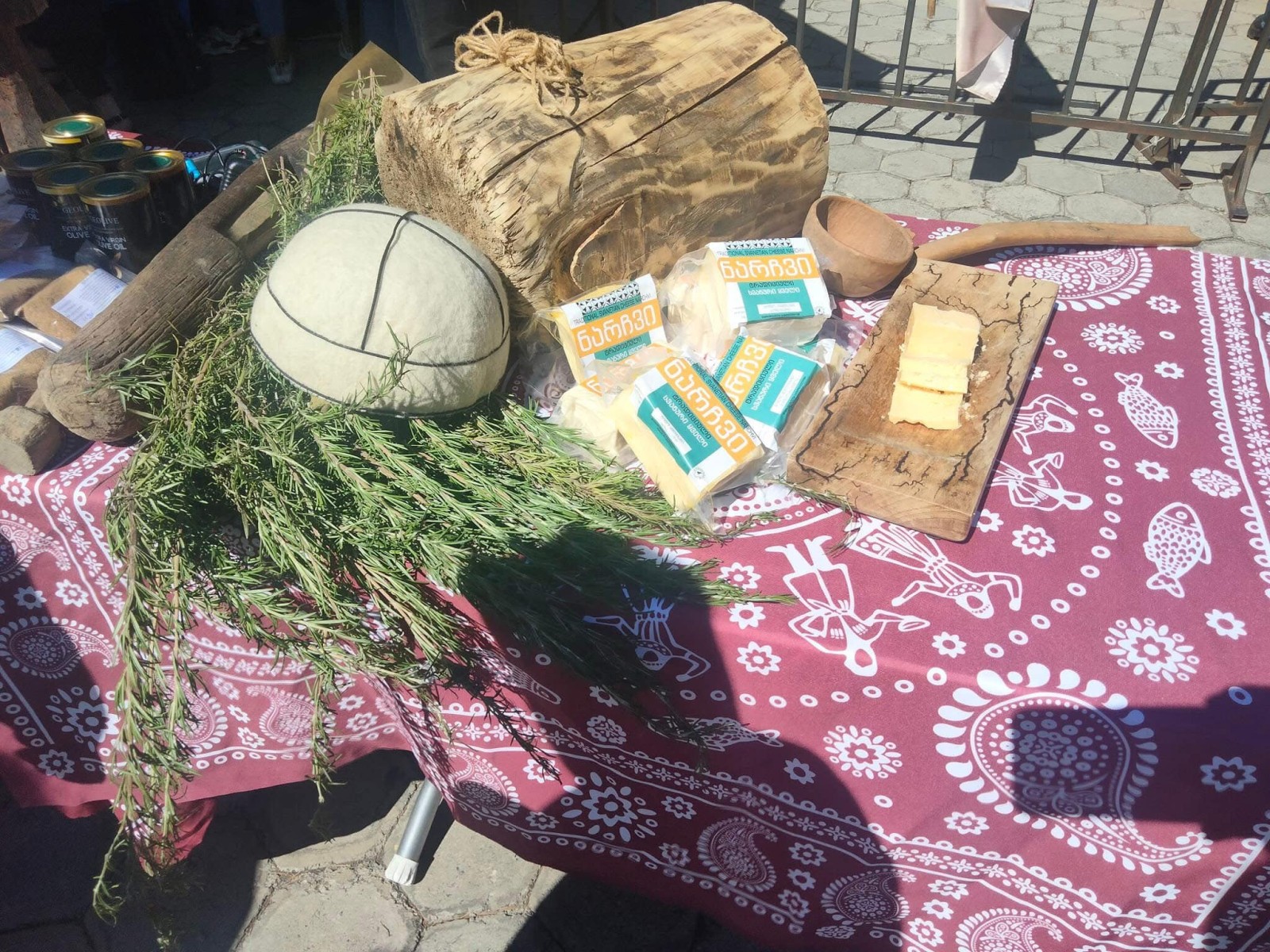
Association "Svanuri Narchvi"
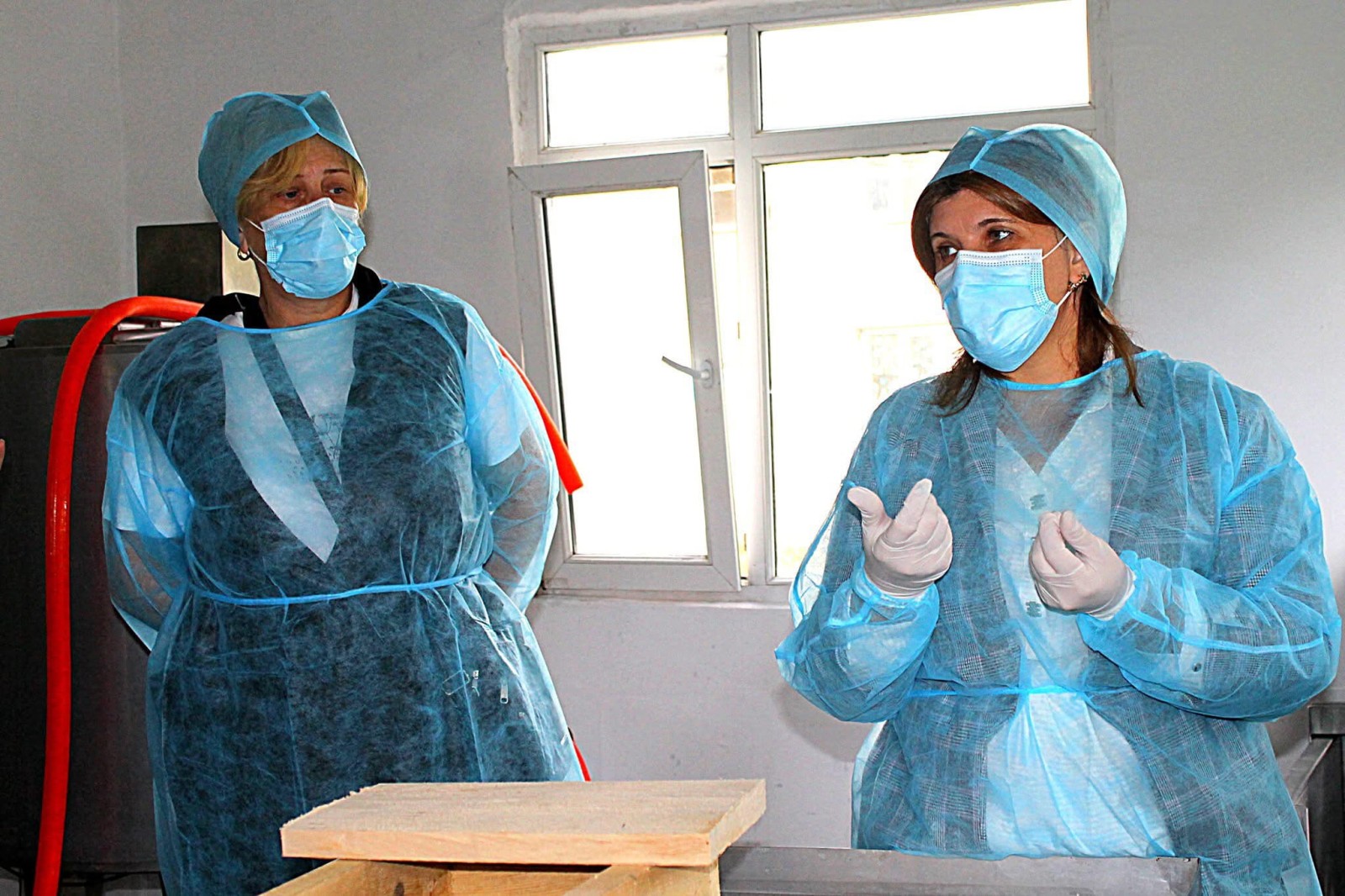
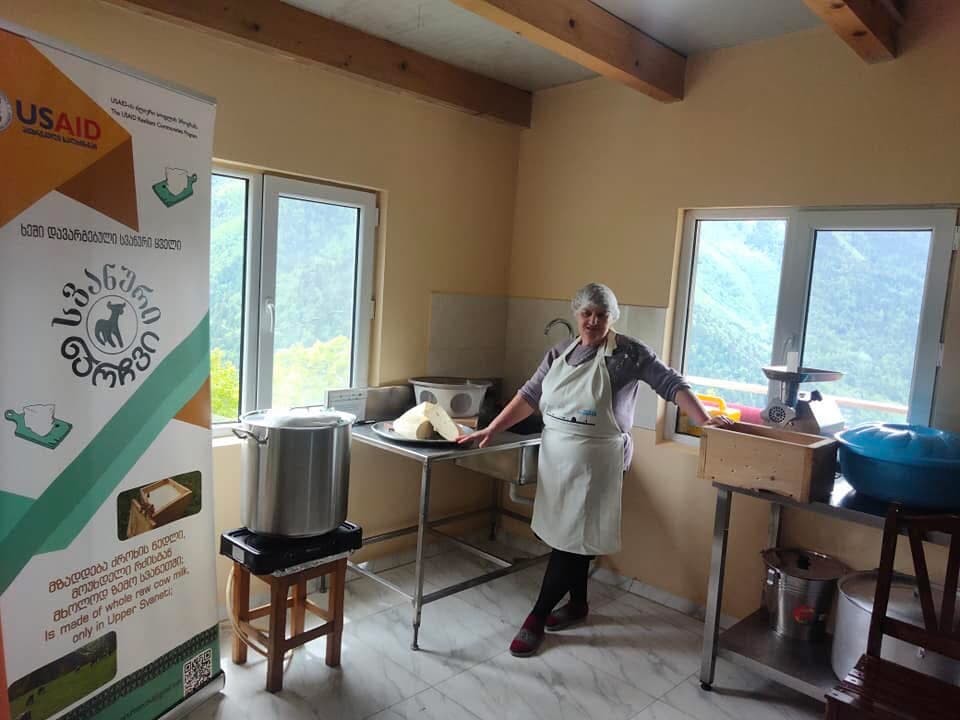
In the Pari community there is an association "Svanuri Narchvi", which unites several producers of traditional types of cheese and promotes the sale and popularization of their products. Several entrepreneurs already have experience in demonstrating cheese making for tourists. Despite the fact that the preparation of this type of cheese takes up to two months, the visitor is shown only a few stages of the process, including placing the cheese in a special wooden box. The demonstration is accompanied by a tasting.
Cheese producers: Ekaterine Tsulukidze, village Pari,, Daro (Lusana) Margiani village Katskhi, Pari, Rosa Murghvliani, village Pari and Chito Kvitsiani, village Katskhi, Pari. It is possible to buy cheese from them, as well as book a cheese making master class and tasting.