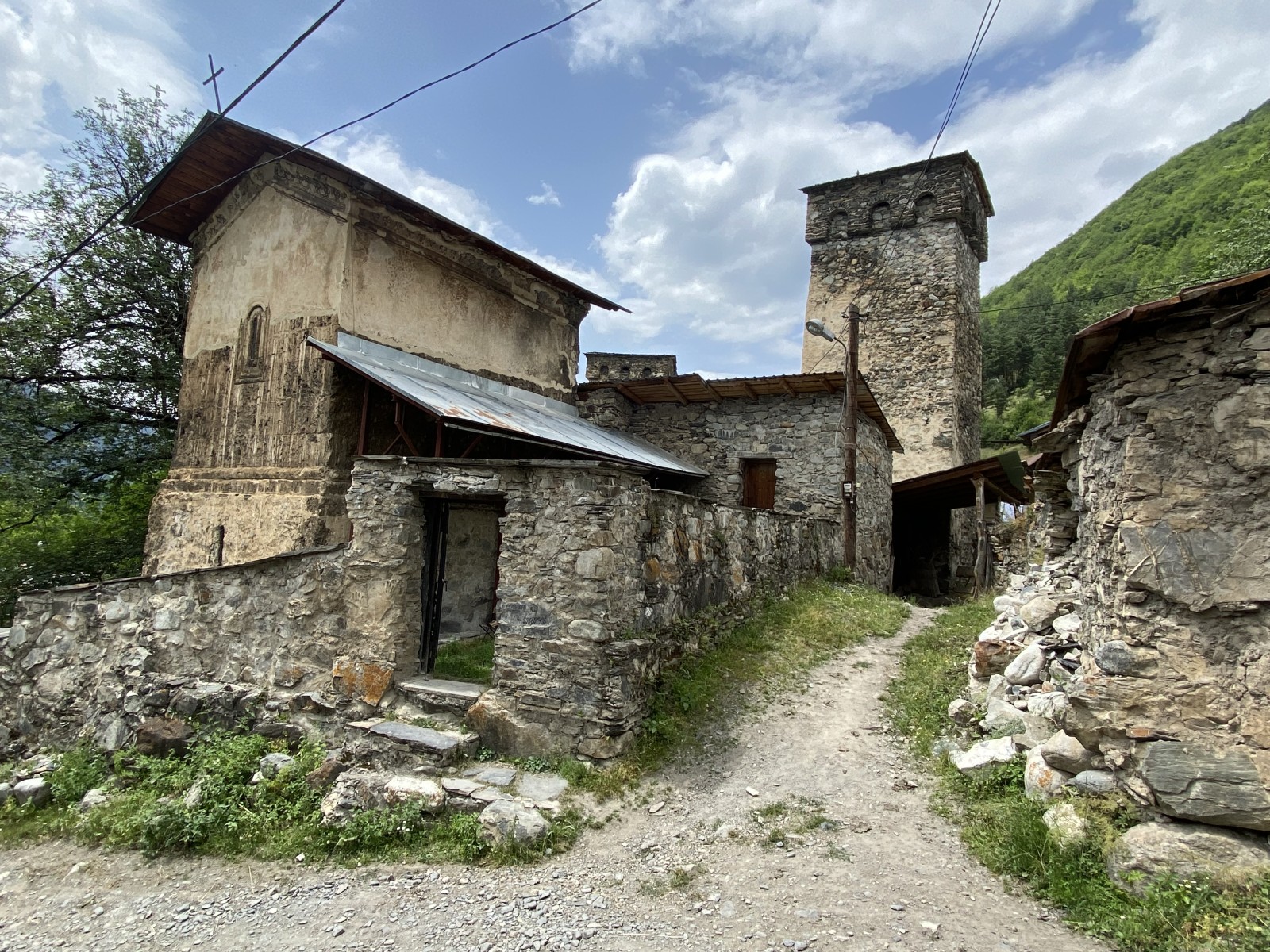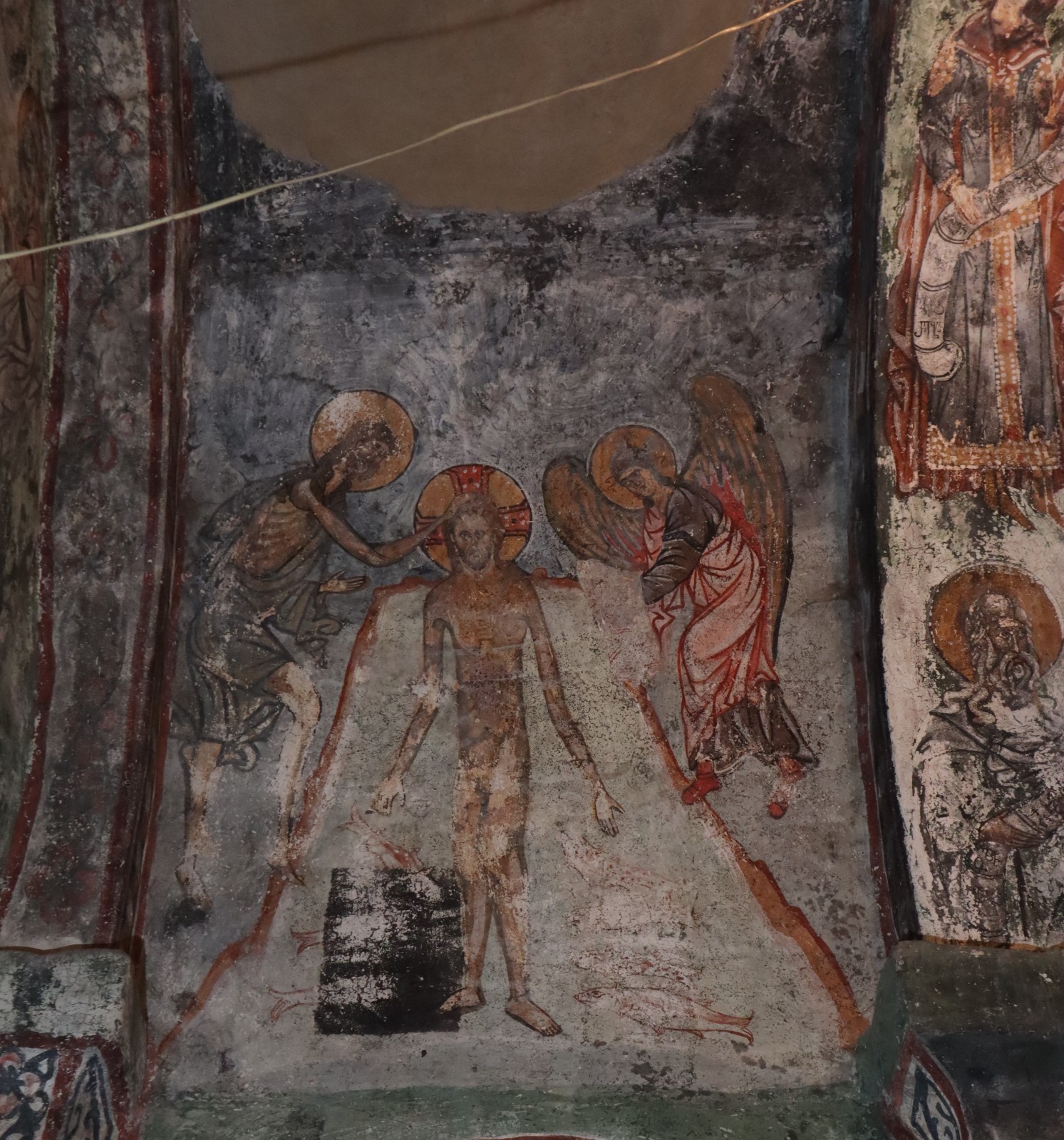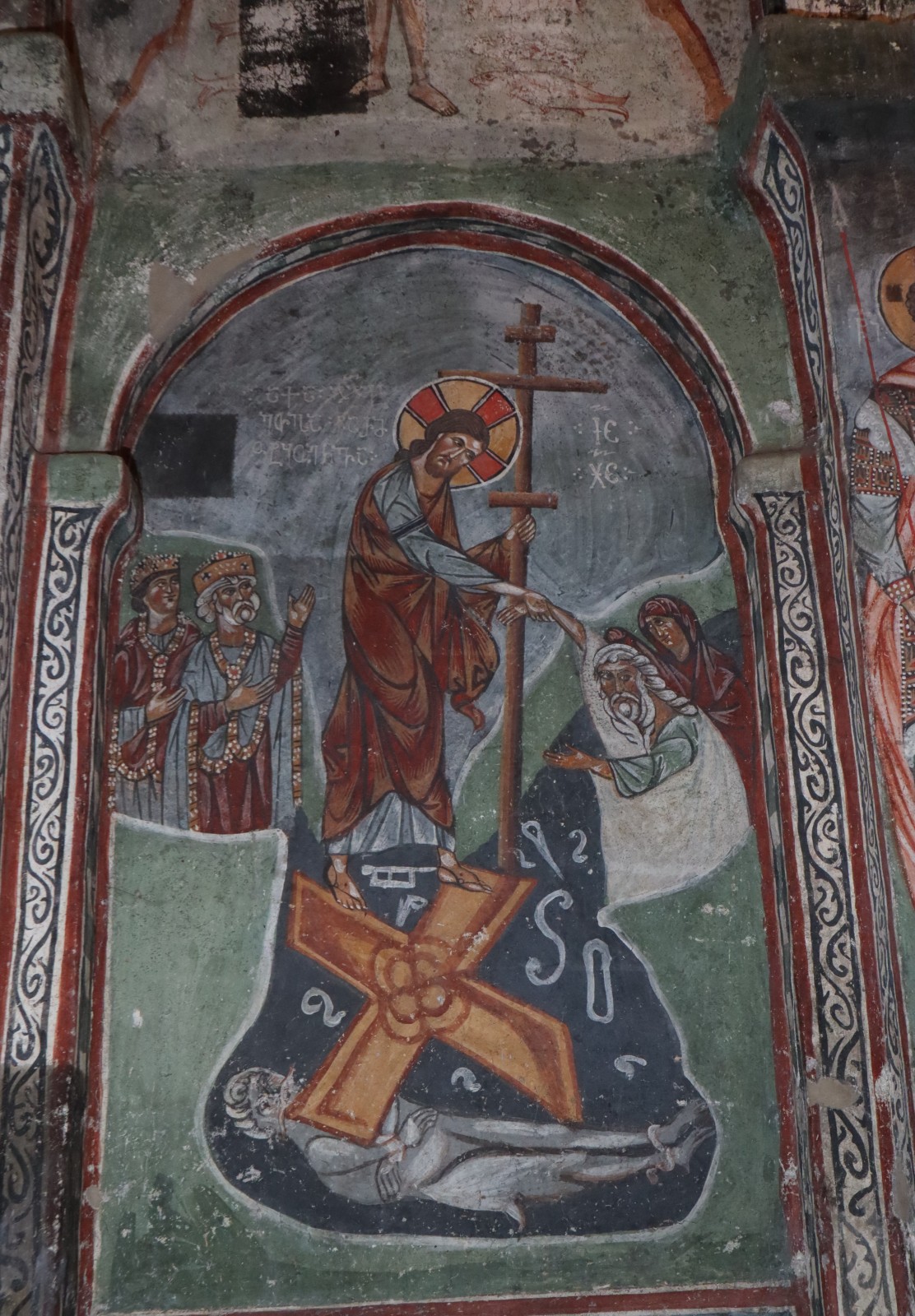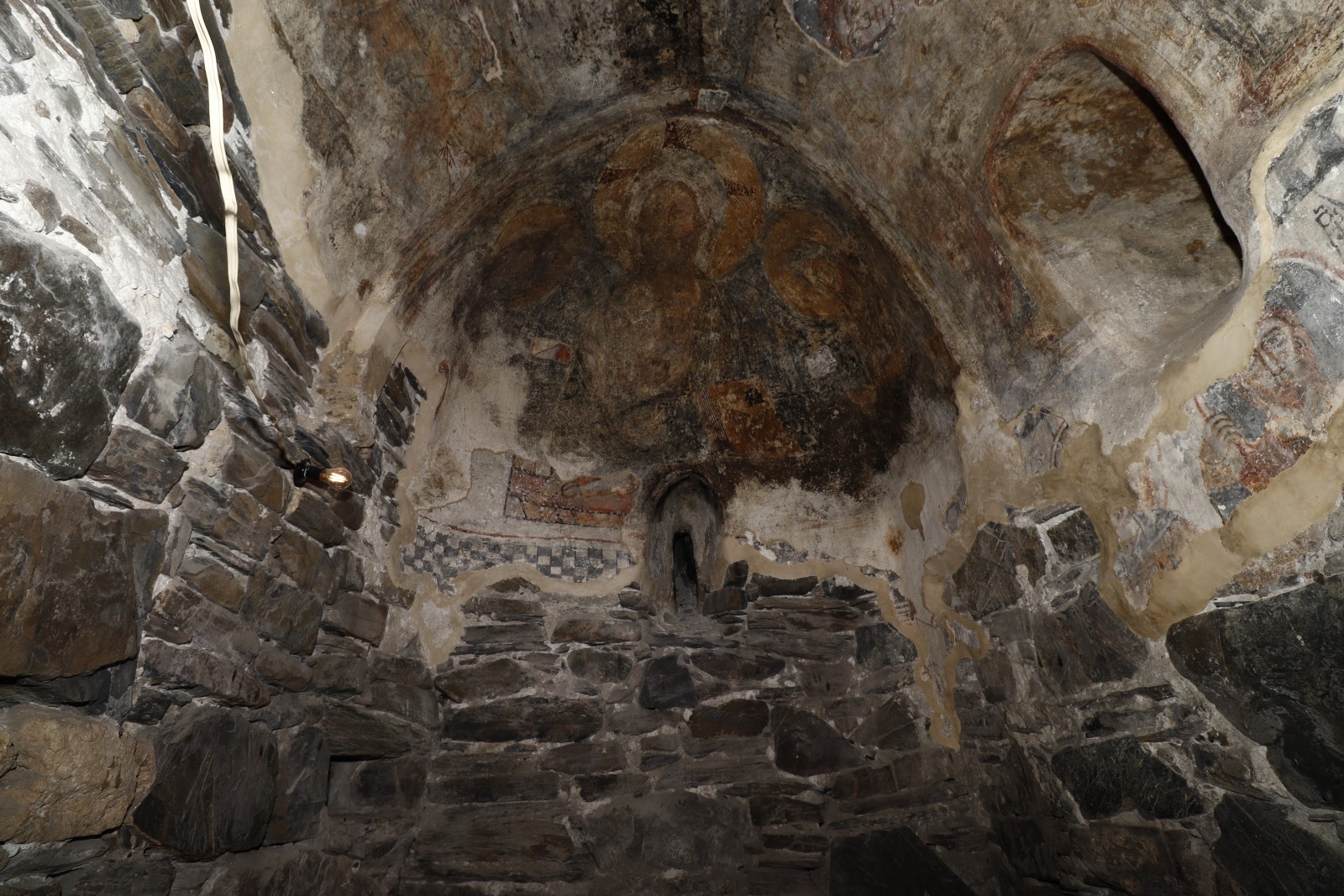
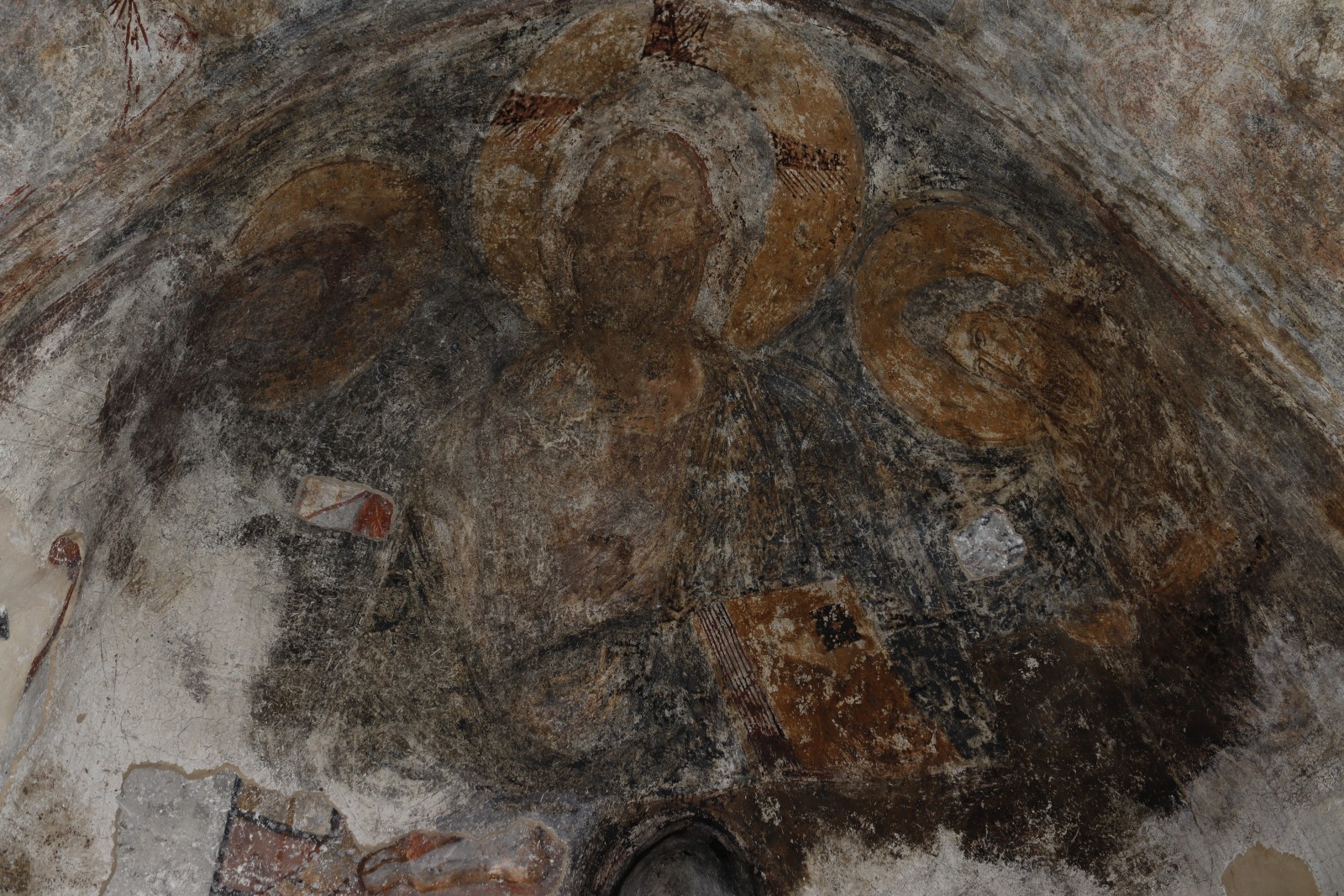

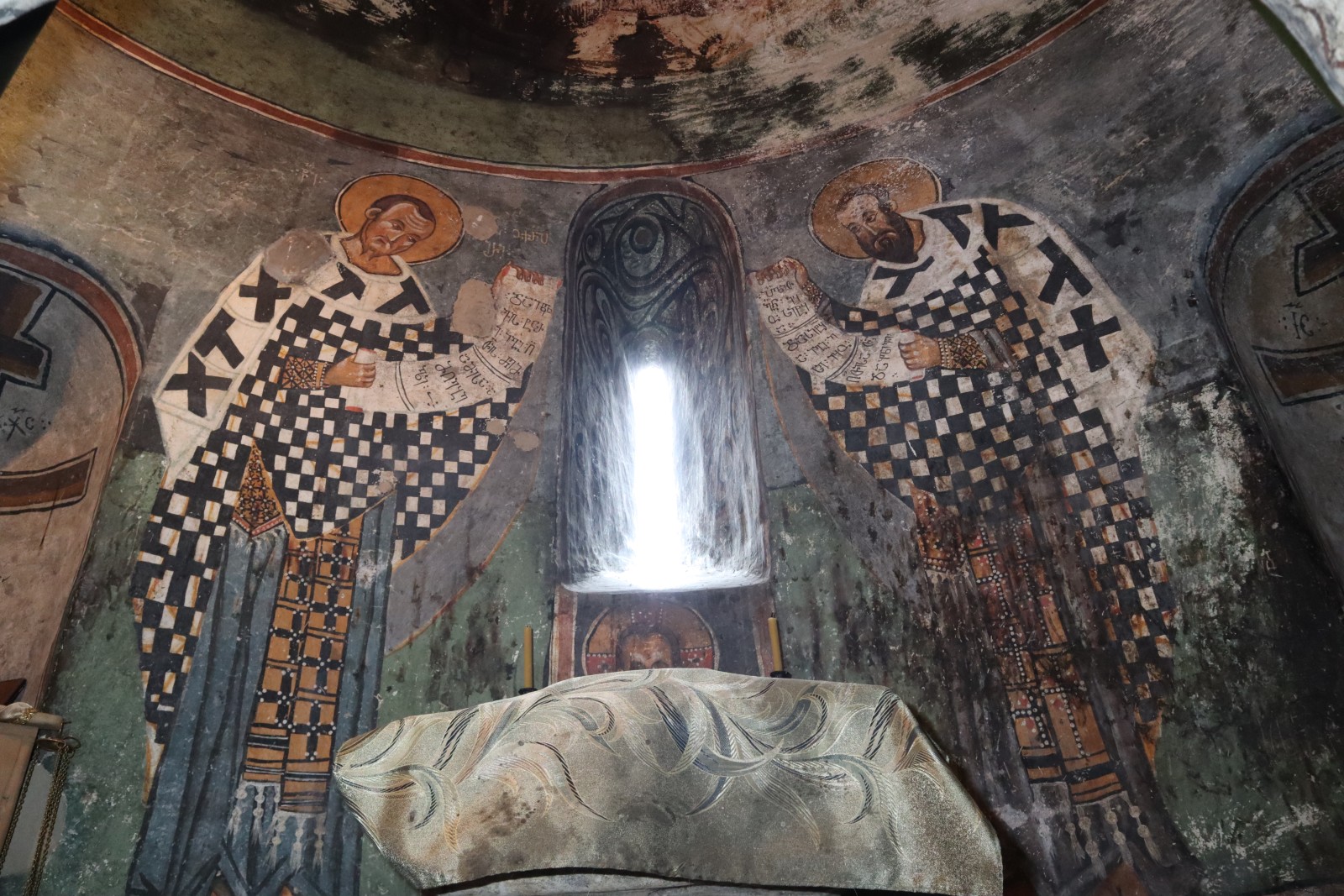
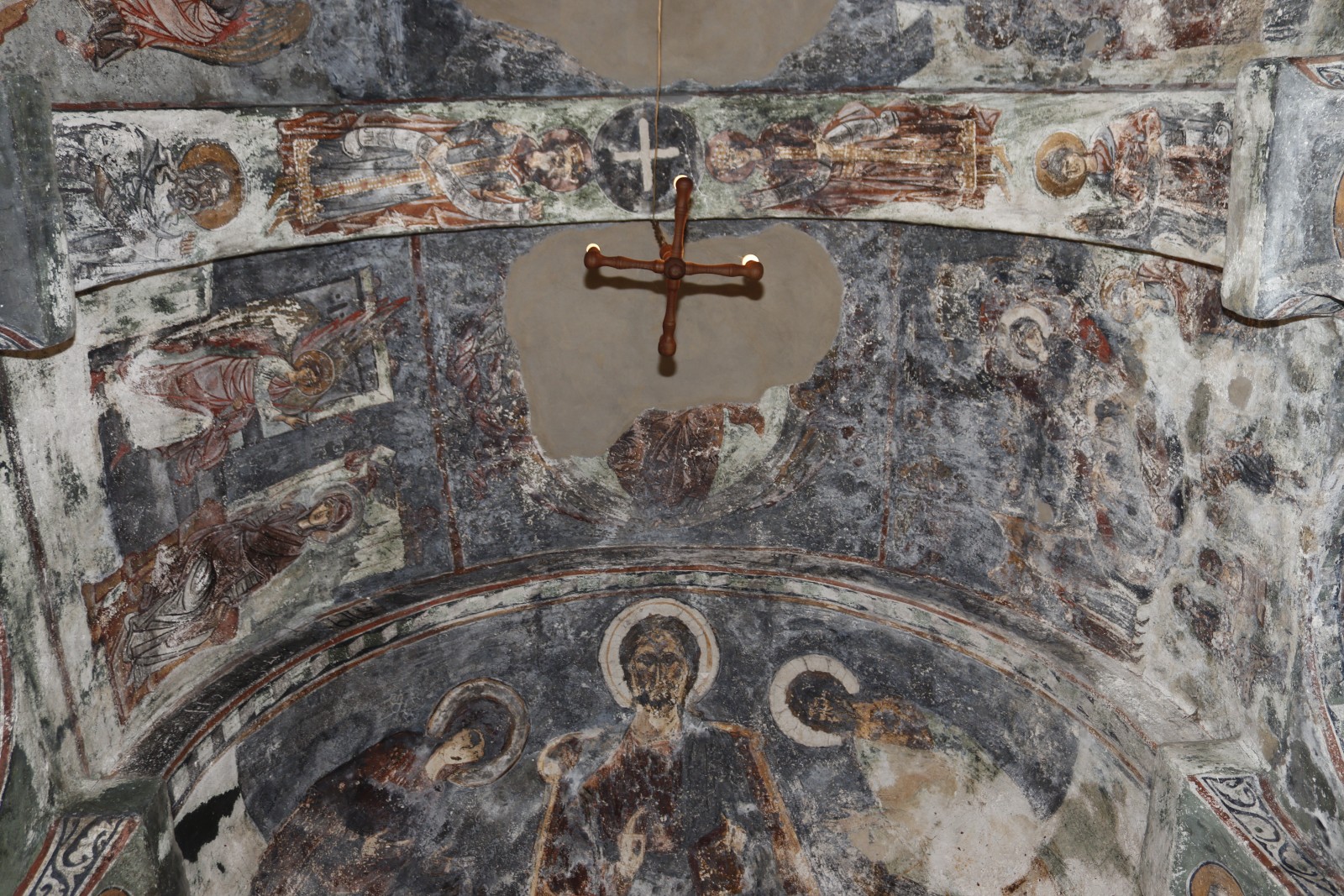


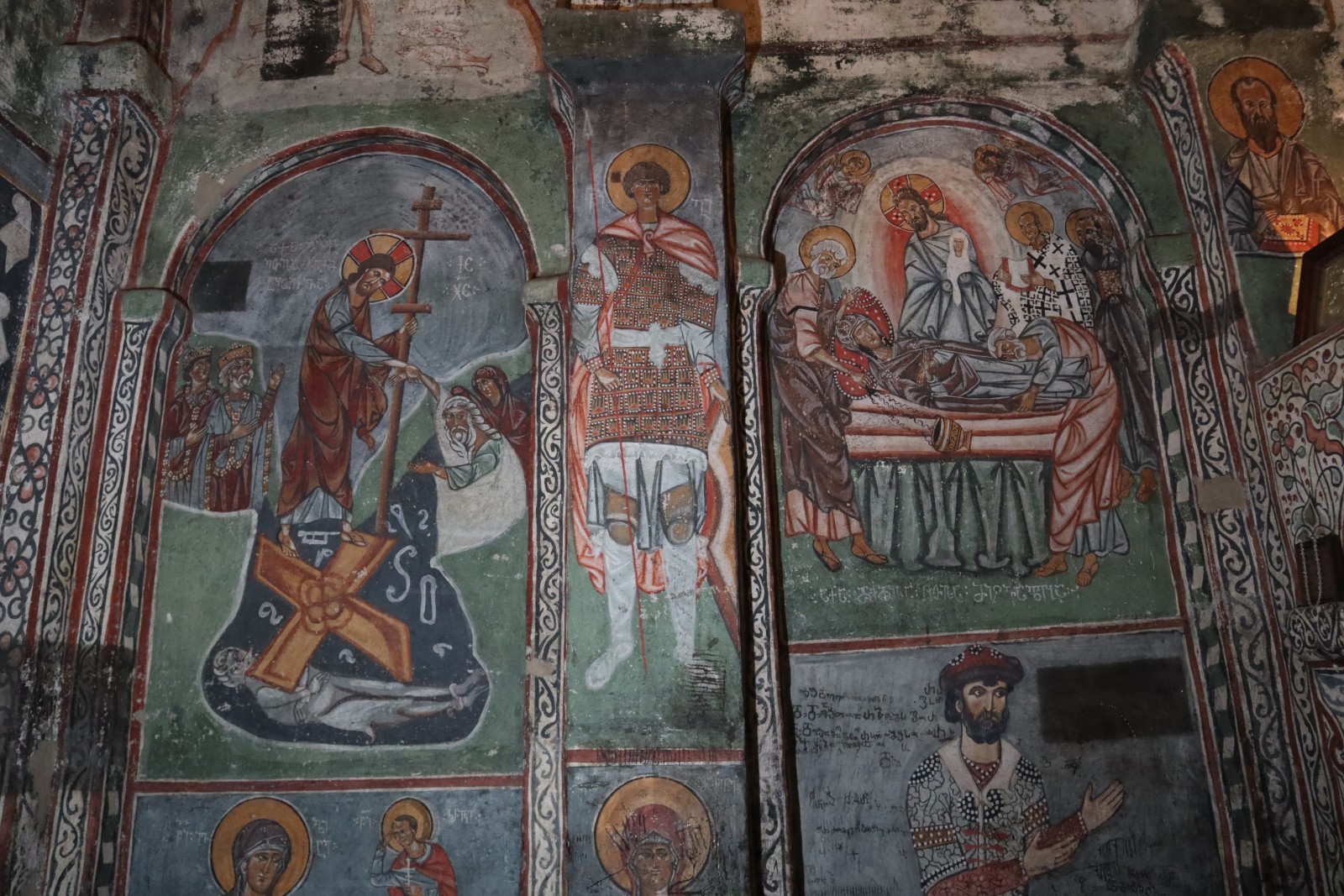
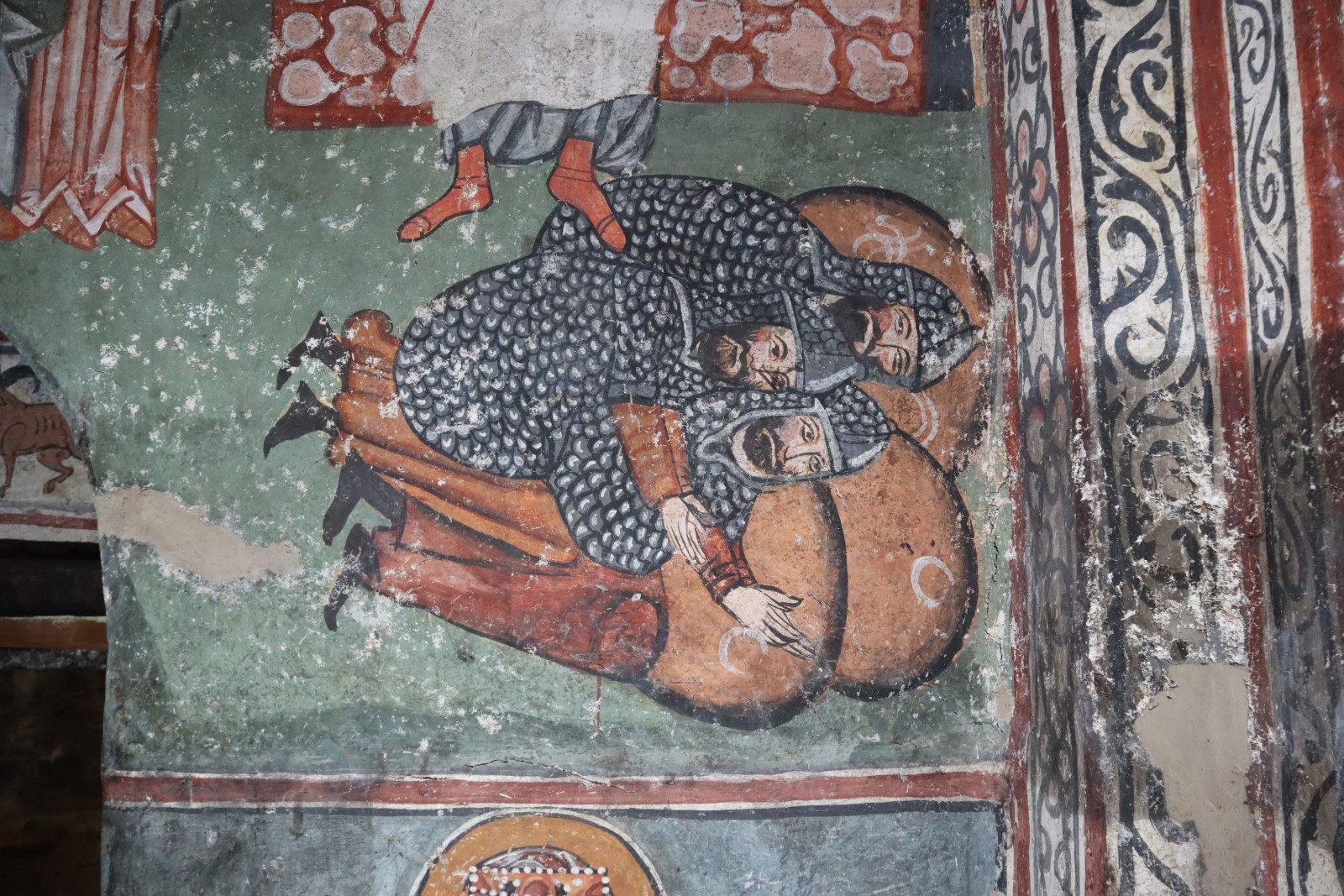
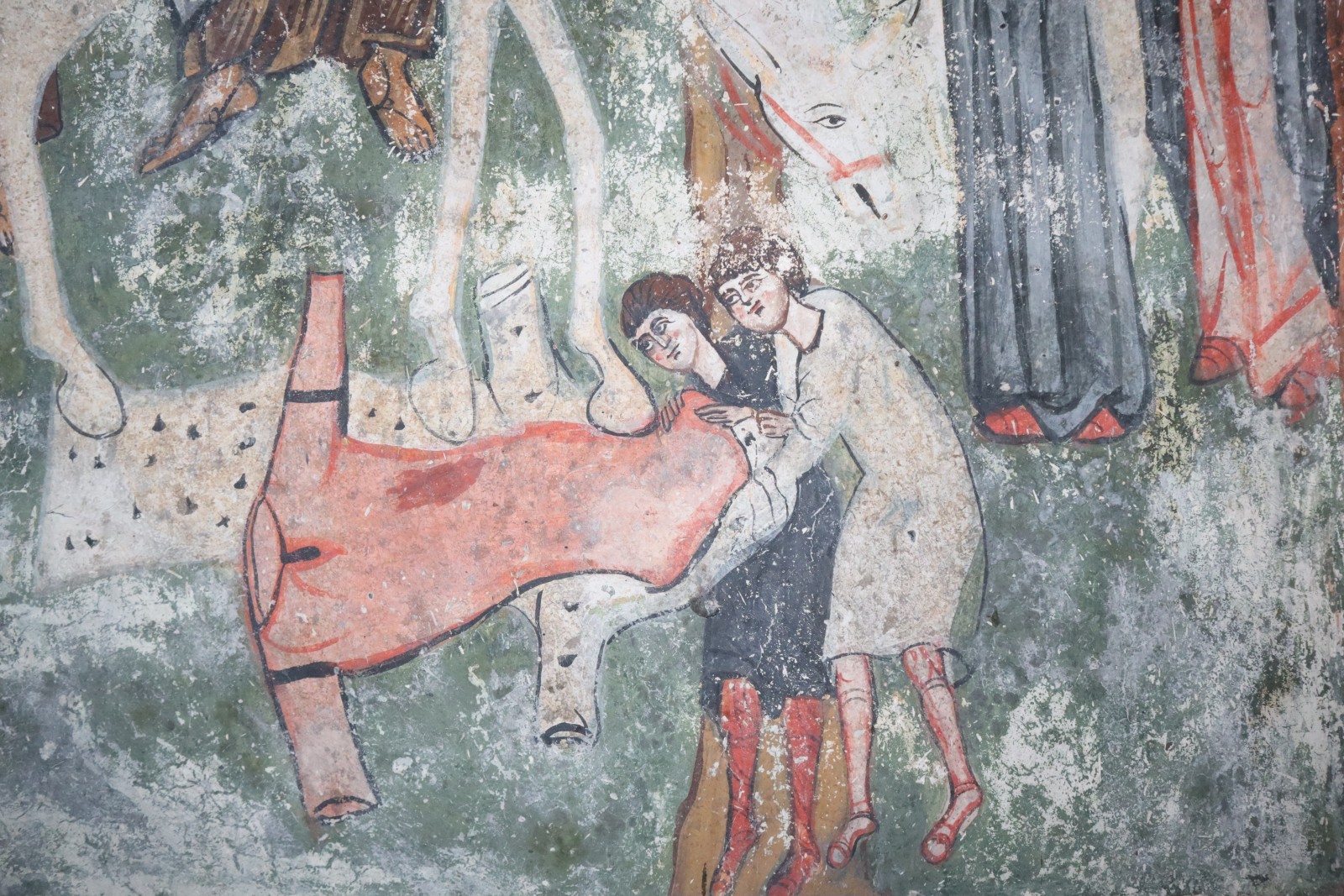
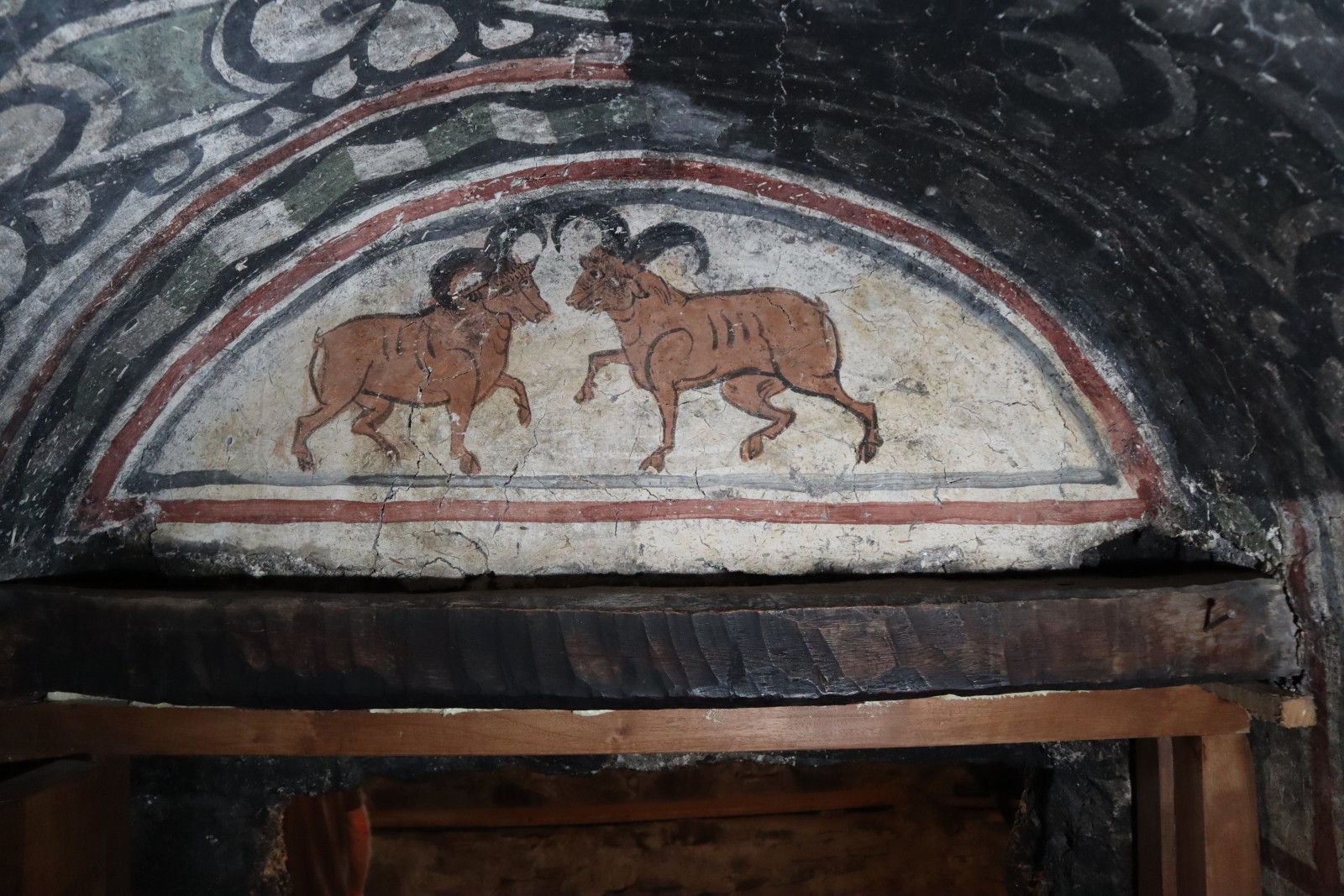
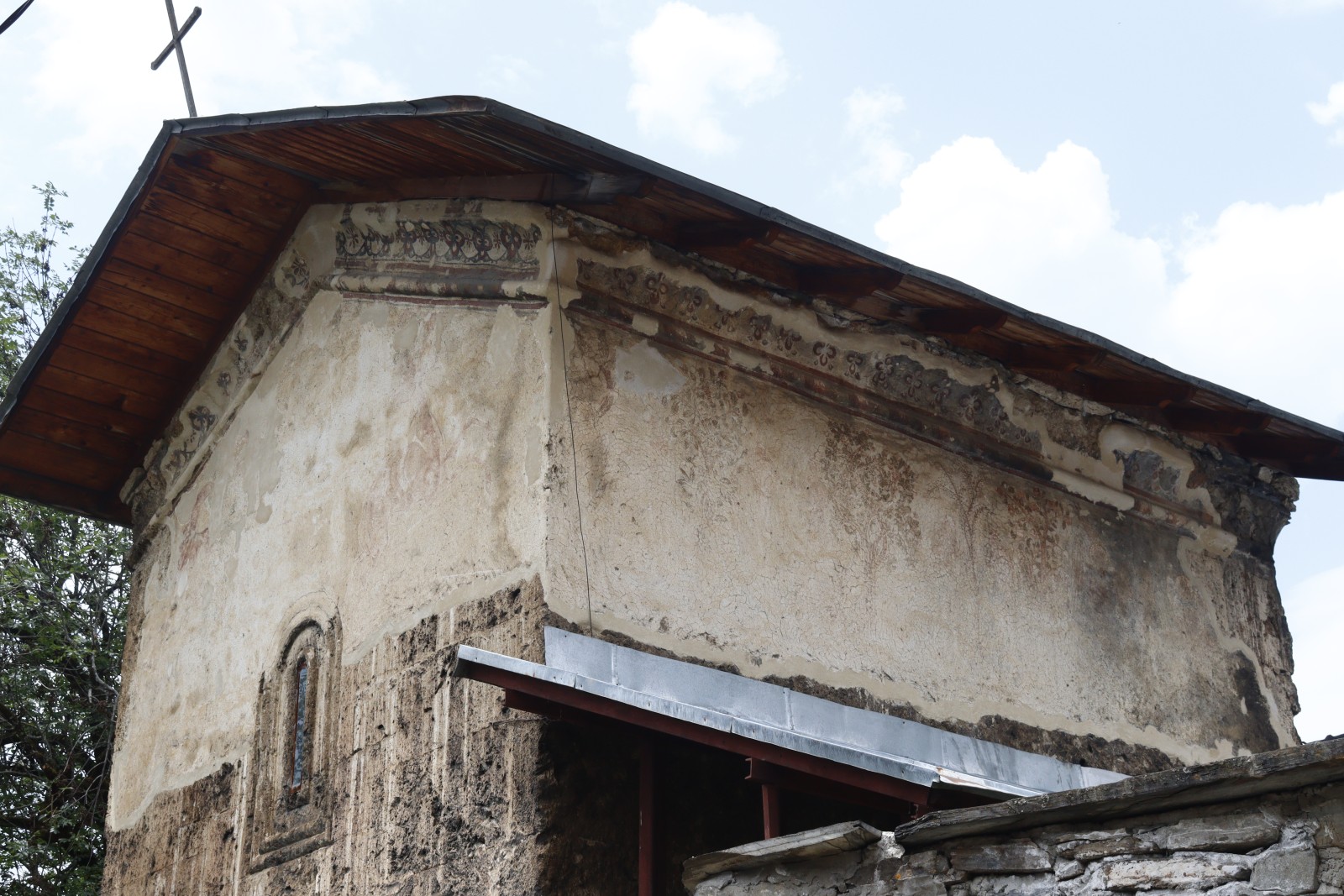
This large, two-story single nave church with annexes on the western side (on both levels) is located in the village of Lagami, historically part of the Mestia community. With its complex architectural structure, the building reflects multiple phases of construction, creating a clear picture of how its current form evolved. Notably, apart from Lagami, only one other two-story church is known in Upper Svaneti—a later example, the Taringzel-Zagari Church in Tsvirmi.
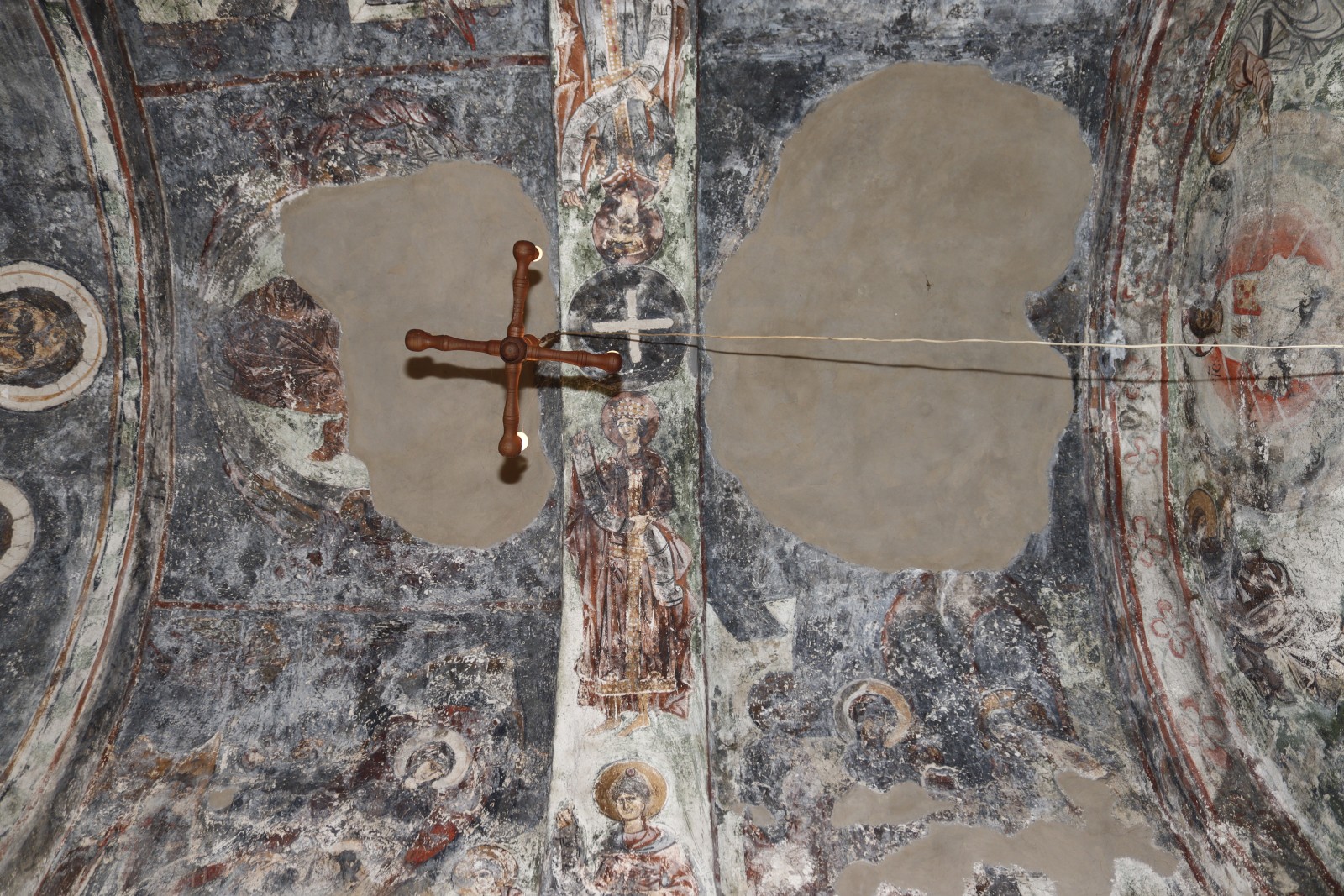
The earliest part of the Lagami complex is a very small 10th-century church (now the lower church), with a flat chancel unusually ending in a conch, which is atypical for Svaneti. The next major construction phase, in the 14th century, saw the addition of the larger upper single nave church and annexes on both levels. Of special interest is the lower church’s three-compartment annex, which is an uncommon architectural solution among both contemporary and later Svanetian churches.
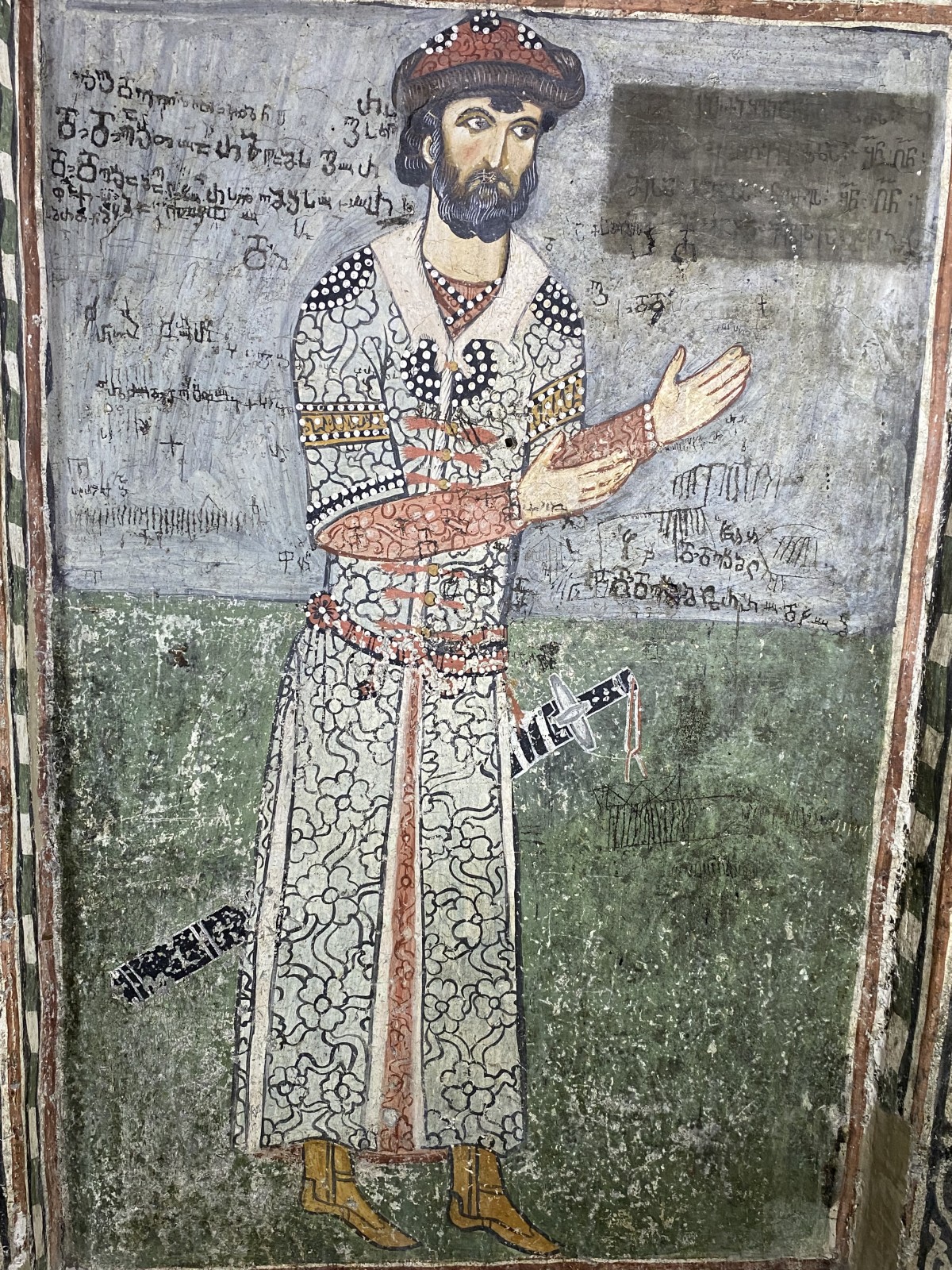
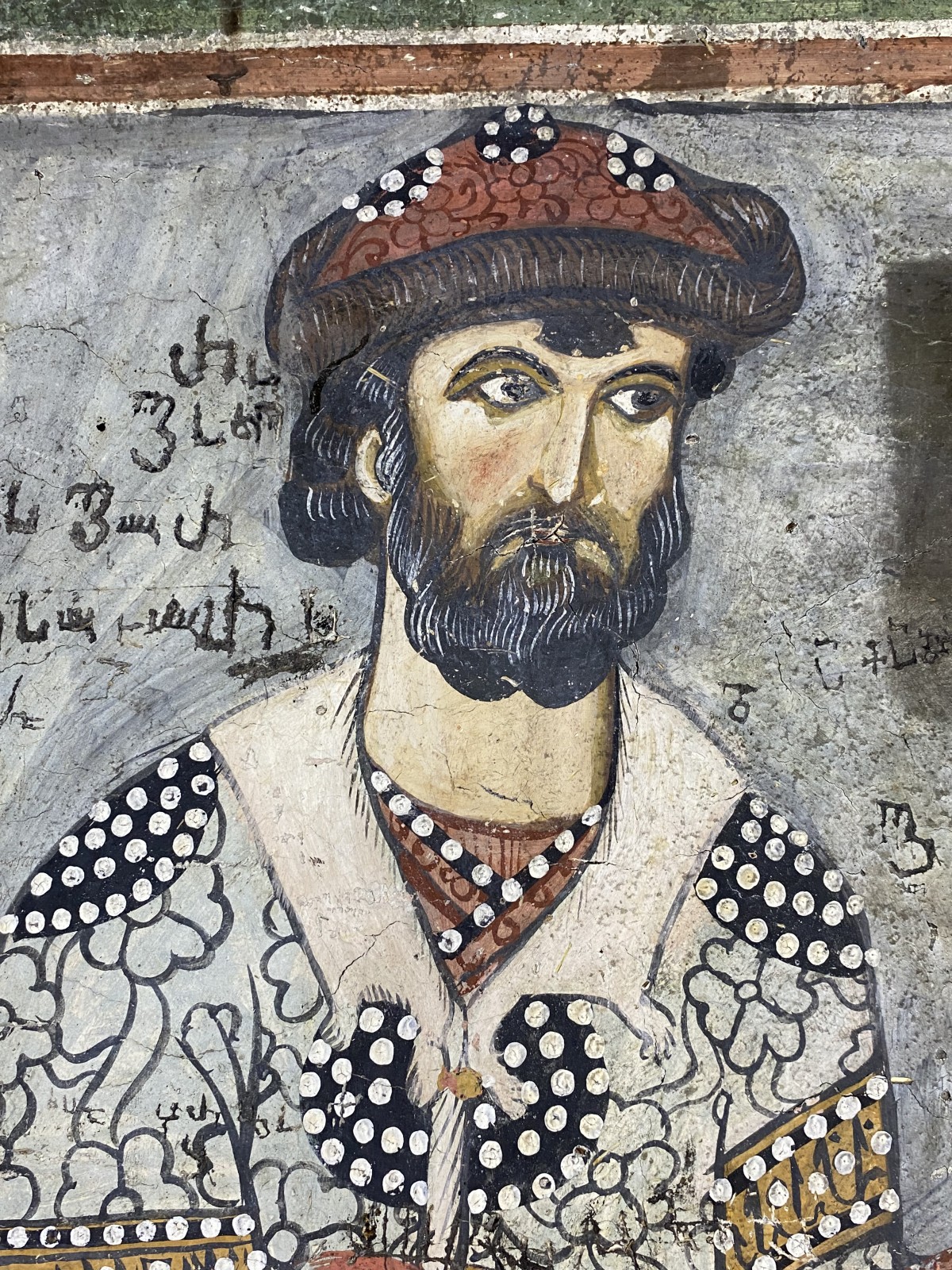
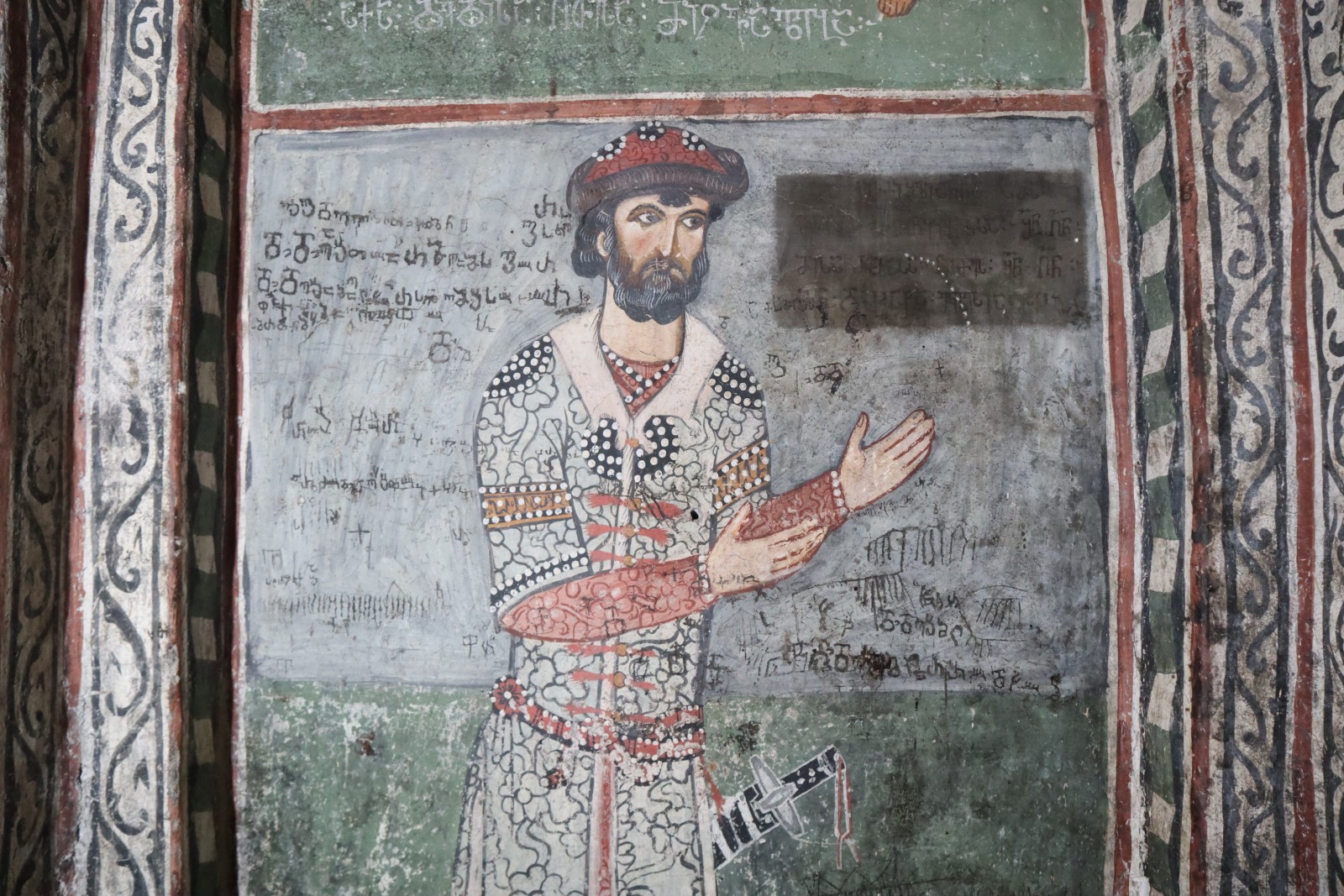
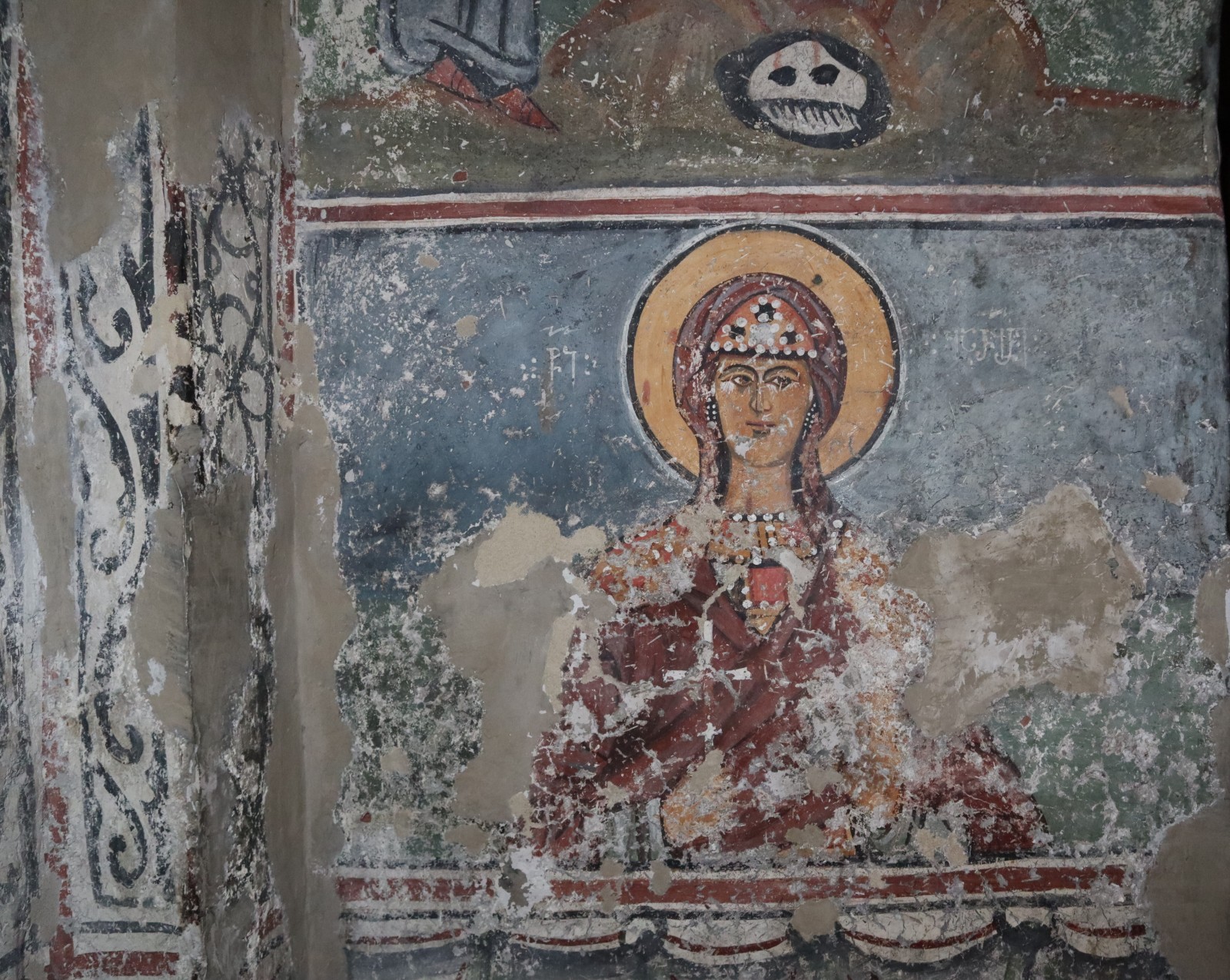
Lagami is also significant for preserving the identity of the donors – Shalva and Neke Kirkishliani. Shalva commissioned transformation of the church into its present form and Neke is the donor of upper church’s interior and exterior mural decoration. An inscription next to a donor portrait in the upper church interior tells us:
“May God grant forgiveness to Shalva Qirkishliani, the builder of this church. May God grant forgiveness to his brother Neke, he painted this church.”
This clearly reflects the contributions of Shalva and Neke Kirkishliani. Furthermore, Shalva Kirkishliani is also known as the donor of the second layer of murals in the Church of Jgragi in the village of Svipi, within the Pari community, as indicated by his donor portrait preserved there.
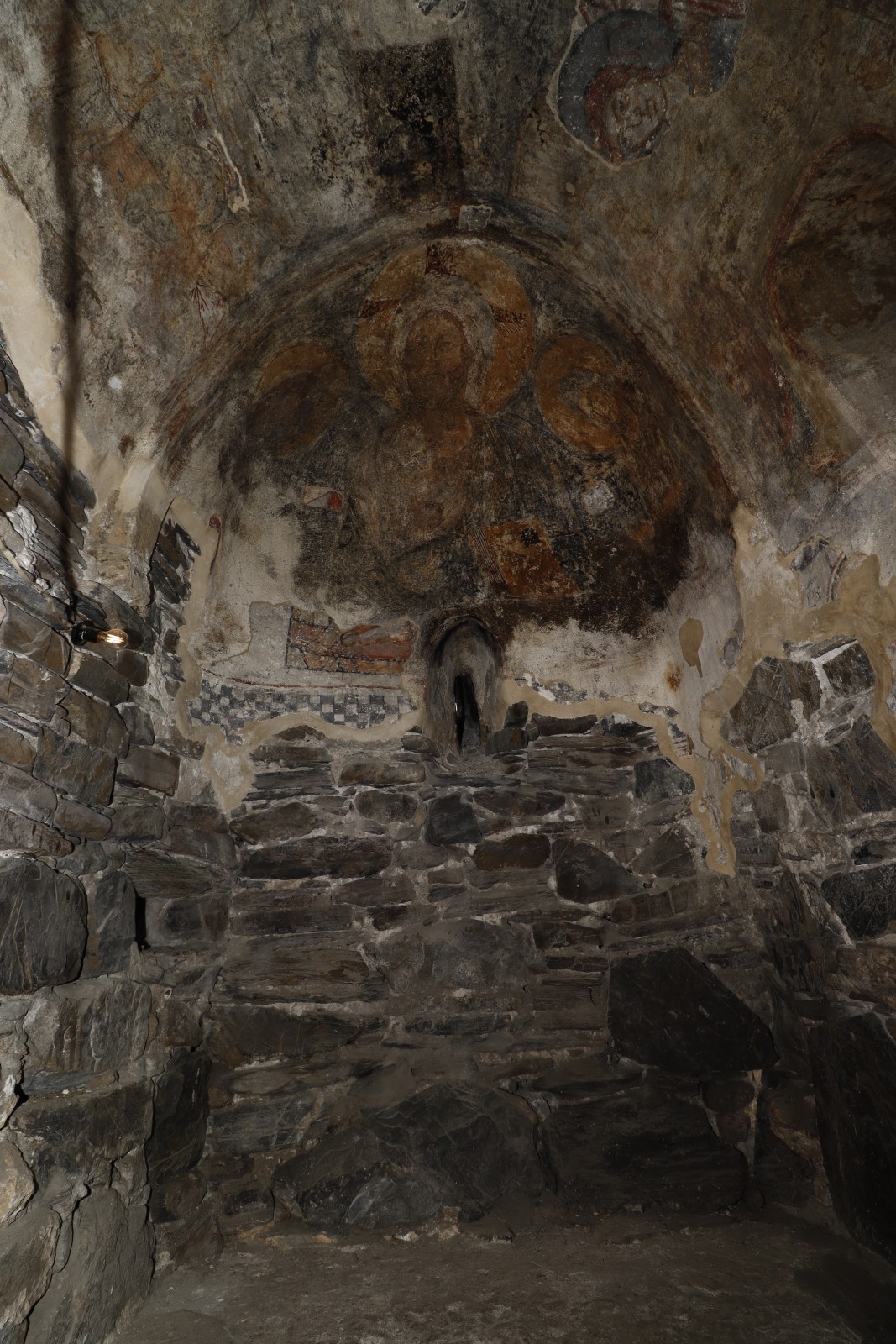
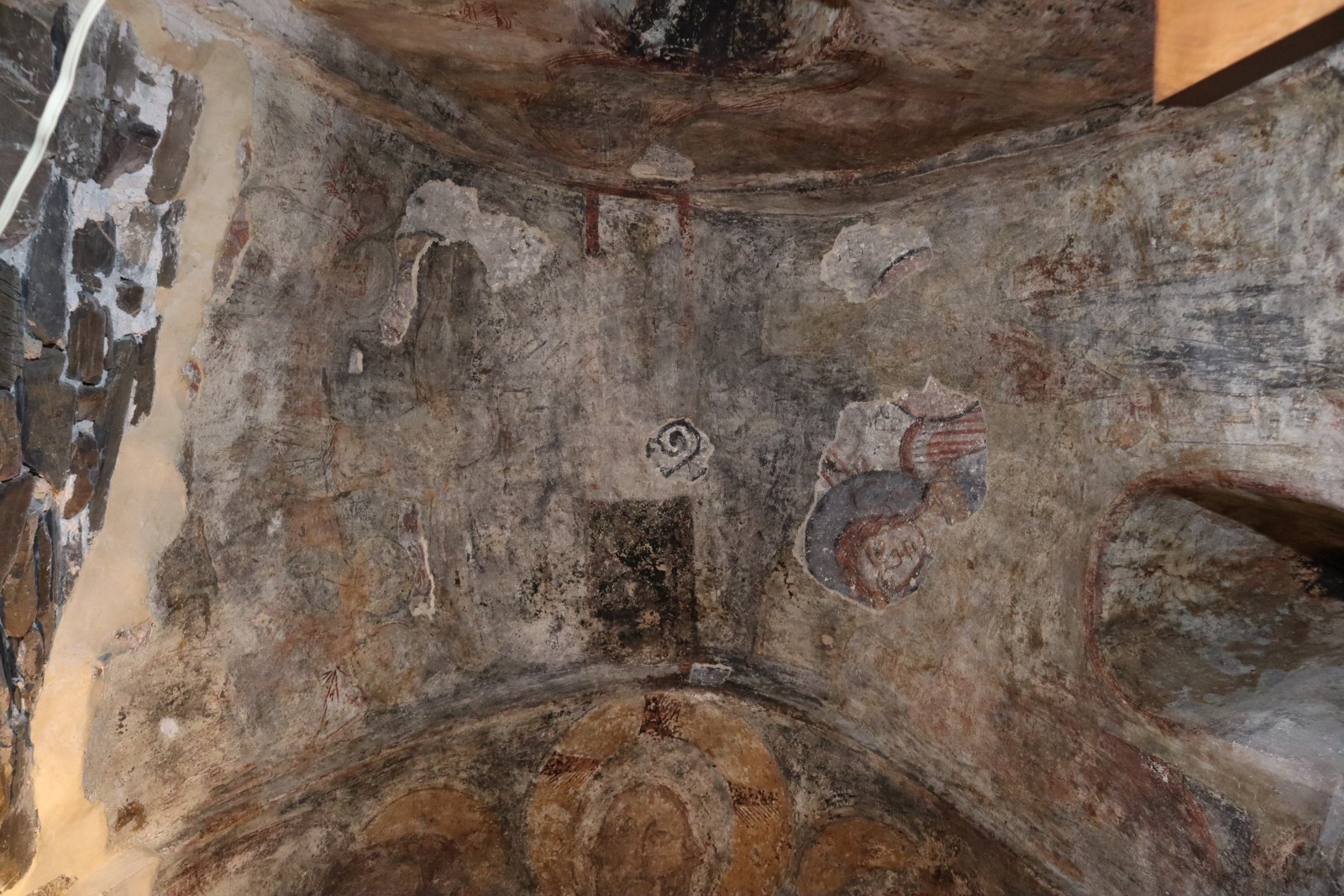
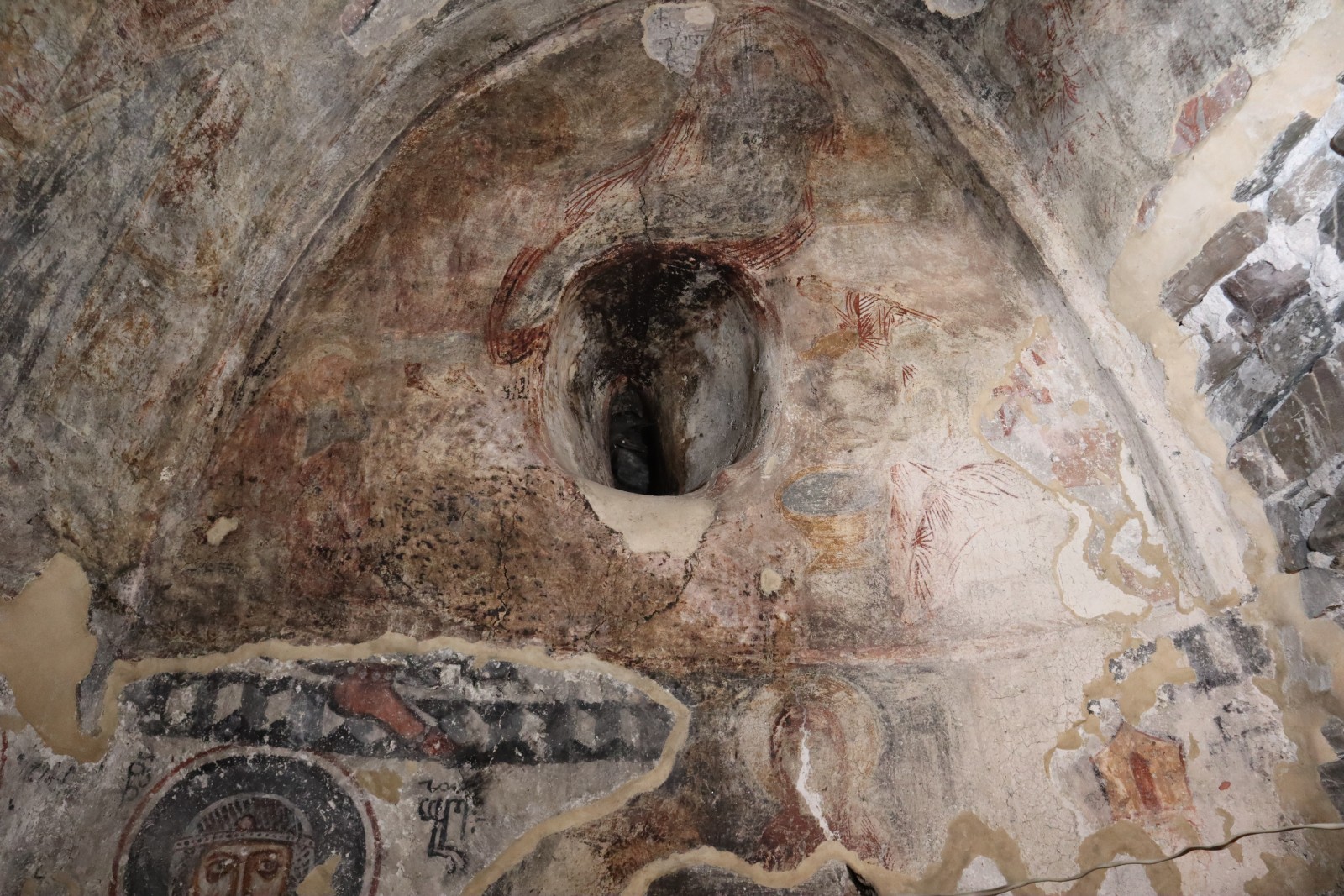
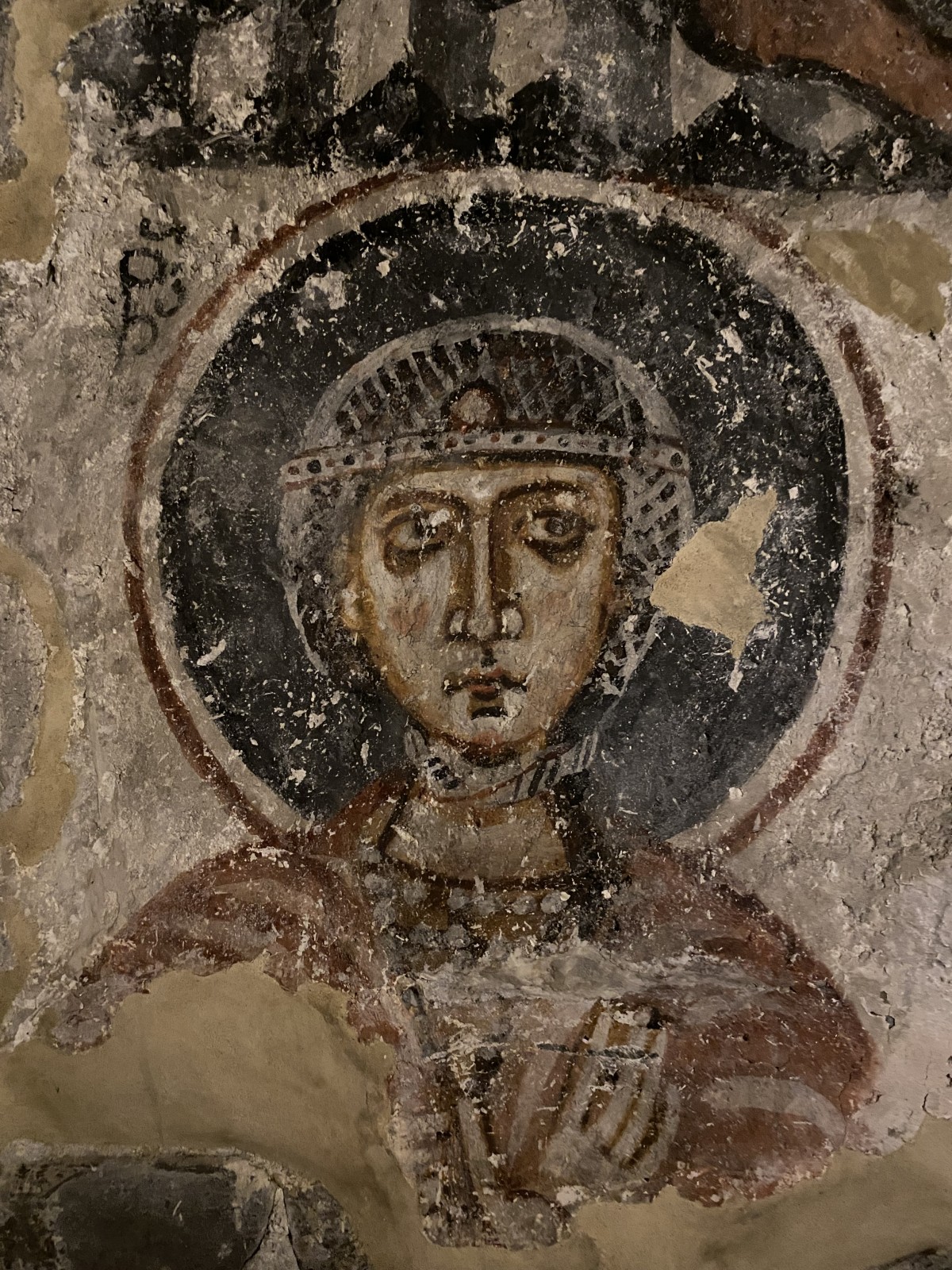
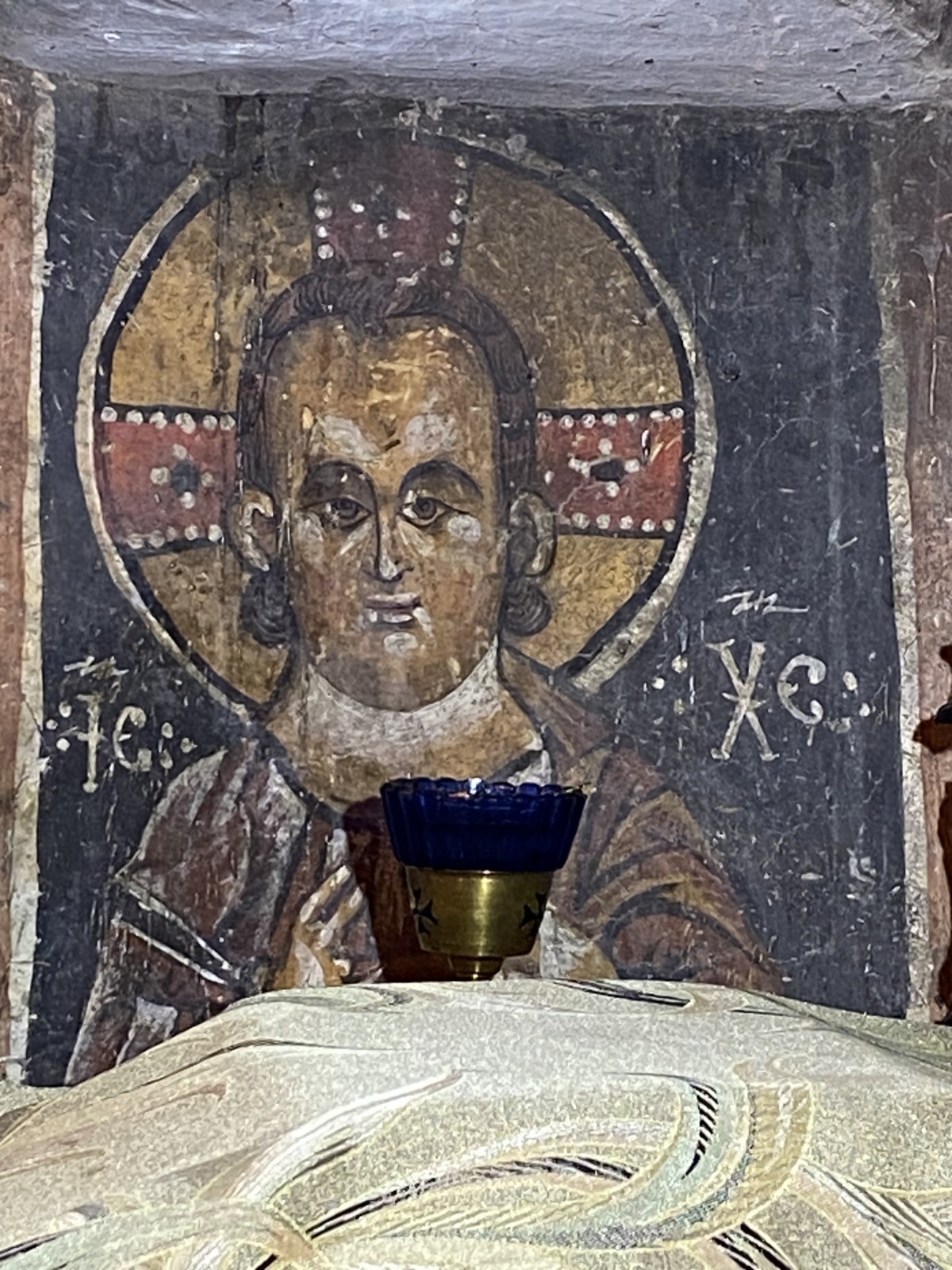
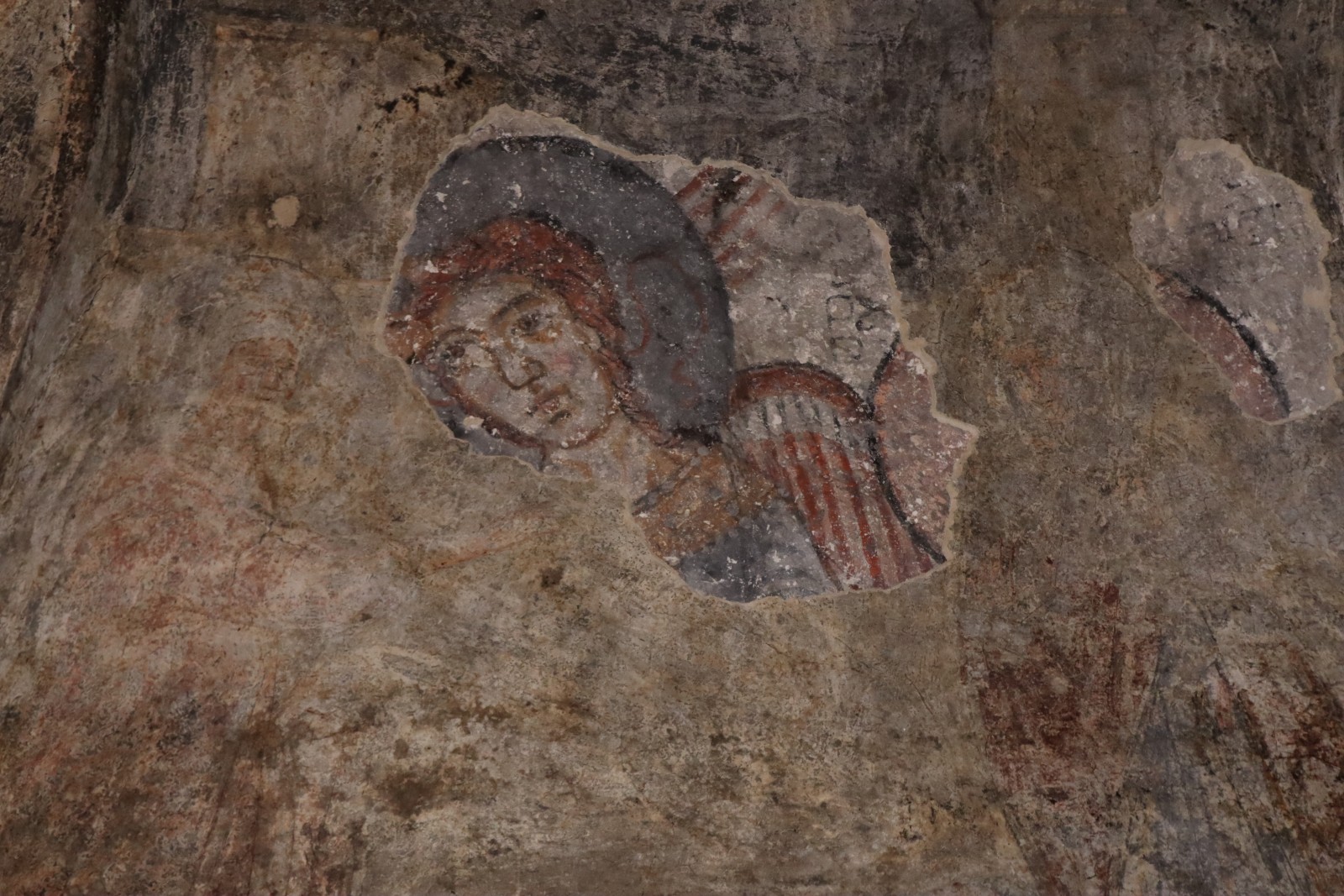
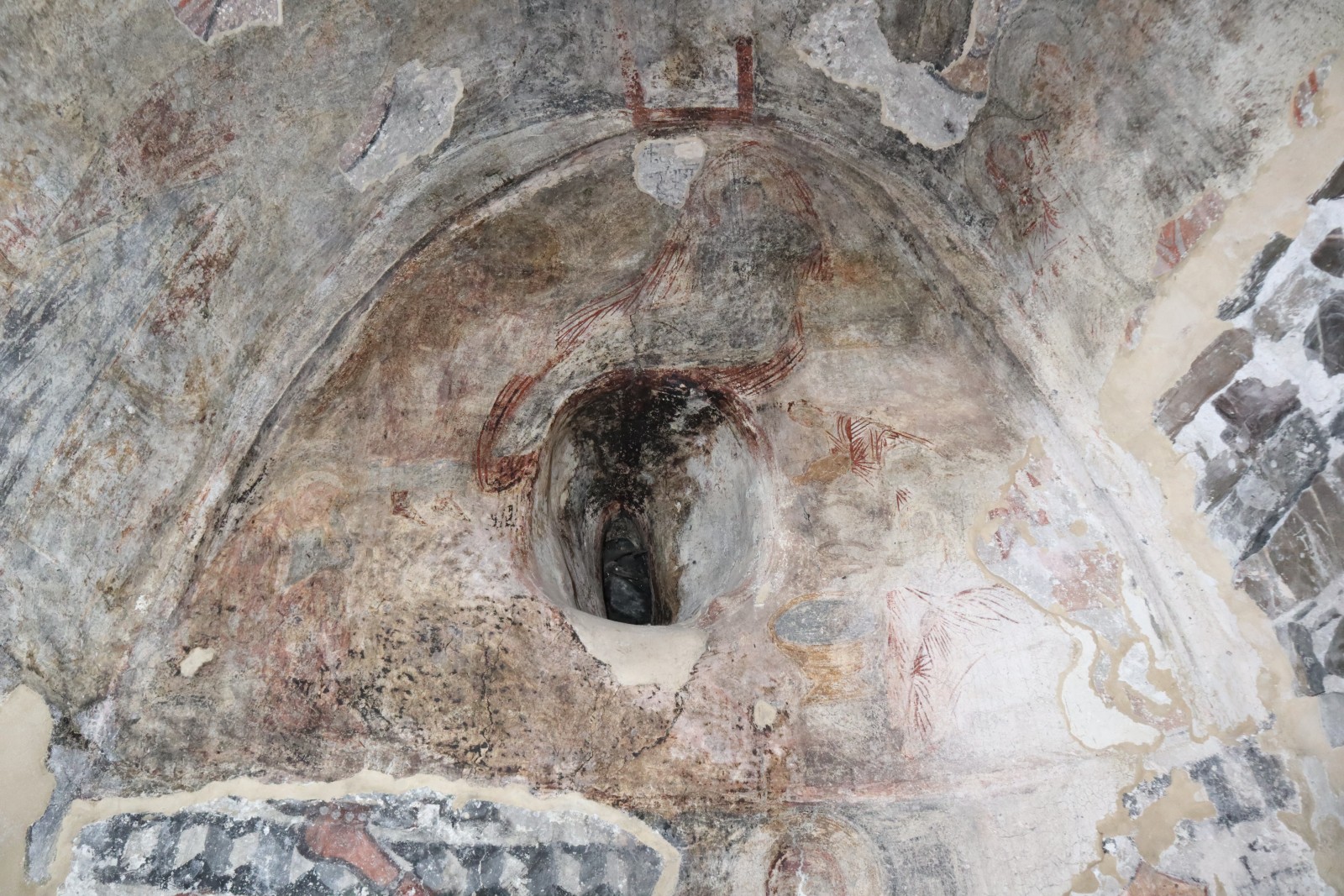
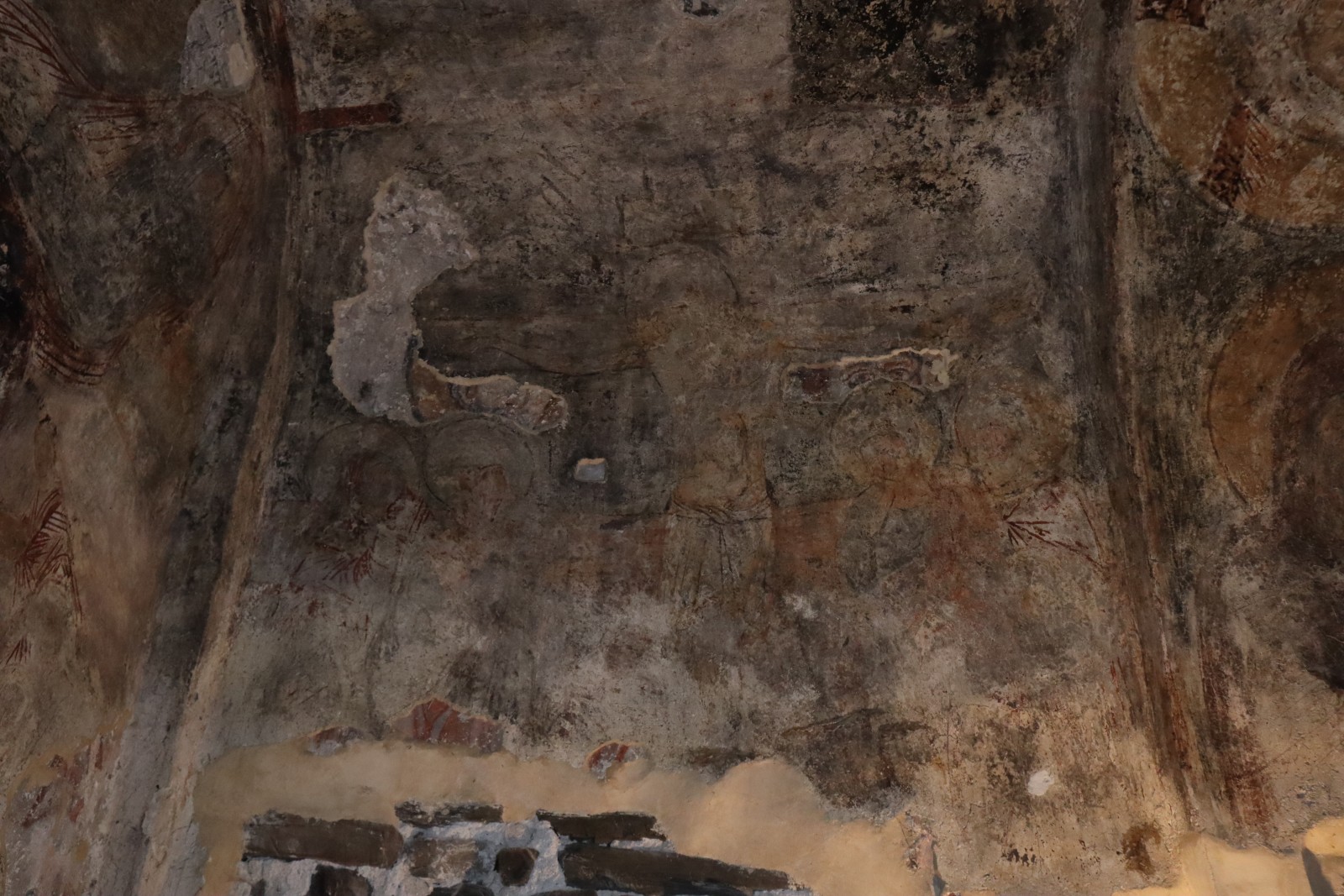
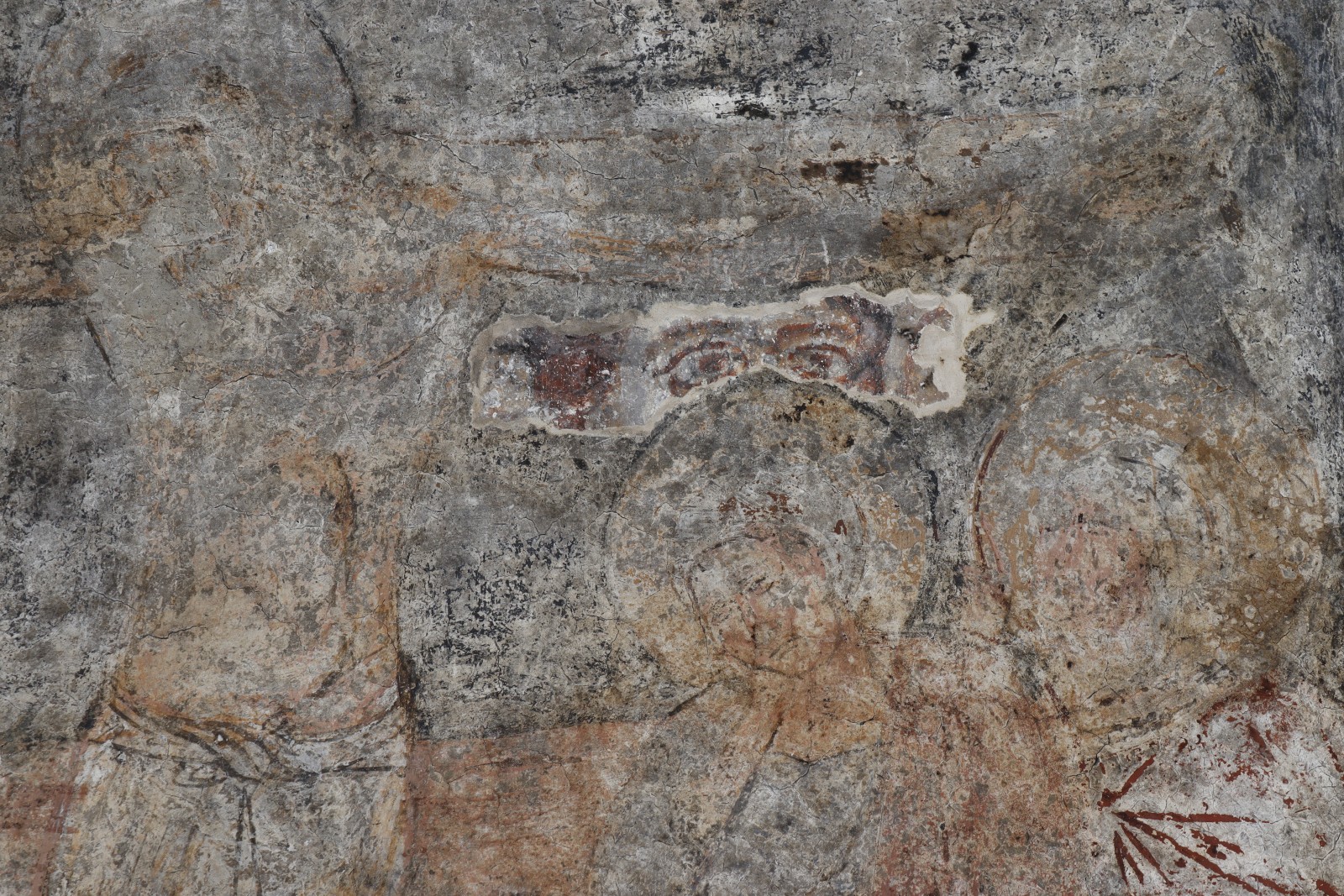
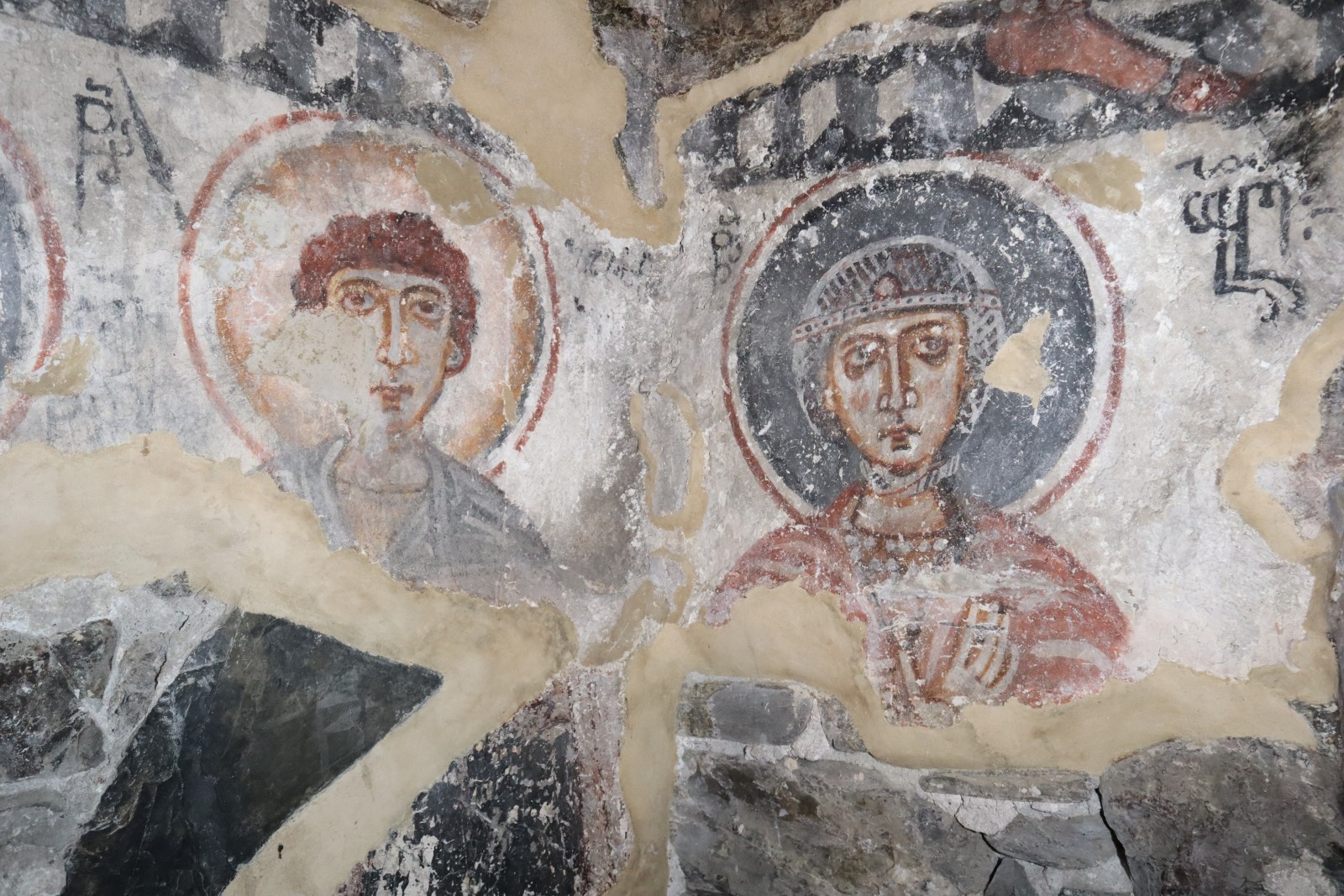
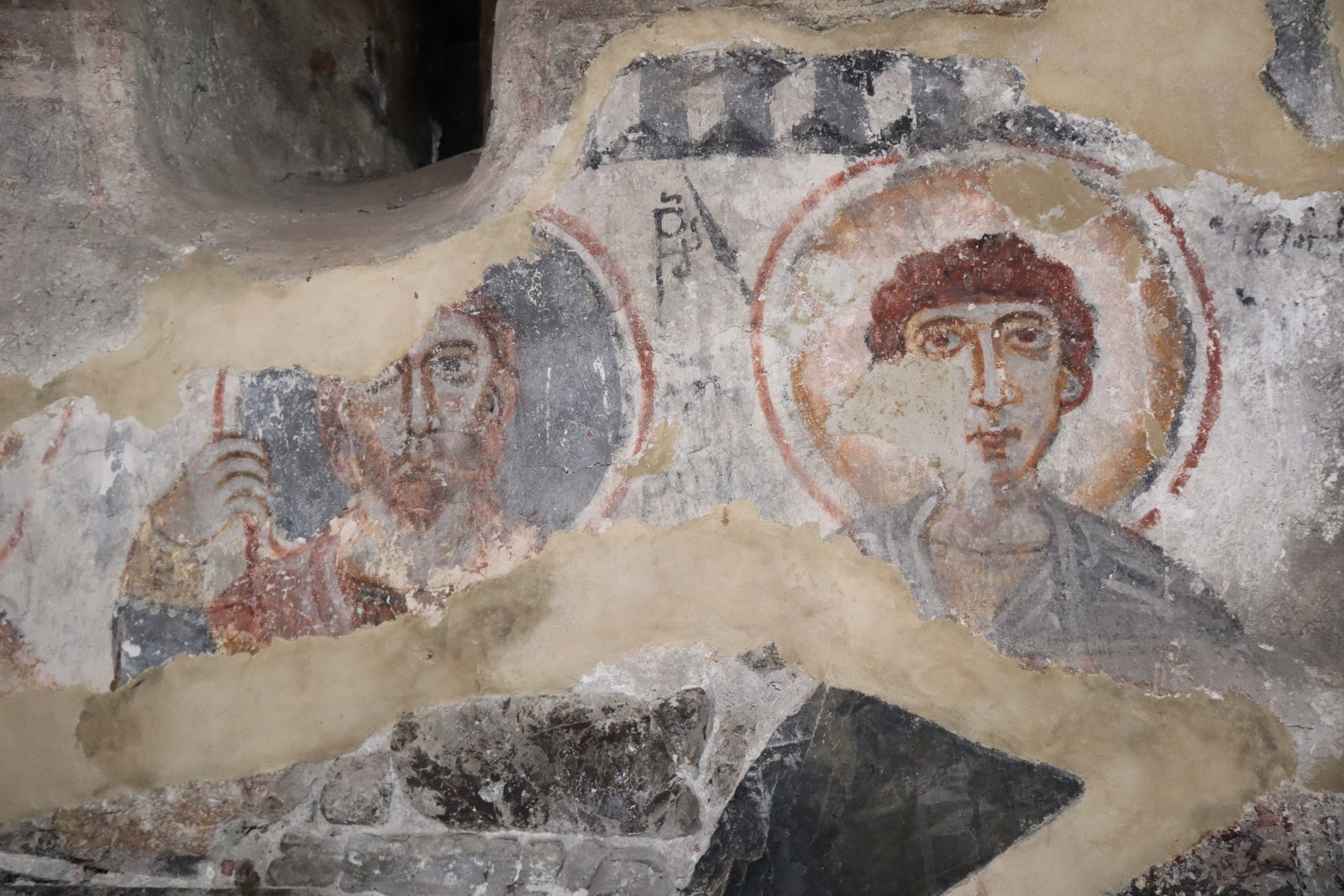
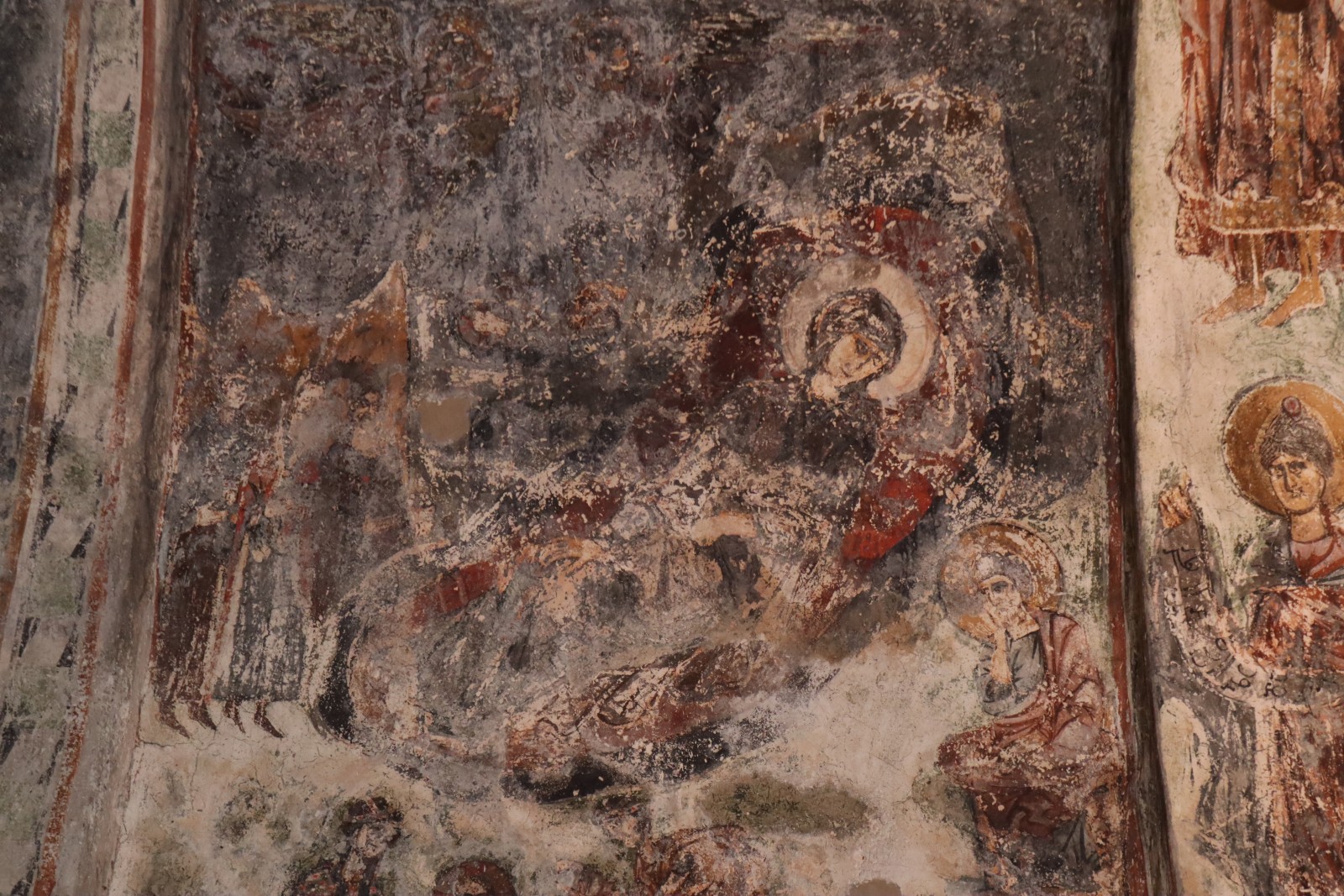
The murals in the Lagami churches reflect the artistic work of several different periods, making the complex particularly remarkable. The oldest paintings are in the lower church:
The first layer dates to the early 11th century.
The second layer - to the second half of the 12th century.
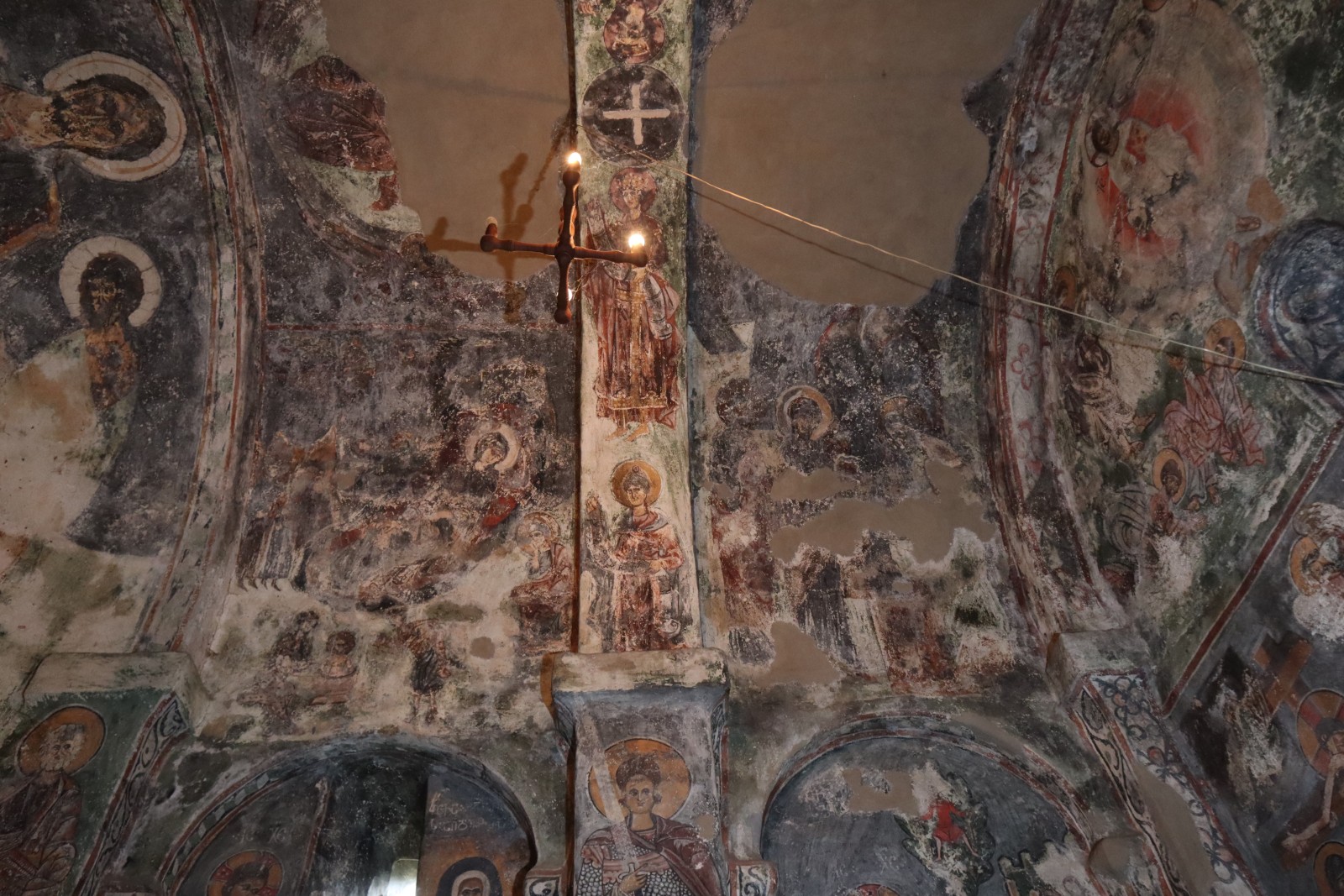
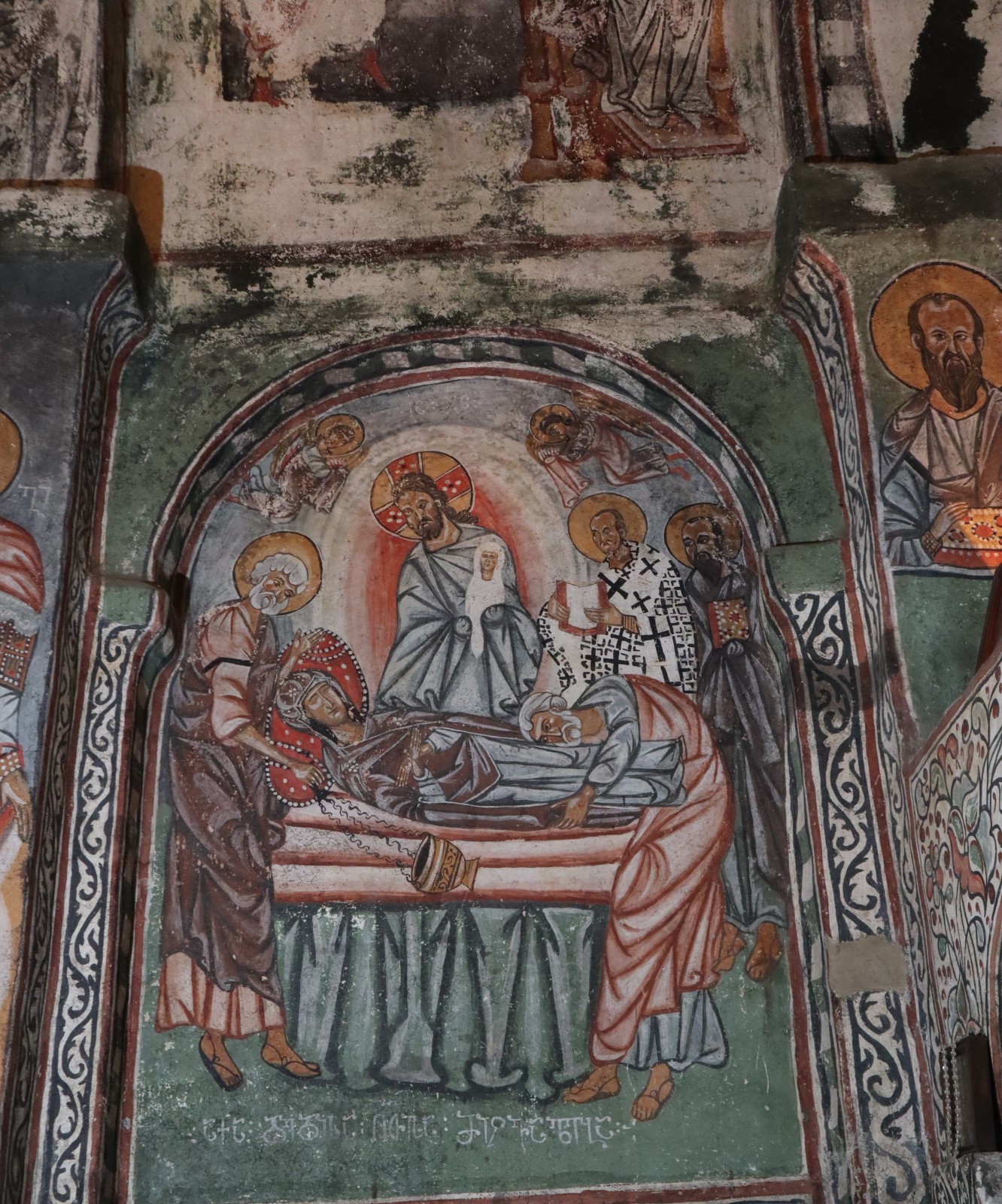
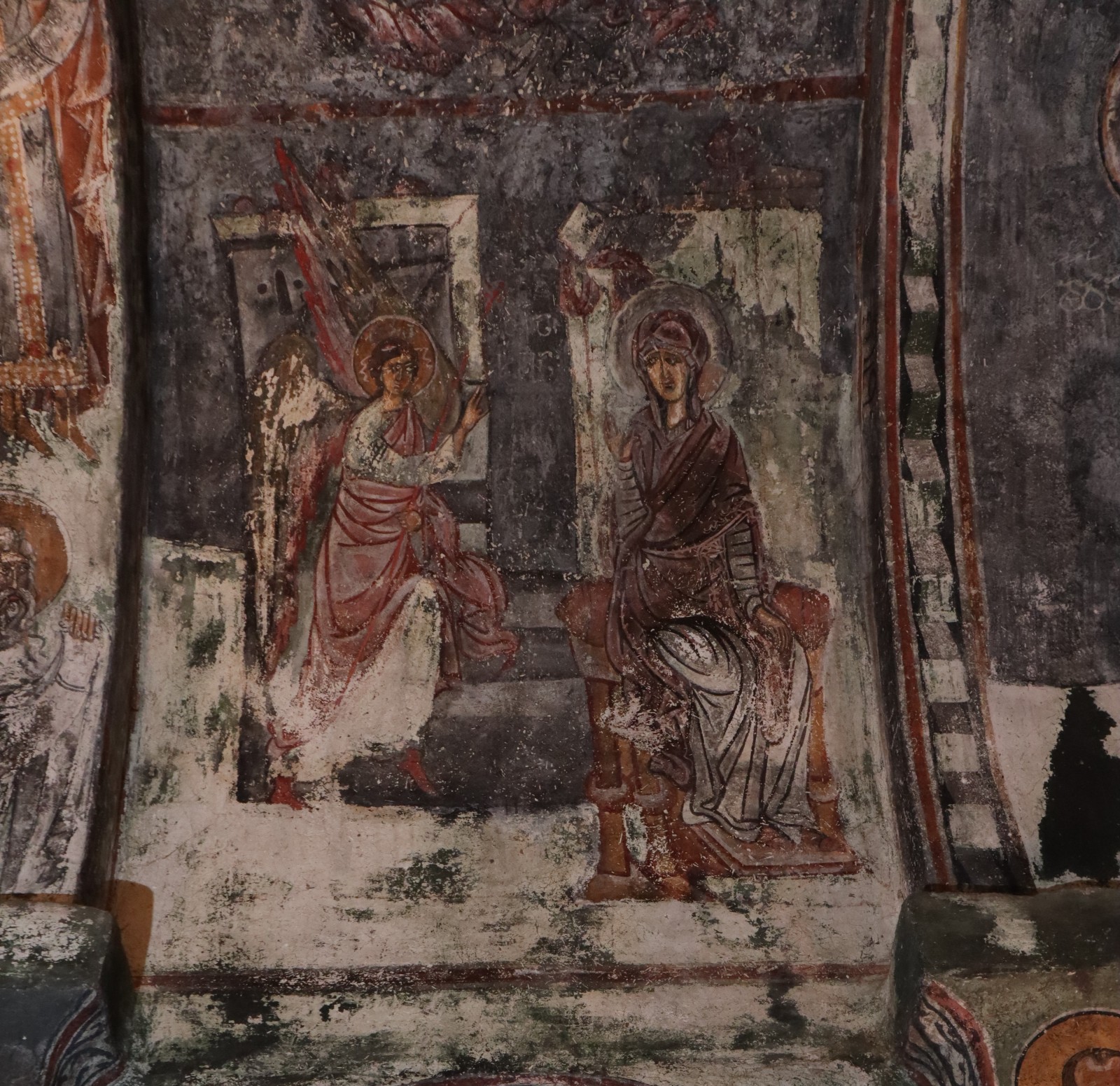
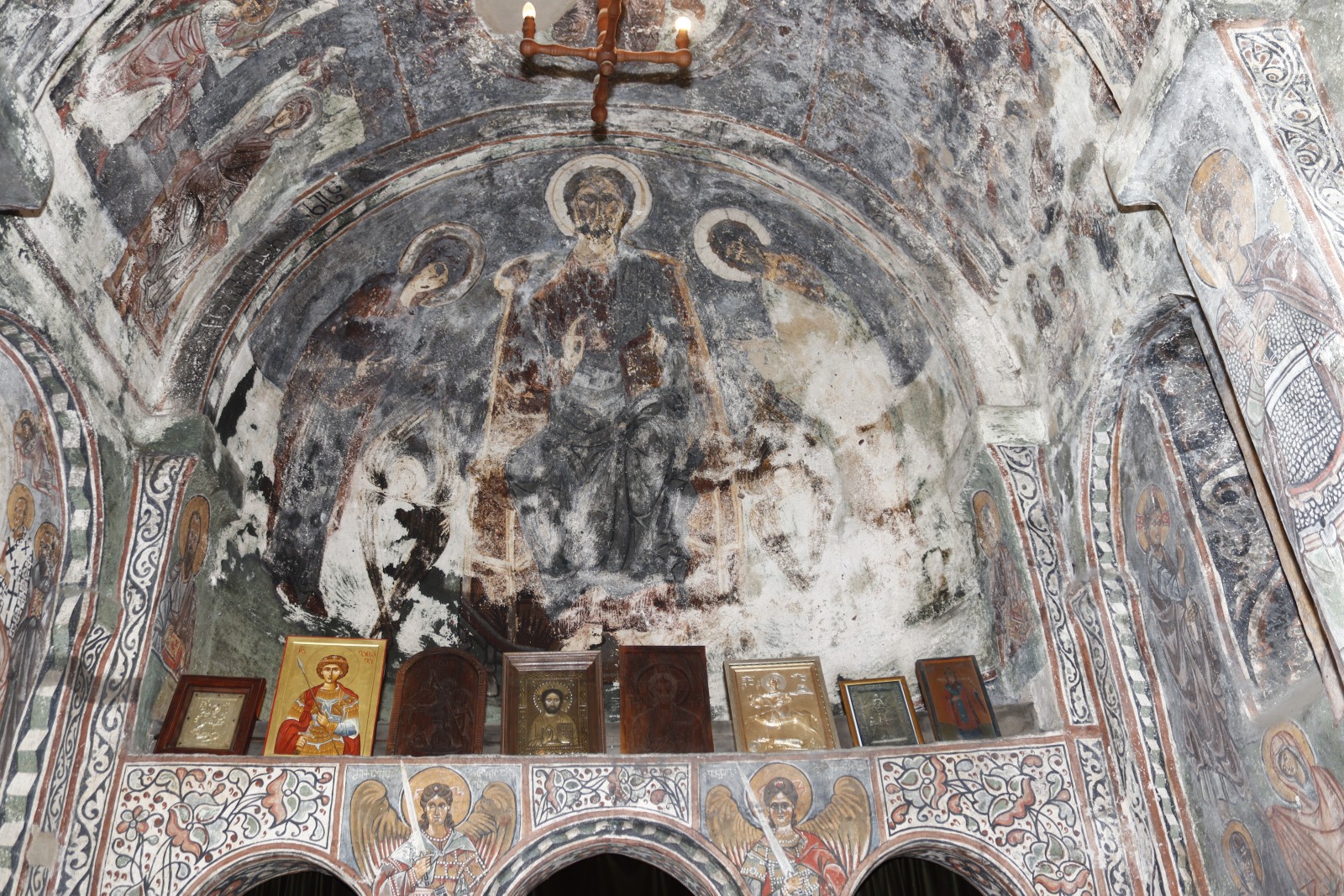
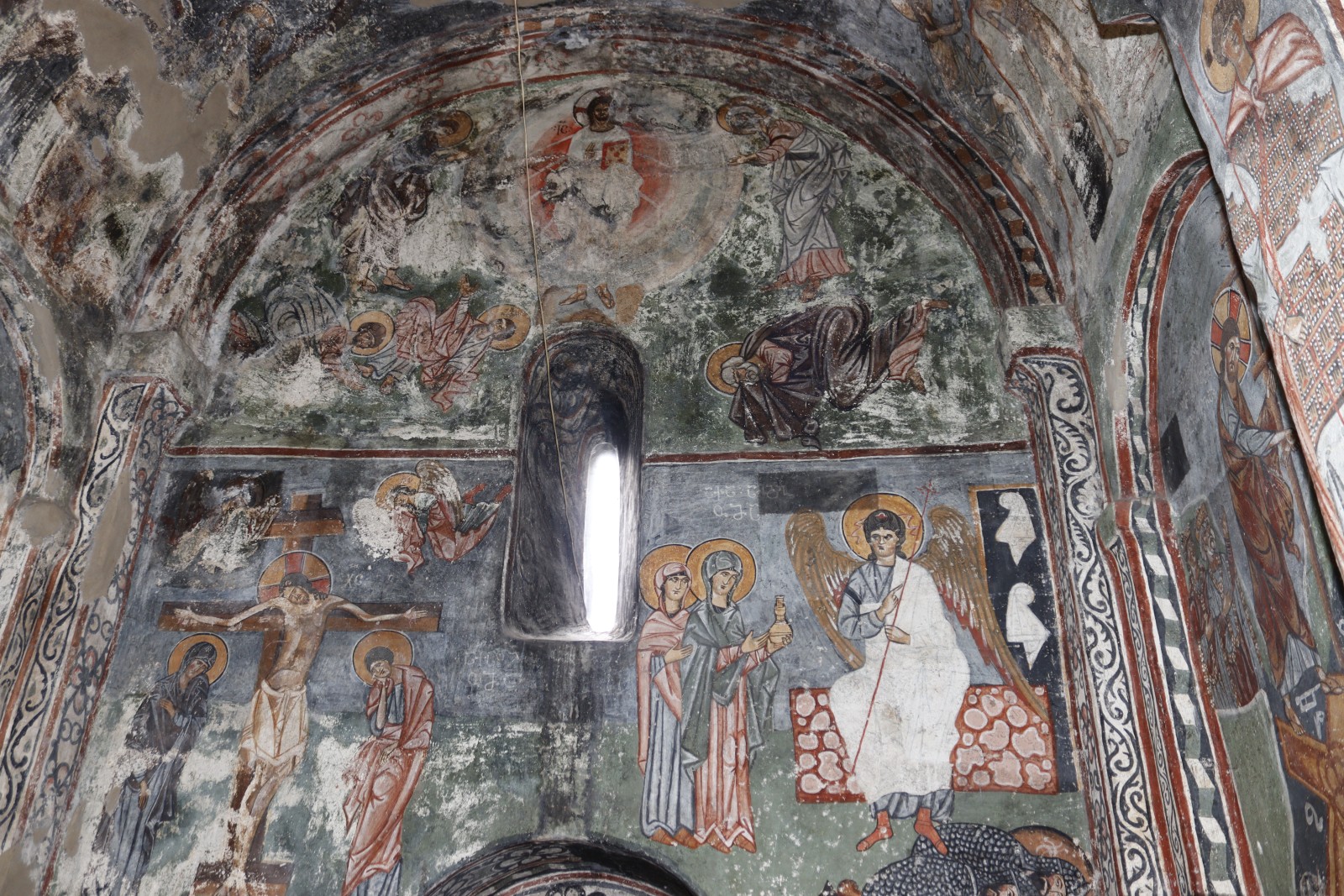
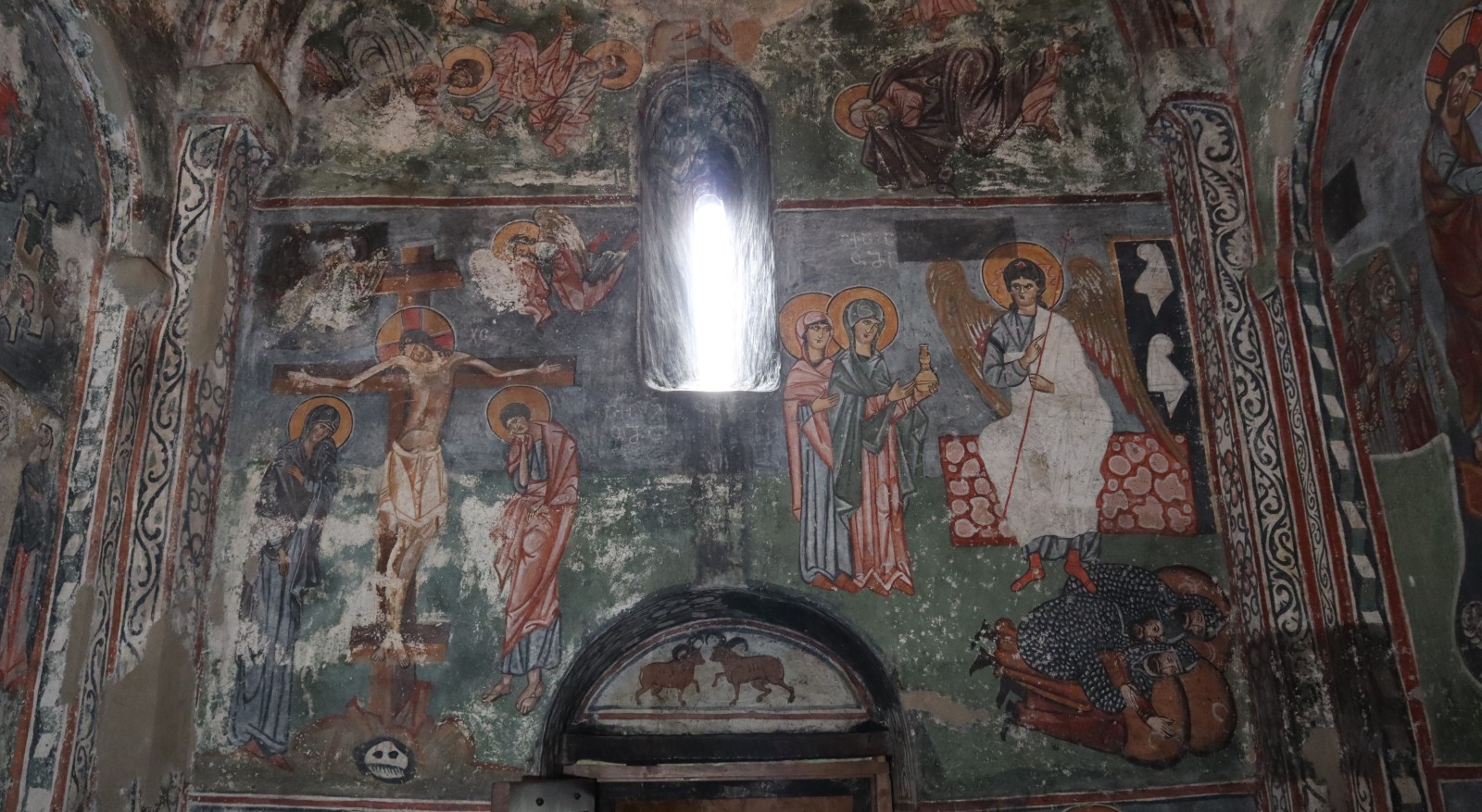
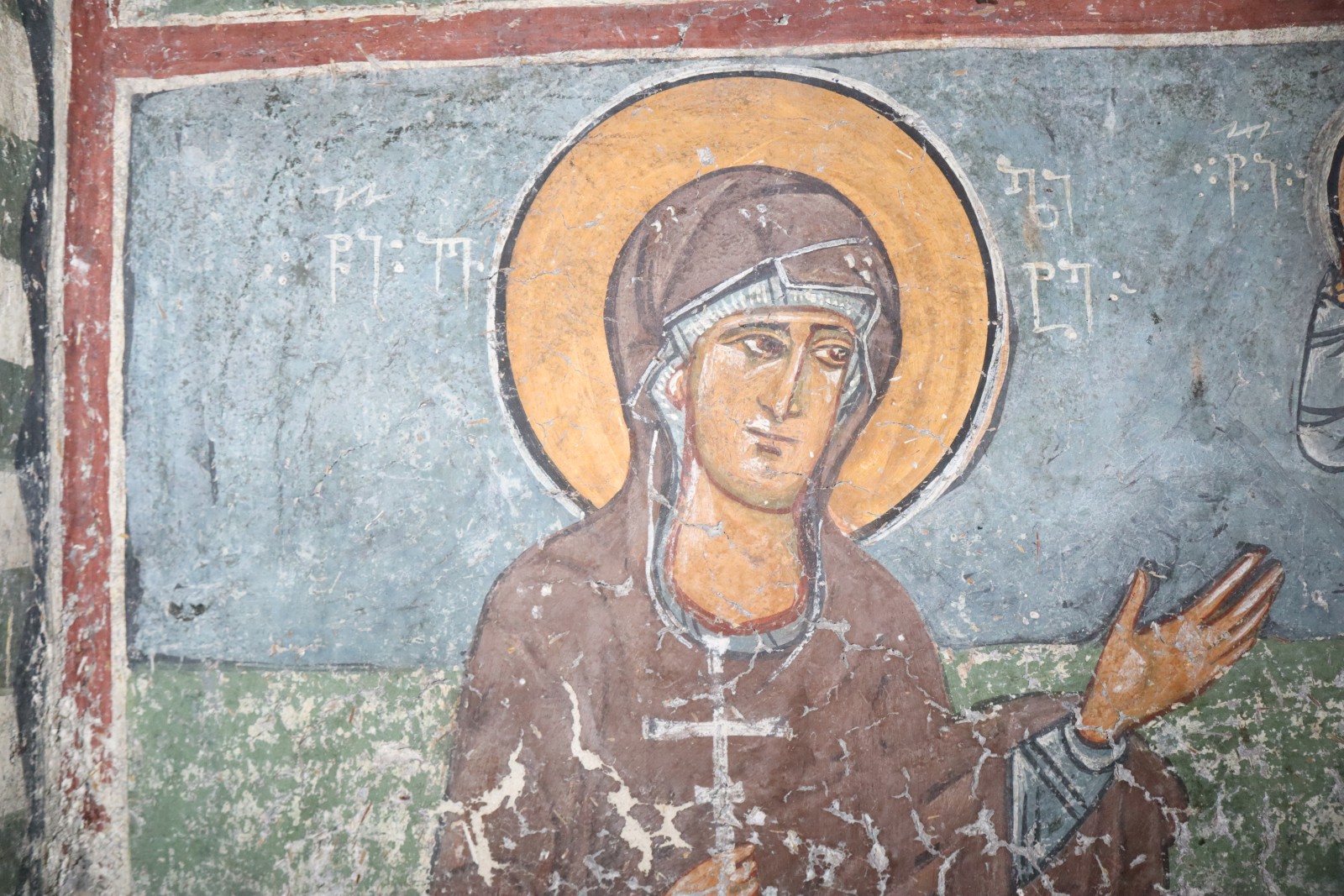
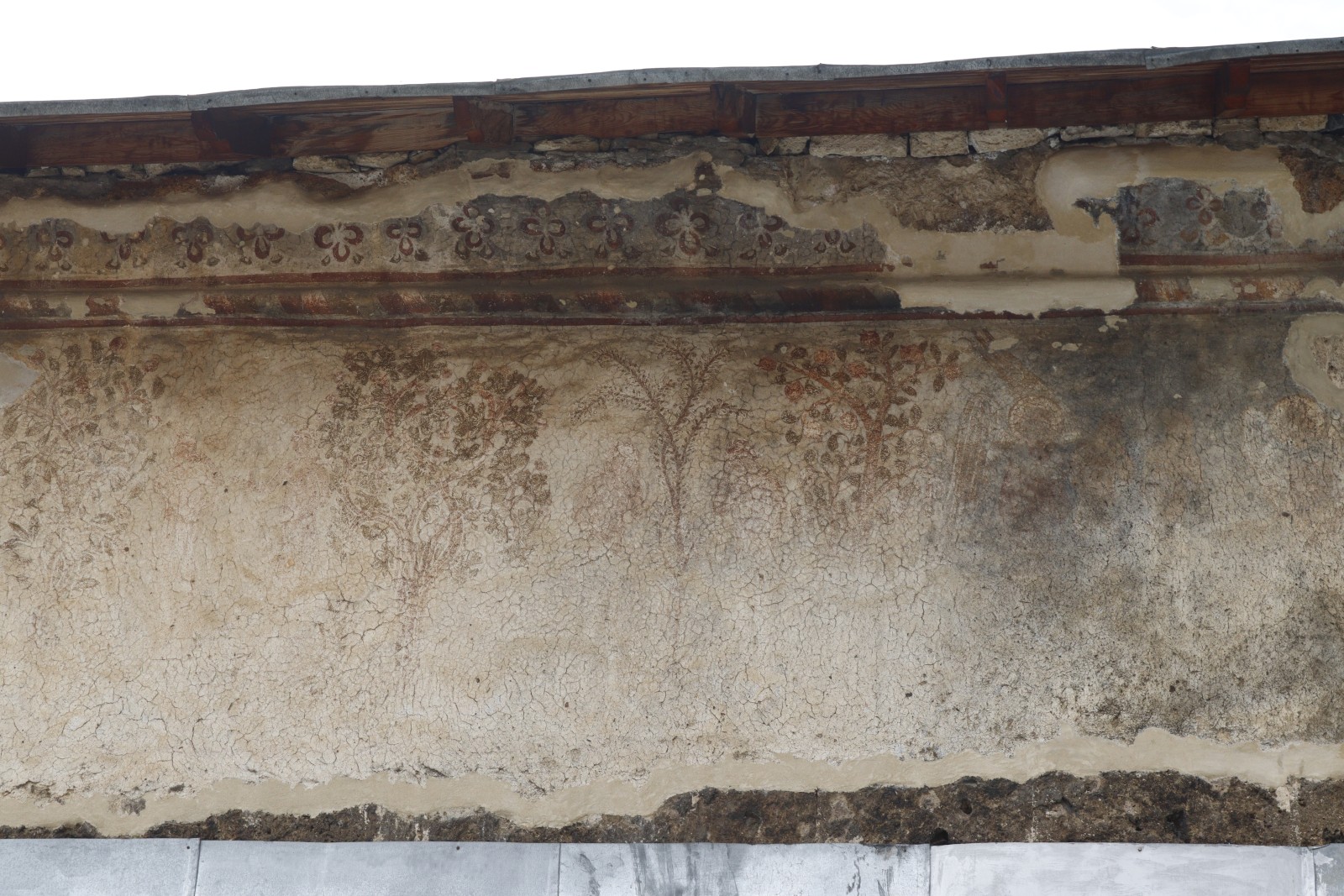
The interior and façades of the upper church were painted in the mid-14th century.
These murals represent three key stages in the development of the Svaneti school of wall painting. The first layer murals in the lower church shows a culmination of the creative efforts characteristic of early Svaneti wall painting. They demonstrate a well-developed system for fully decorating church interiors, alongside refined artistic techniques. Some elements also reveal links with early 11th-century murals from Tao-Klarjeti.
The second layer of the lower church’s murals is considered an important example of the artistic circle of Mikel Maghlakeli, a renowned Georgian artist. Despite being in poor condition, the paintings still clearly convey its artistic value and demonstrate the painter’s professional skill, particularly in adapting and evolving the principles and approaches associated with this artistic circle.
The interior and façades murals of the upper church are a significant example of Svaneti’s so-called Palaeologan painting, reflecting a rare case when both interior and exterior spaces are unified into a coherent conceptual and artistic ensemble. In addition to traditional subjects, the façade painting includes depictions of the Fall of Adam and Eve, which is unprecedented in medieval Georgian mural painting.
Both the interior and façade murals of the upper church were created by the same two artists. Despite severe damage — especially on the façades—the paintings remain impressive. Their coloristic composition, tonal richness, use of contrasting color accents, emotionally expressive figures, and soft modeling all contribute to their artistic value. The large number of female martyrs depicted also sets this program apart from other contemporary or earlier mural ensembles in Upper Svaneti.
| Location | The church is located in the center of the historic village of Lagami in Mestia, the regional center of Upper Svaneti, which offers a wide variety of cultural attractions, including the Svaneti Museum of History and Ethnography with its unique collection of Christian treasures crafted by local artisans |
| Key Holder | The key is kept with Rezo Khojelani |