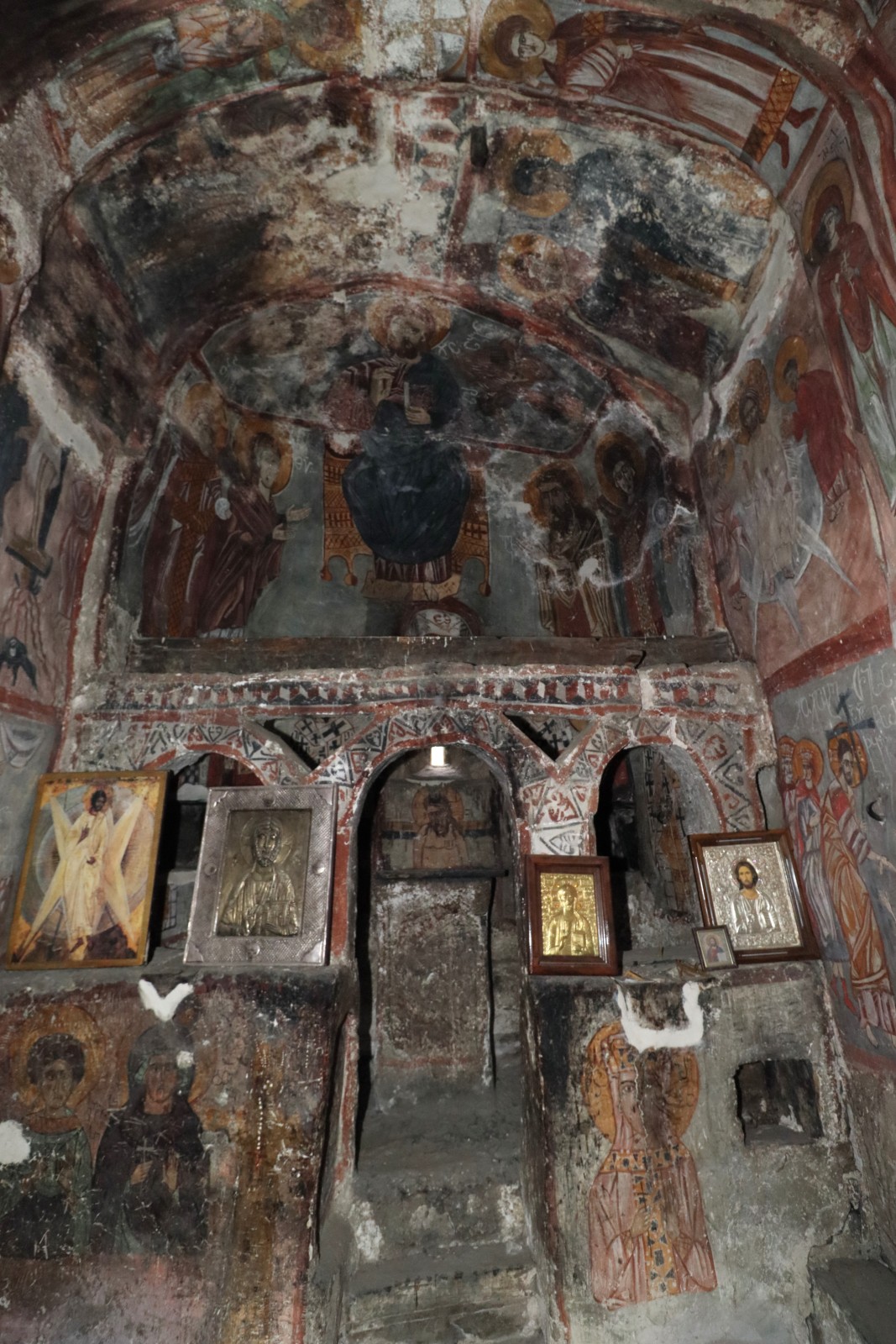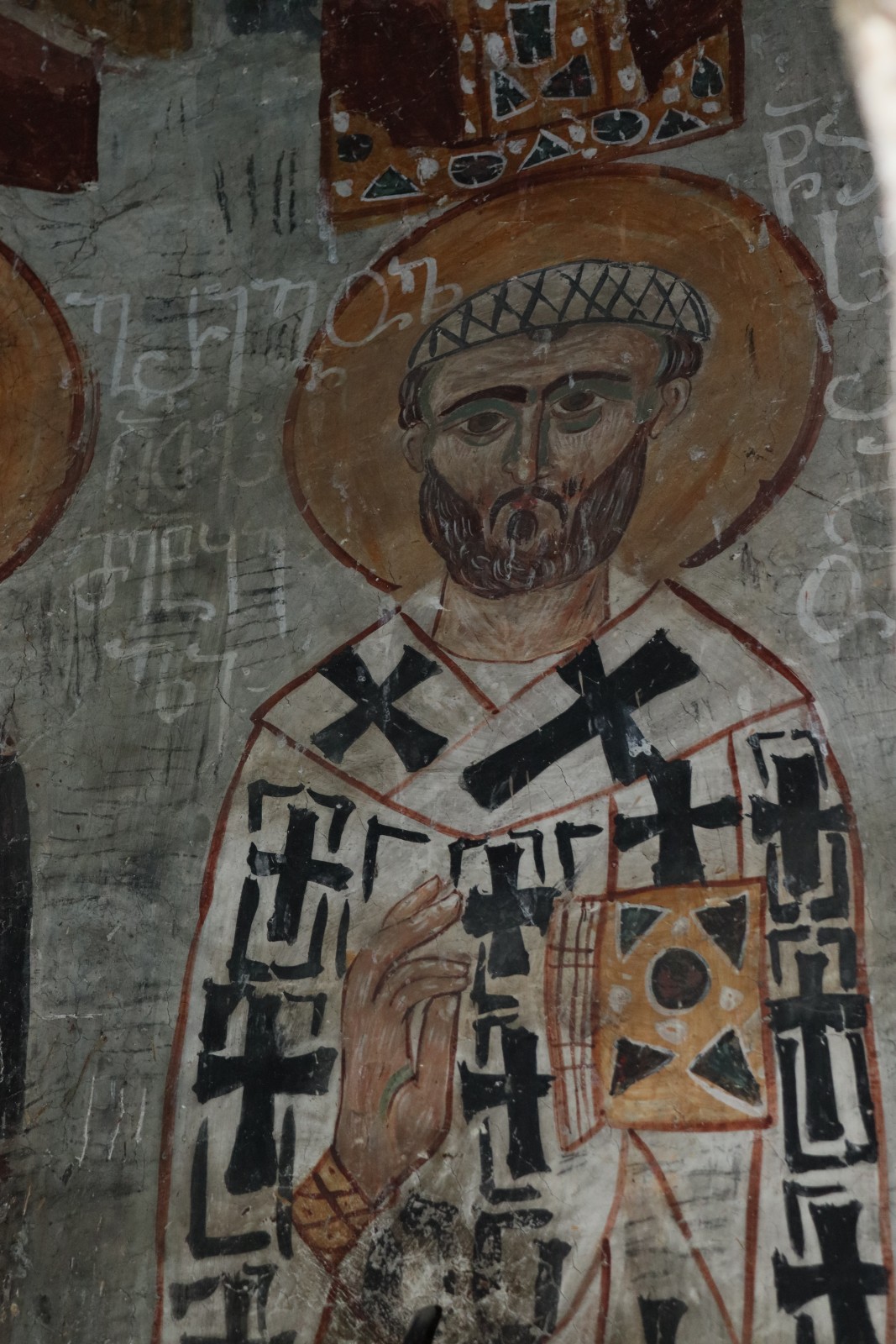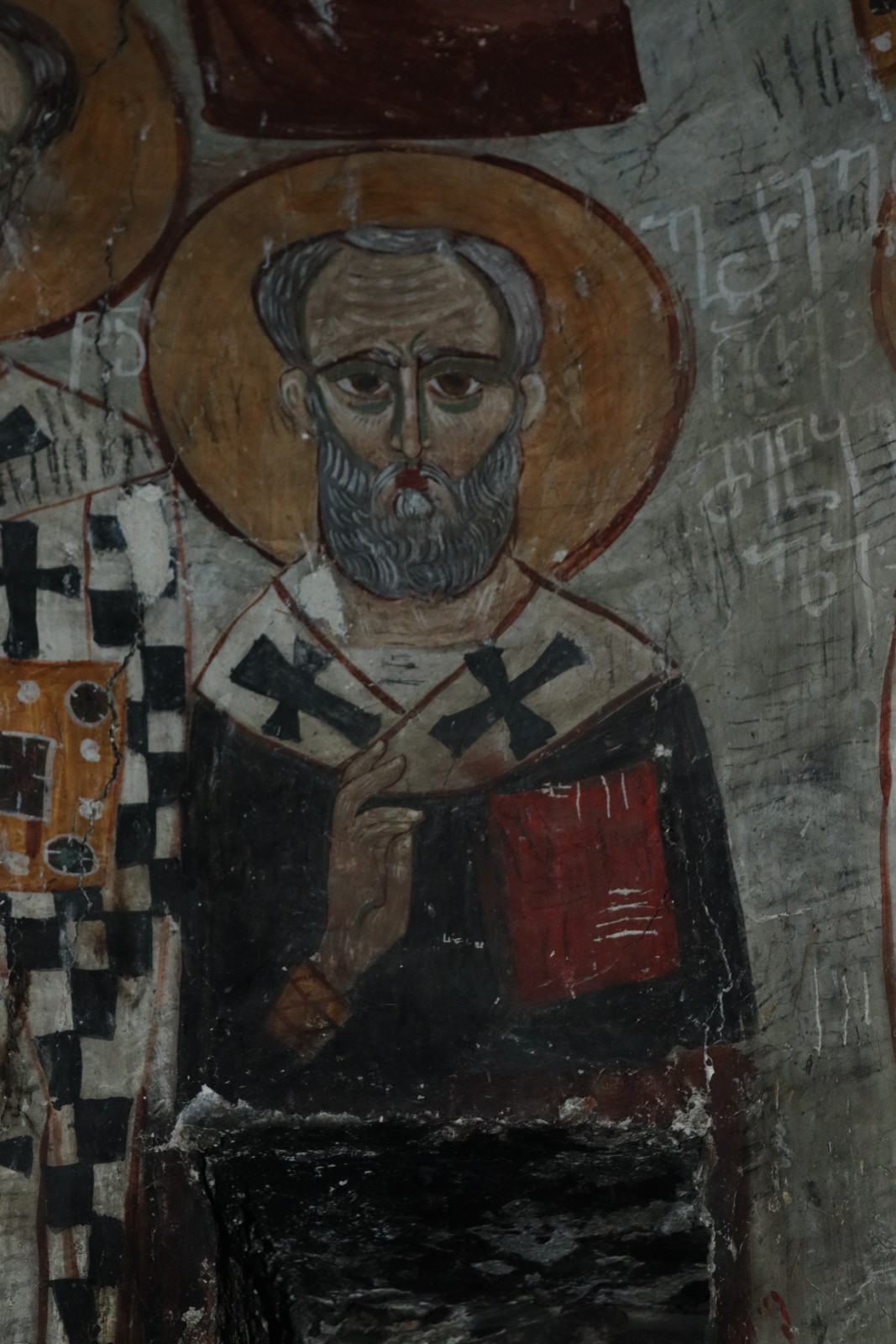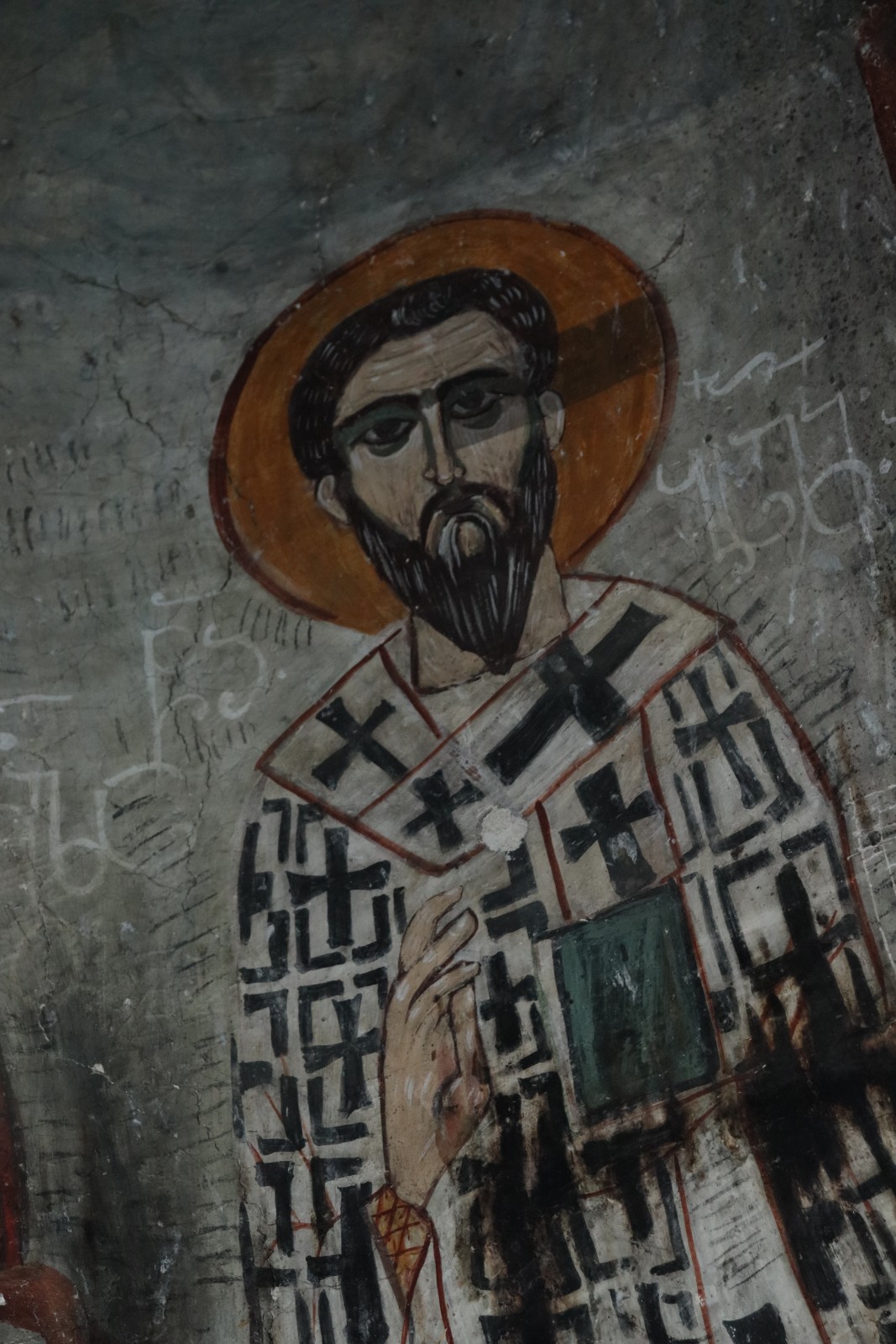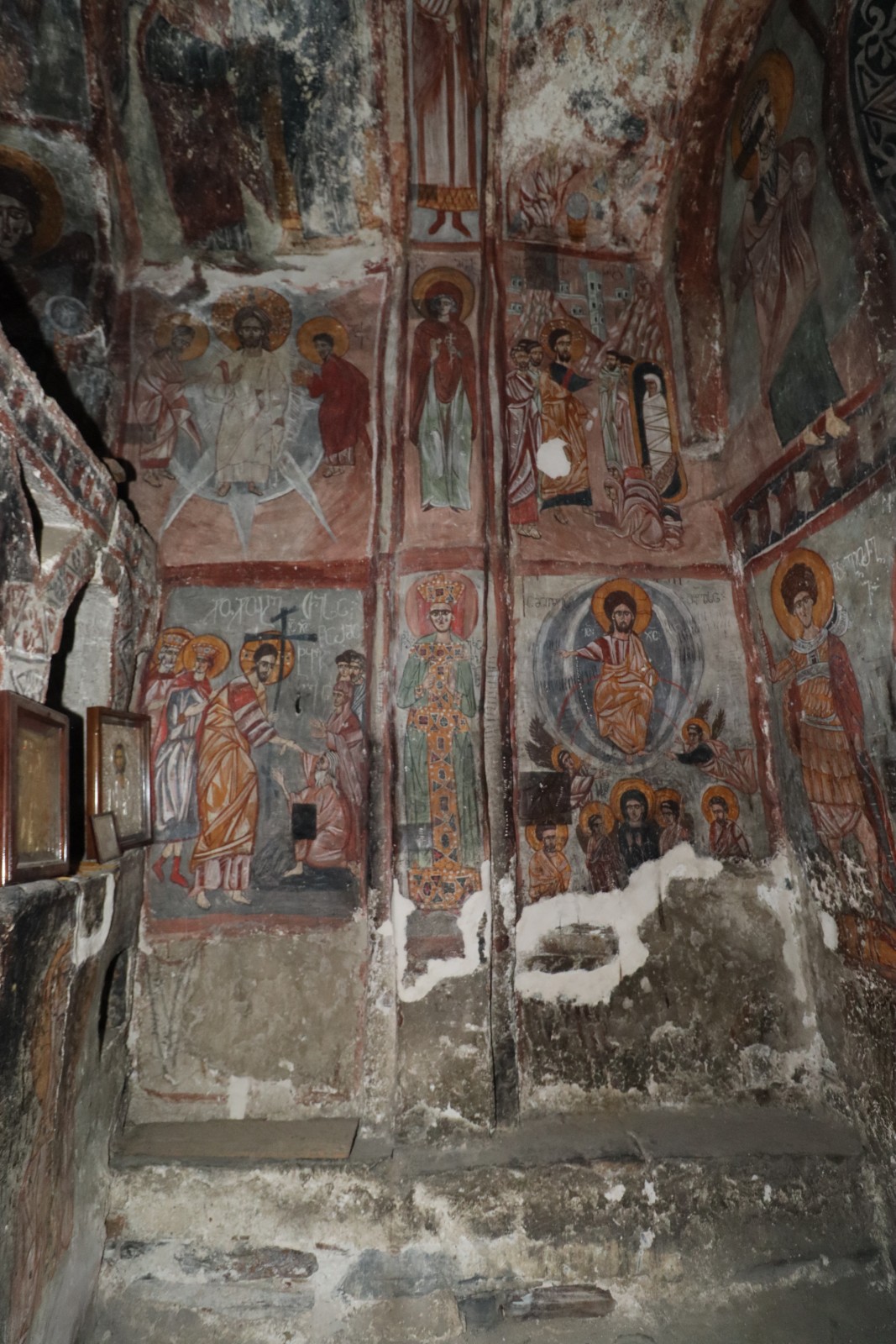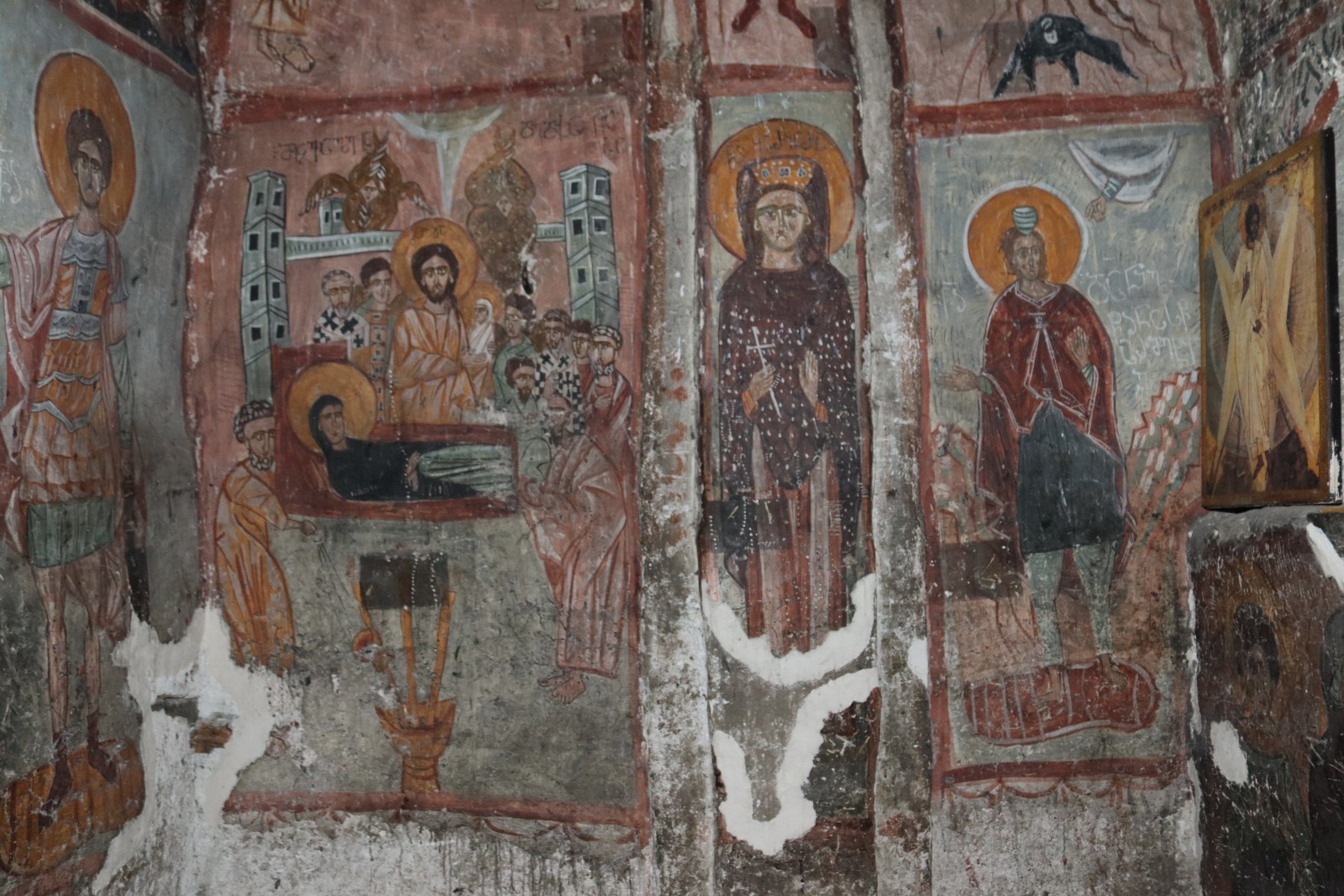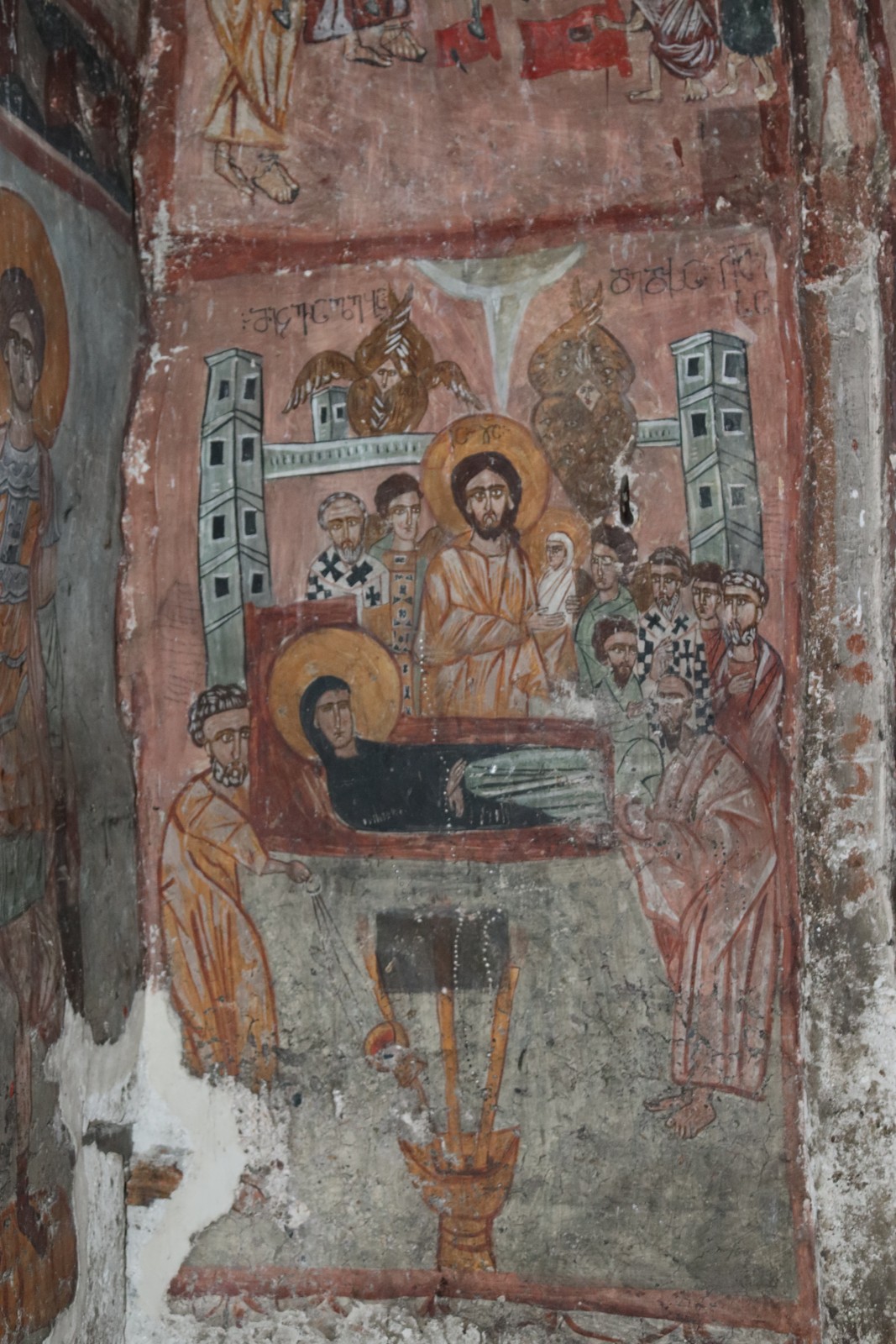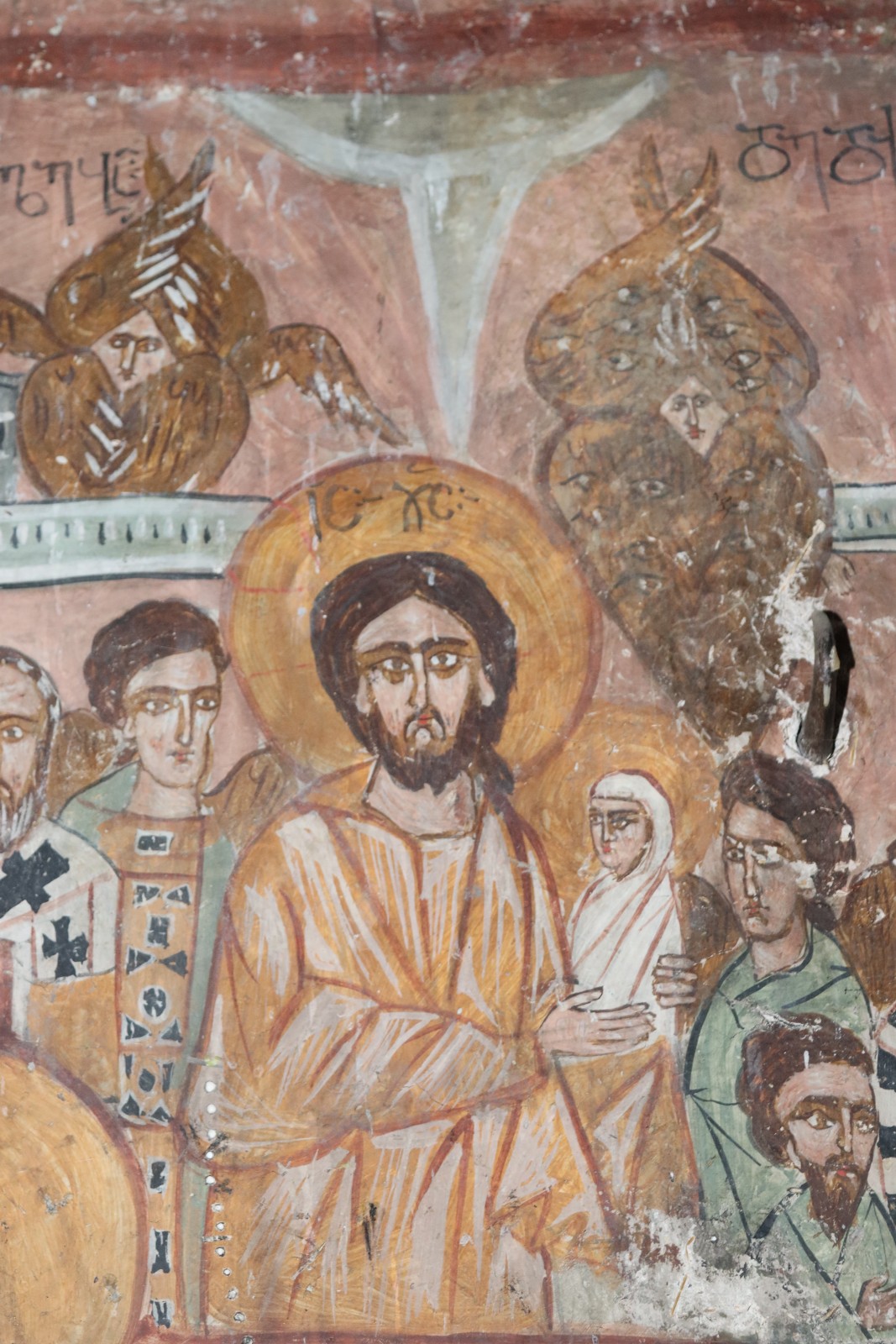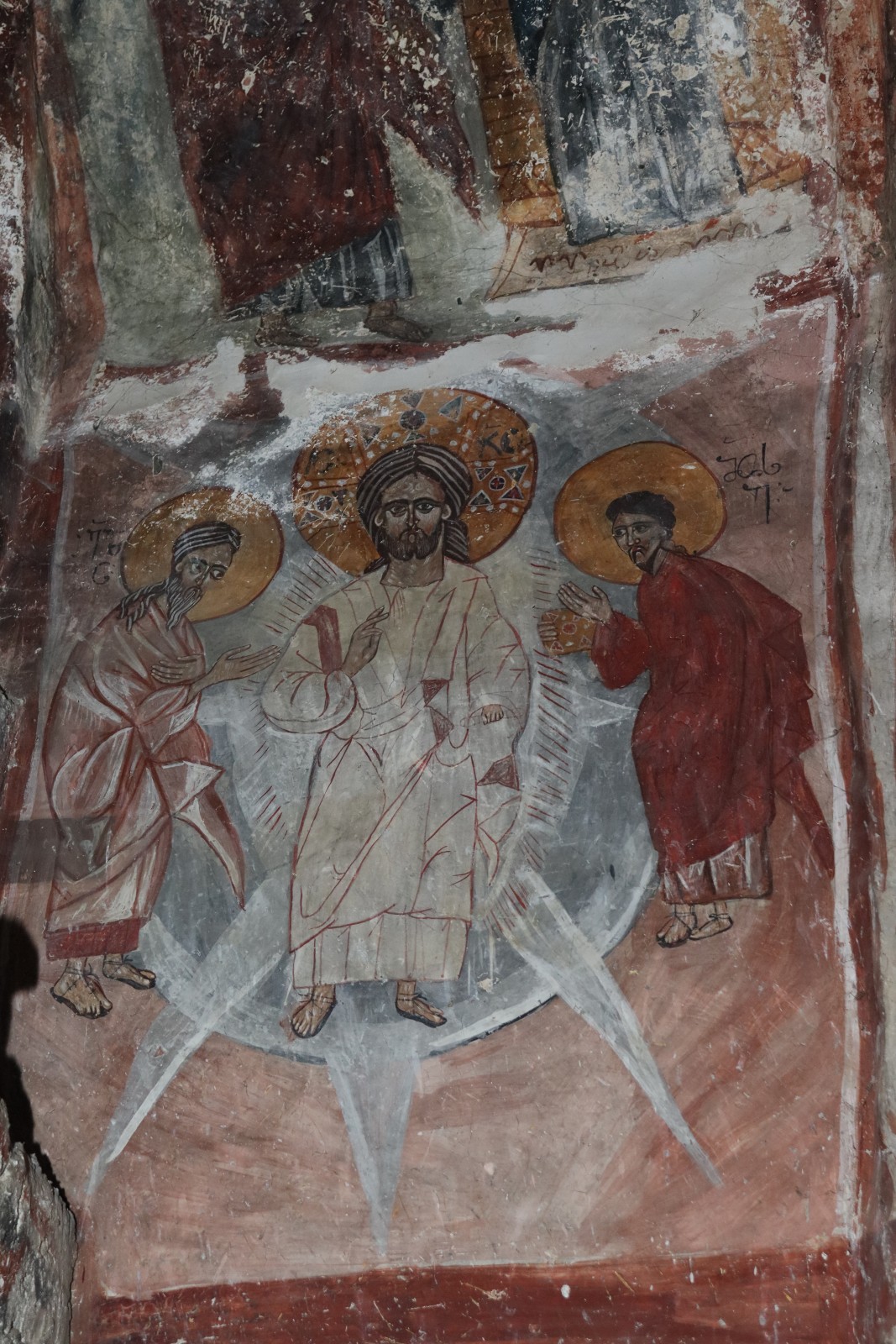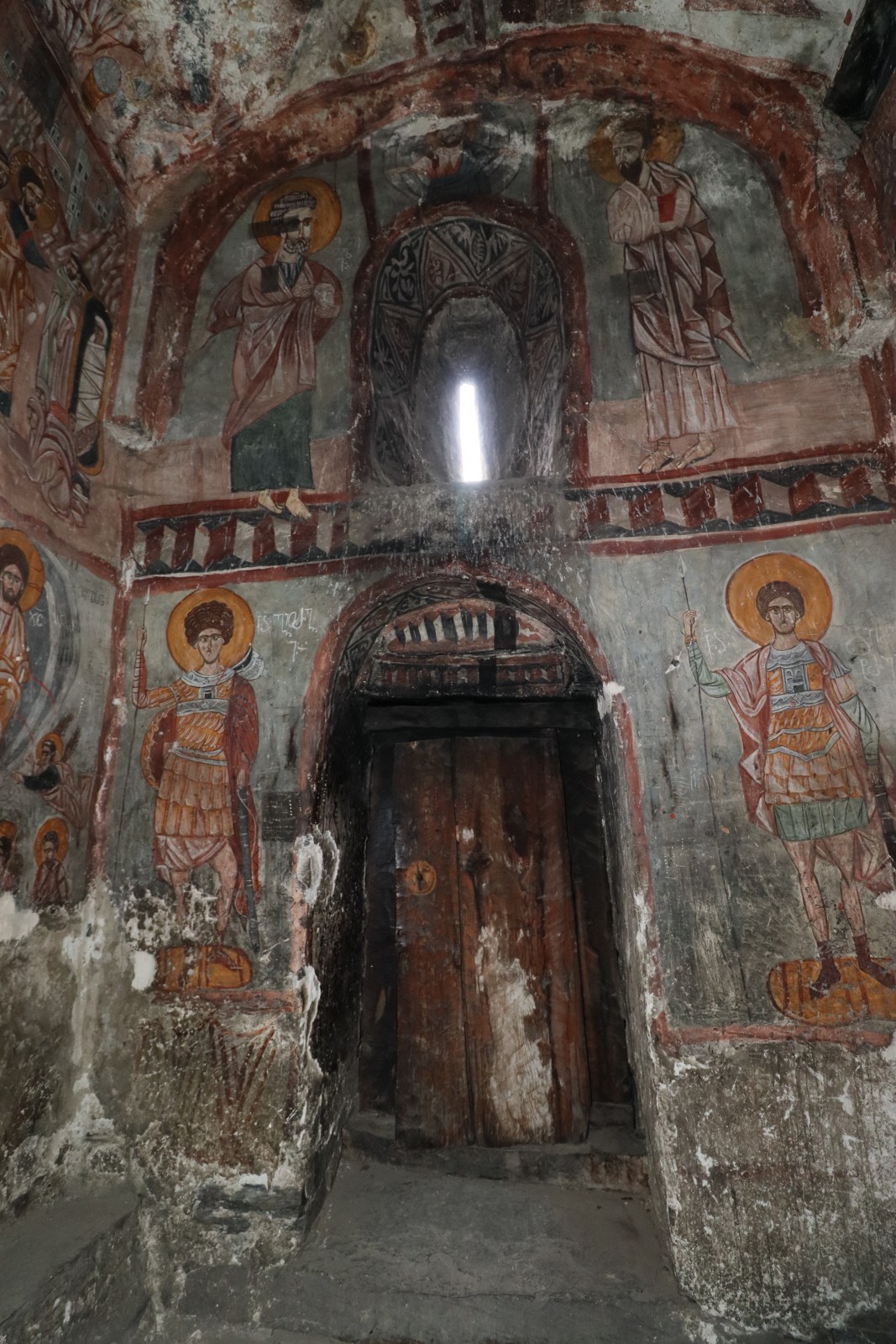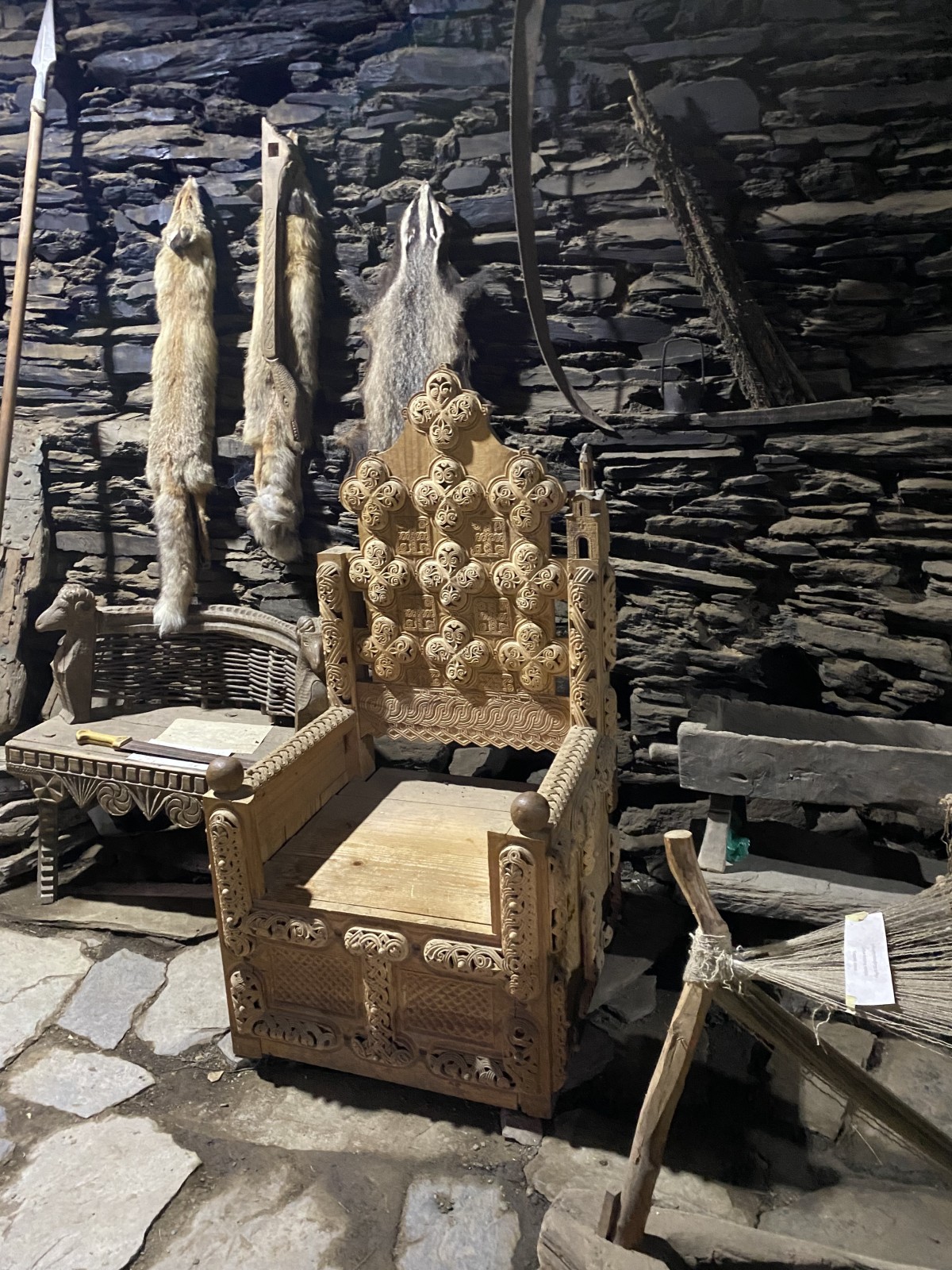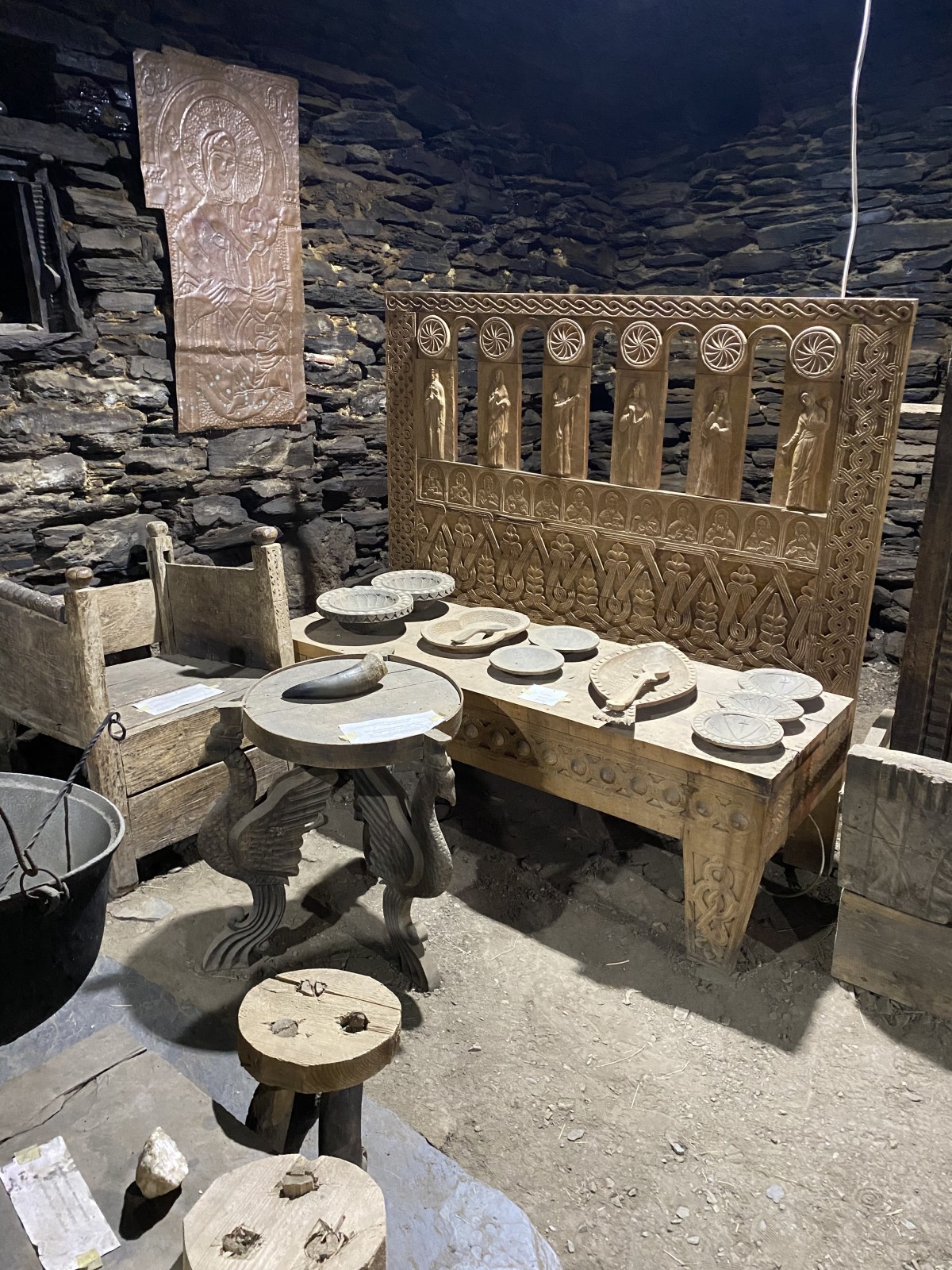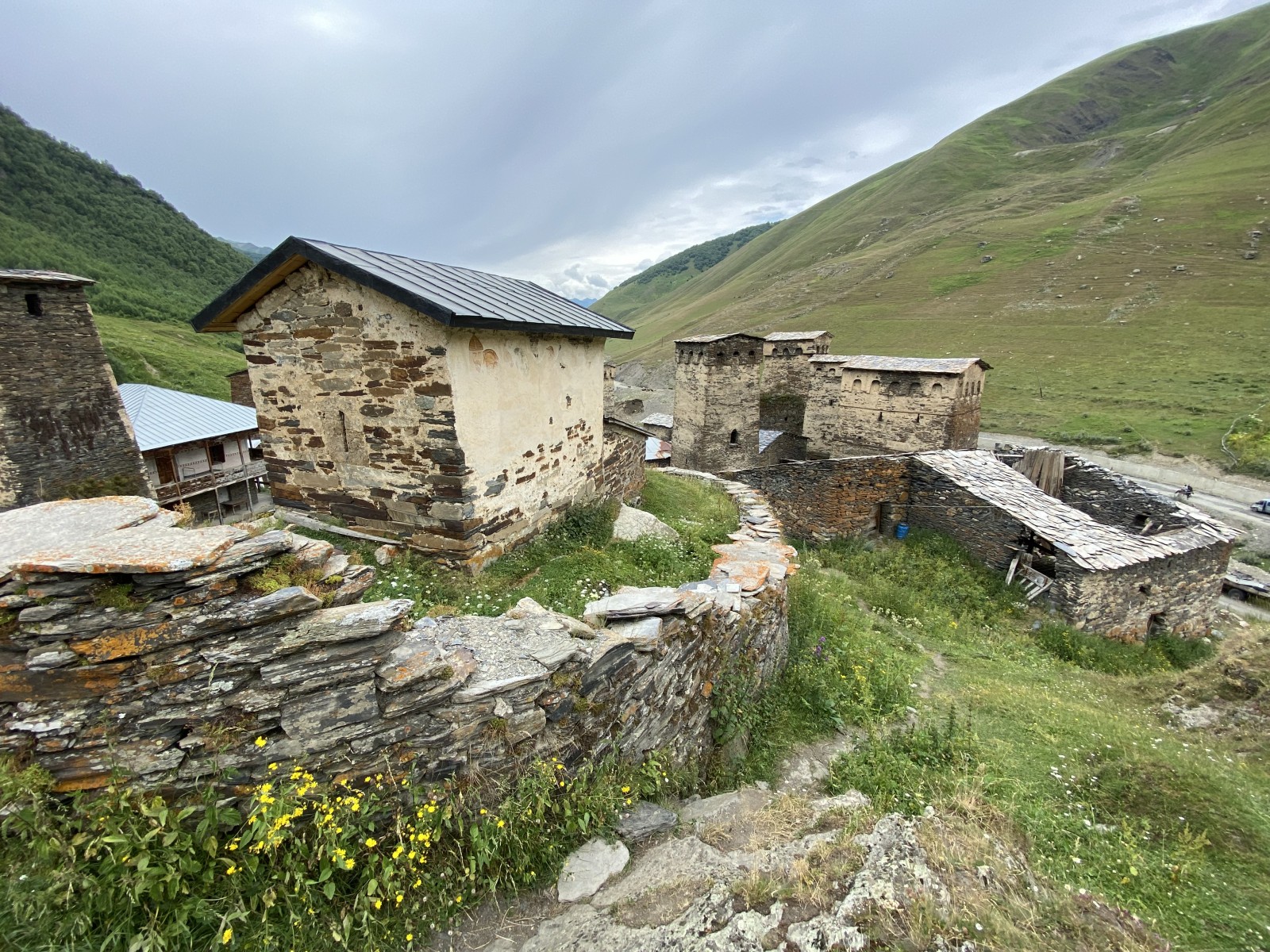
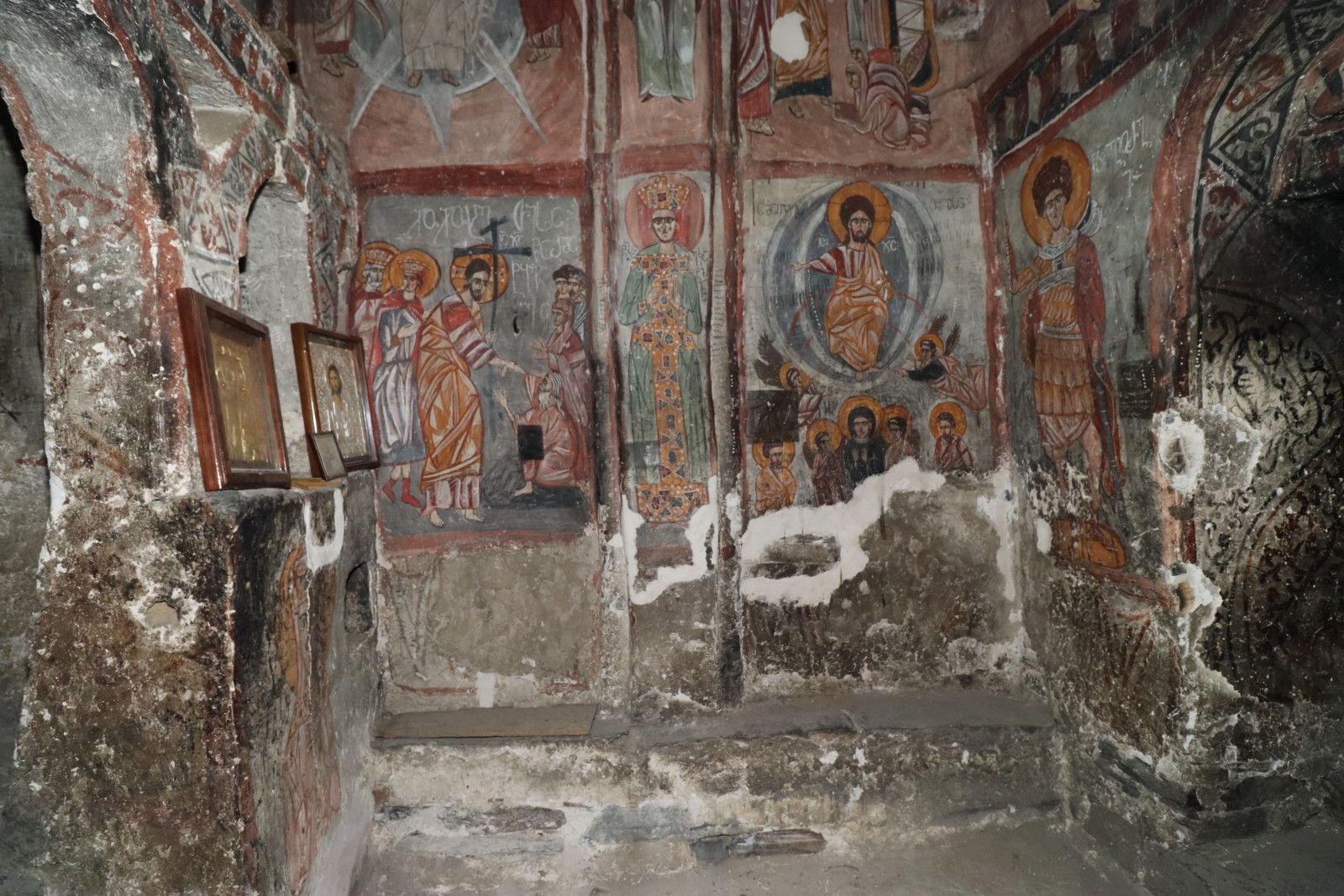



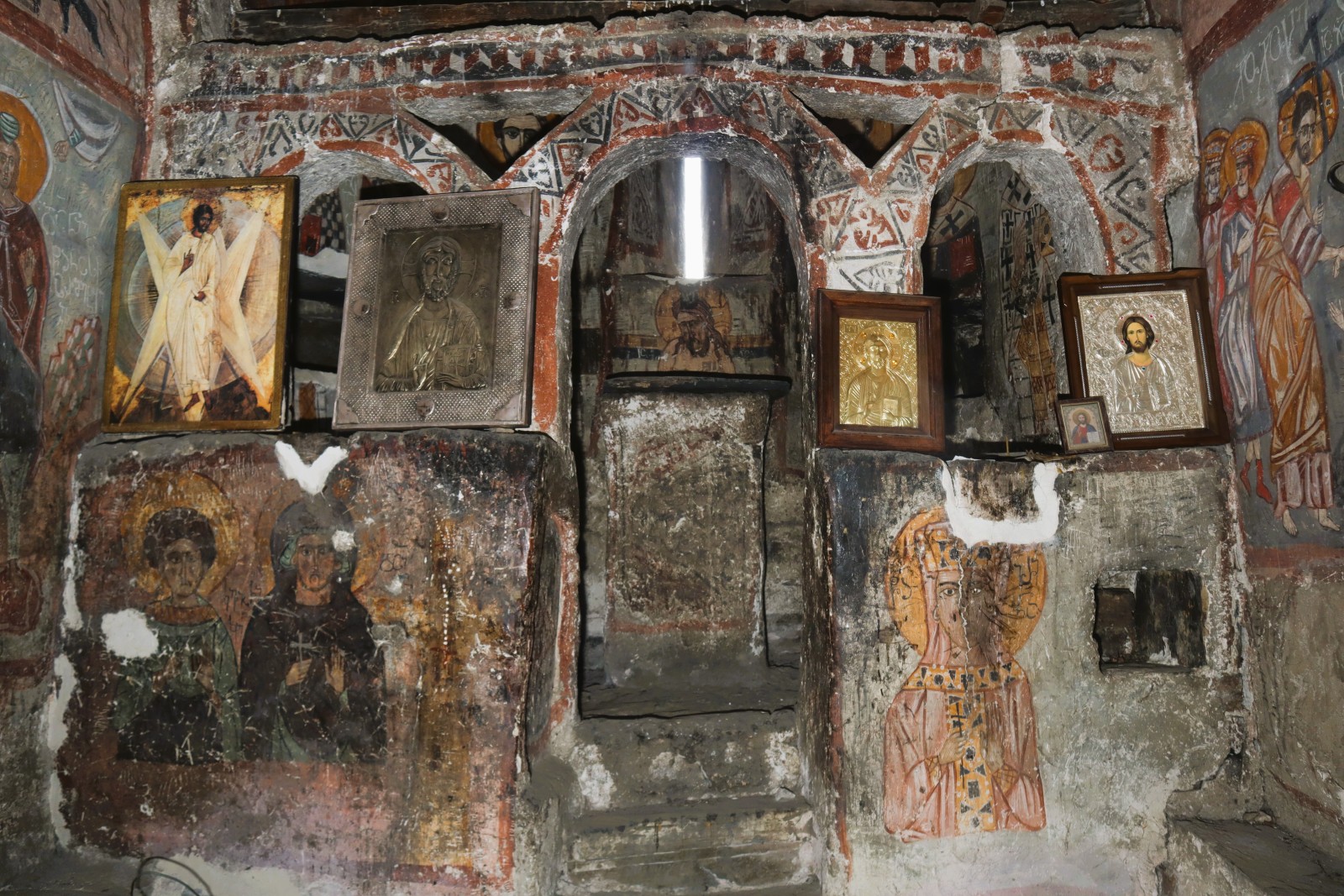
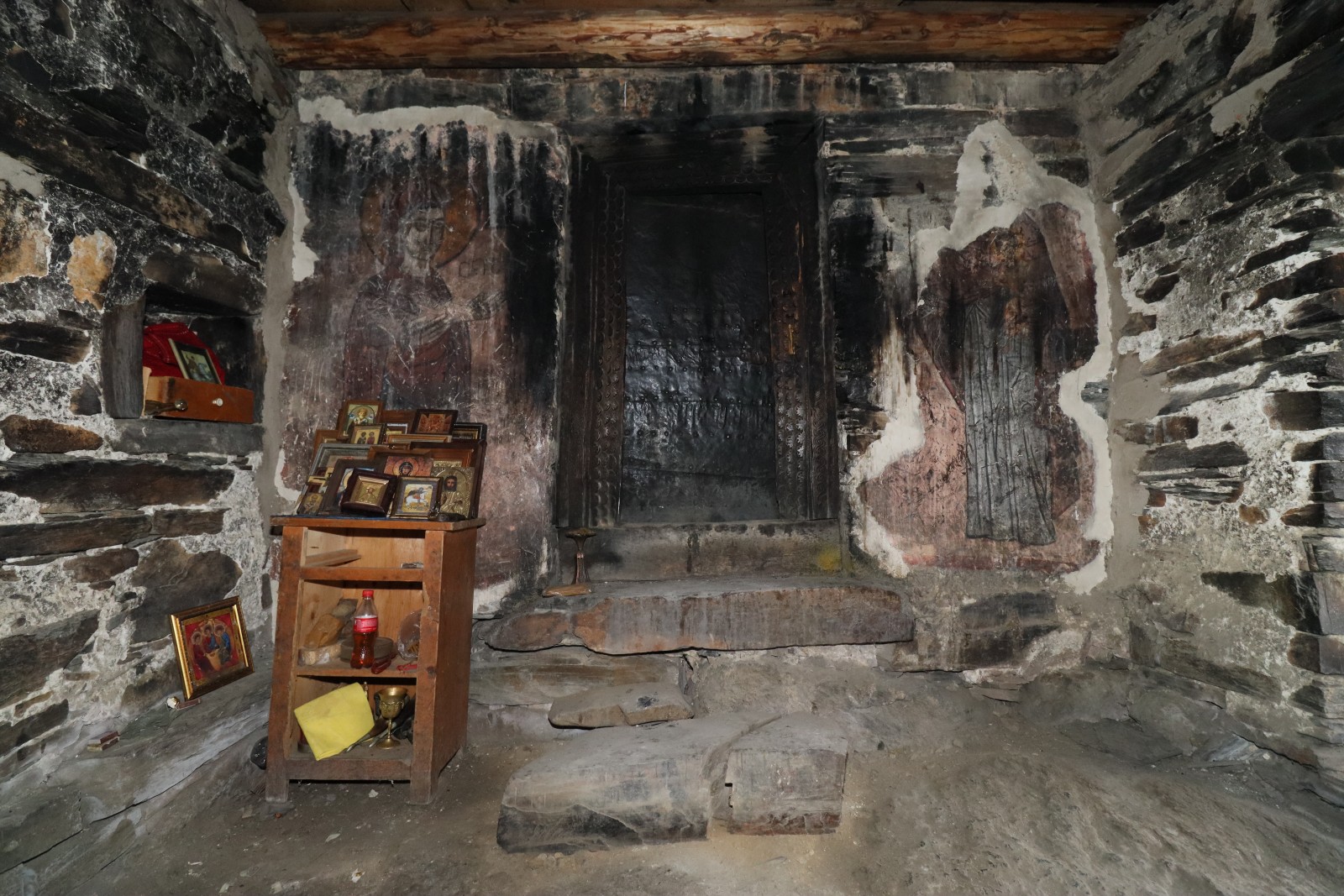
The Church of the Savior in Chazhashi is a small single nave church with a large western annex located in the village of Chazhashi, in the Ushguli community. Built in the 10th century, the church was the main church of the Ushguli community. Traditionally, it housed the entire treasury of the churches of Ushguli - metal and painted icons and crosses from various epochs, large pre-altar crosses, ritual items, and more. Today, most of this treasury has been relocated to the Ushguli Museum, located in one of the oldest fortified houses in Chazhashi.
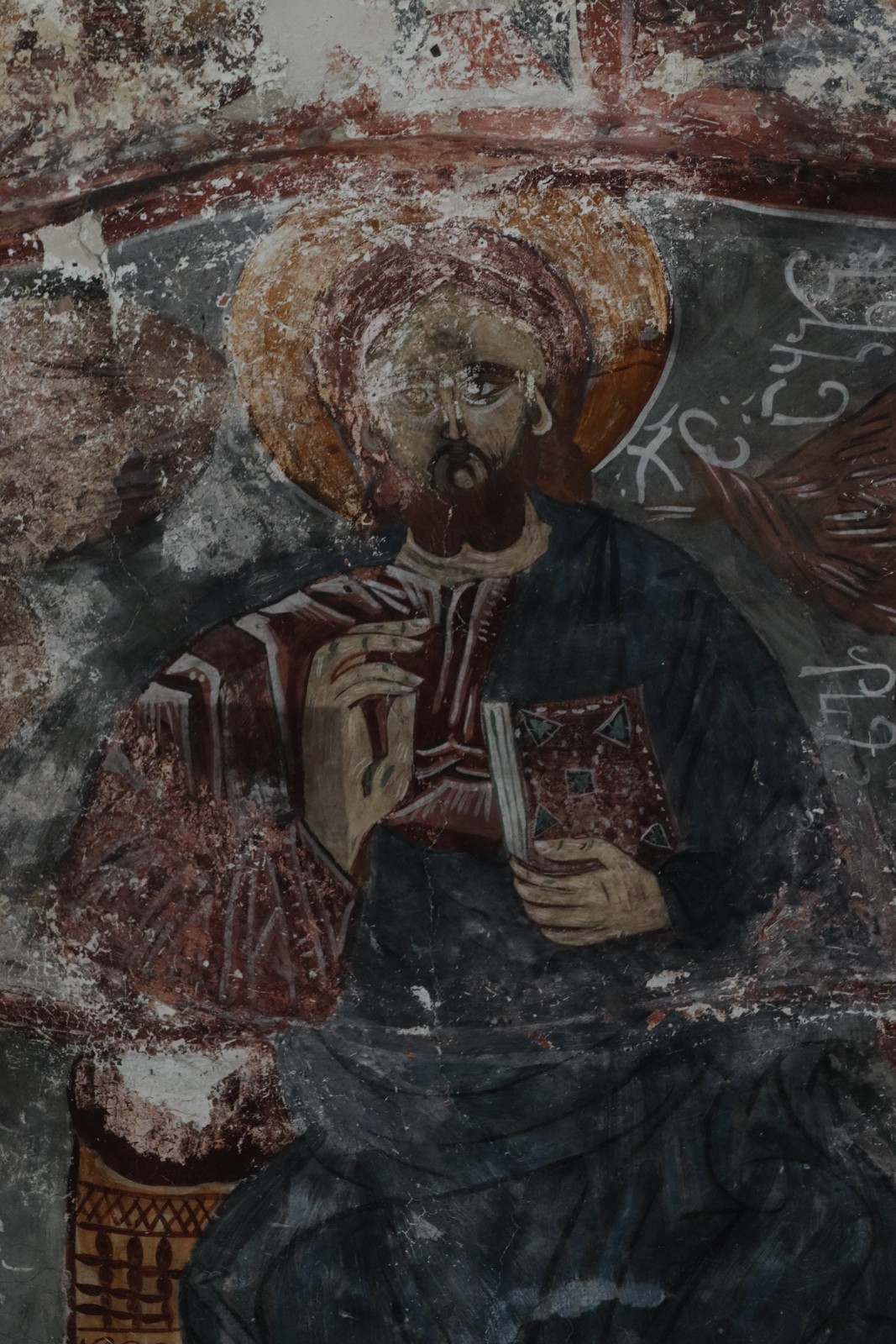
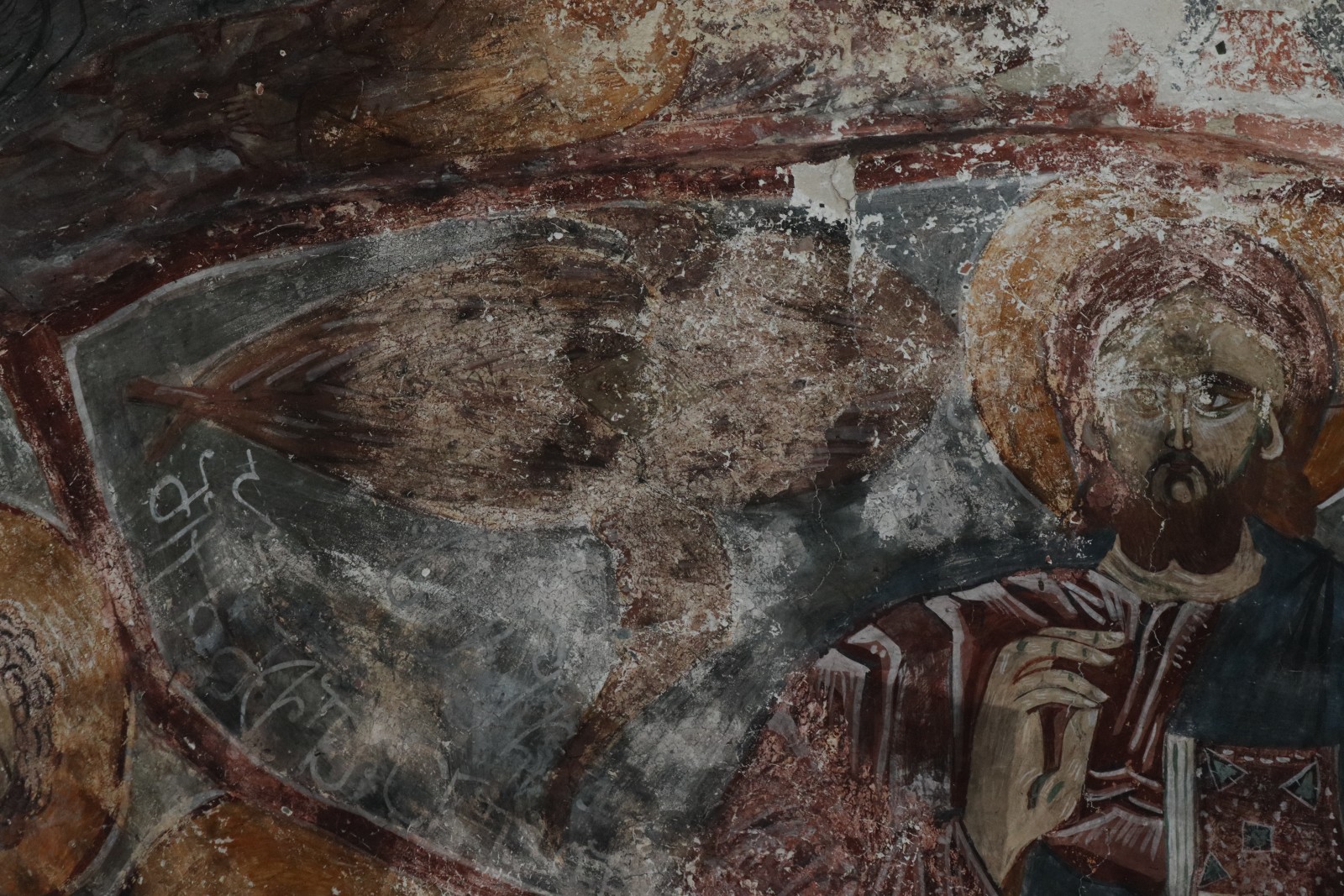
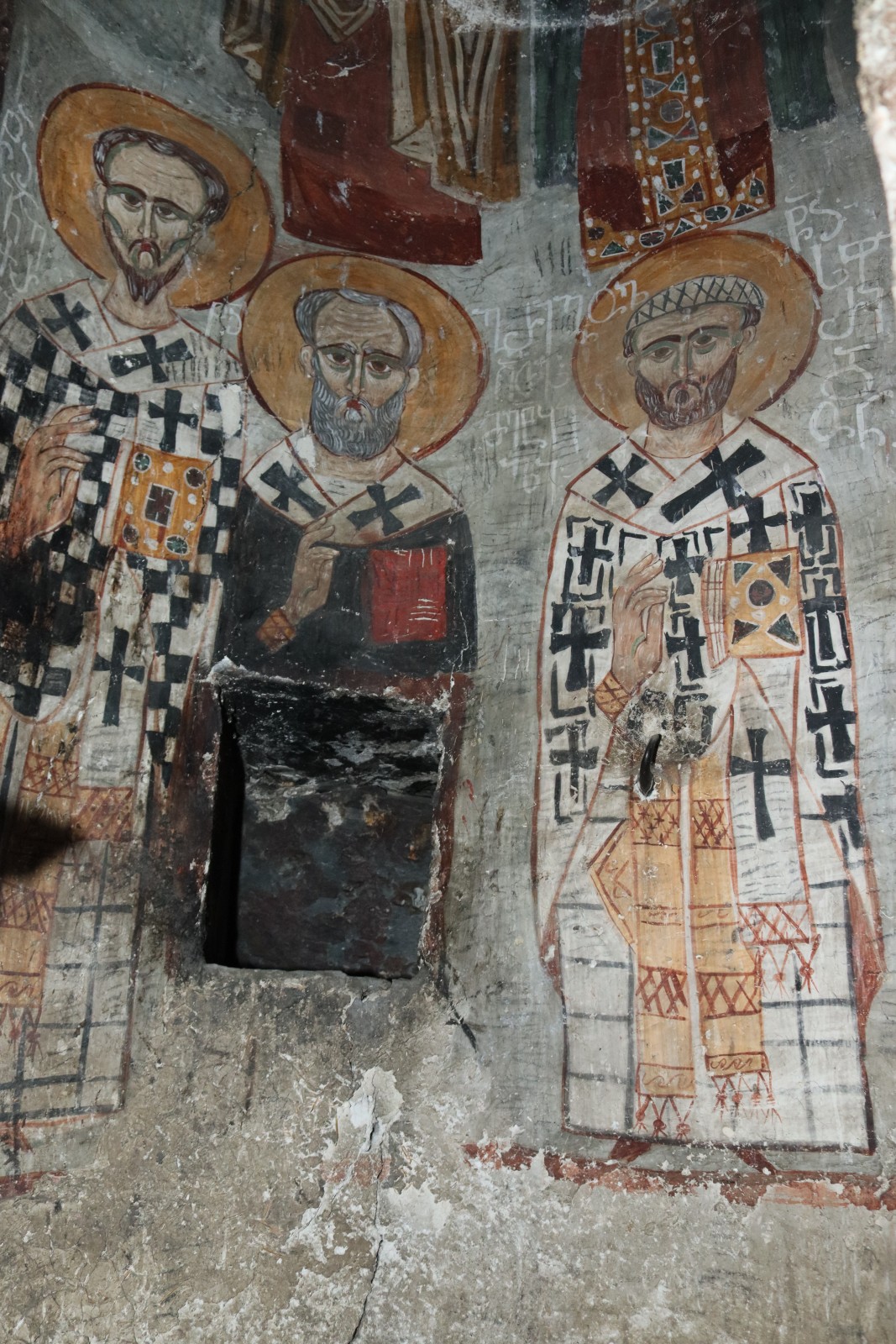
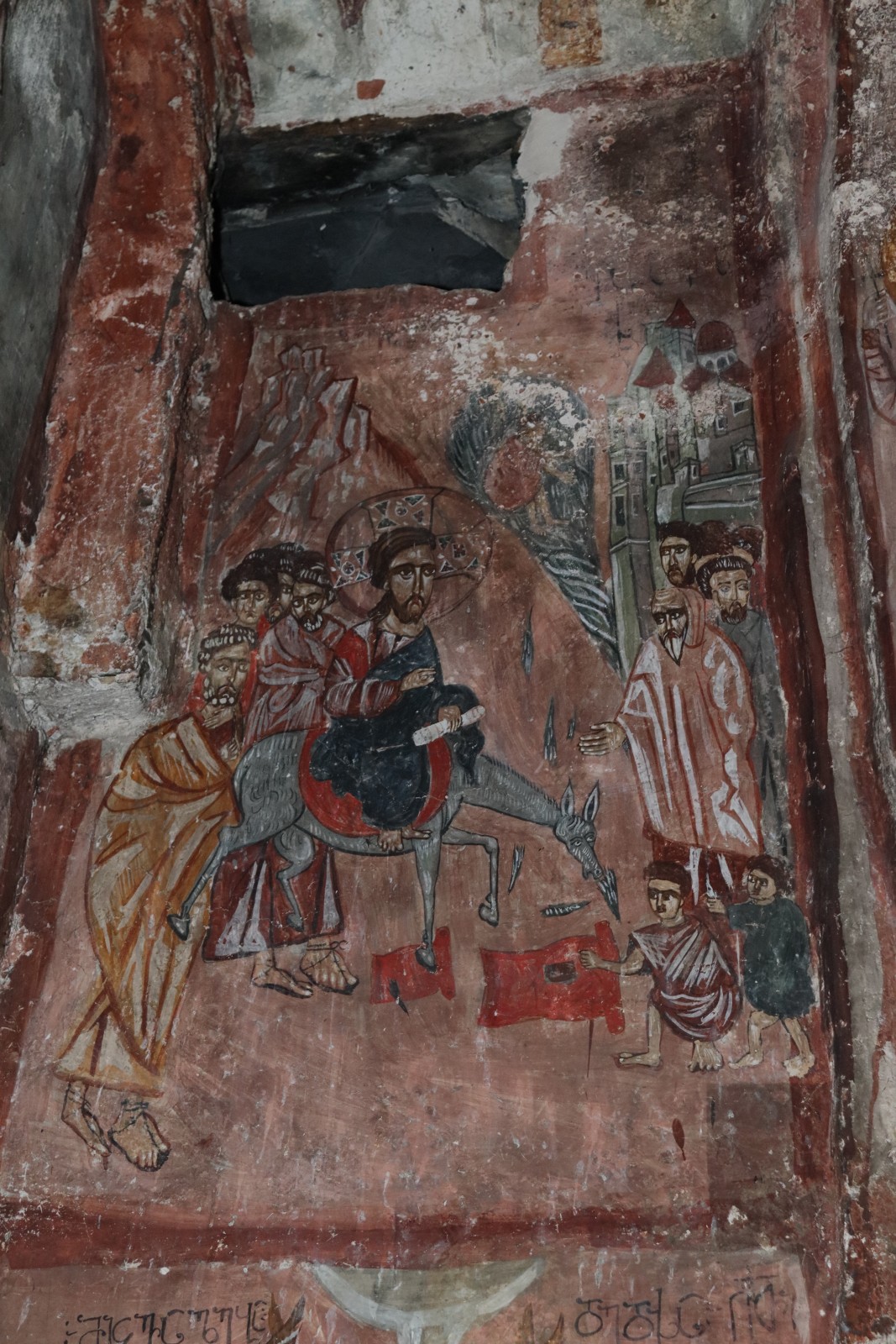
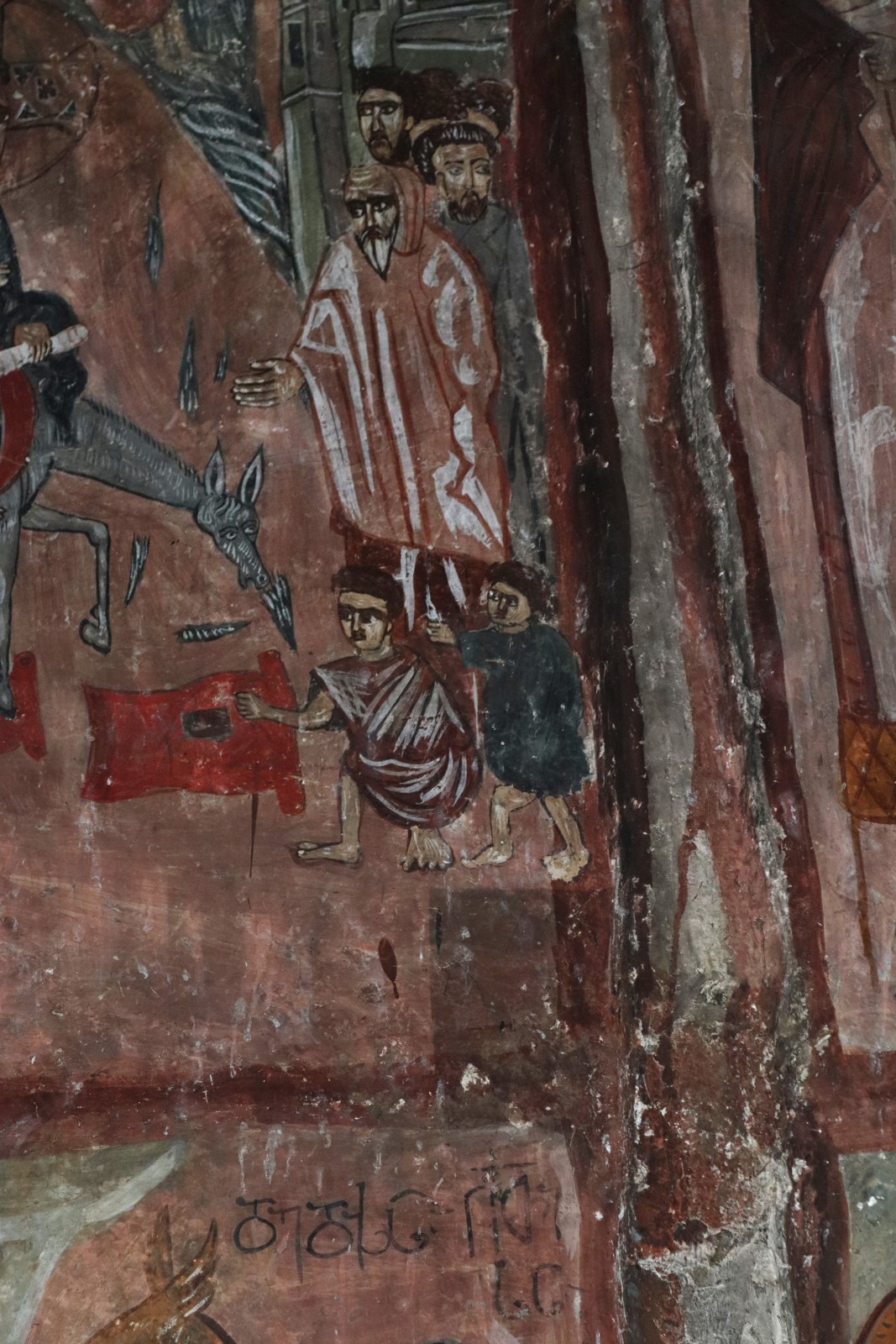
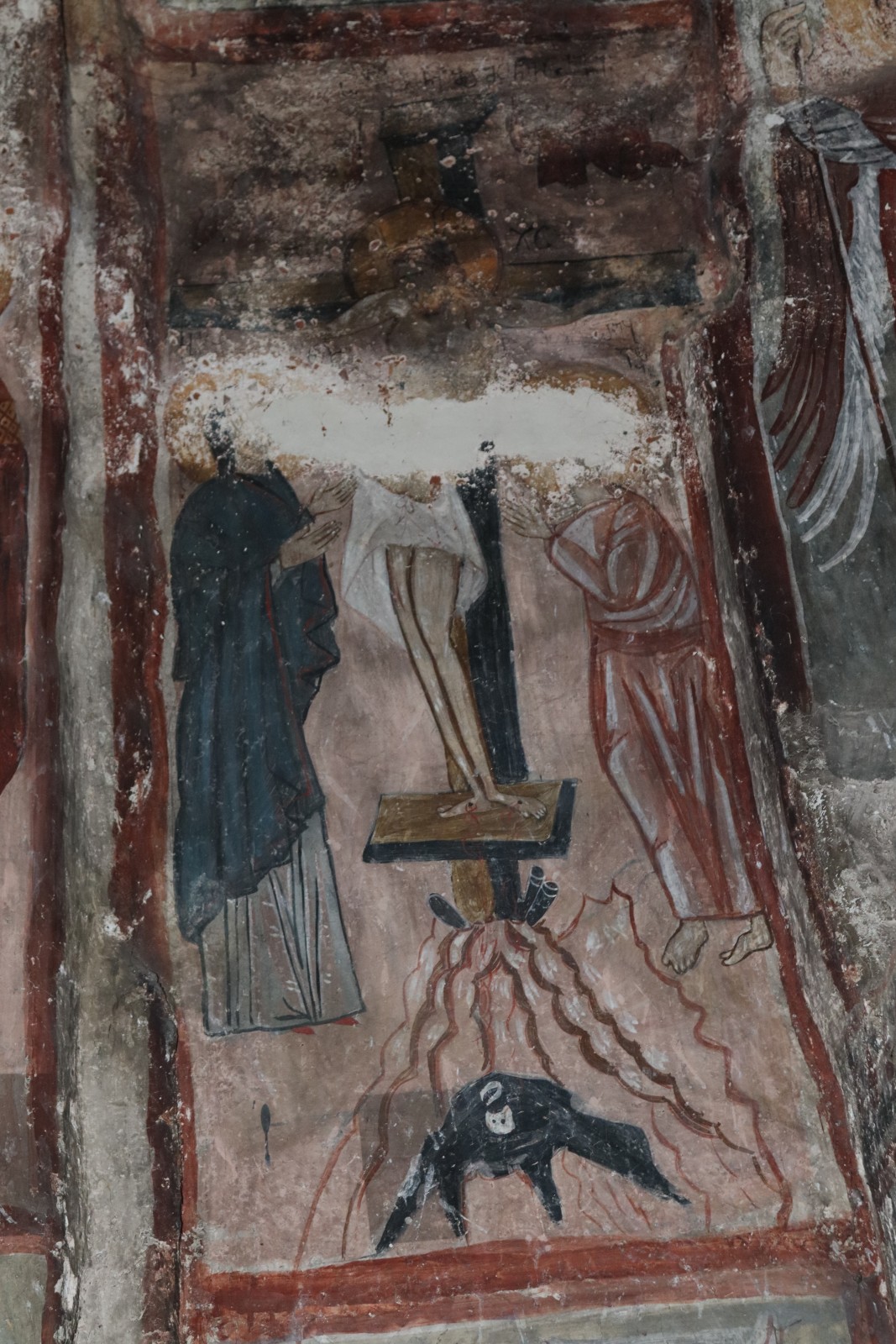
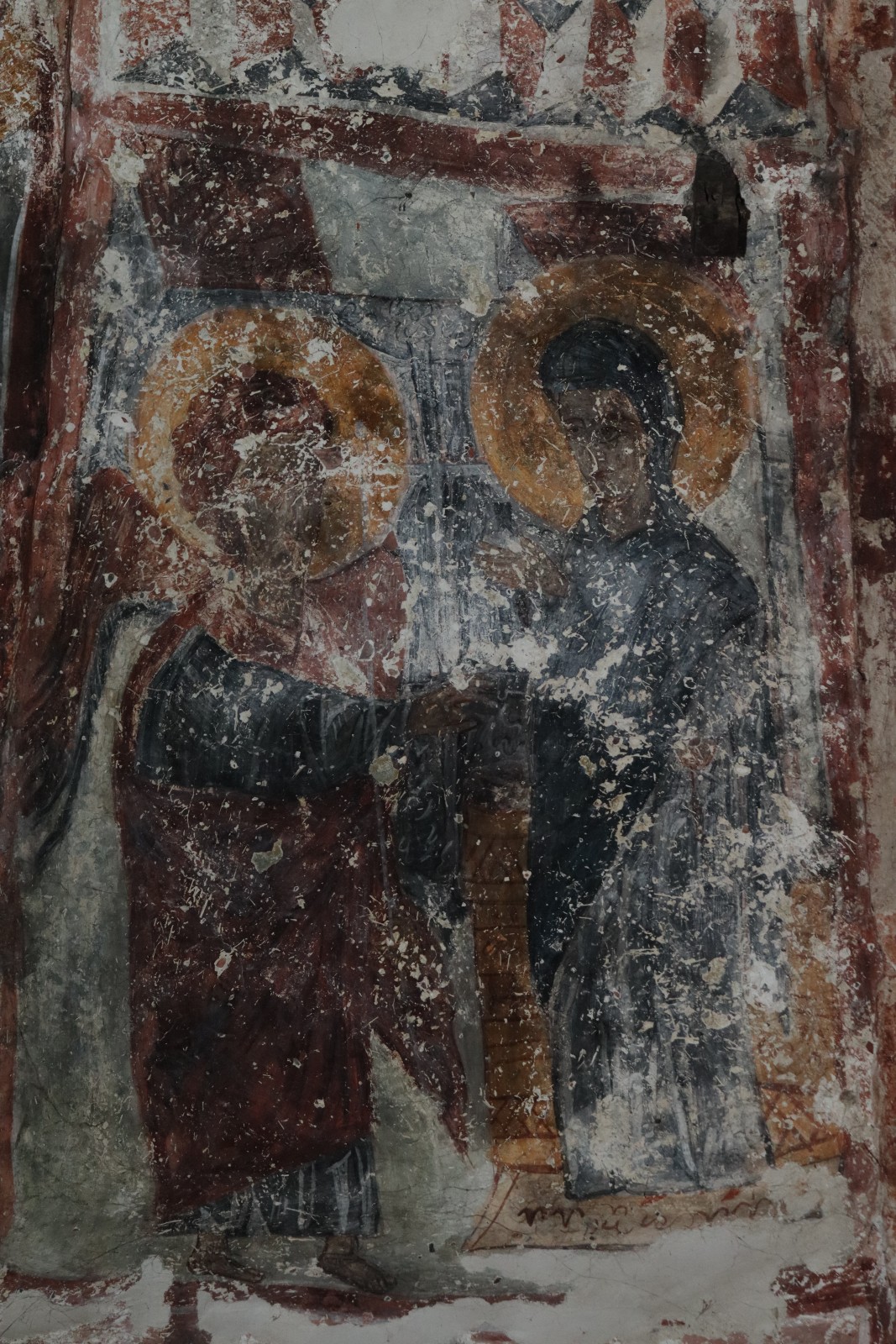
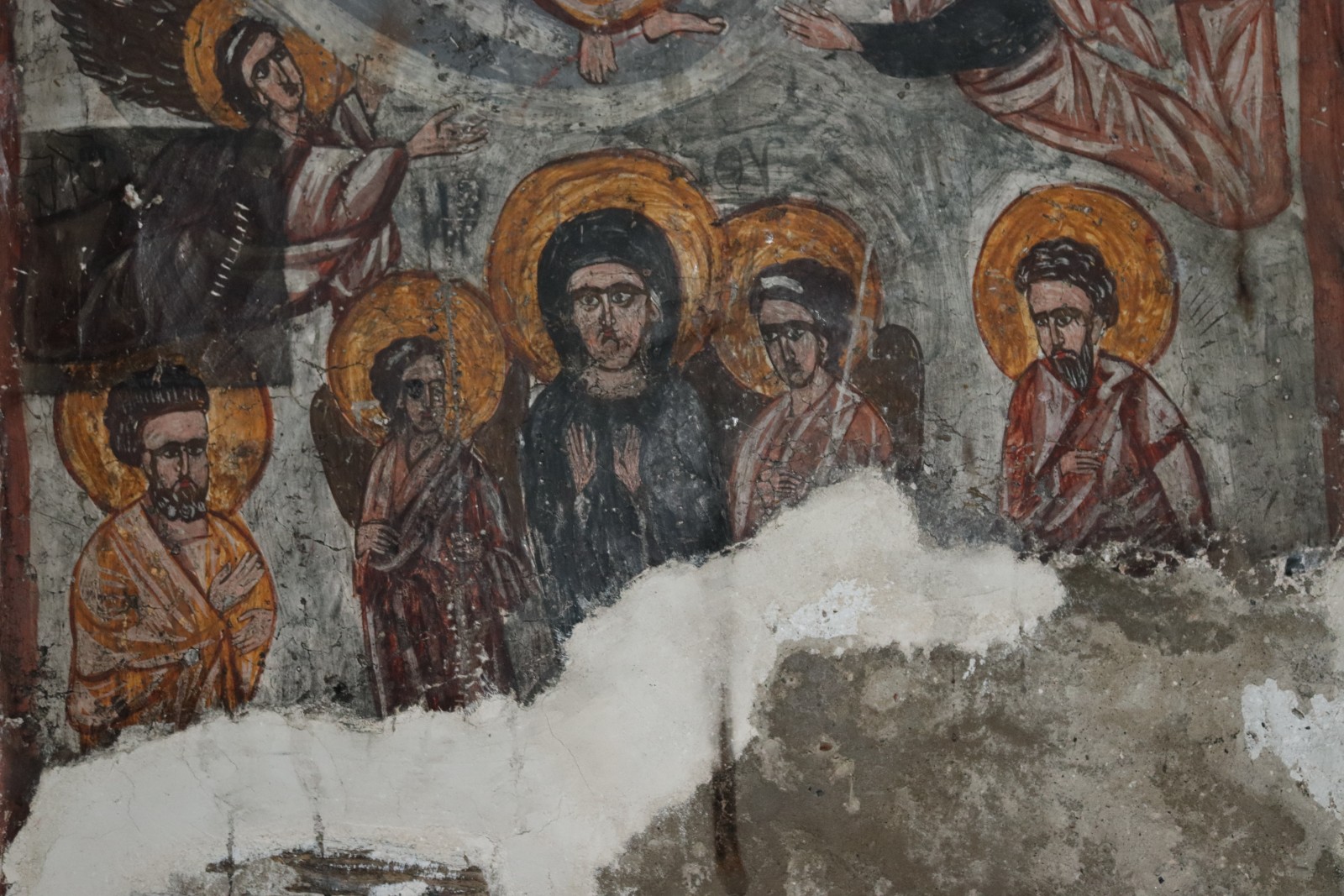
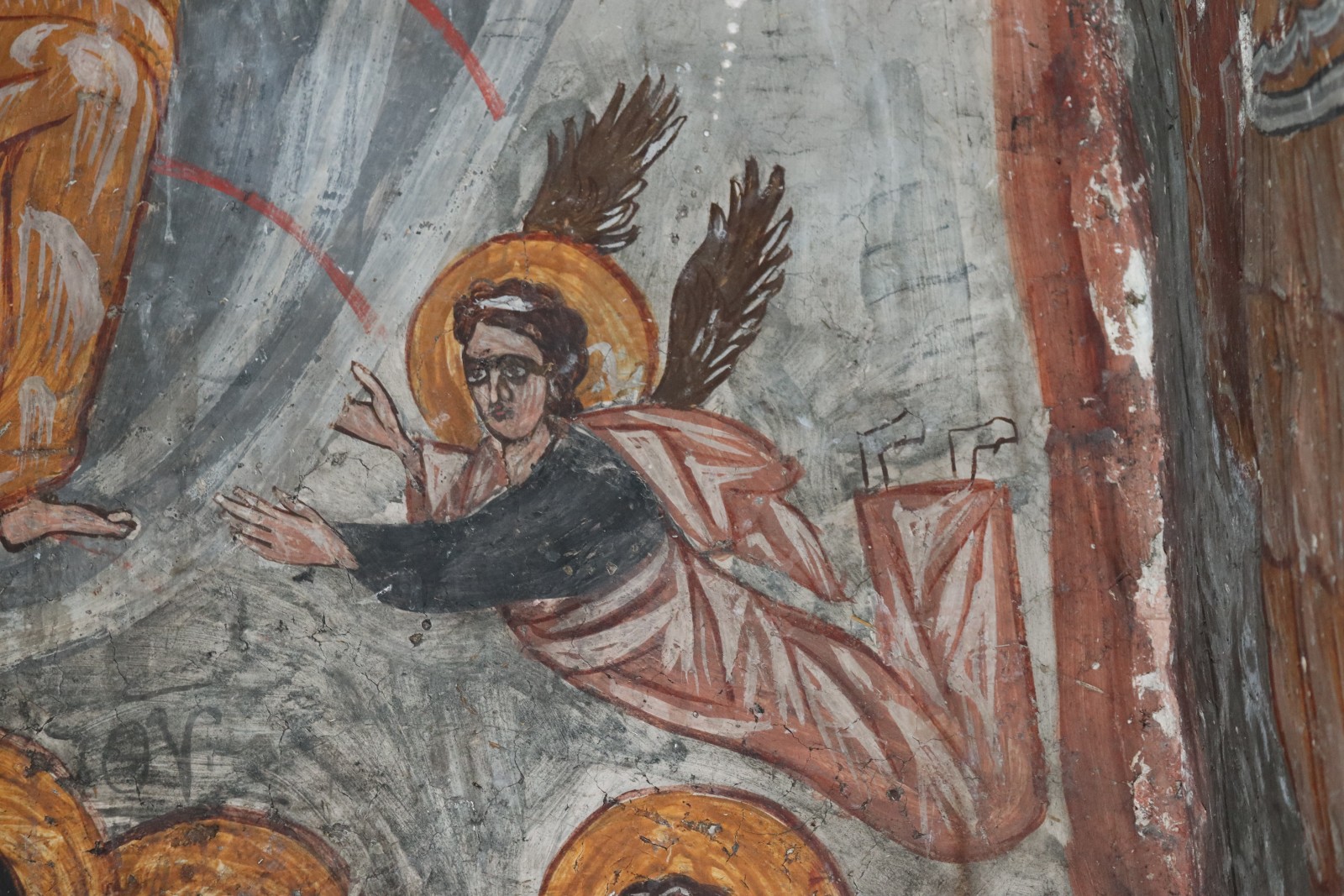
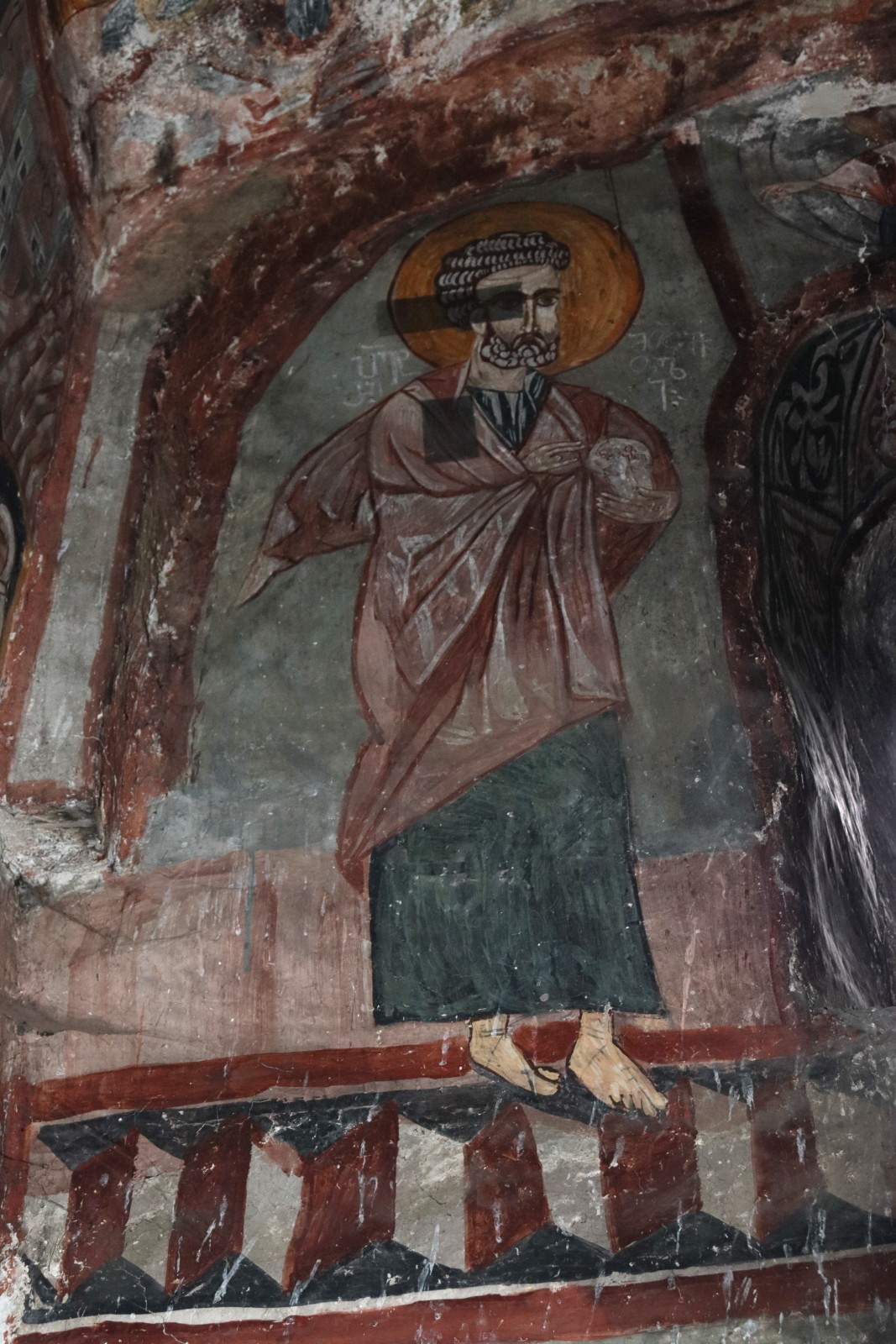
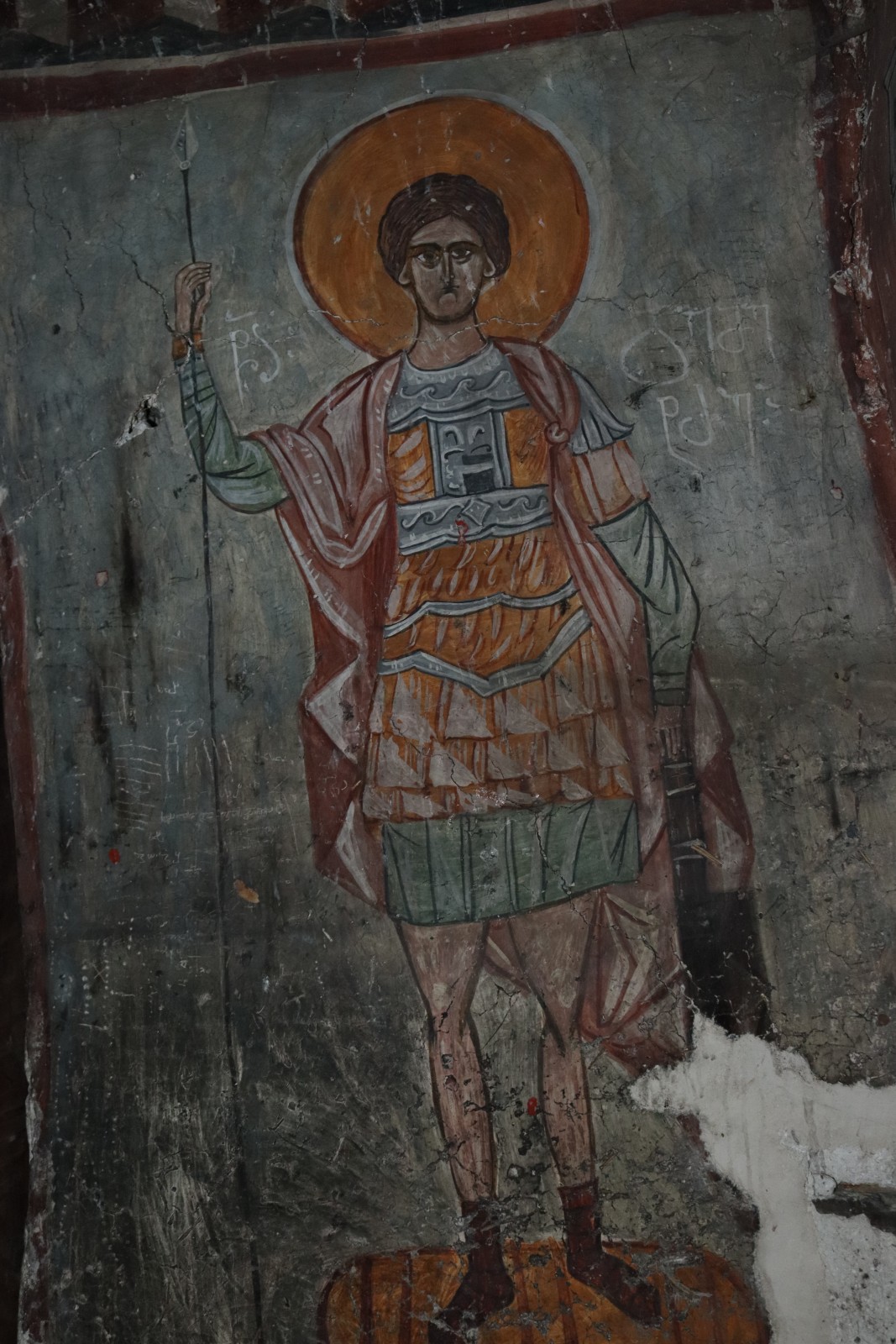
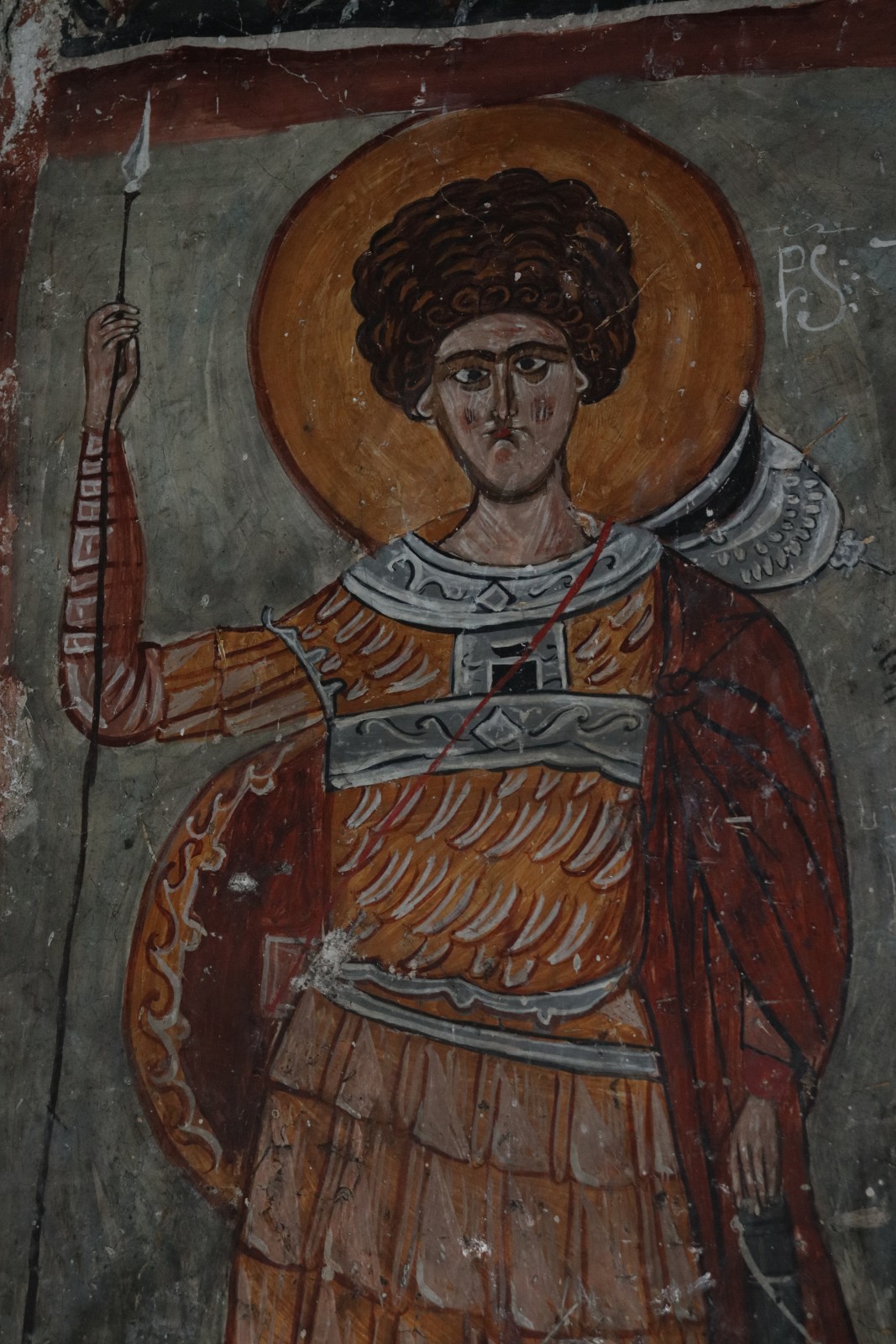
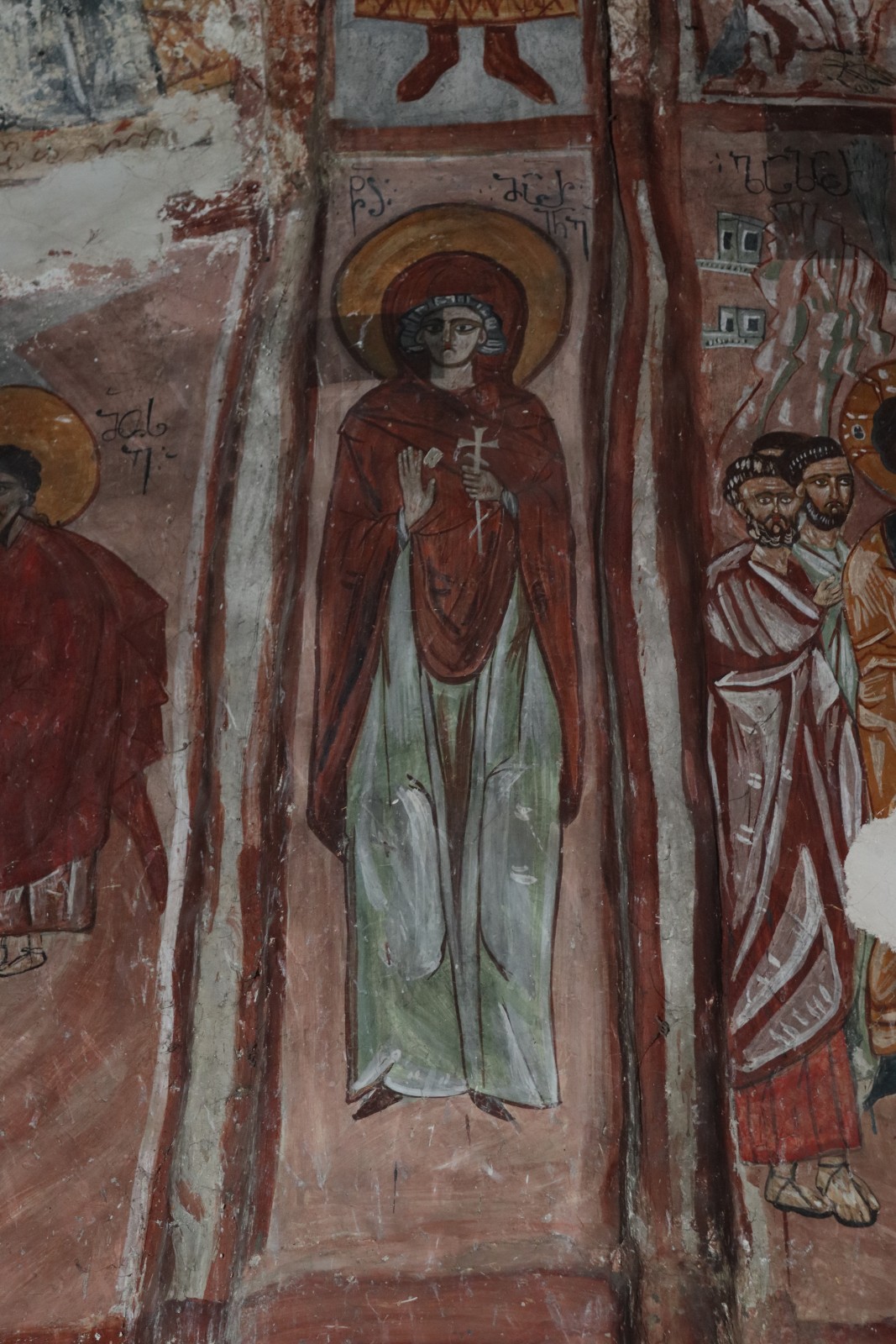
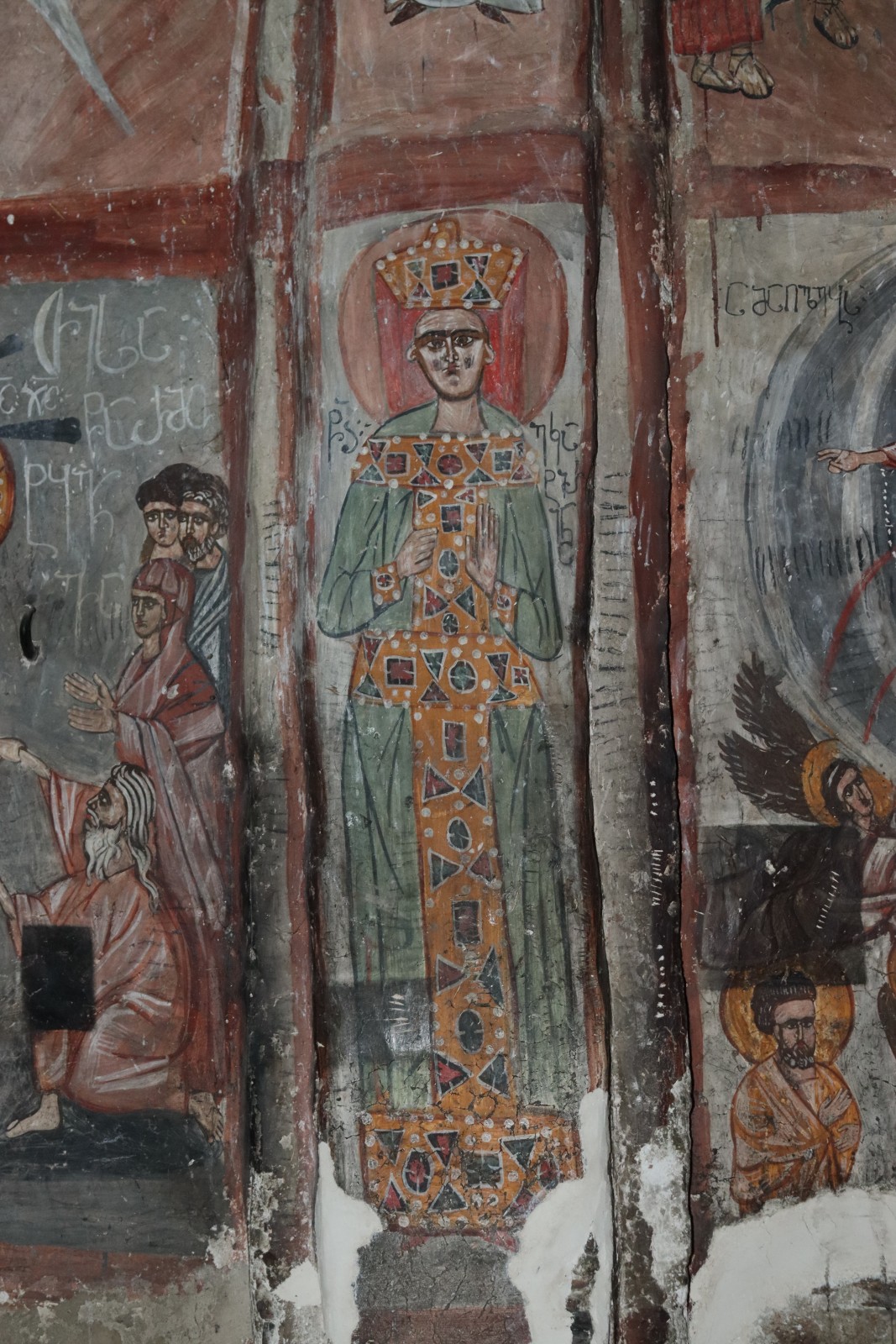
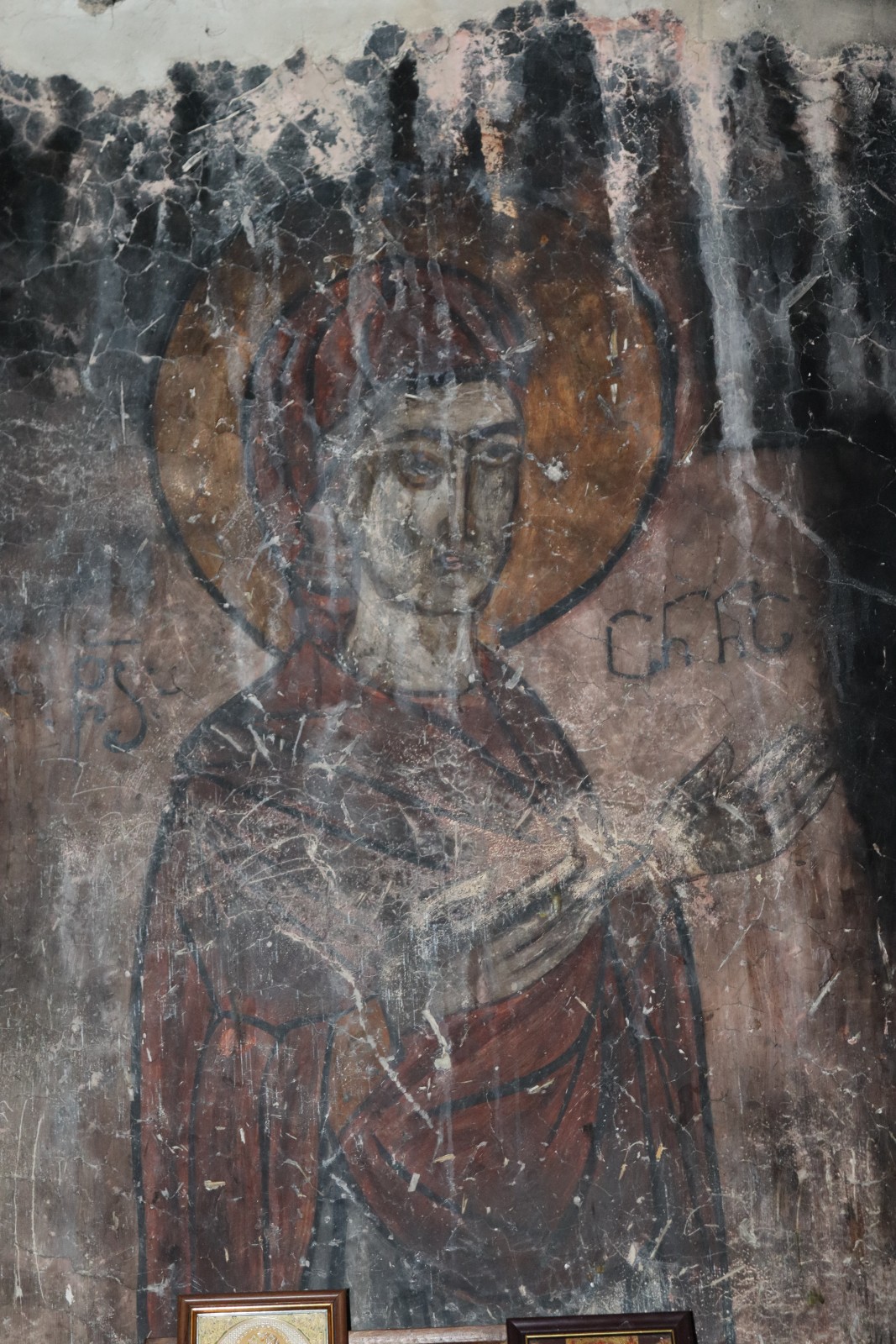
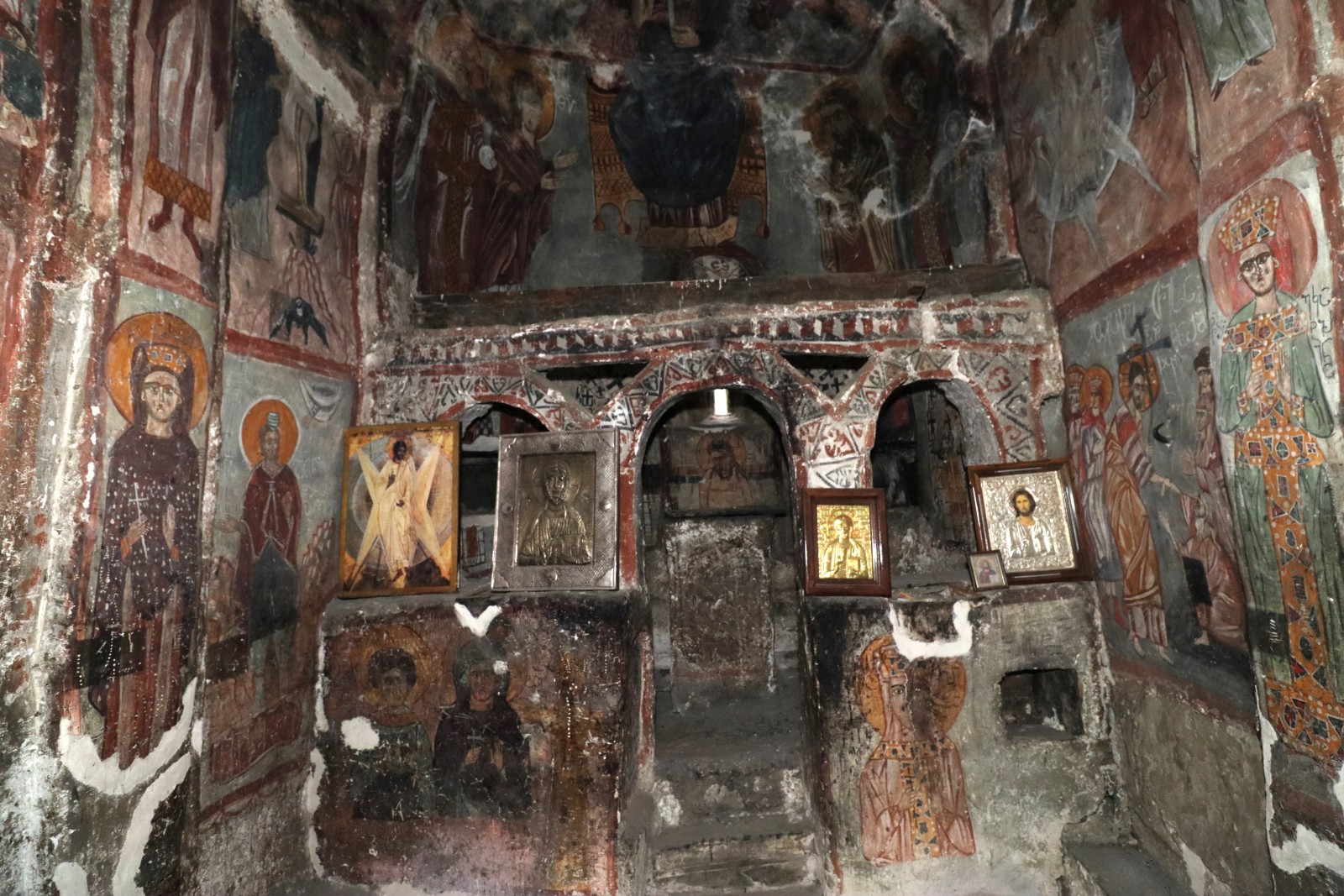
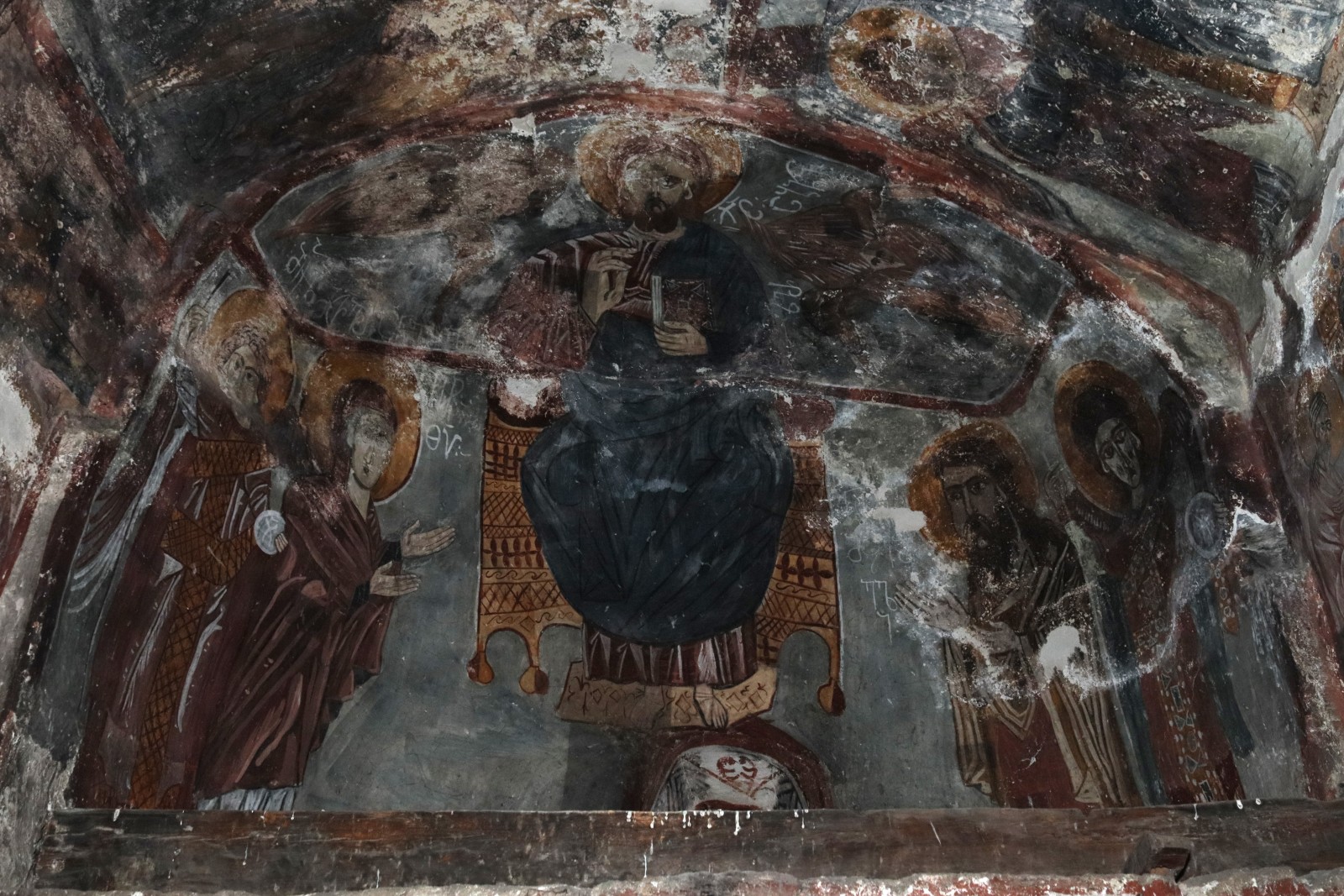
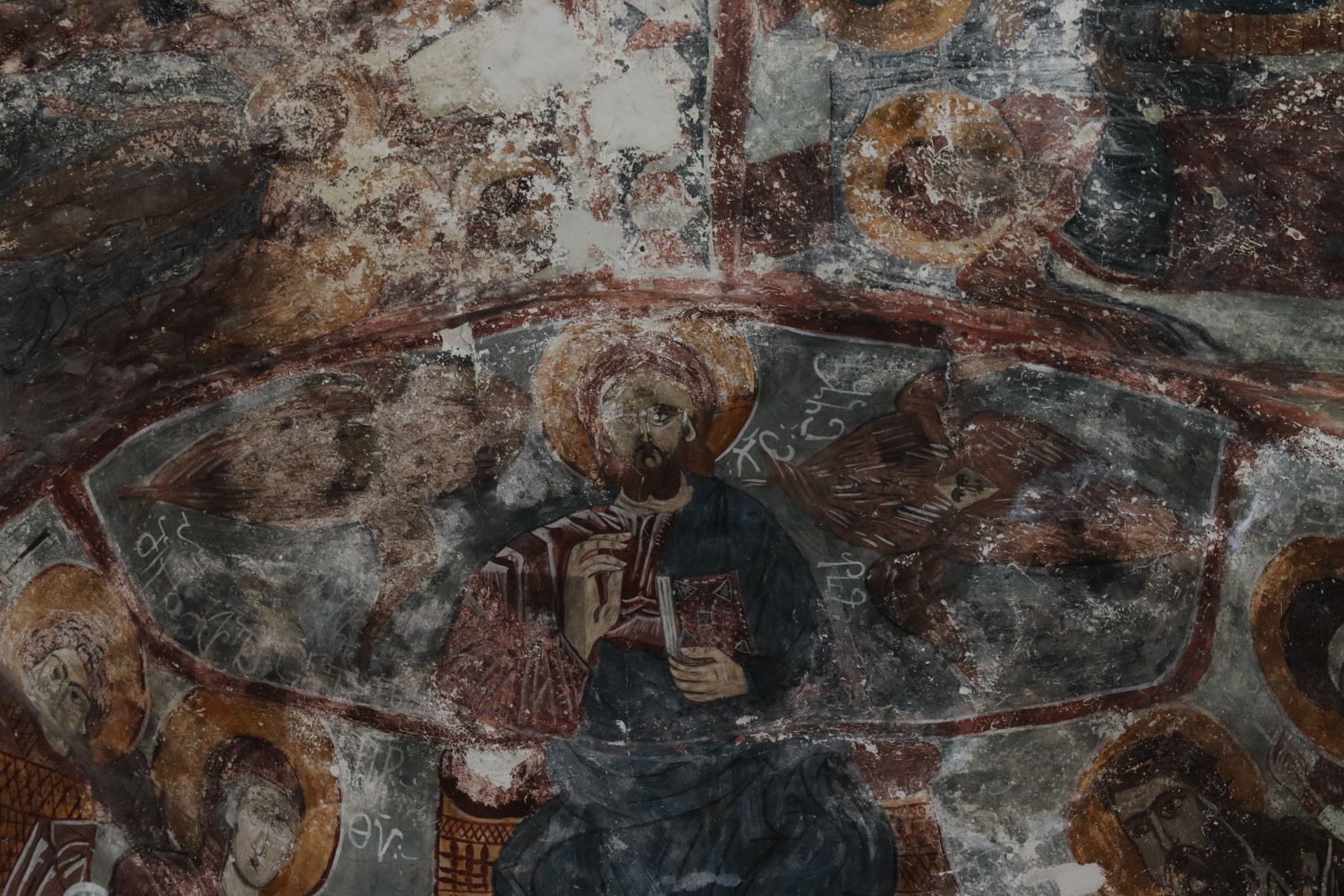
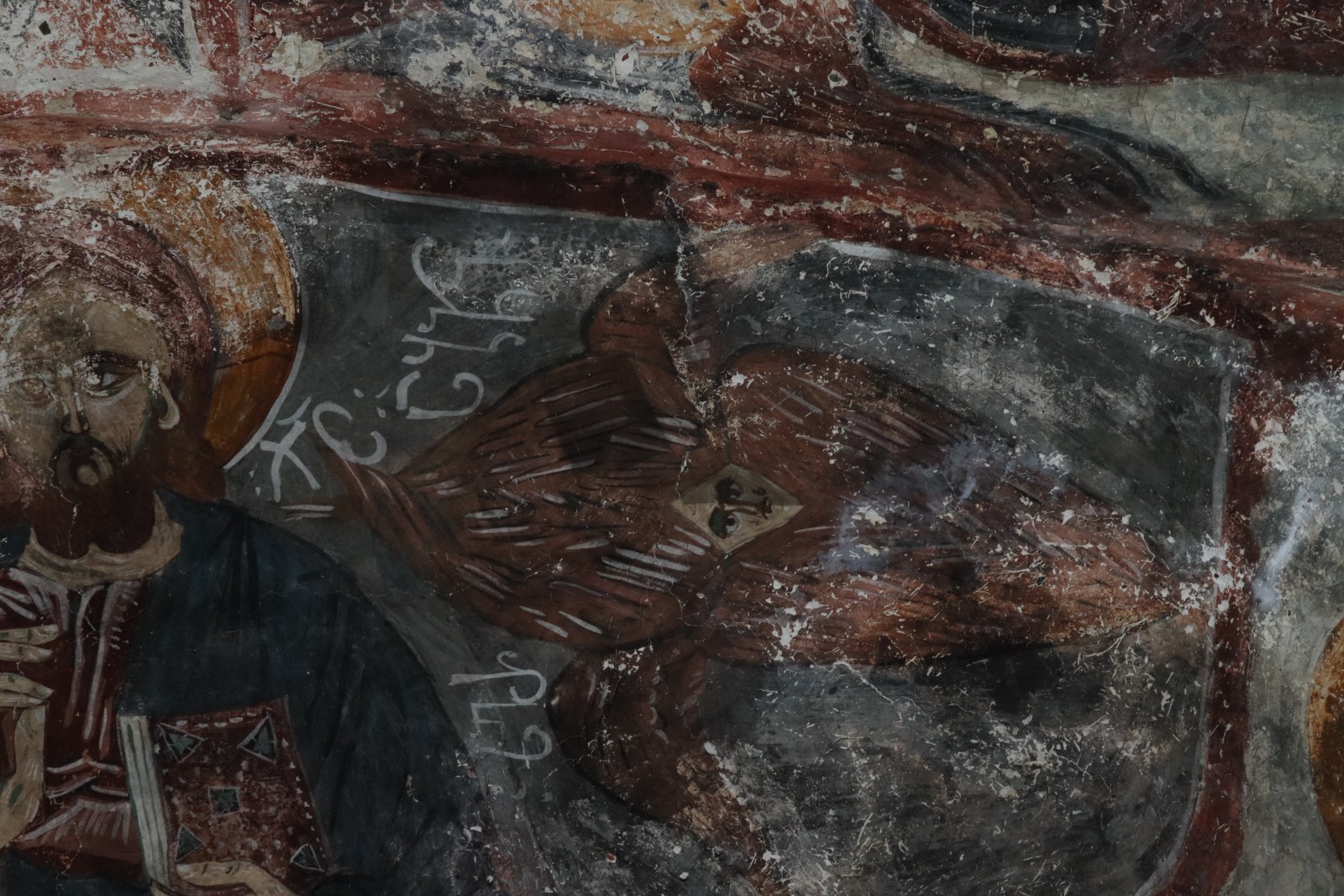
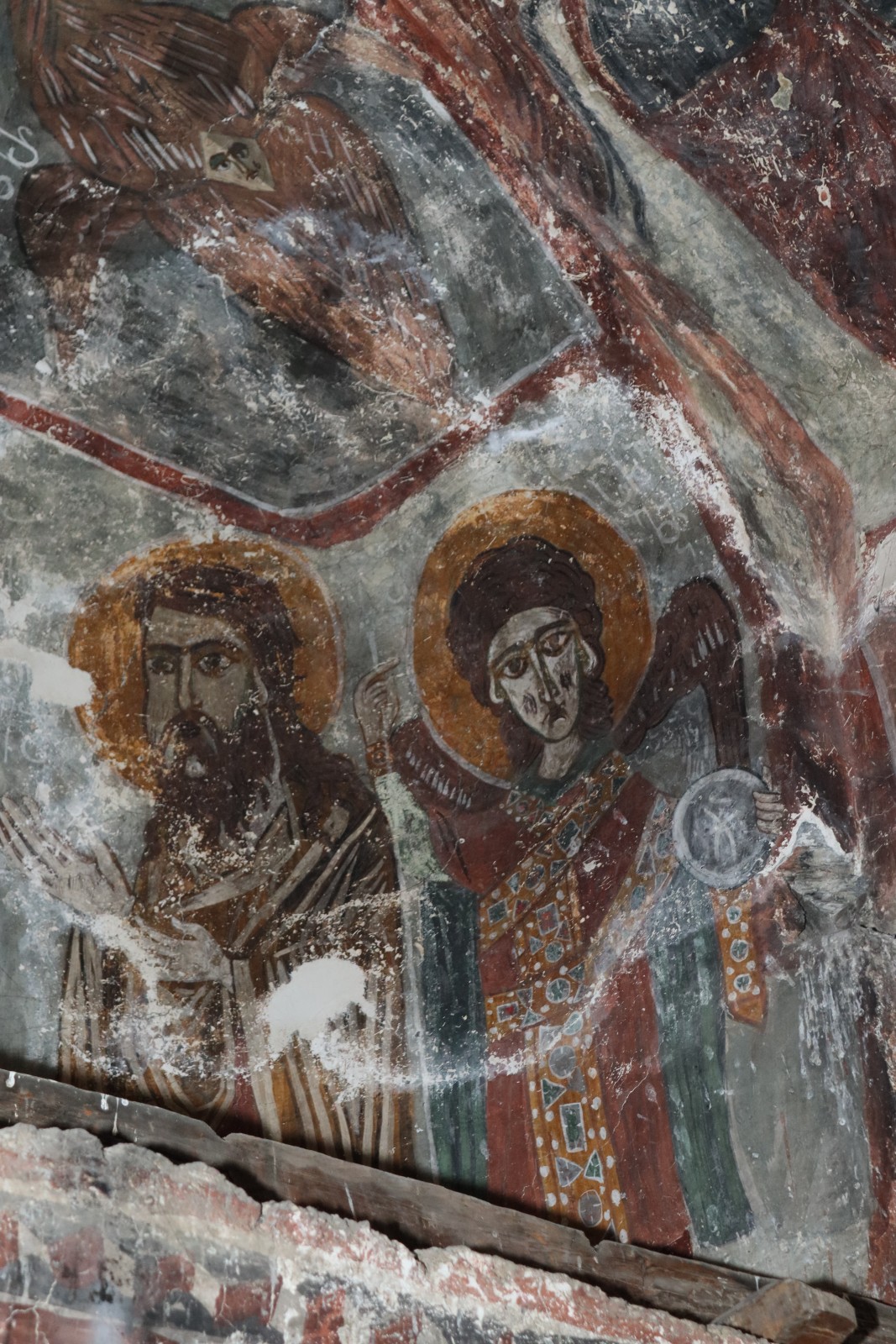
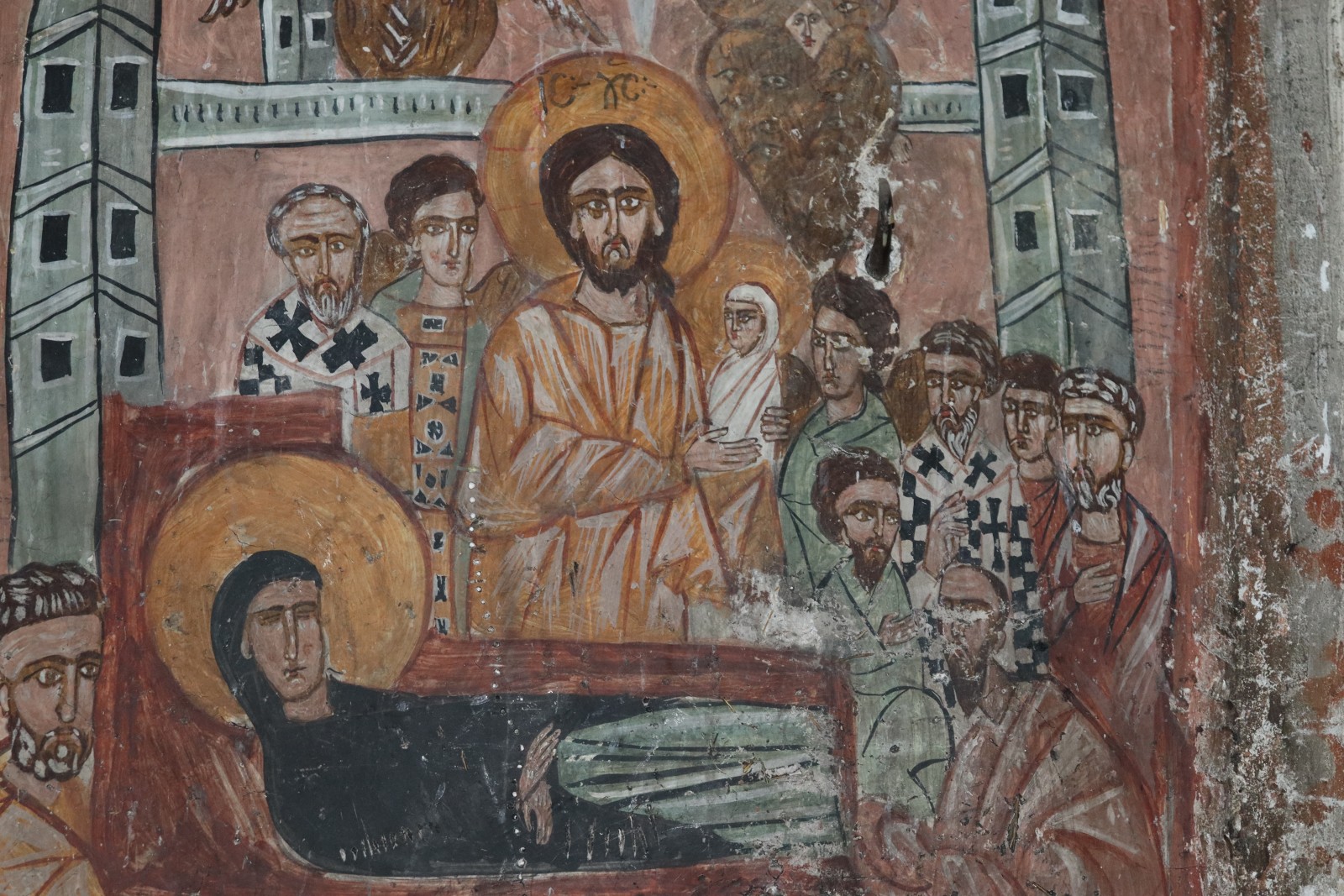
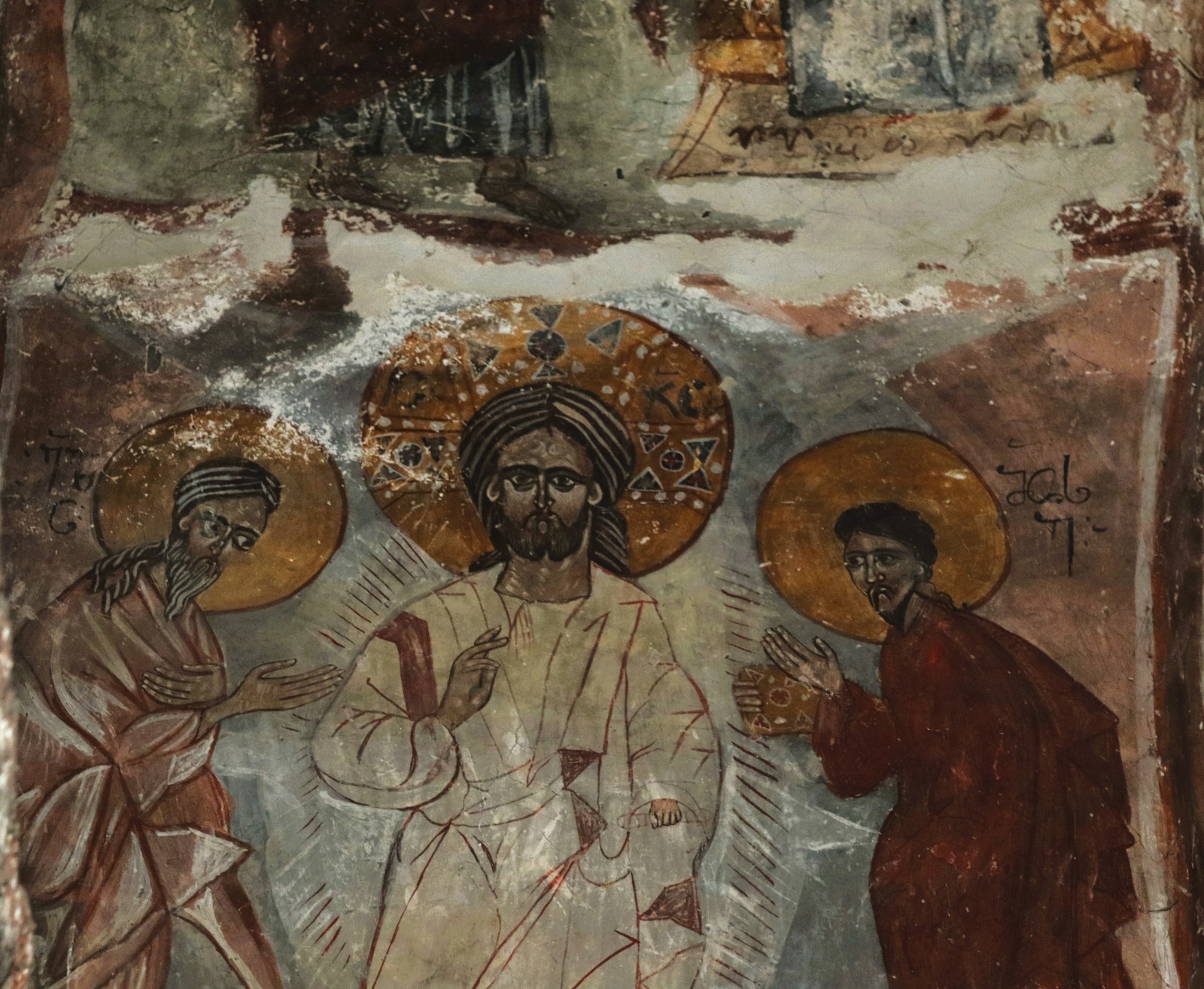
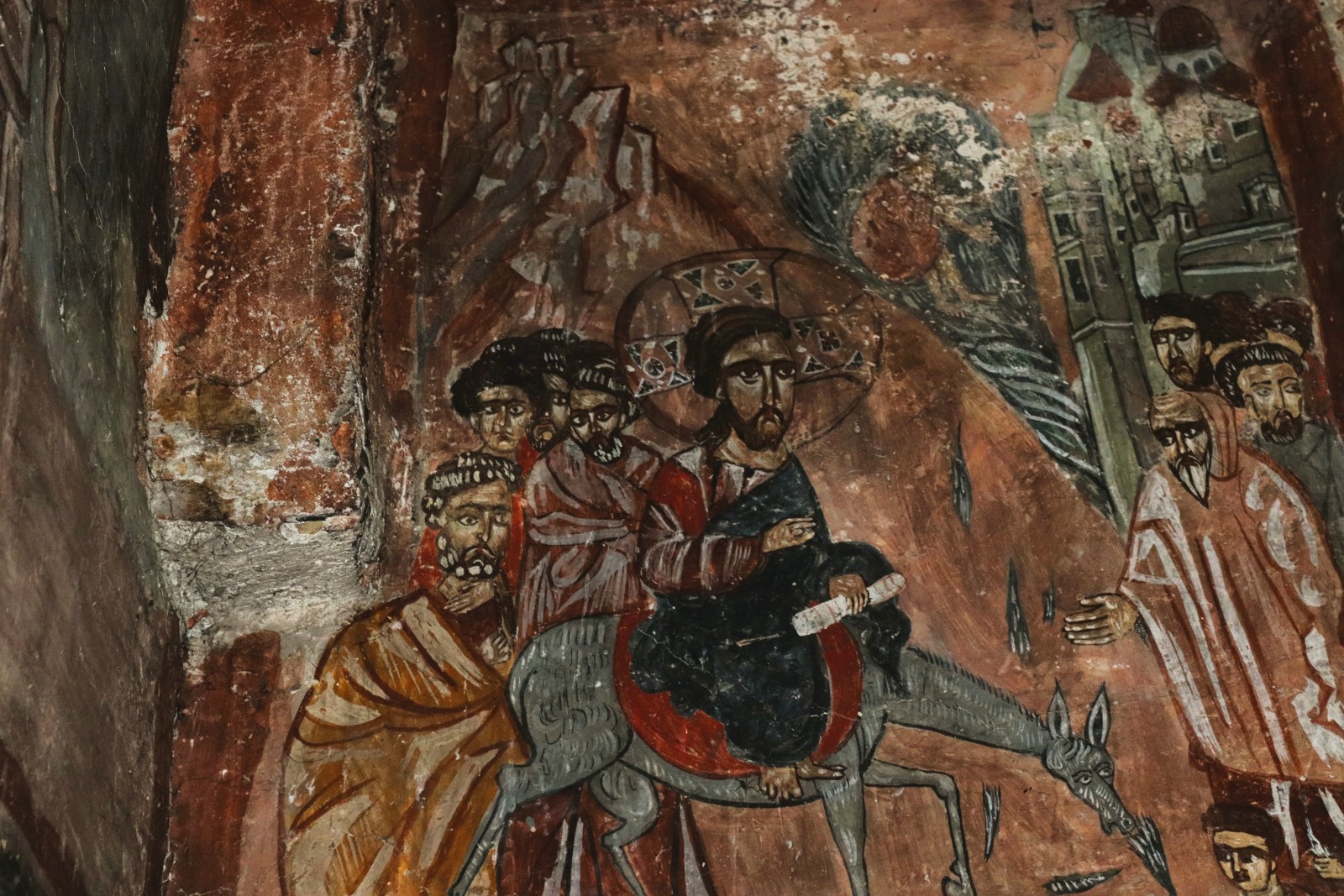
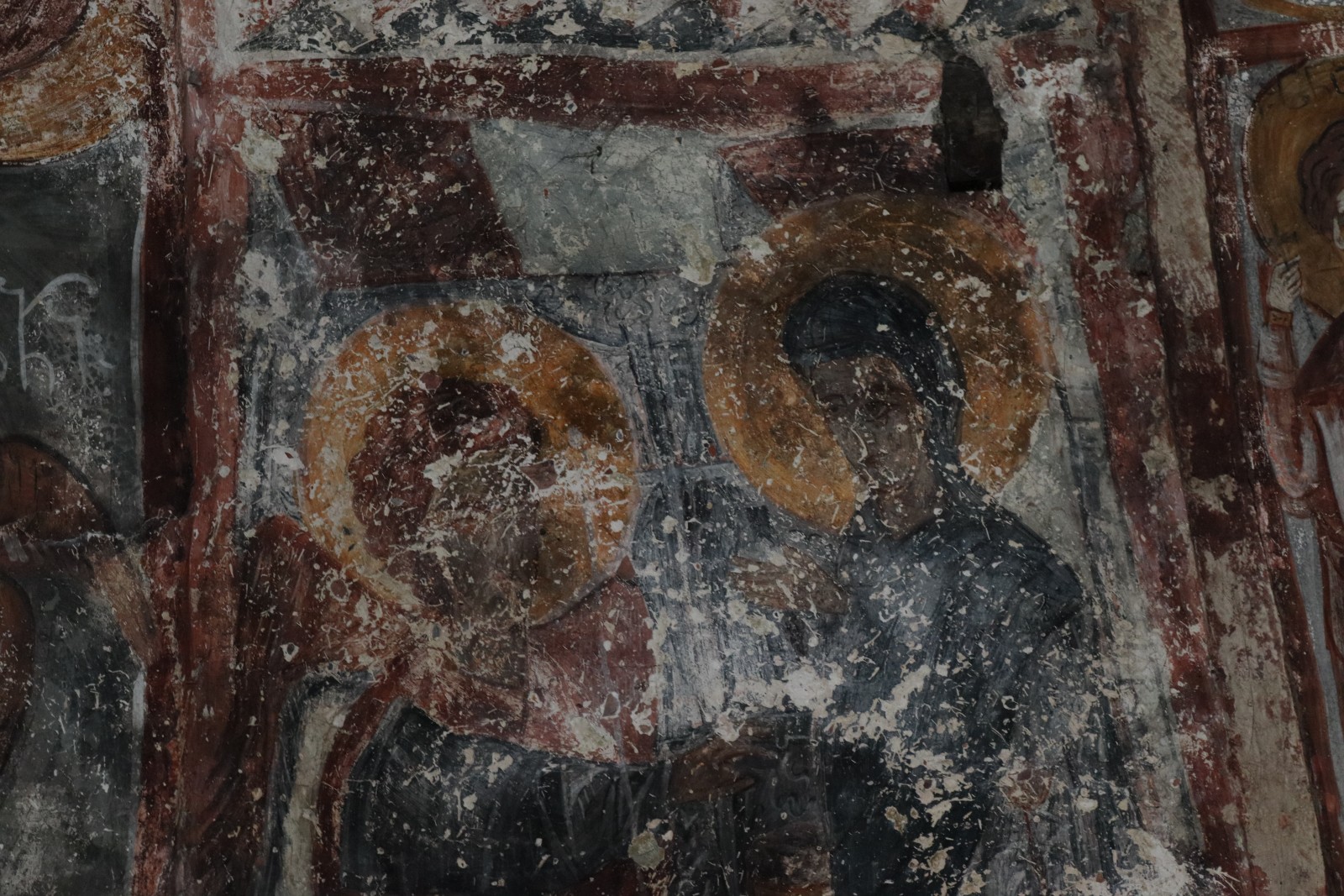
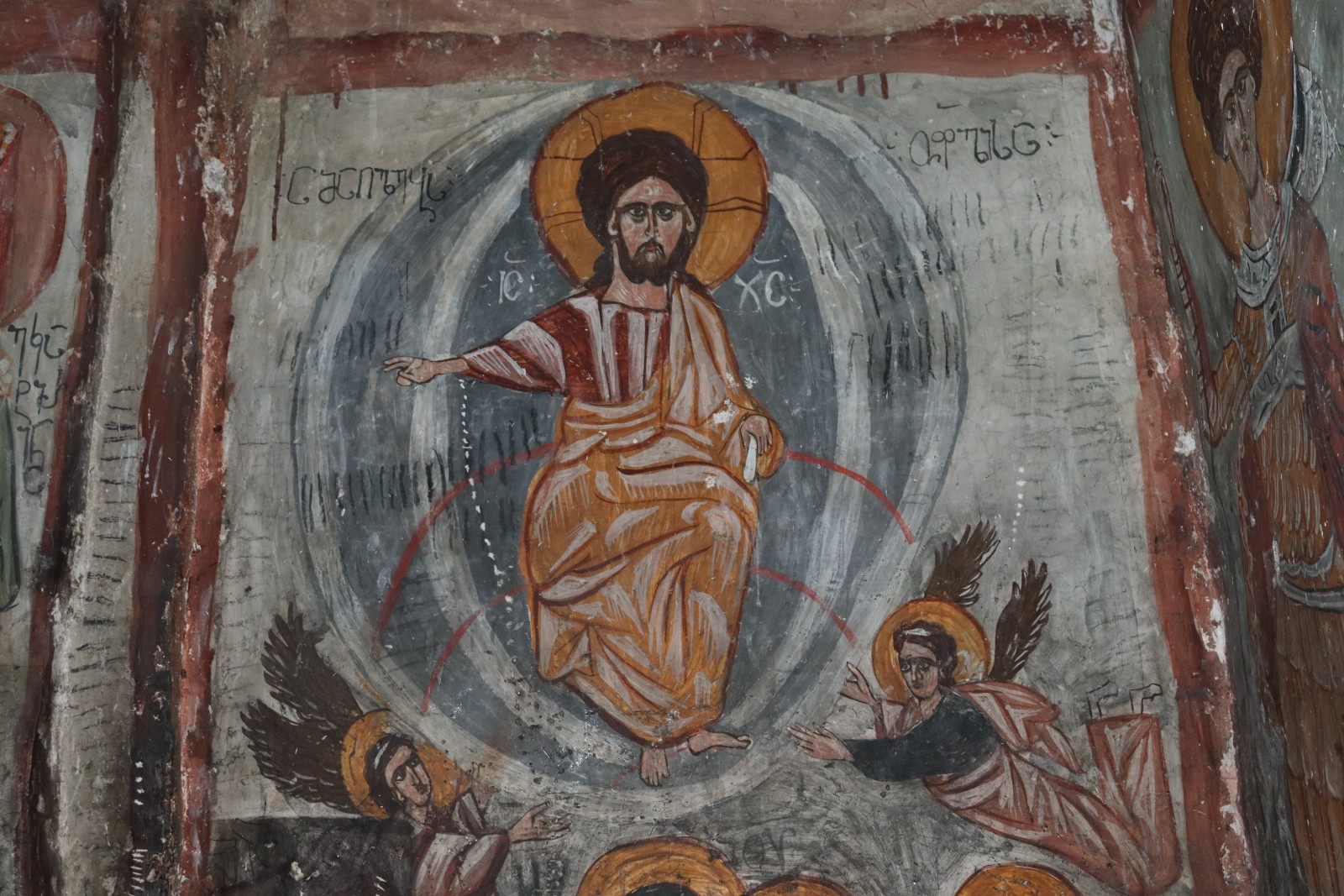
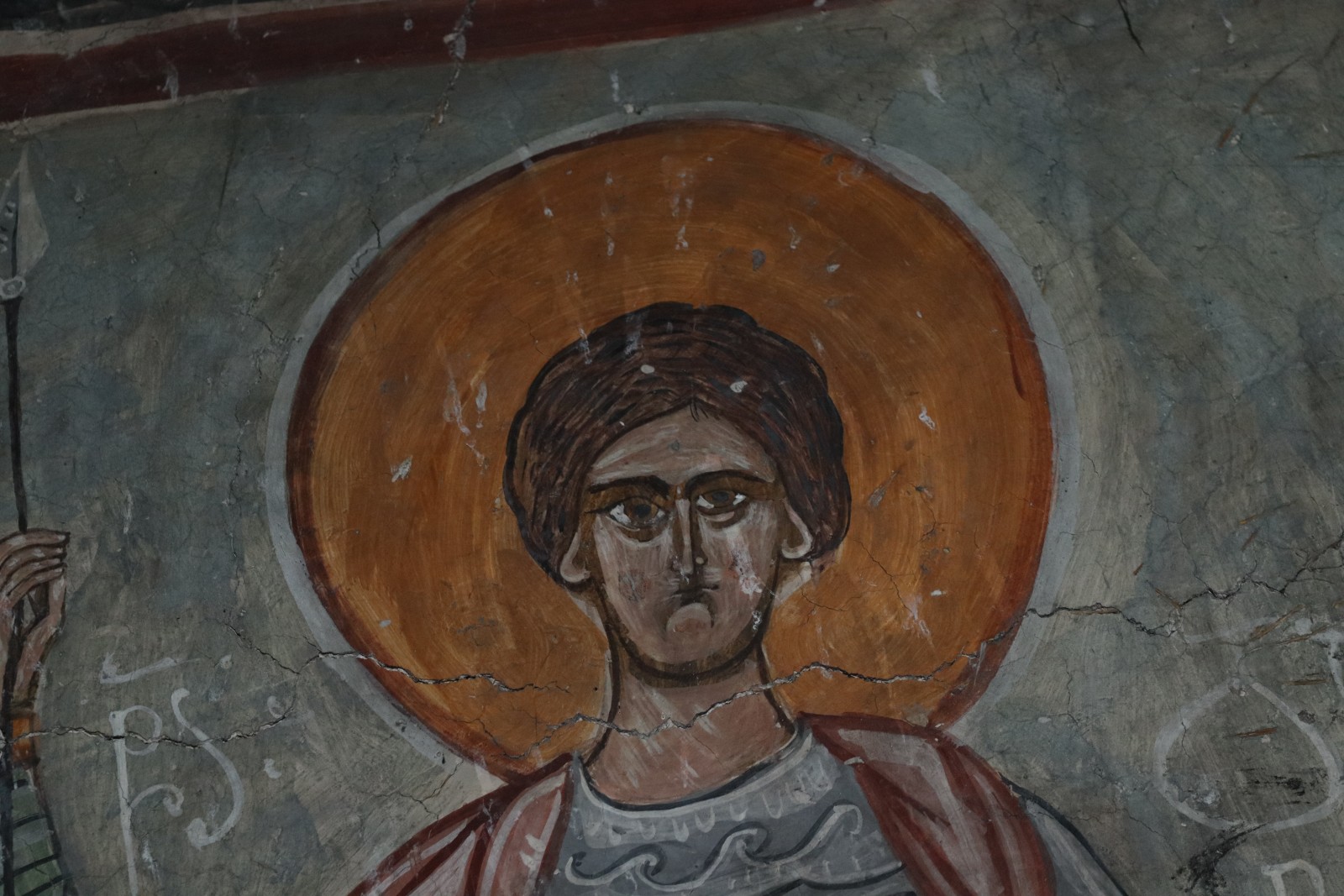
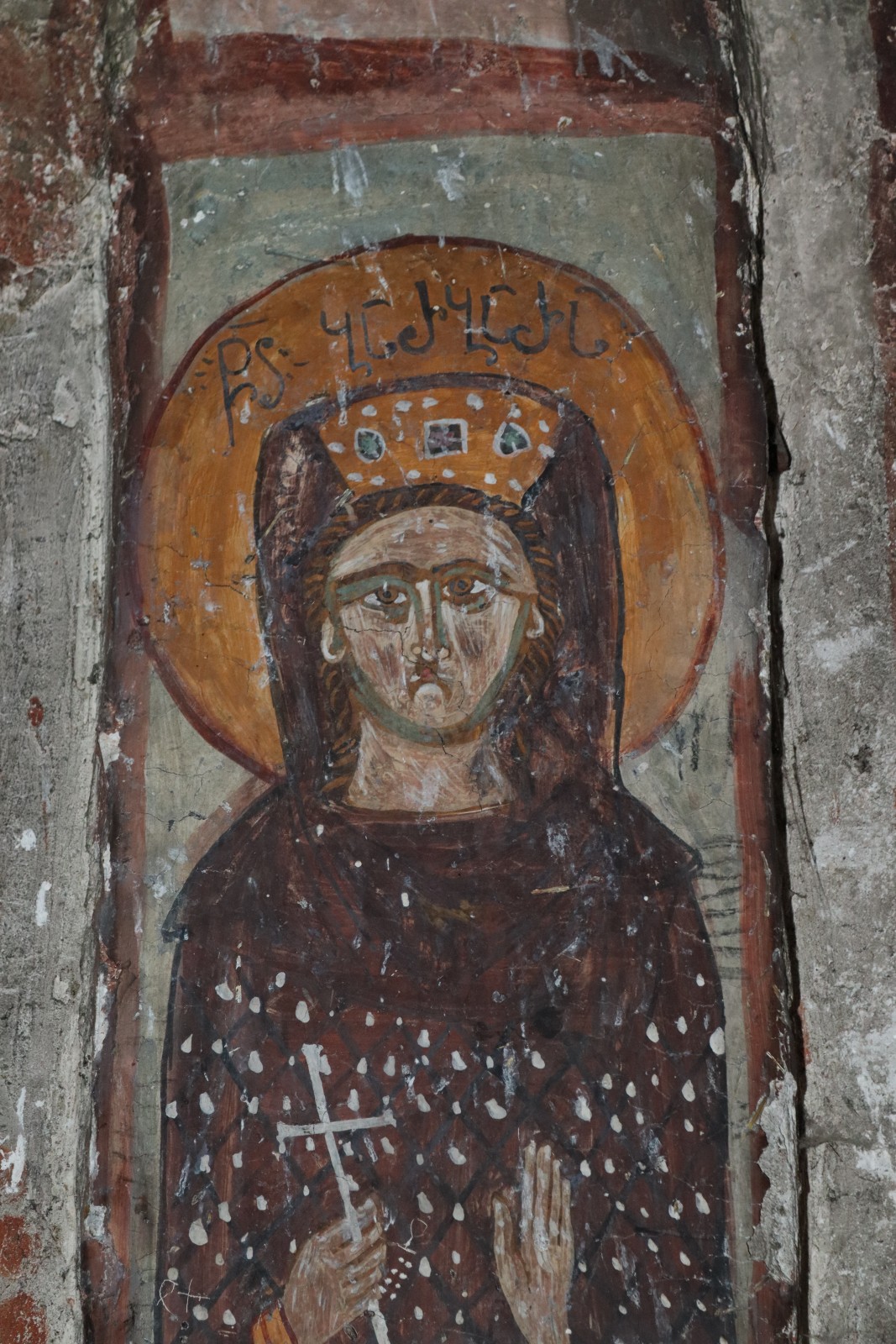
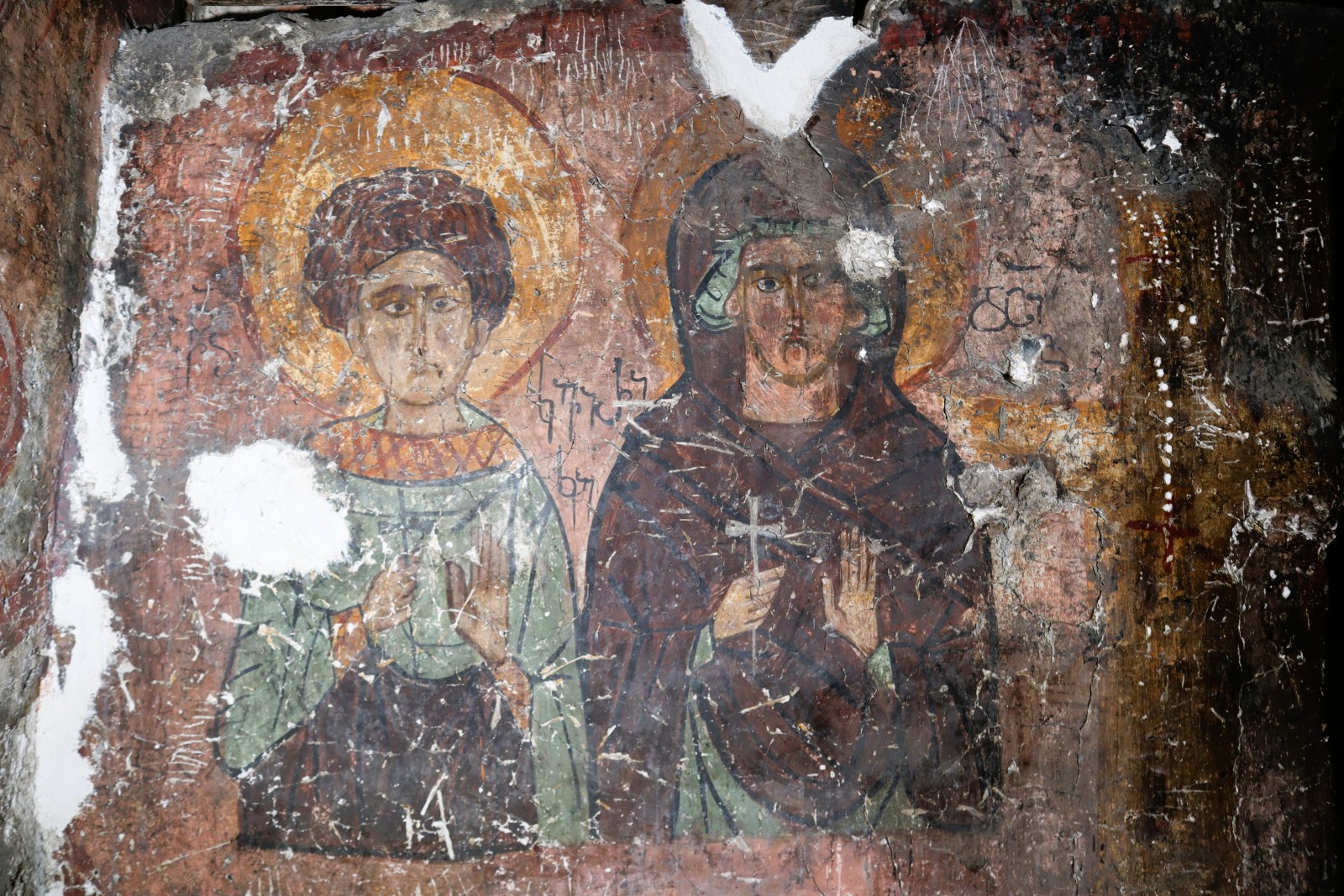
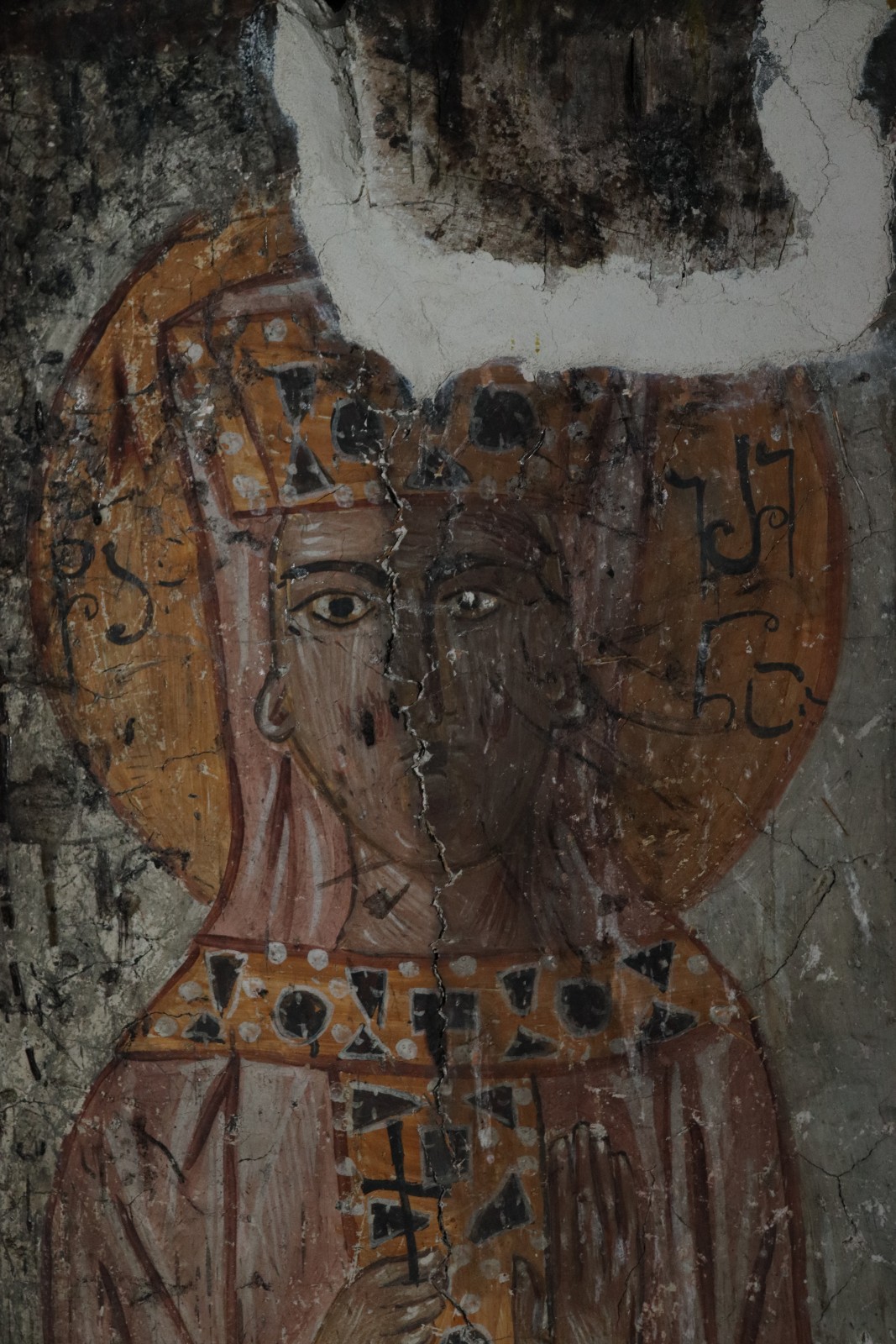
The church's interior and northern façade are adorned with murals from the 17th century. Paintings from the same period are also found on both sides of the entrance from the annex into the main church - something very rare for Upper Svaneti.
The interior murals of the Church of Chazhashi church are an important and noteworthy example of the final stage in the development of the Svaneti school of painting. This is especially evident in the peculiar conceptual arrangement of the wall painting, complex symbolic-theological program. Unity of the separate components of this program and of emphatic conceptual accents summarizes entire knowledge revealed to mankind about the Lord - God the Son of one essence with the Father. The complexity of the general theological idea which forms basis for the iconographic program of the mural decorations is characteristic of this particular period and echoes the common tendency seen in late medieval wall painting in other regions of Georgia.
Other features in the Chazhashi murals also reflect general artistic tendencies of the time: the use of unusual iconographic versions, a less traditional distribution of the scenes within the tiers, some inconsistencies in figure proportions and compositional arrangement of the scenes, as well as modes of execution of faces and vestments. Particularly noteworthy is a highly unusual phenomenon that might be considered an example of the artist’s “iconographic creativity”: in the center of the chancel is a representation of both the Mandylion and the Man of Sorrows combined as a single image - something that, at least for now, has no known parallels in either Georgian or post-Byzantine art.
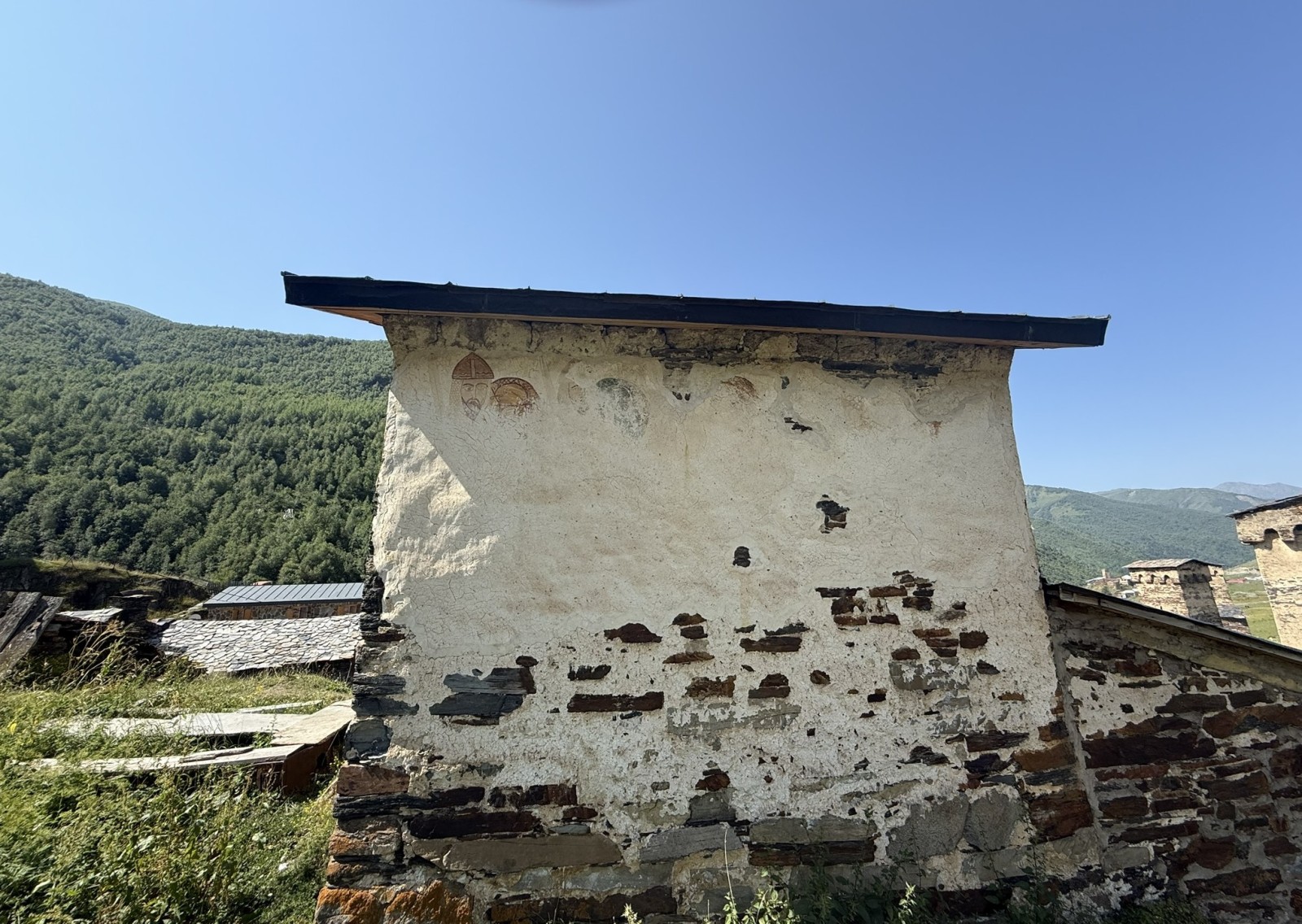
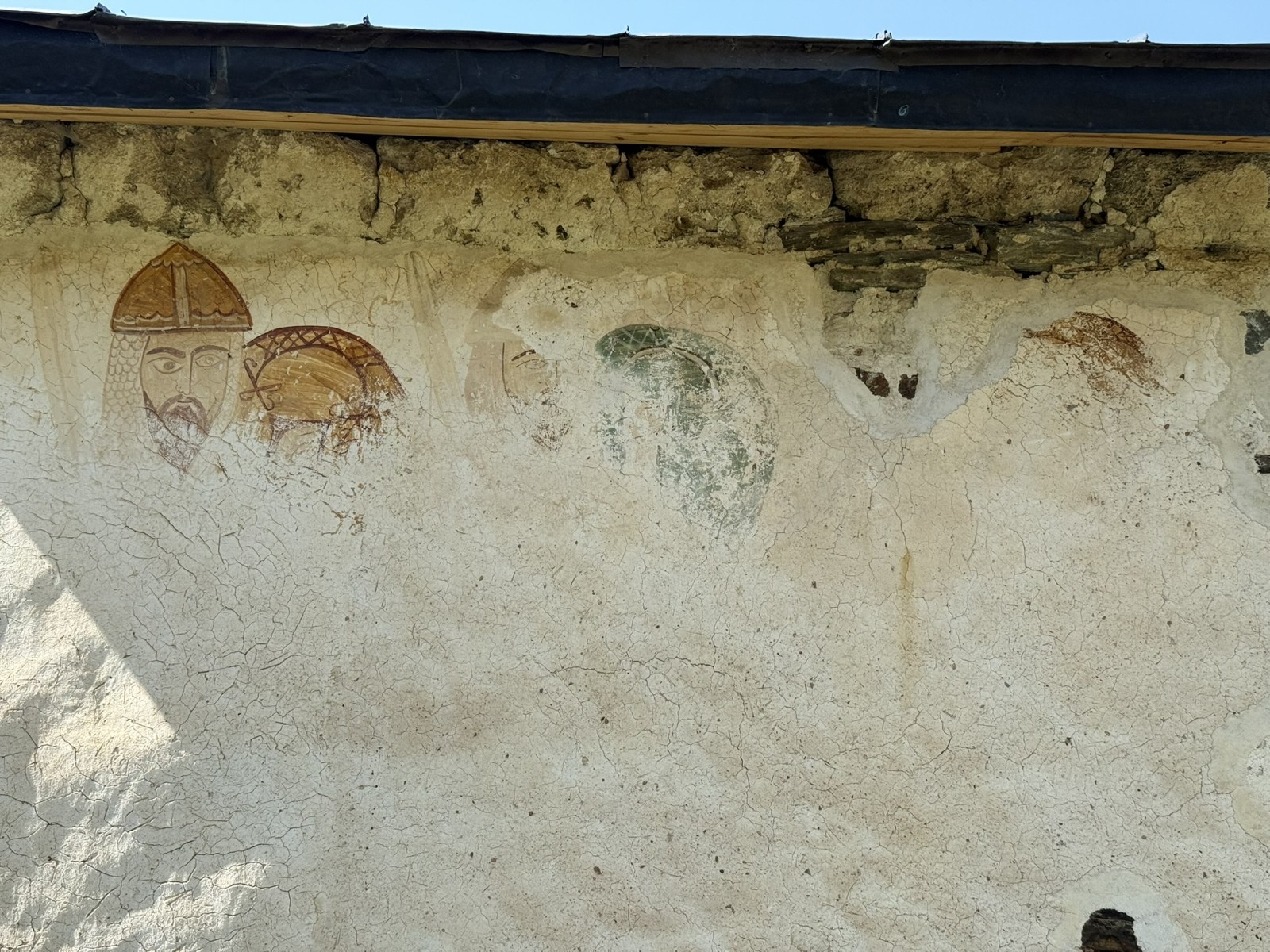
The mural on the northern façade is severely damaged and fragmentary, but it once included scenes from the heroic epic of "Amiran-Darejaniani." Depicting secular themes in church façade painting is extremely rare; however, a parallel can be found only in Upper Svaneti church, the Taringzeli Church of Lashkhveri, dating to the late 14th - early 15th centuries.
| Location | The church is located in the center of the village |
| The Key Holder | The key is kept with Emzar Nizaradze |