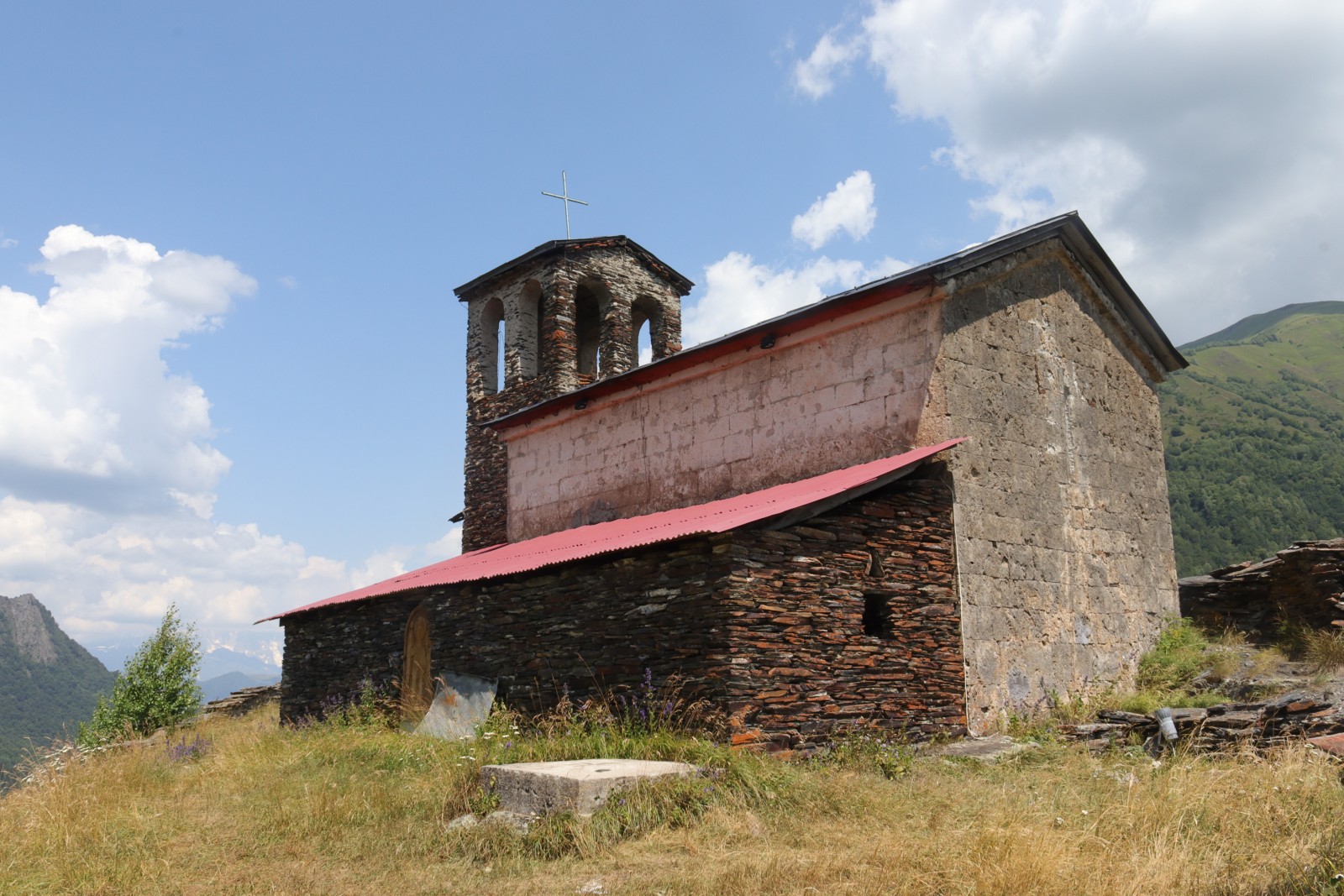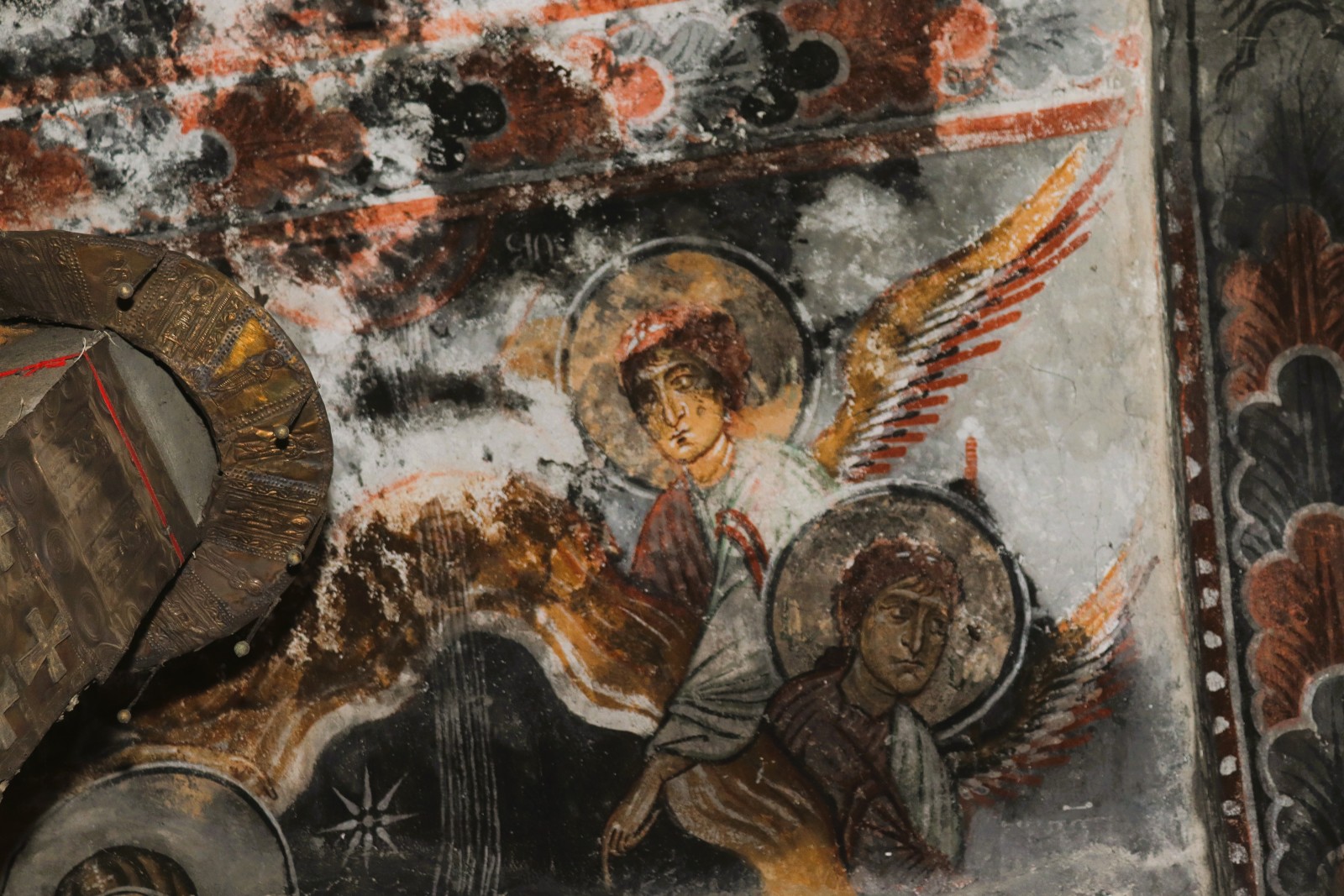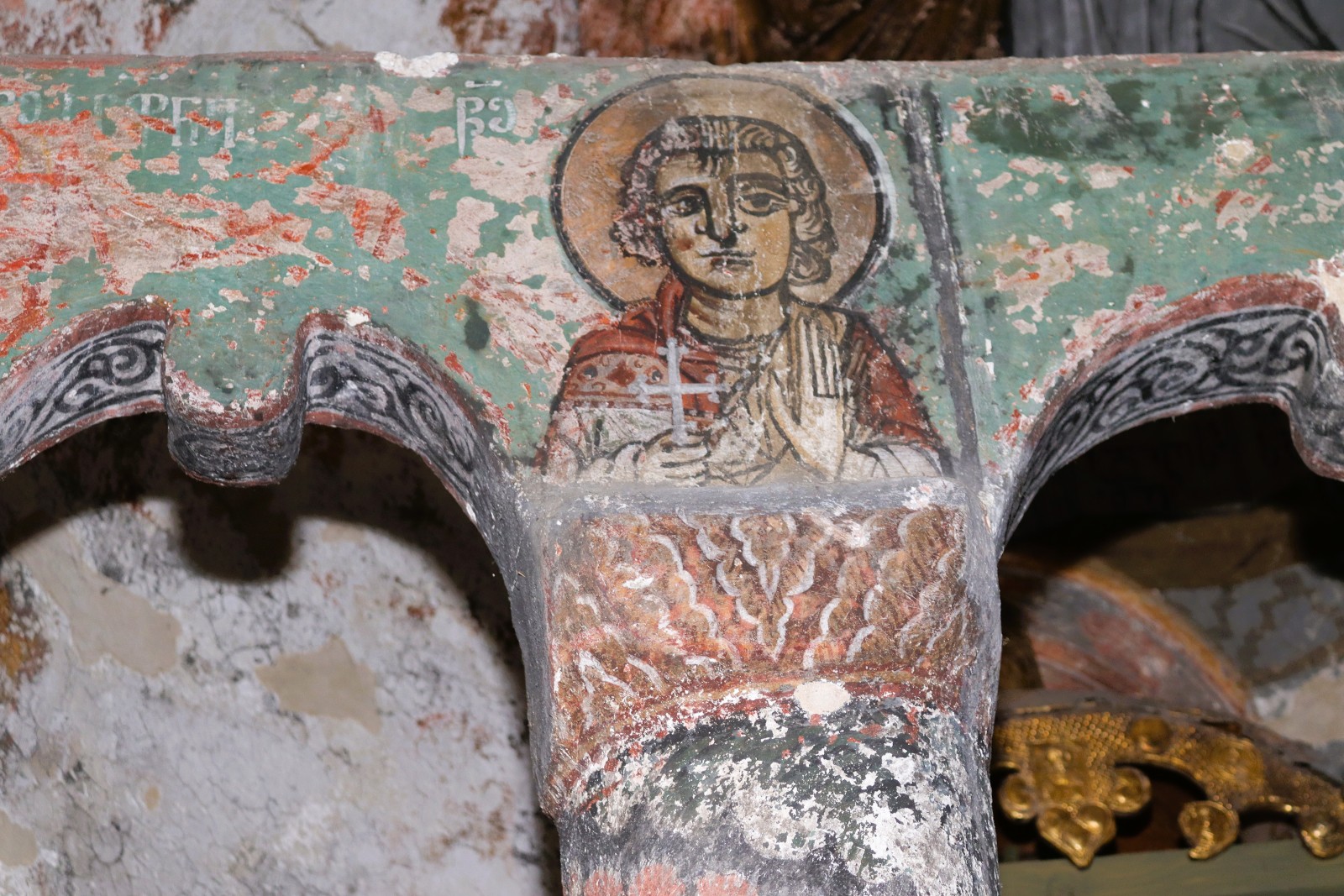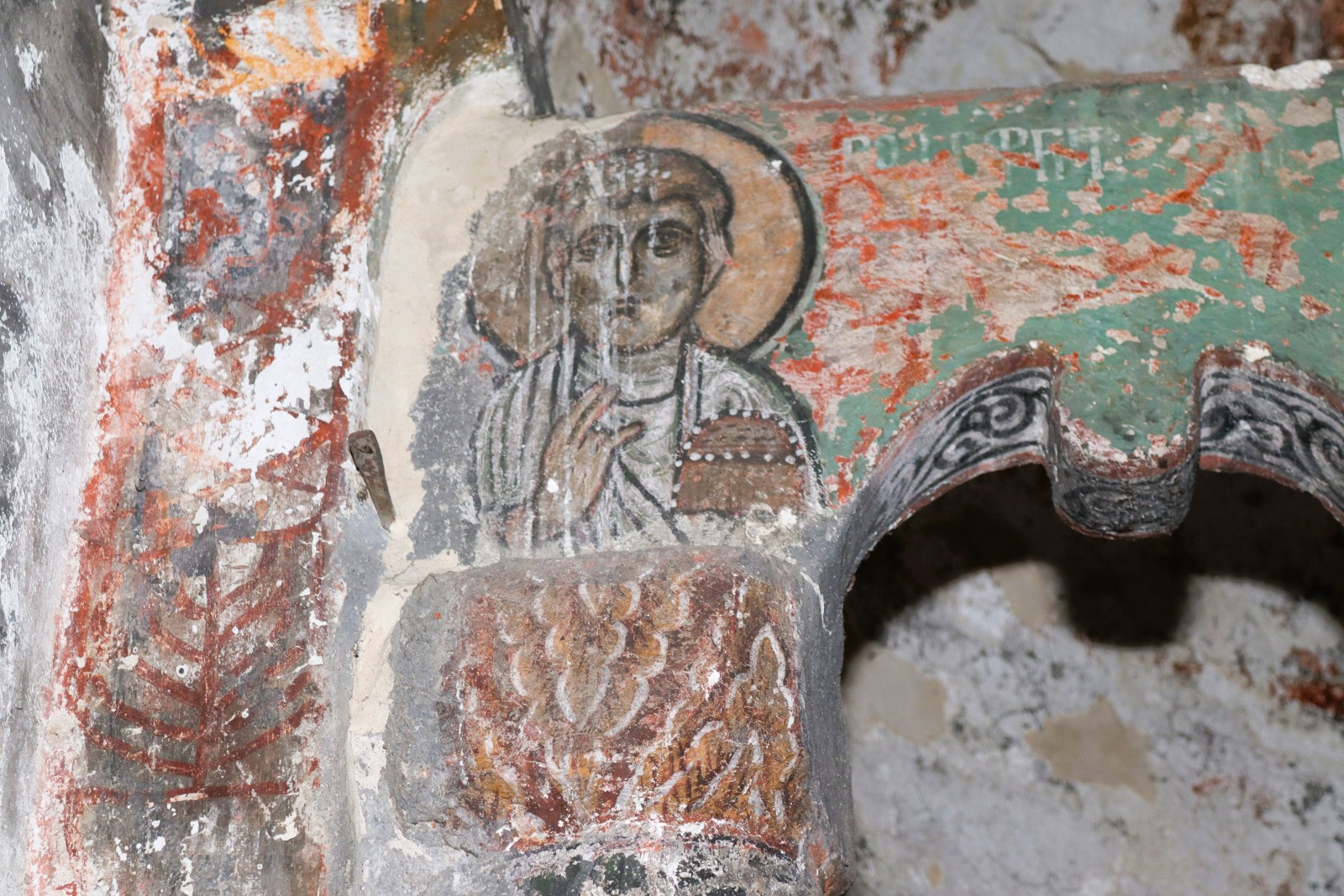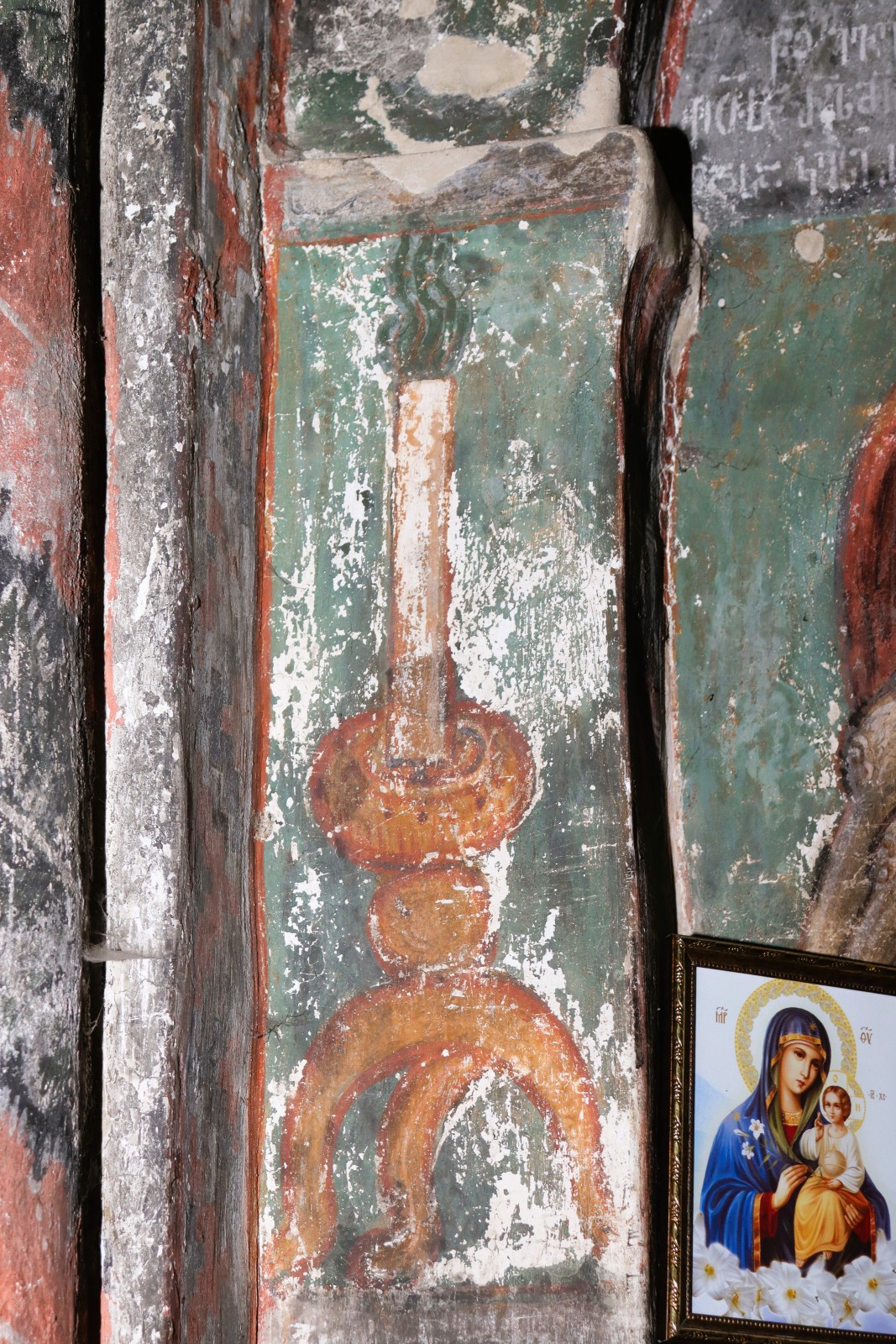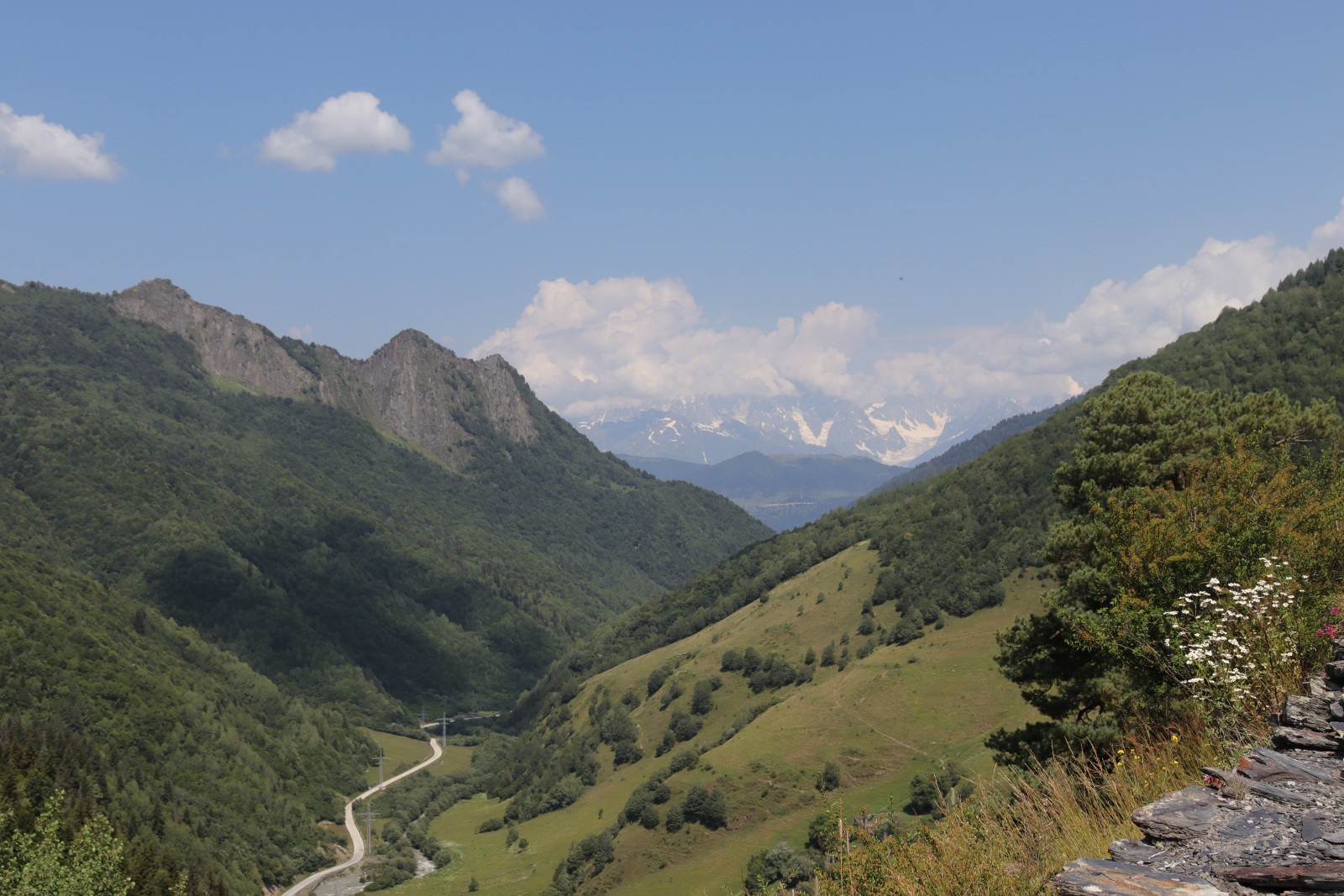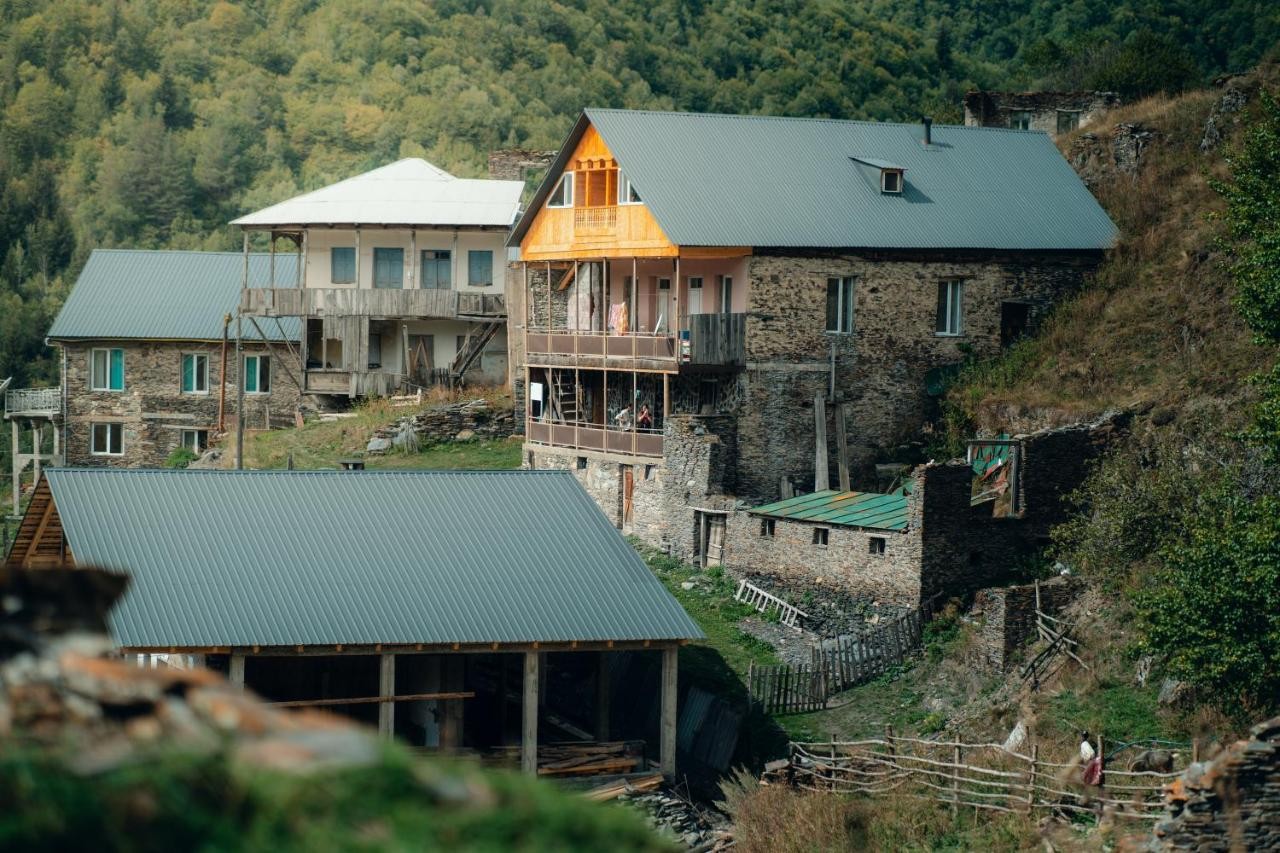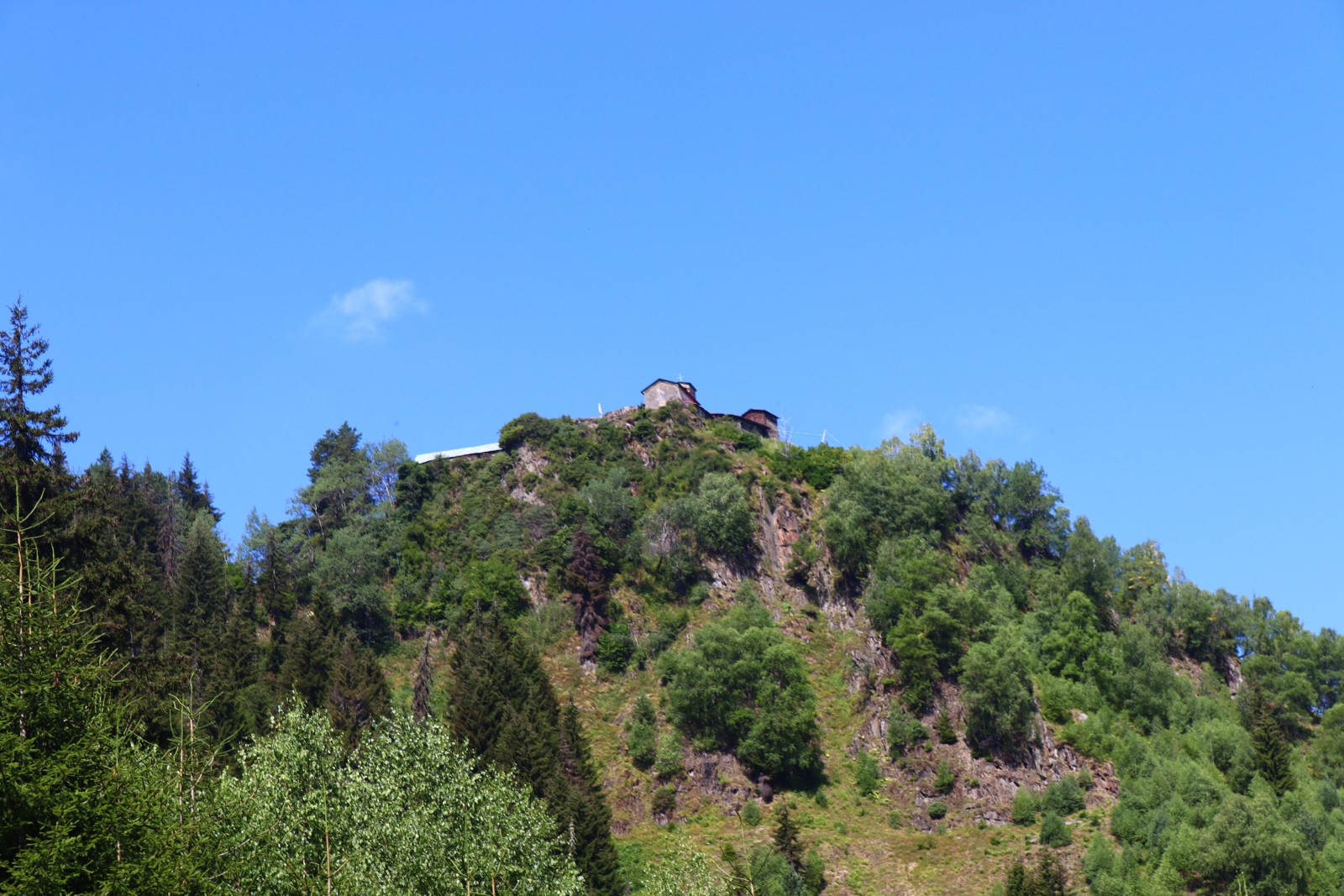

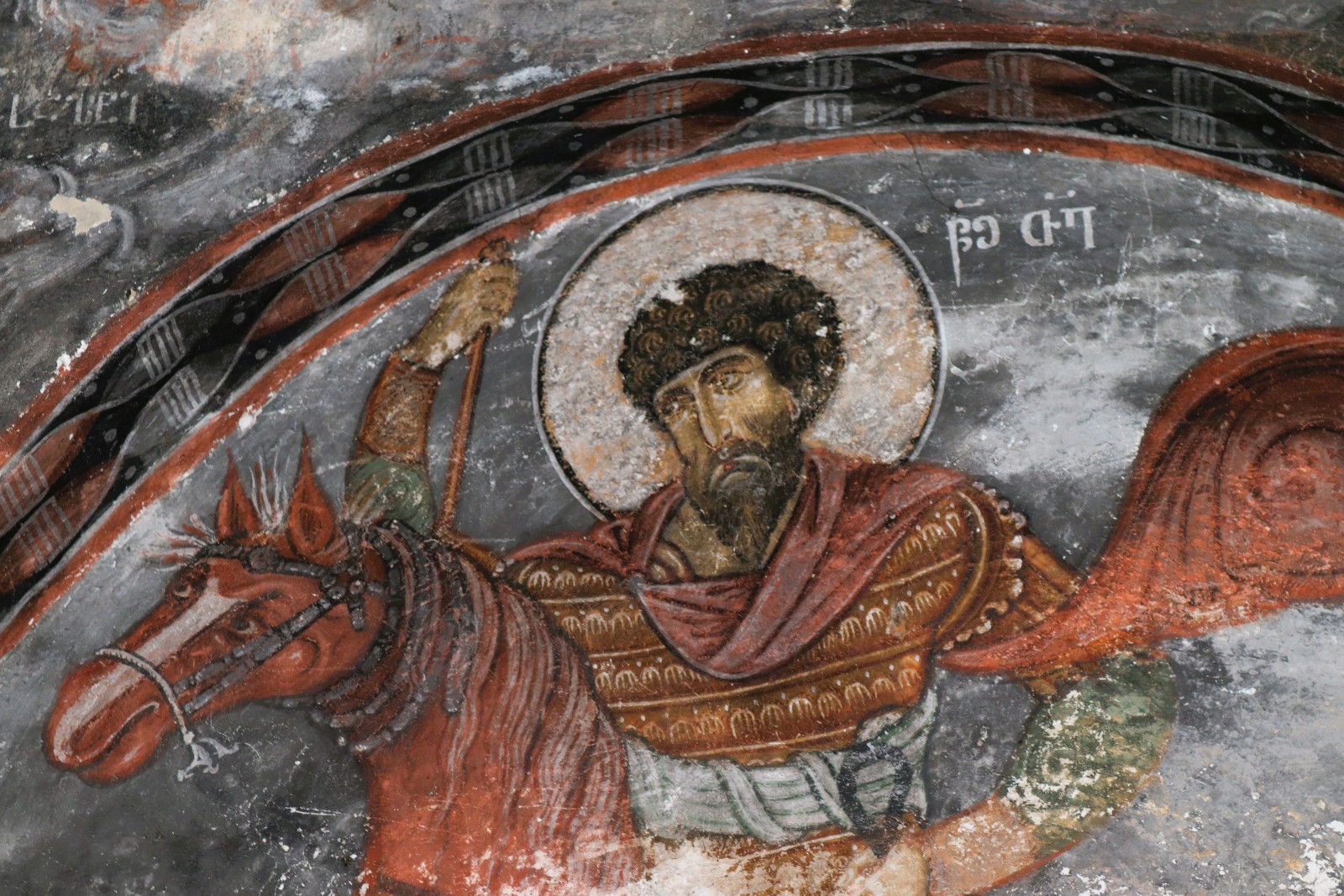
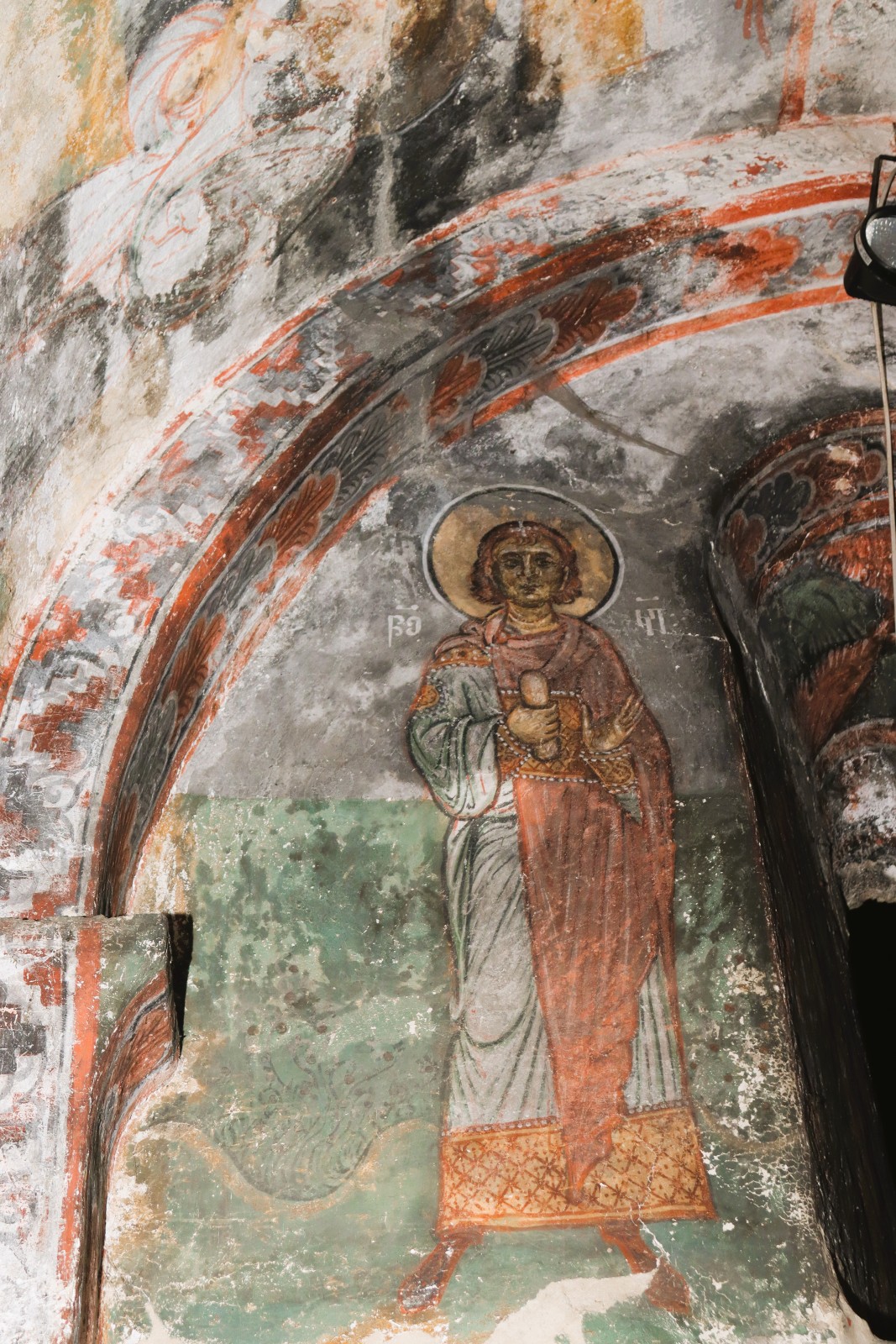
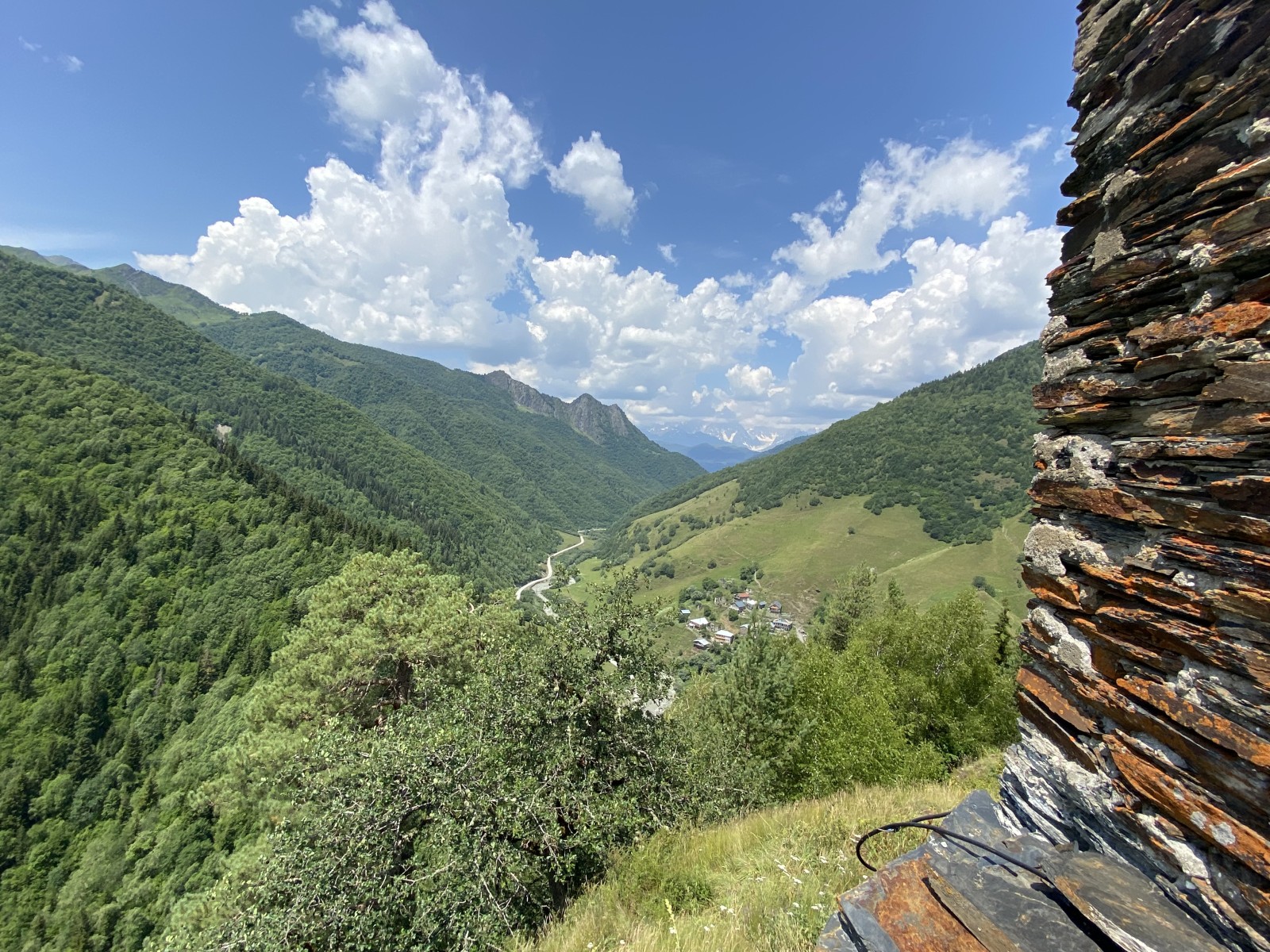
A small single nave church from the 10th century with an annex (to the south) and a bell tower (to the west), Lagurka is located on a mountain peak opposite the village of Khe in the Kala community and represents the main place of worship of Svaneti. To this day, on the feast day of St. Cerycus, people from all over Svaneti gather here.
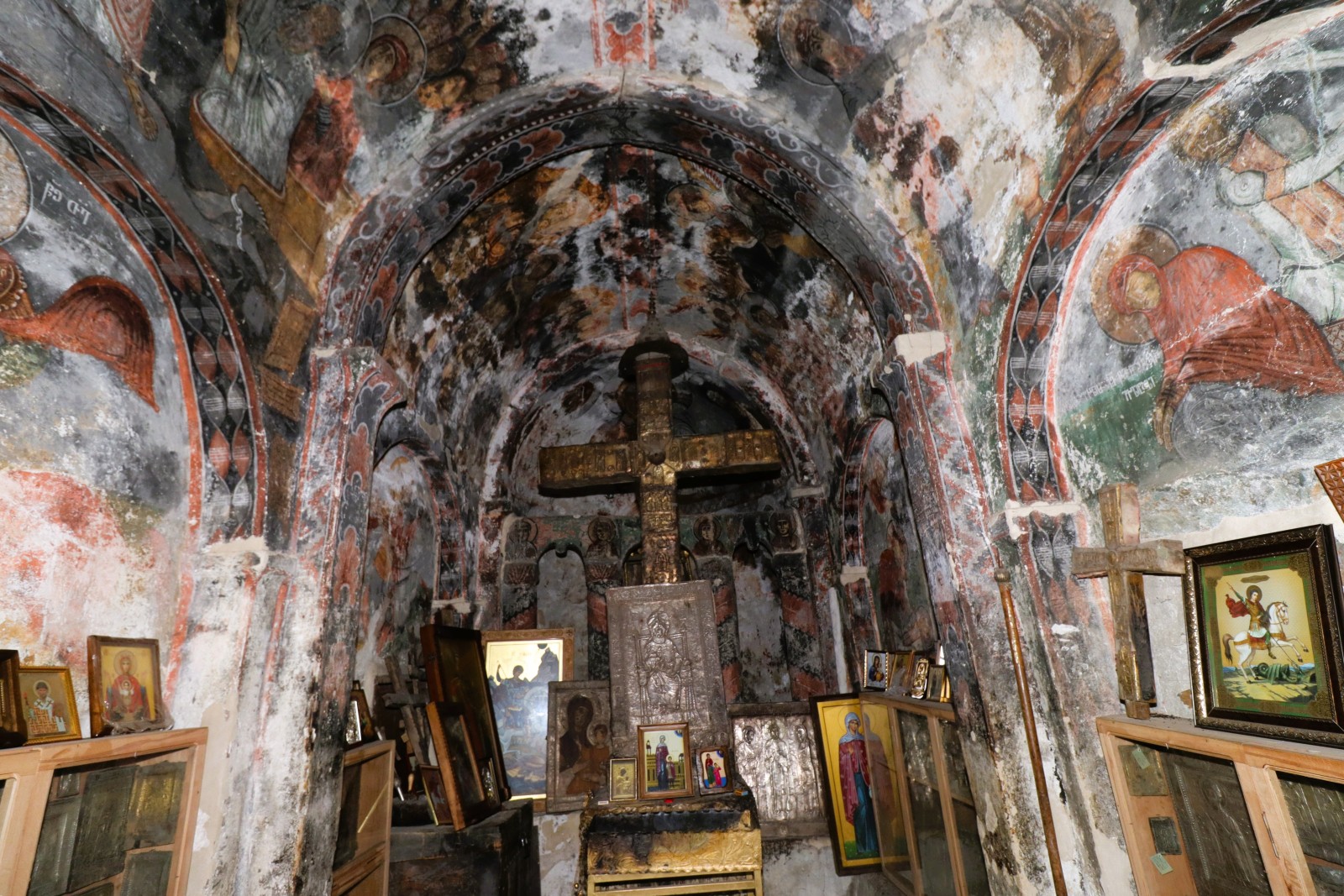
According to tradition, Lagurka houses the entire treasurey of the churches of the Kala community - various repoussé and painted icons, crosses, and objects donated over the centuries. One of the most notable relics preserved here is the so-called “Icon of Shaliani” - a 12th - century reliquary adorned with cloisonné enamel, repoussé decorations, and precious stones, a remarkable work of Byzantine craftsmanship.
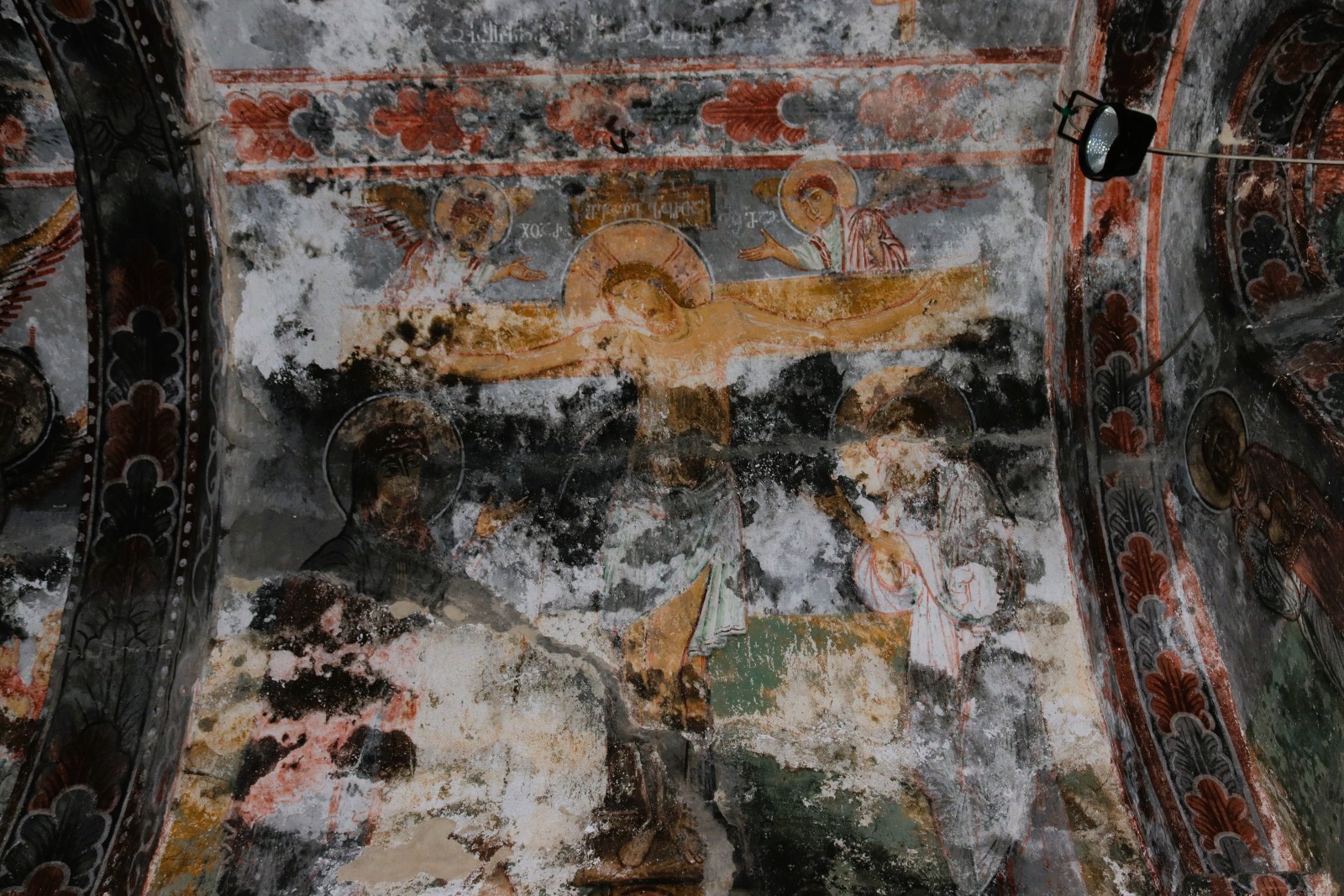
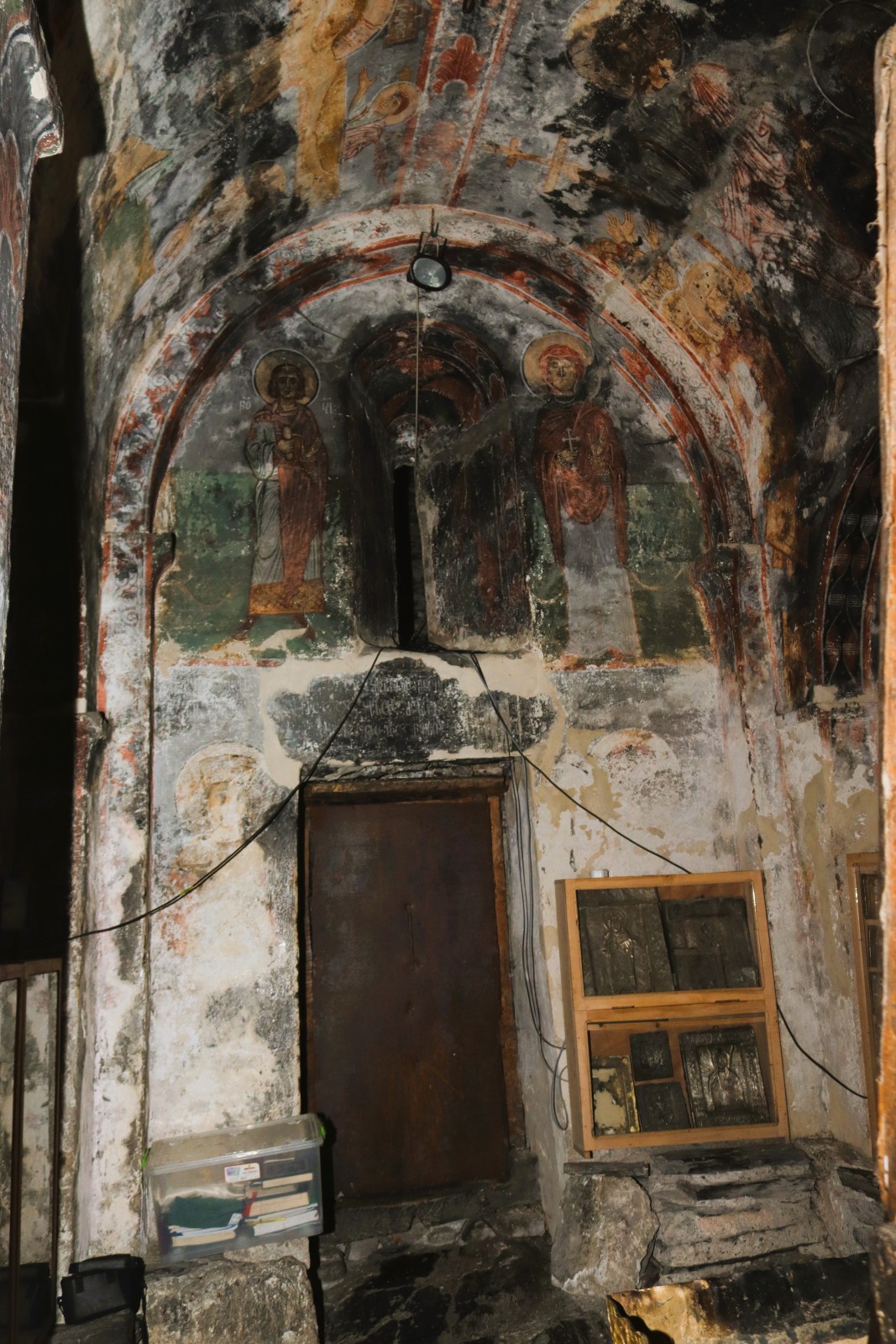
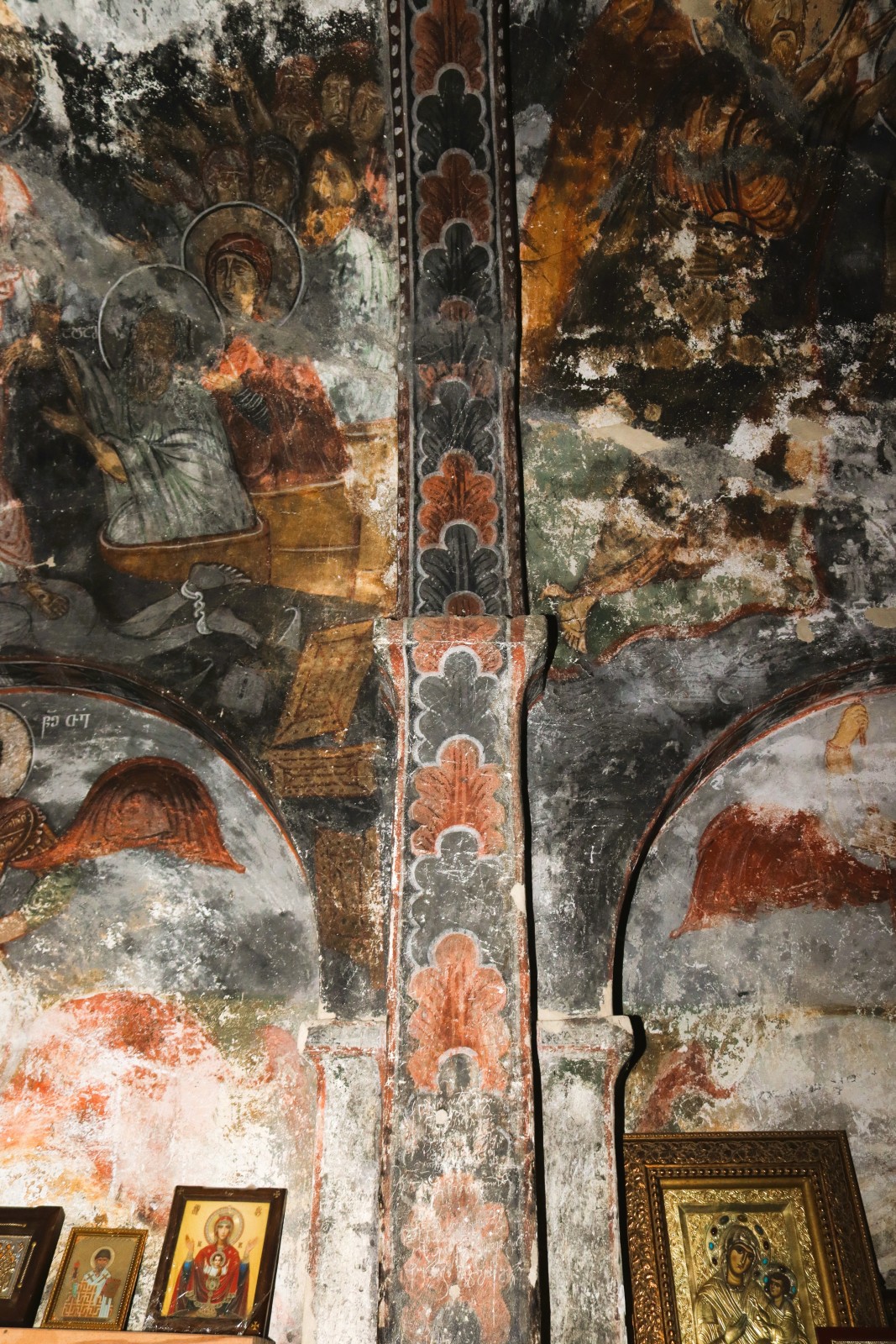
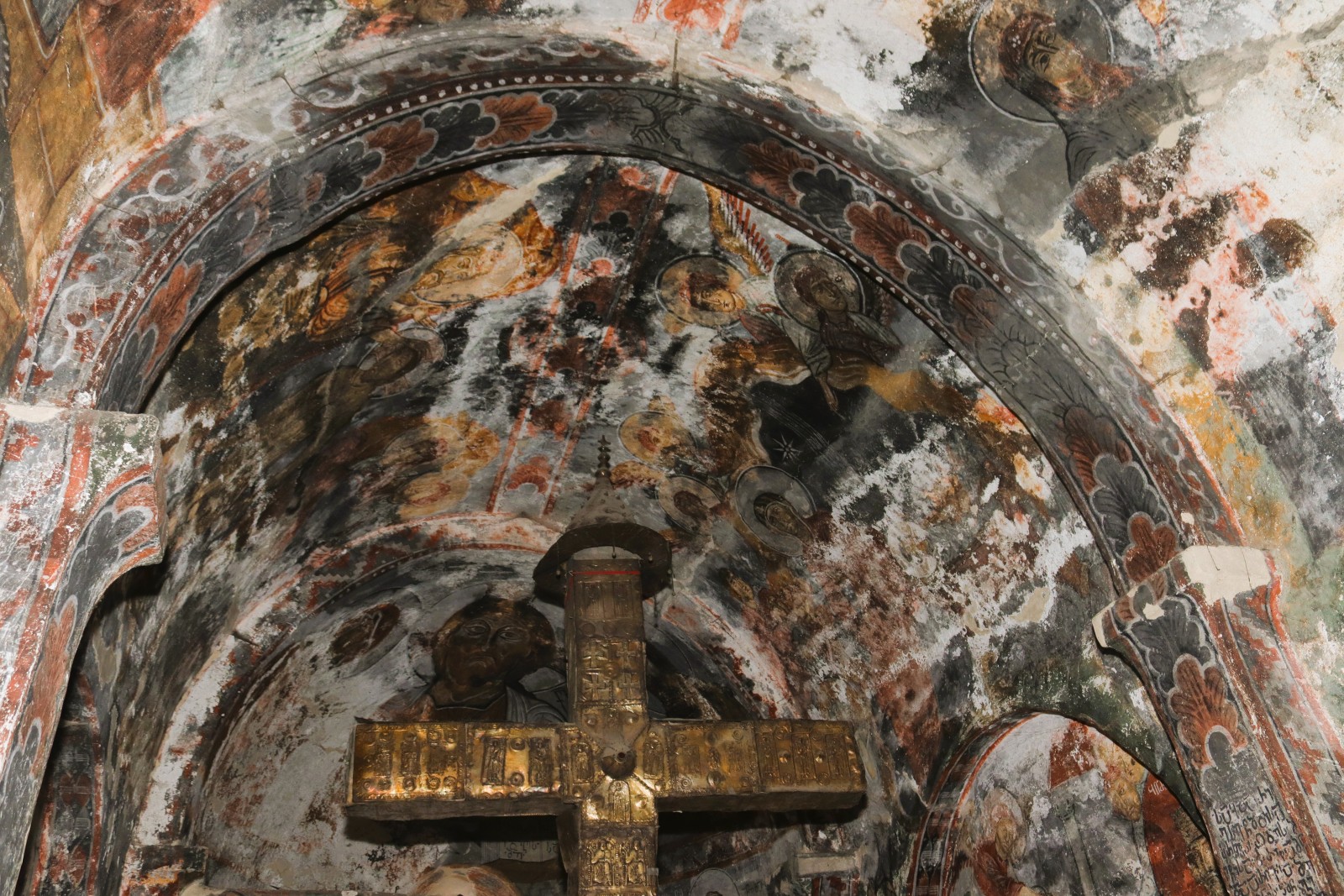
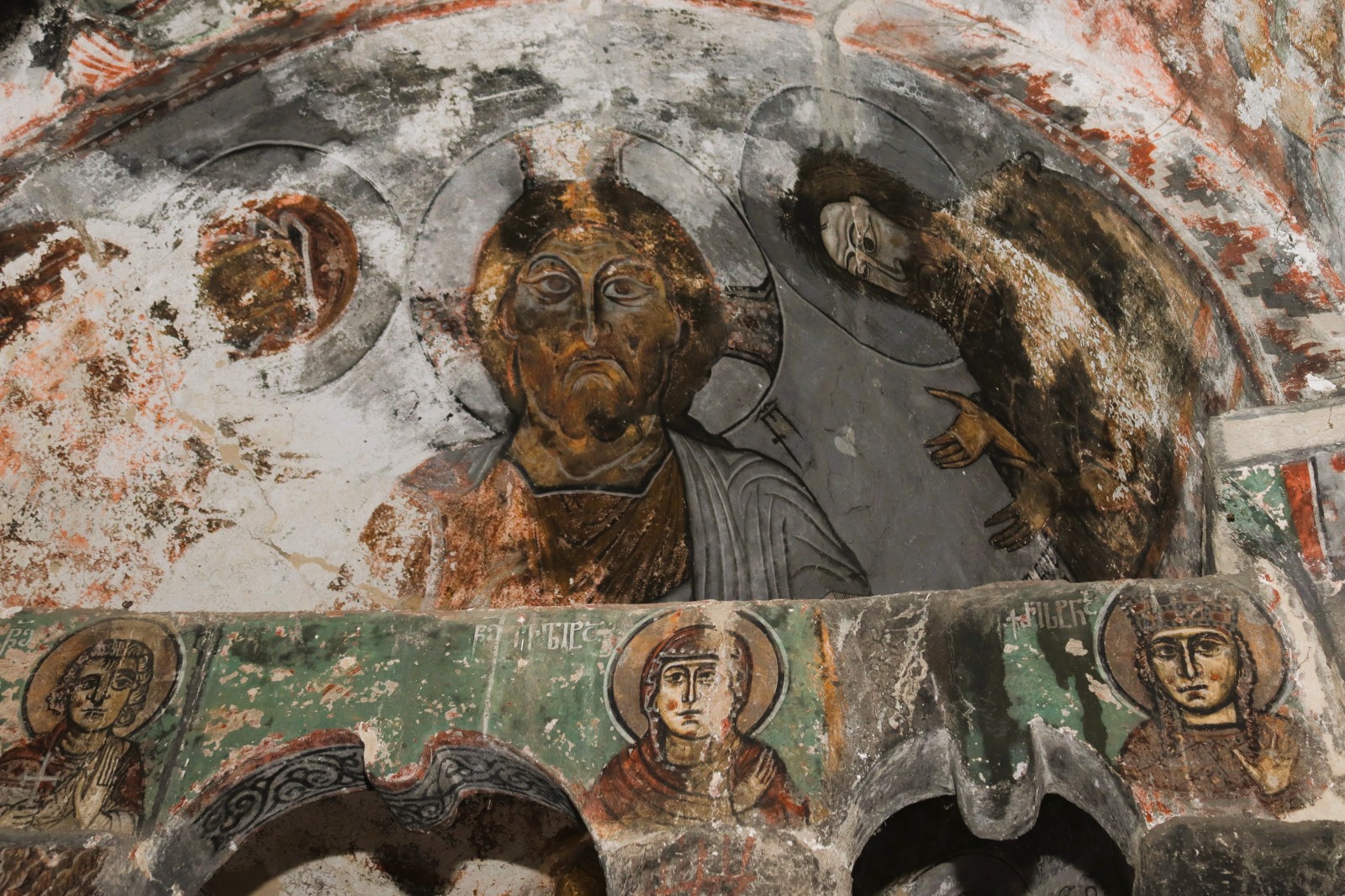
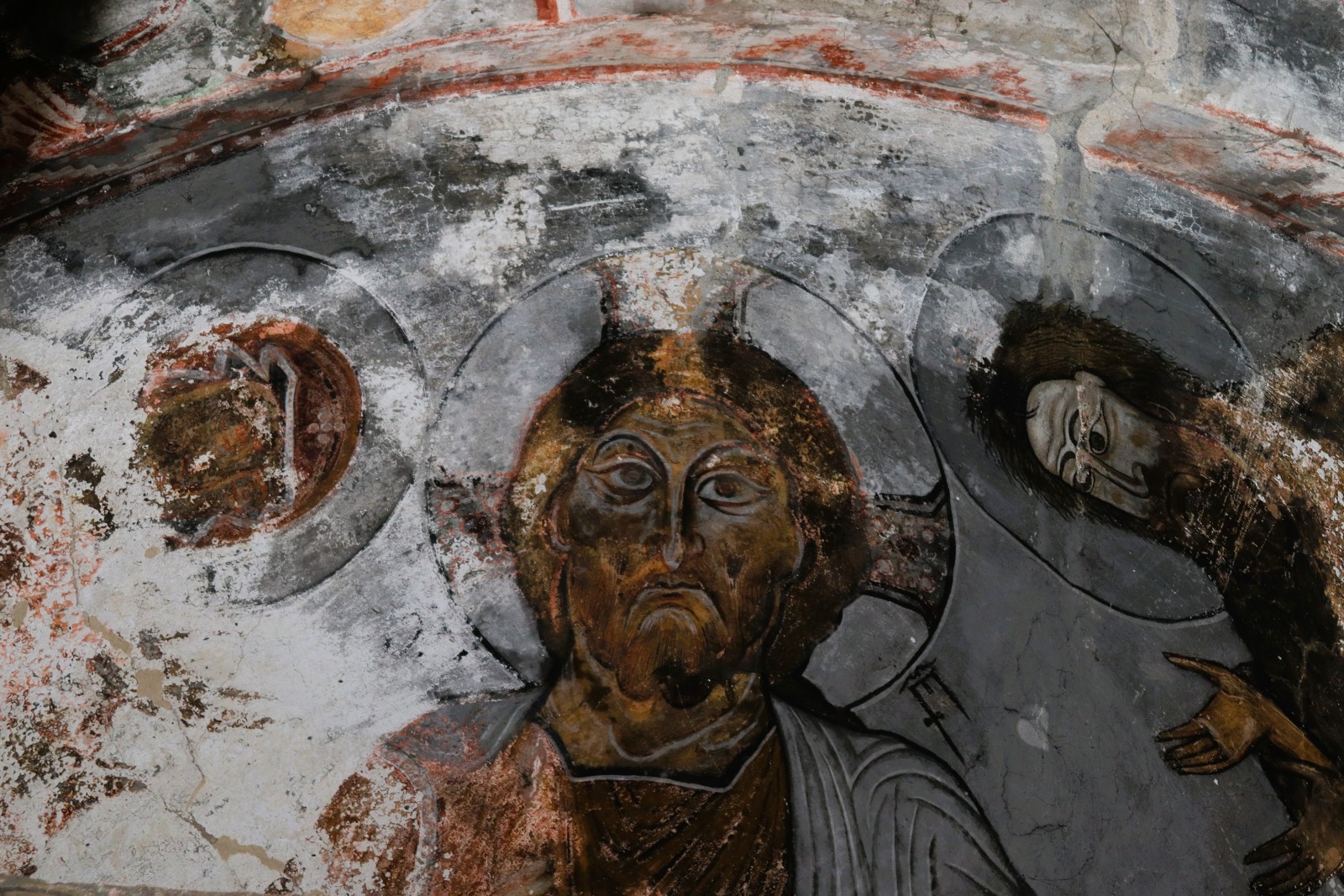
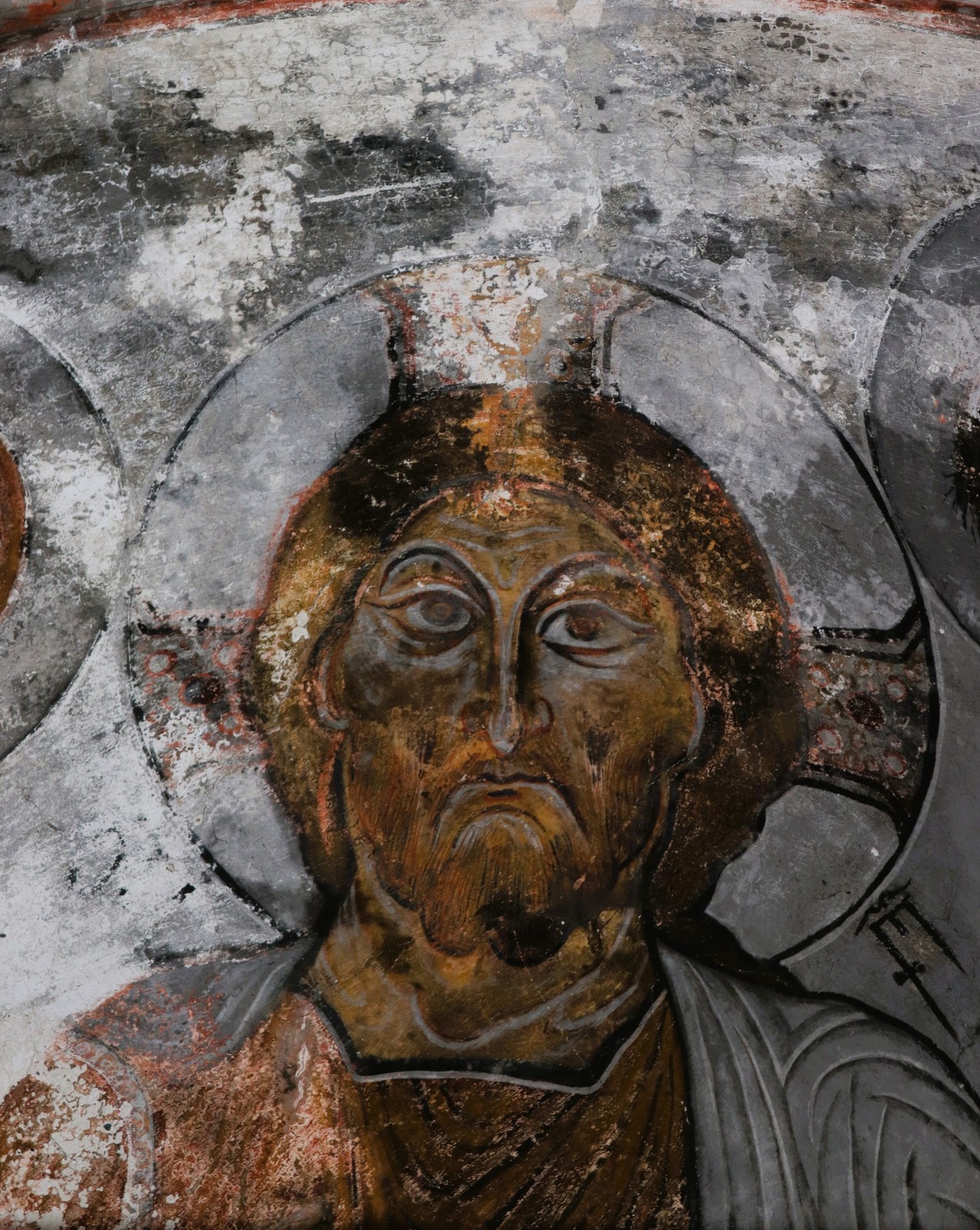
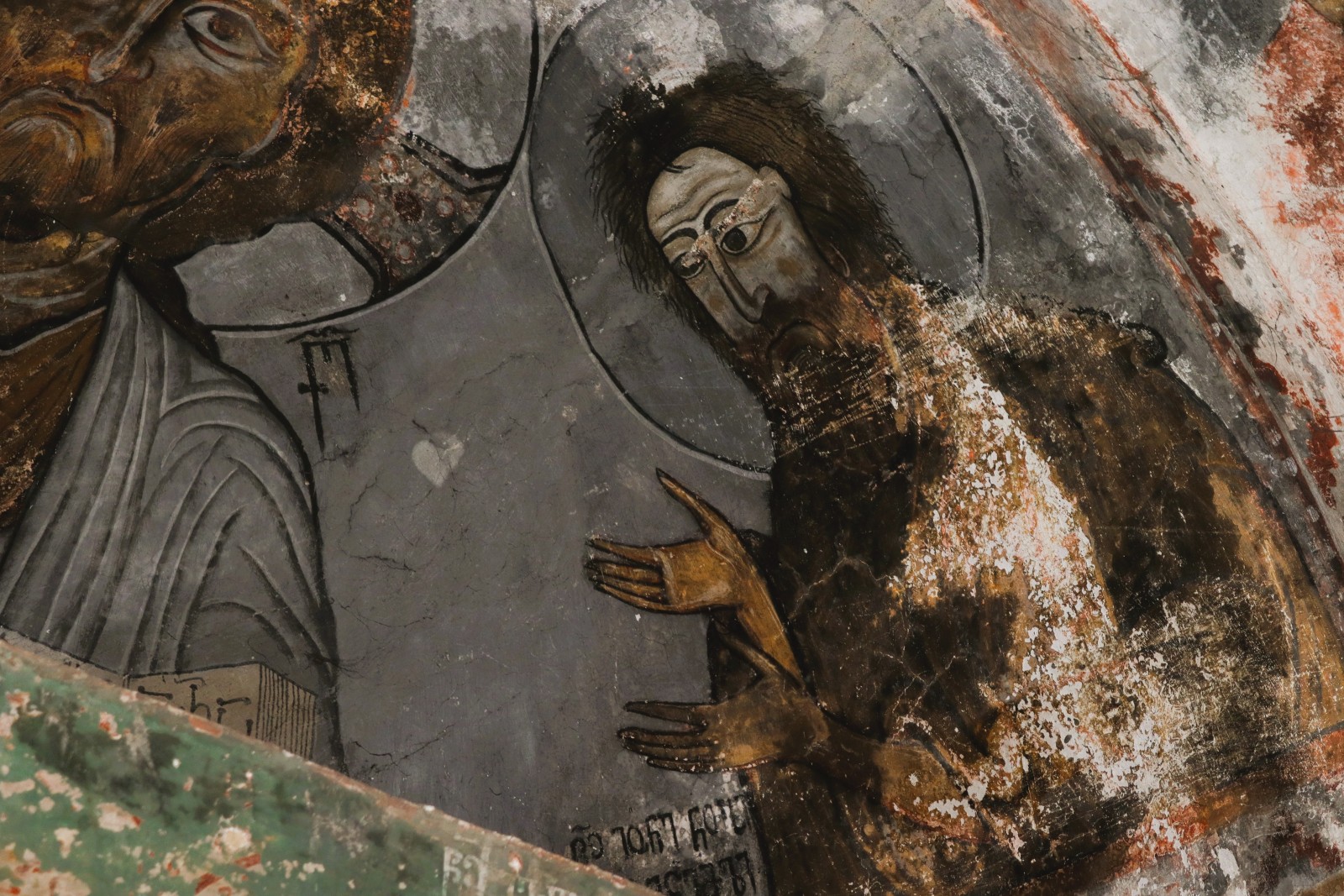
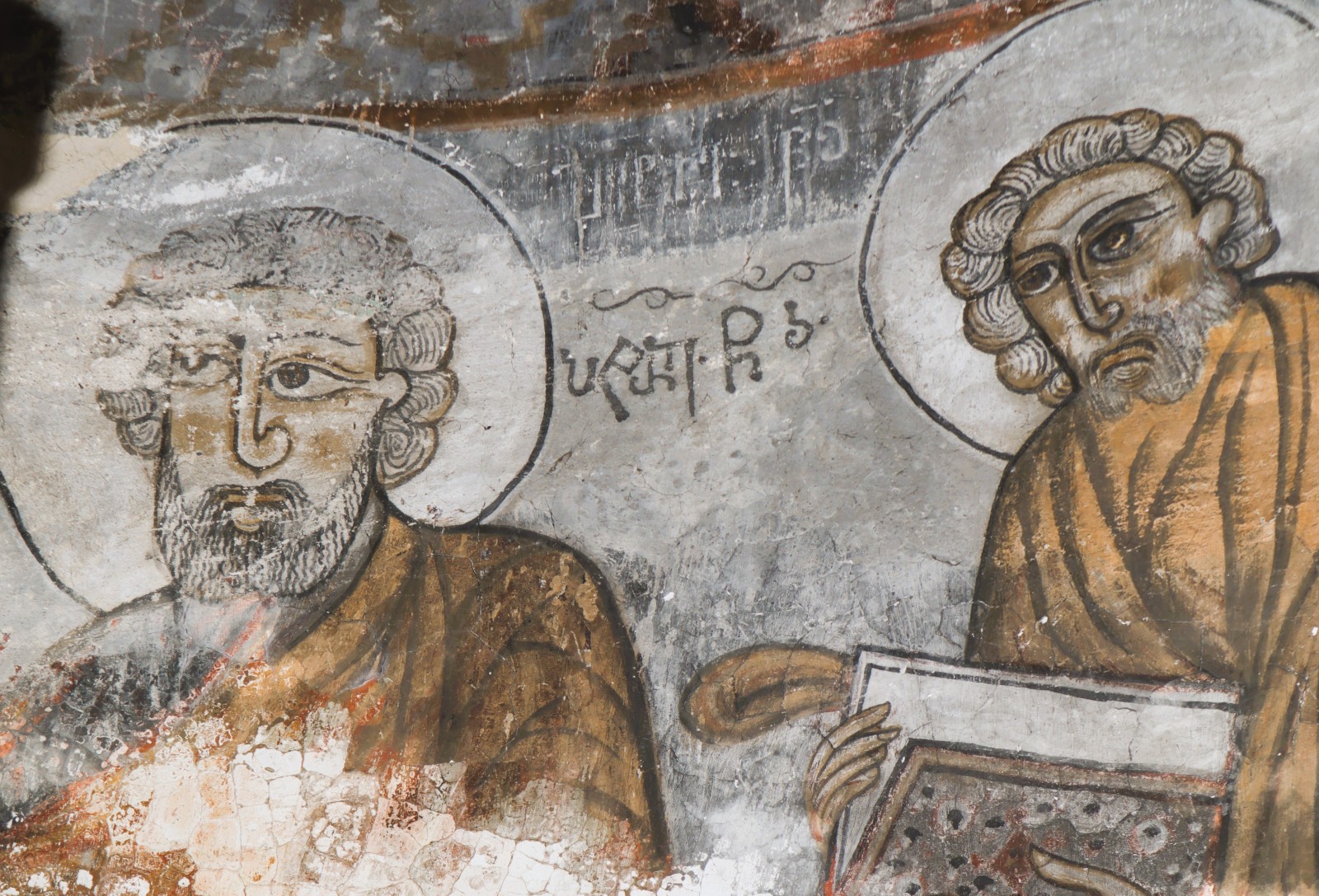
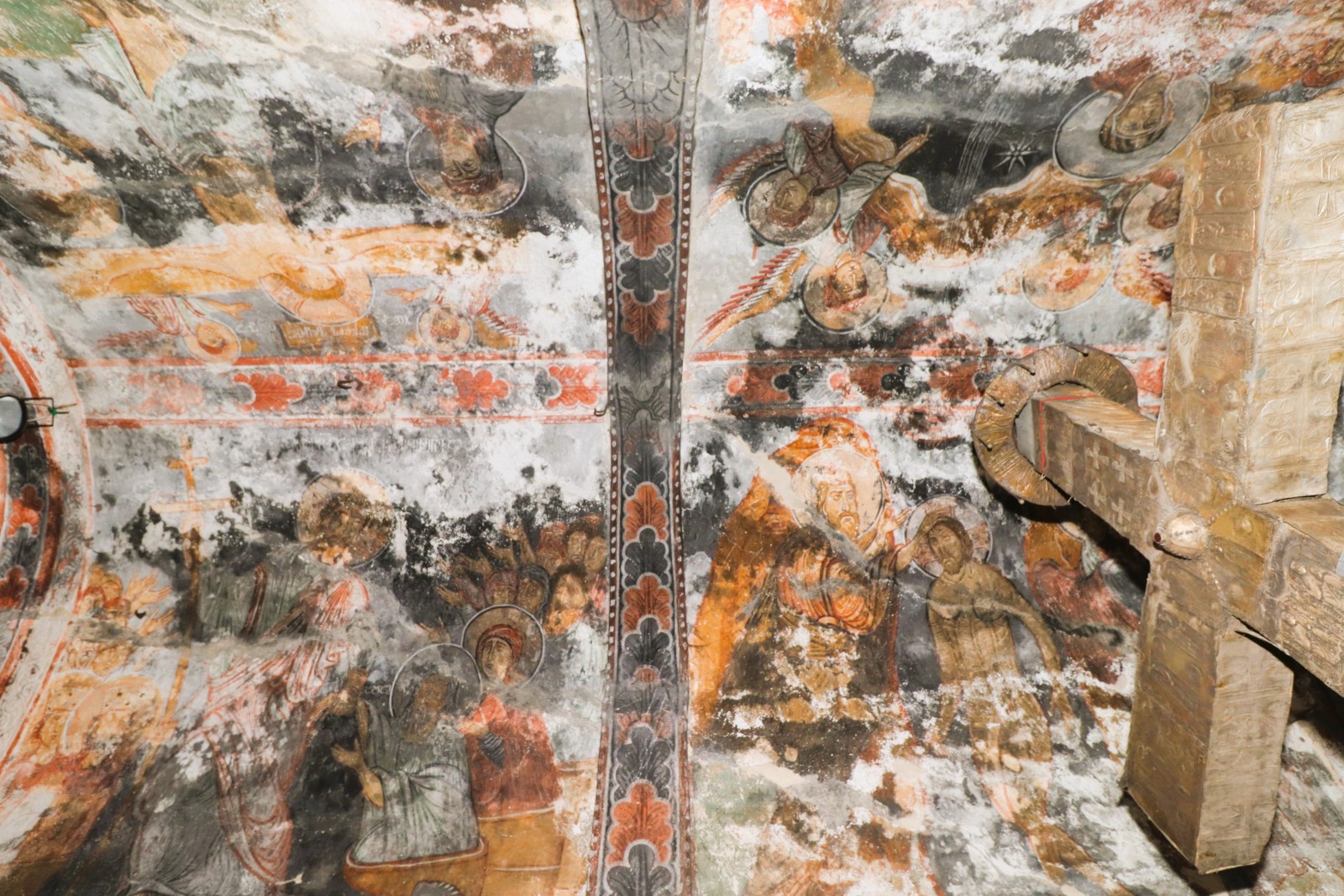
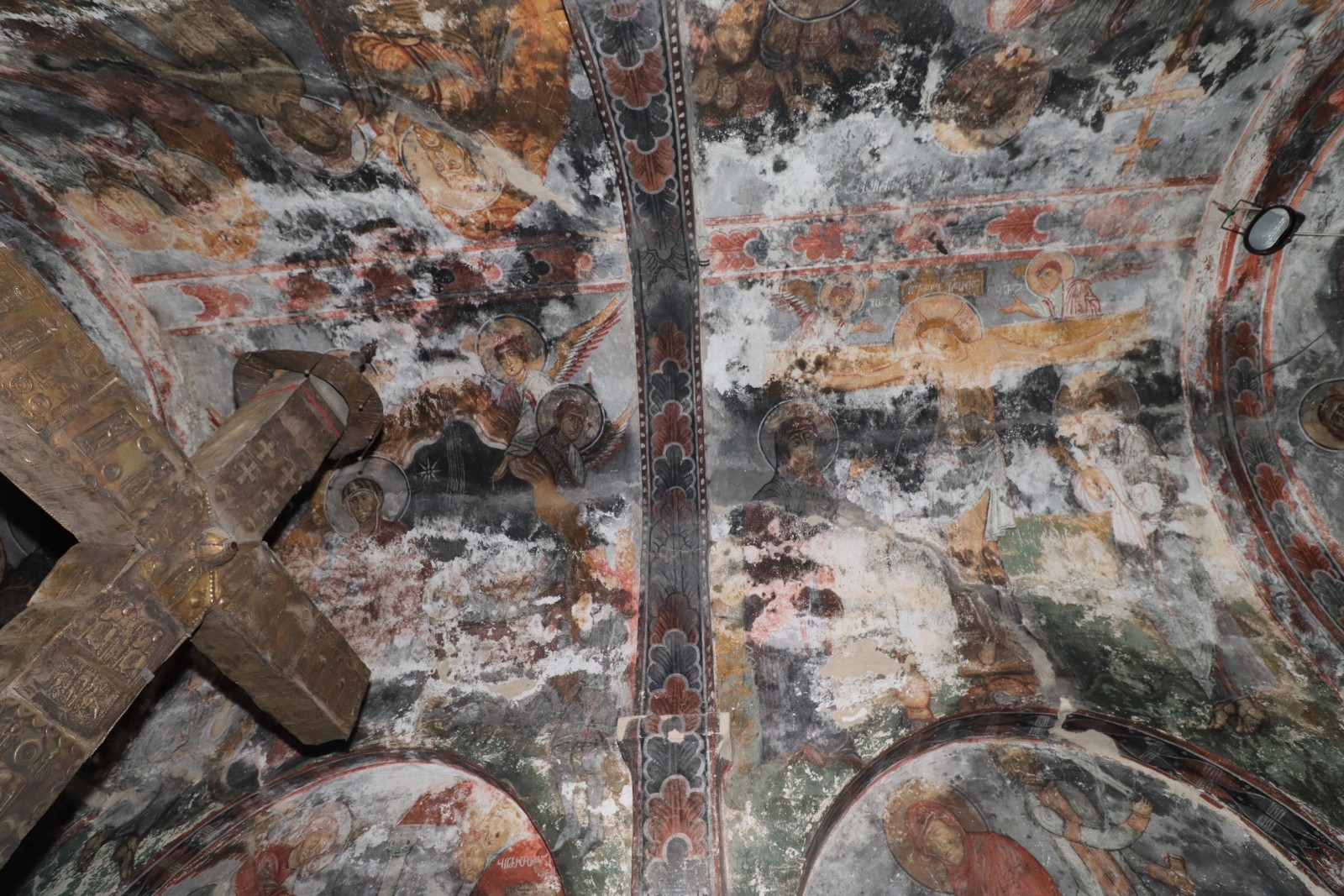
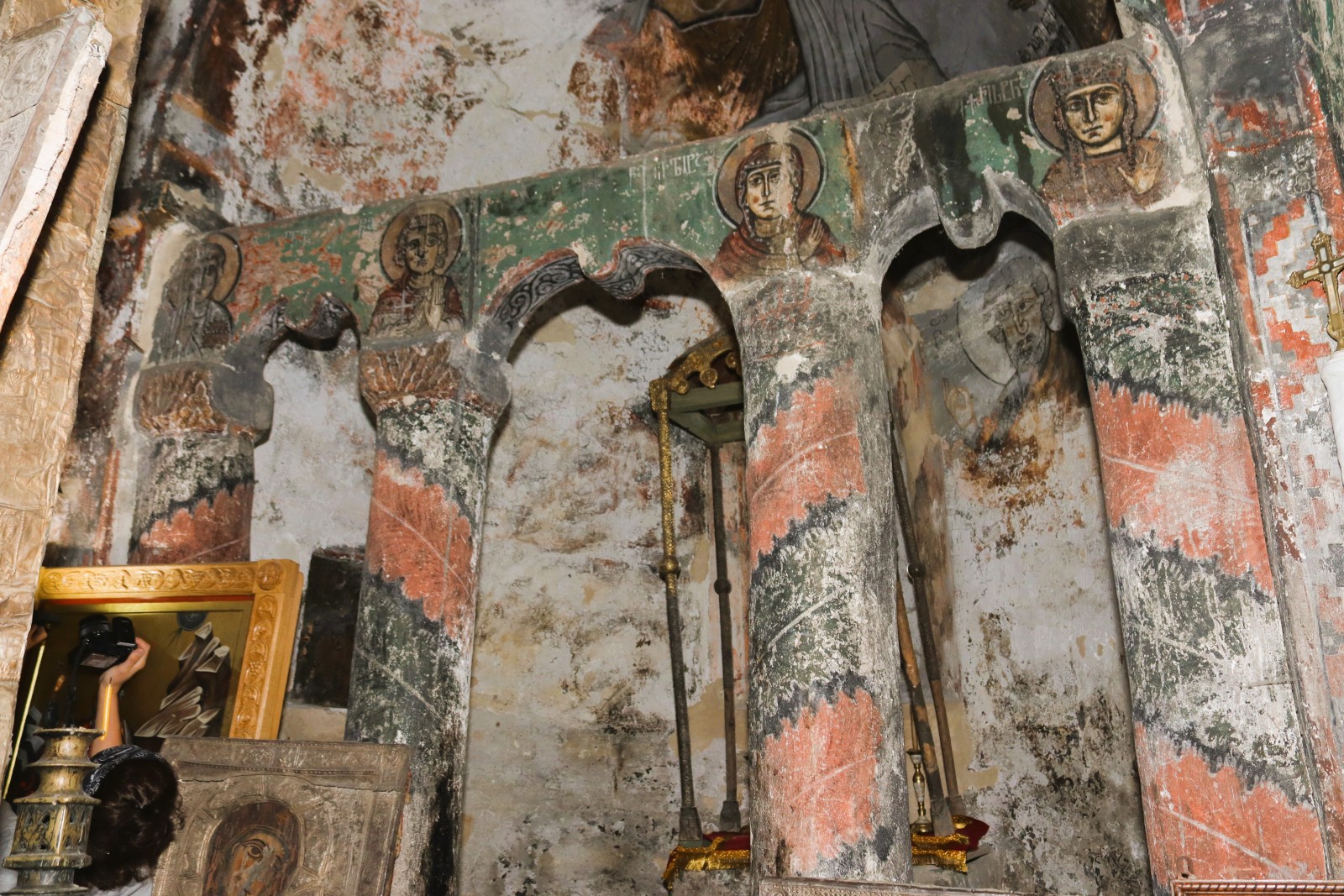
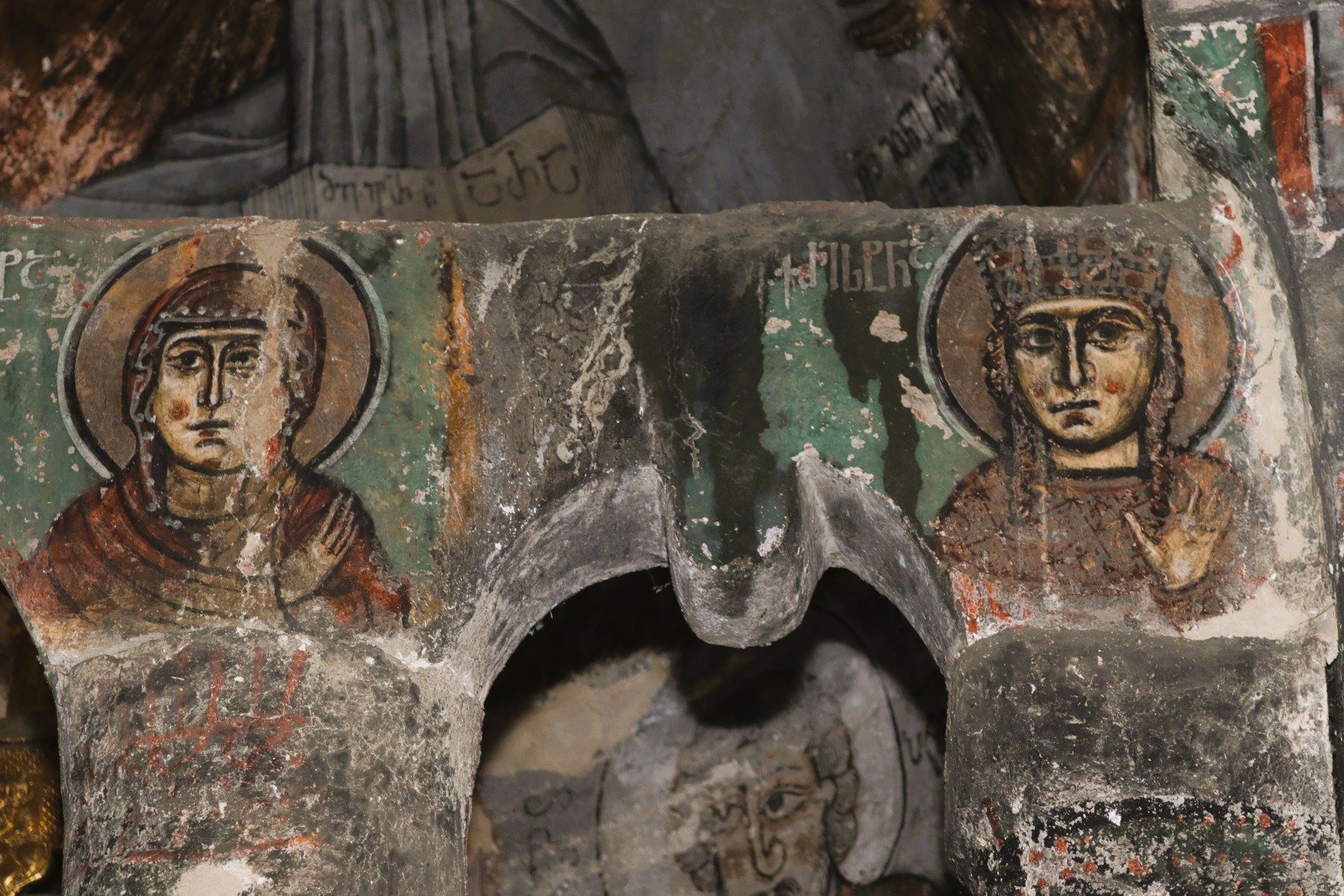
Significant as well is the large pre-altar cross, adorned with silver gilt repoussé decor and mounted on a stone pedestal, still preserved in its original location in front of the chancel. The church's interior is decorated with murals dating from 1112.
Lagurka is the second church in Svaneti to have been painted by the royal painter Tevdore during his activity in the region. This is confirmed by a vast donor inscription above the western door - now partially fragmented - which reads:
“In the name of God, this holy church of St. Cerycus was painted and adorned for the glory glorification and in supplication for the nobles of this gorge and all those who built this holy church. St. Cerycus, glorify and have mercy on them all, amen. It was painted in the year 6620 (1112), from the creation of the world, chronicon KhGhIE, by the hand of Tevdore, the royal painter.”
Here again, the donor of the church's mural decoration was the entire community of the Kala gorge.
The murals of the chancel and chancel-barrier show traces of later repainting and restorations. The reasons and the name of the benefactor are revealed in an Asomtavruli (early Georgian script) inscription on the southern pilaster, which reads:
“This church of St. Cerycus when damaged by an earthquake, I, Giorgi, son of Anton, newly adorned. Whoever does not forget me, may God grant forgiveness to them.”
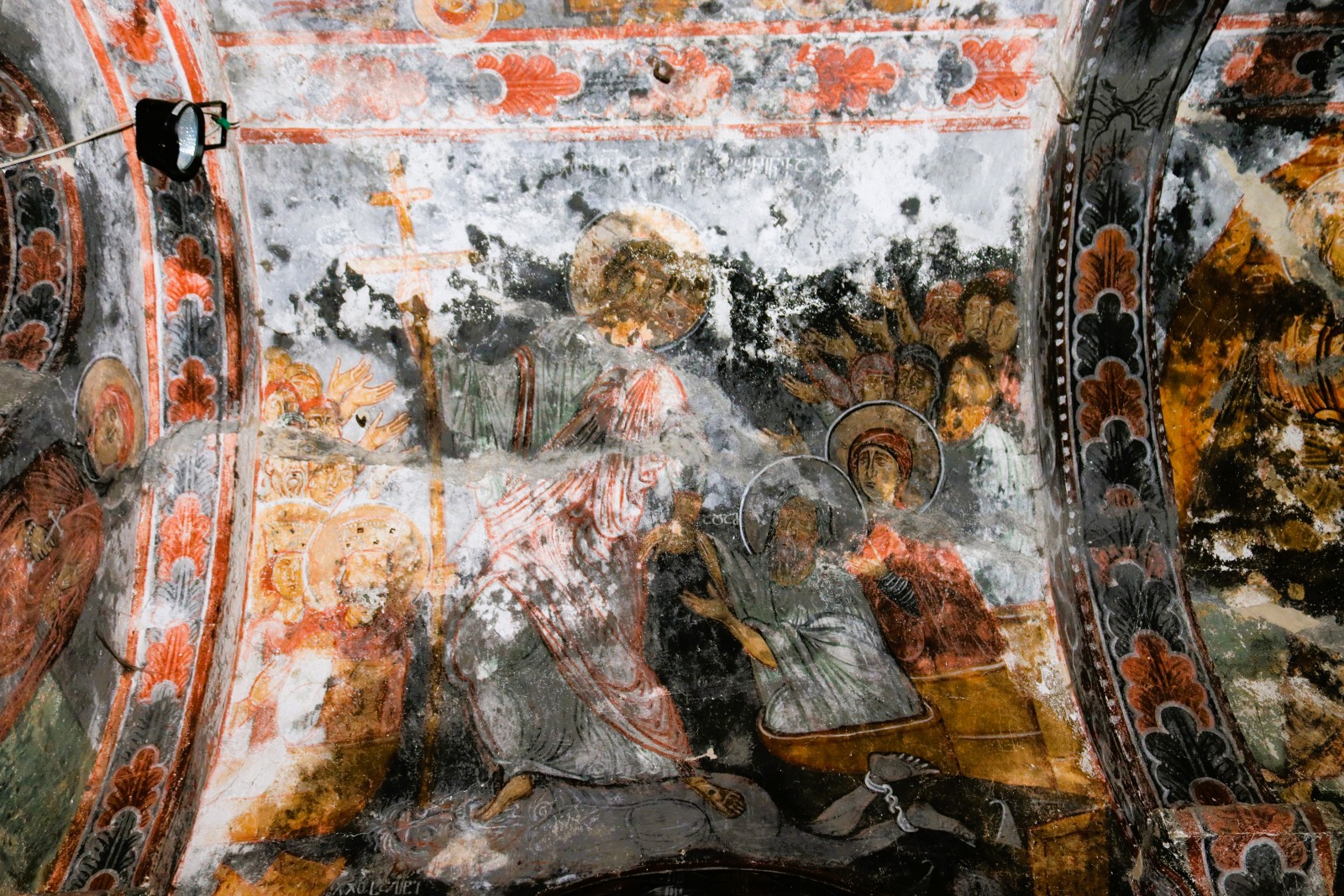
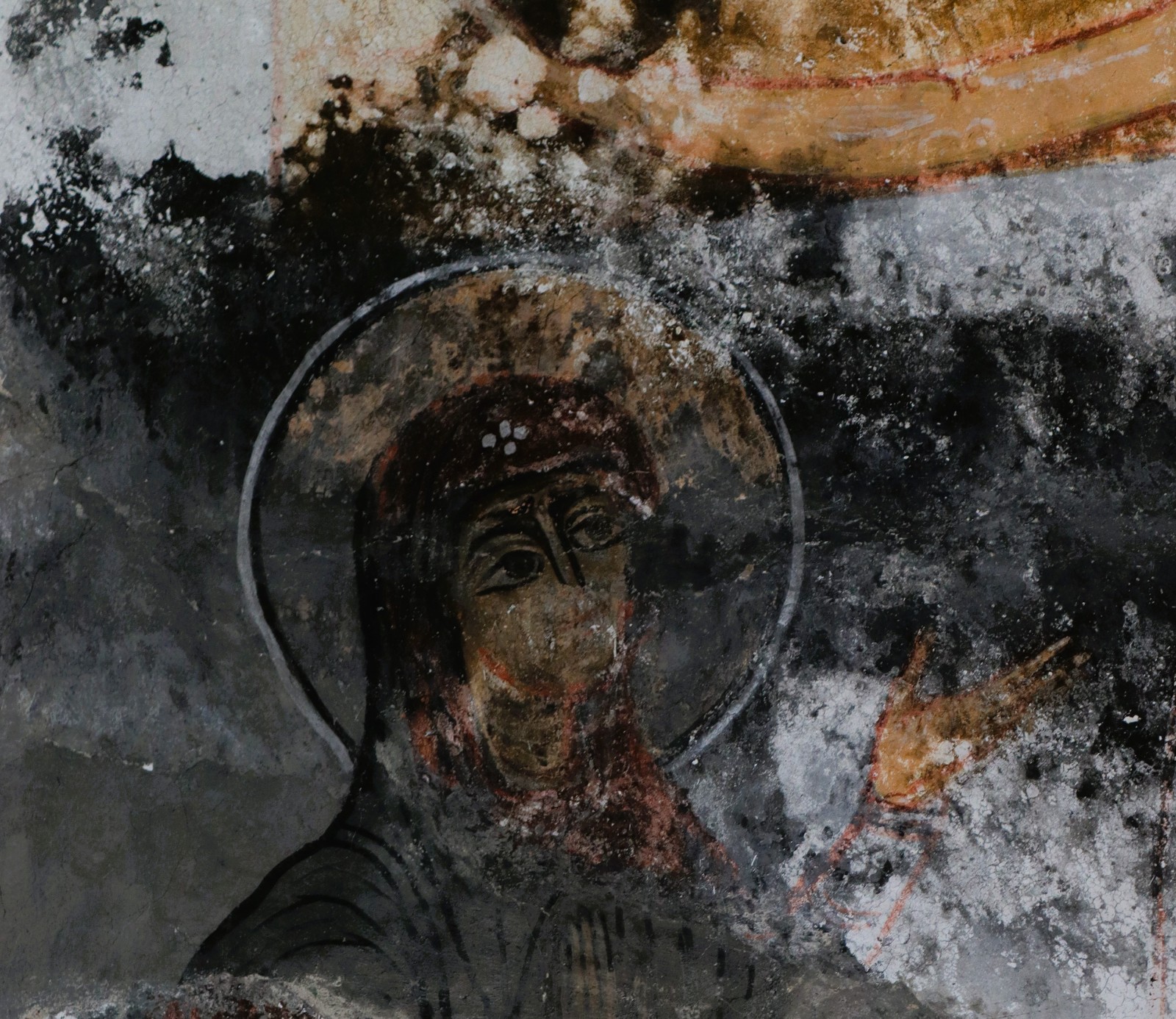
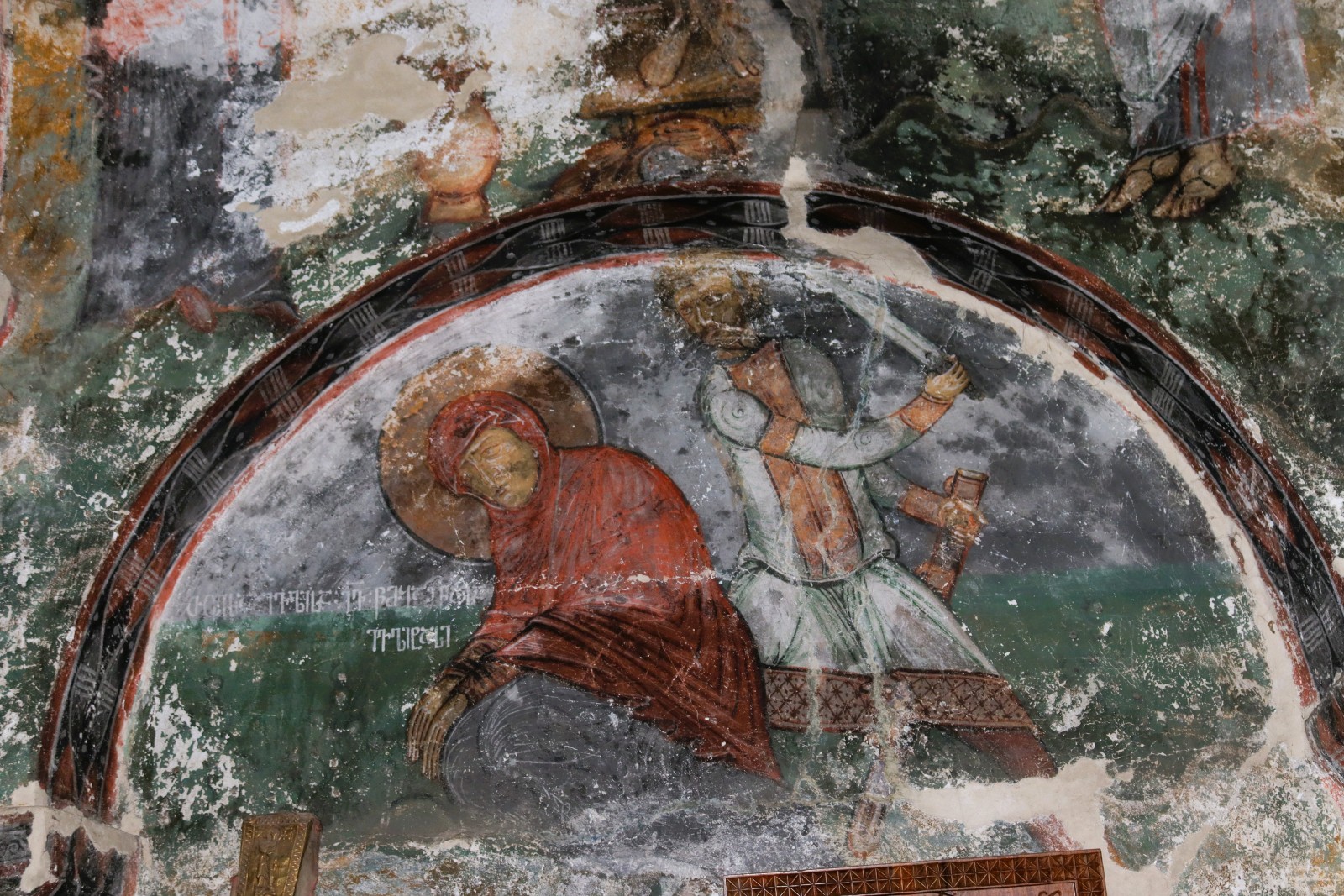
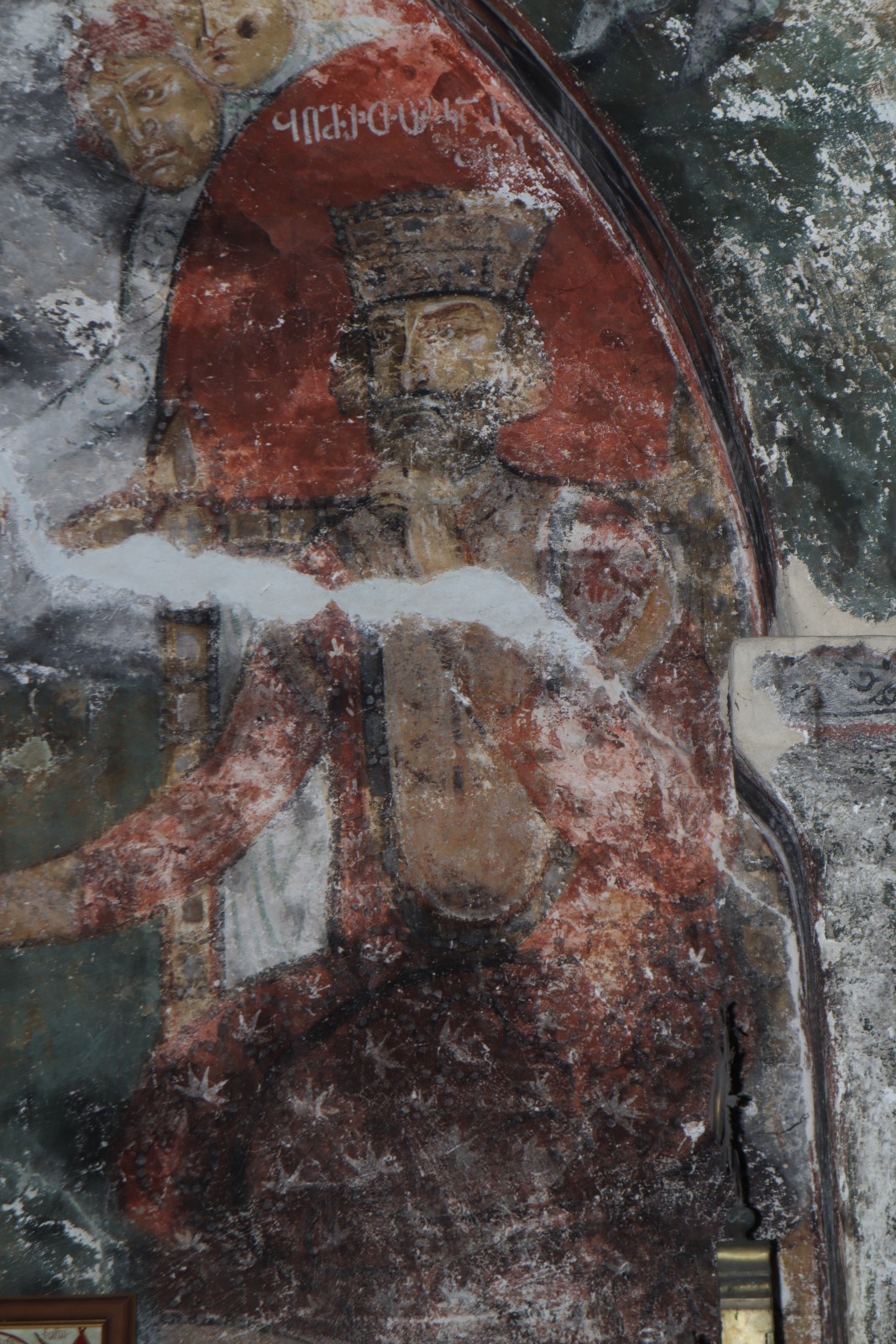
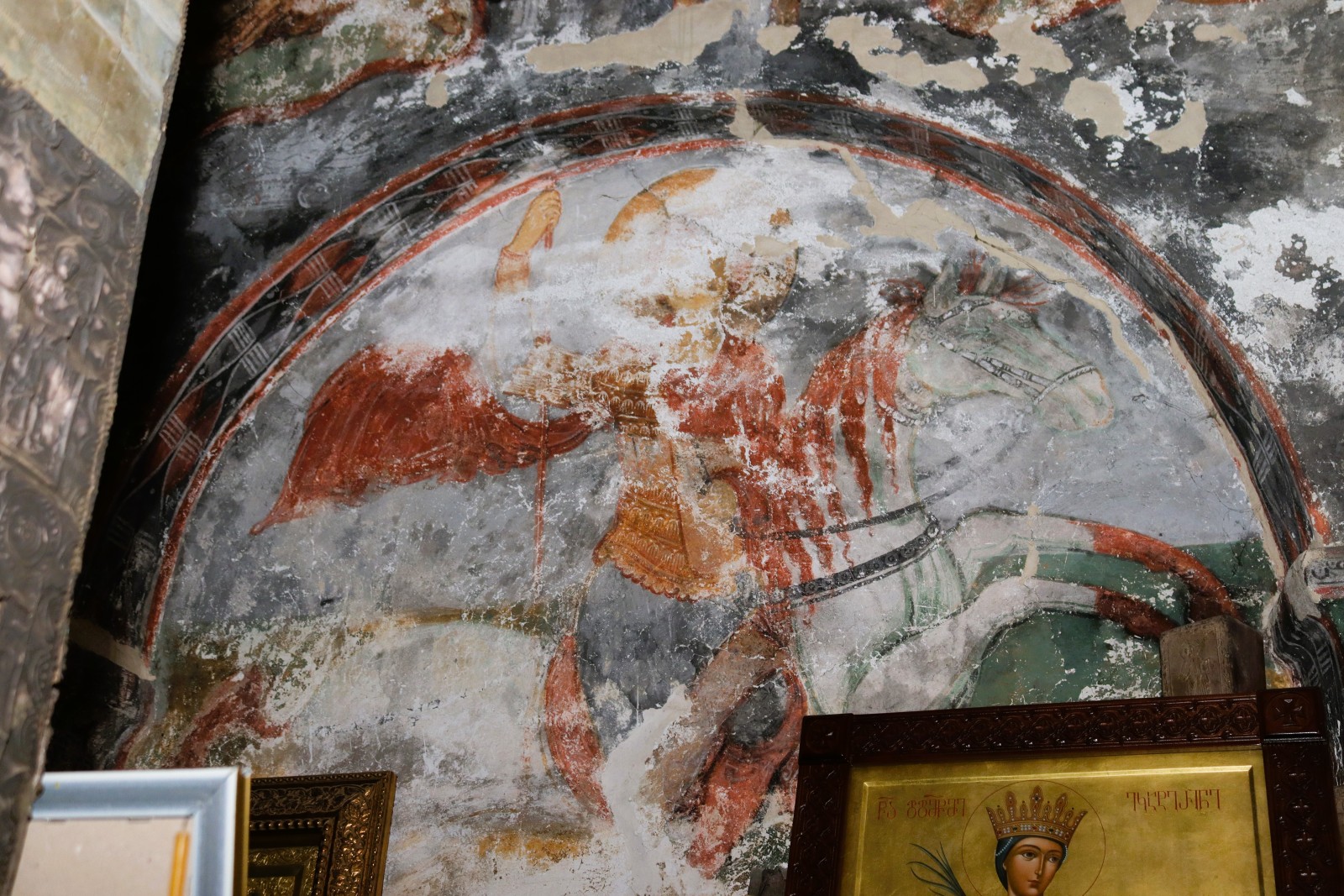
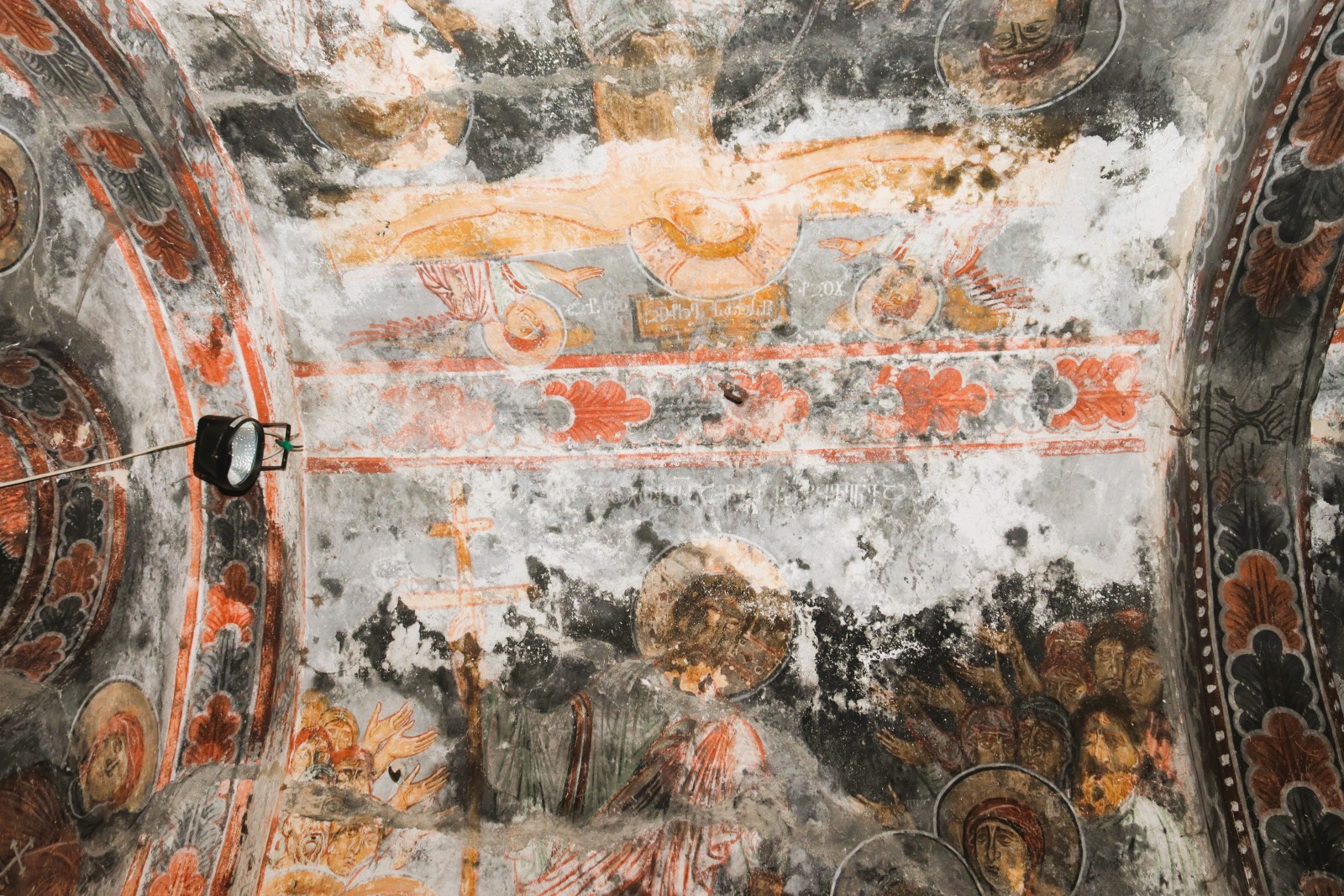
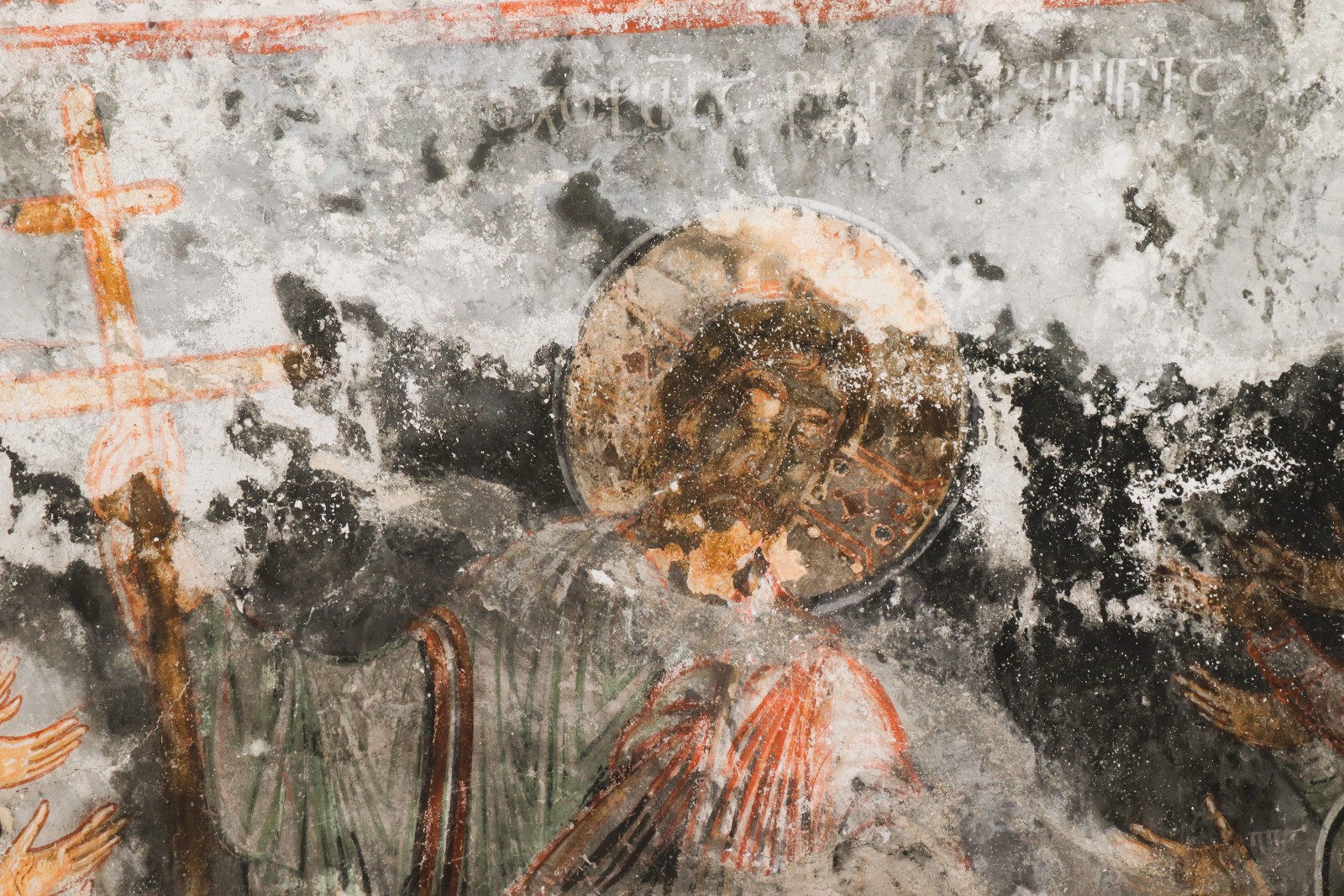
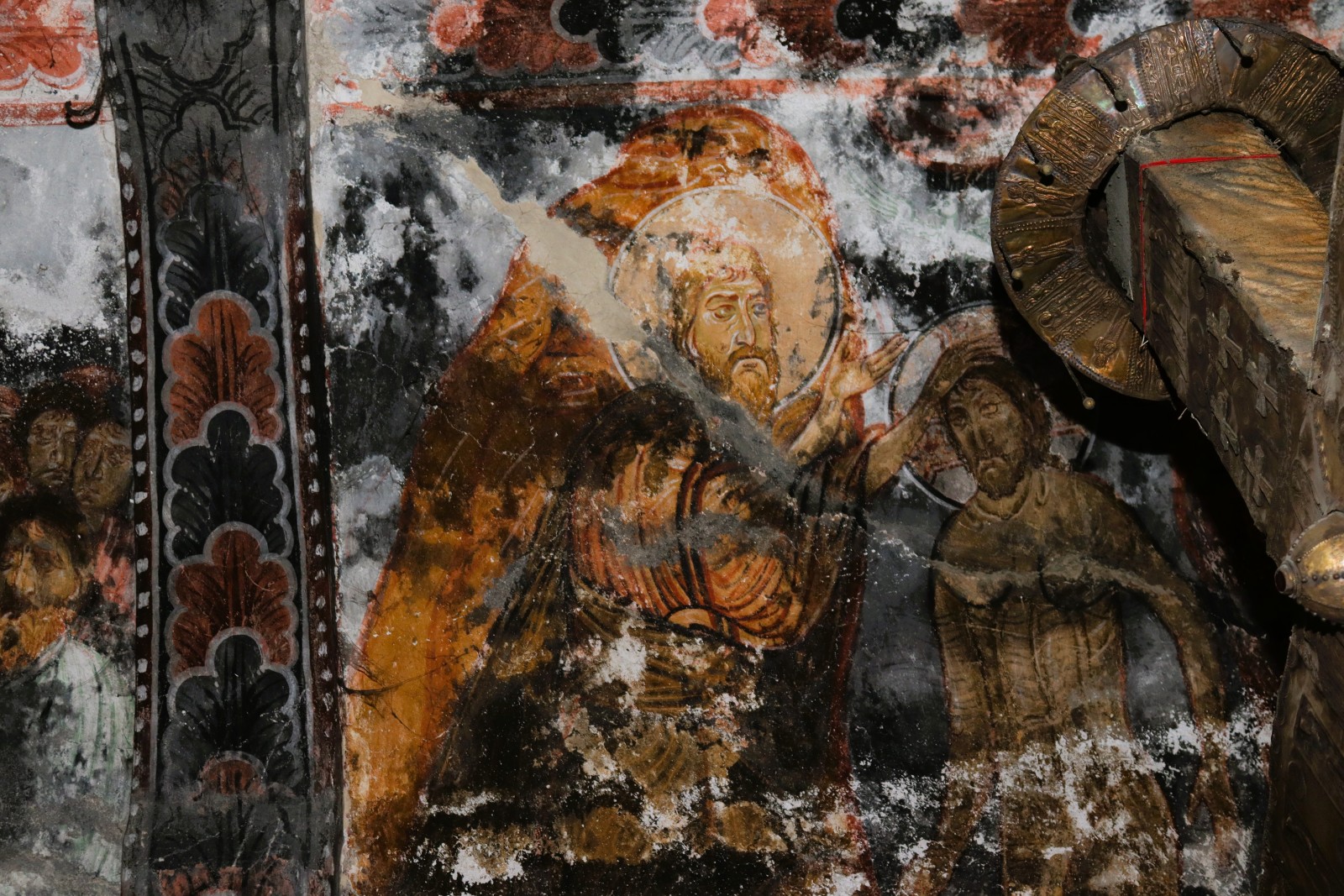
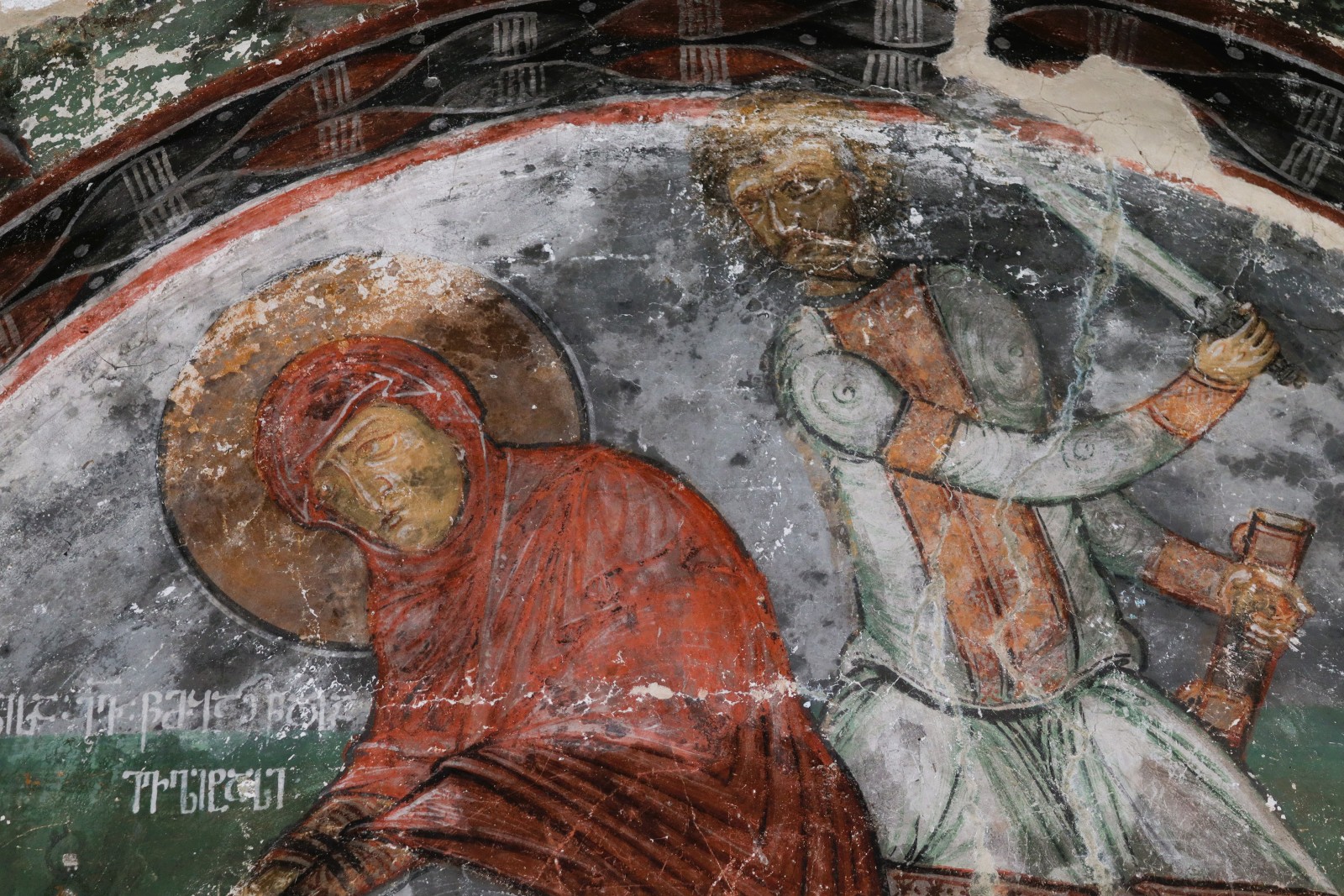
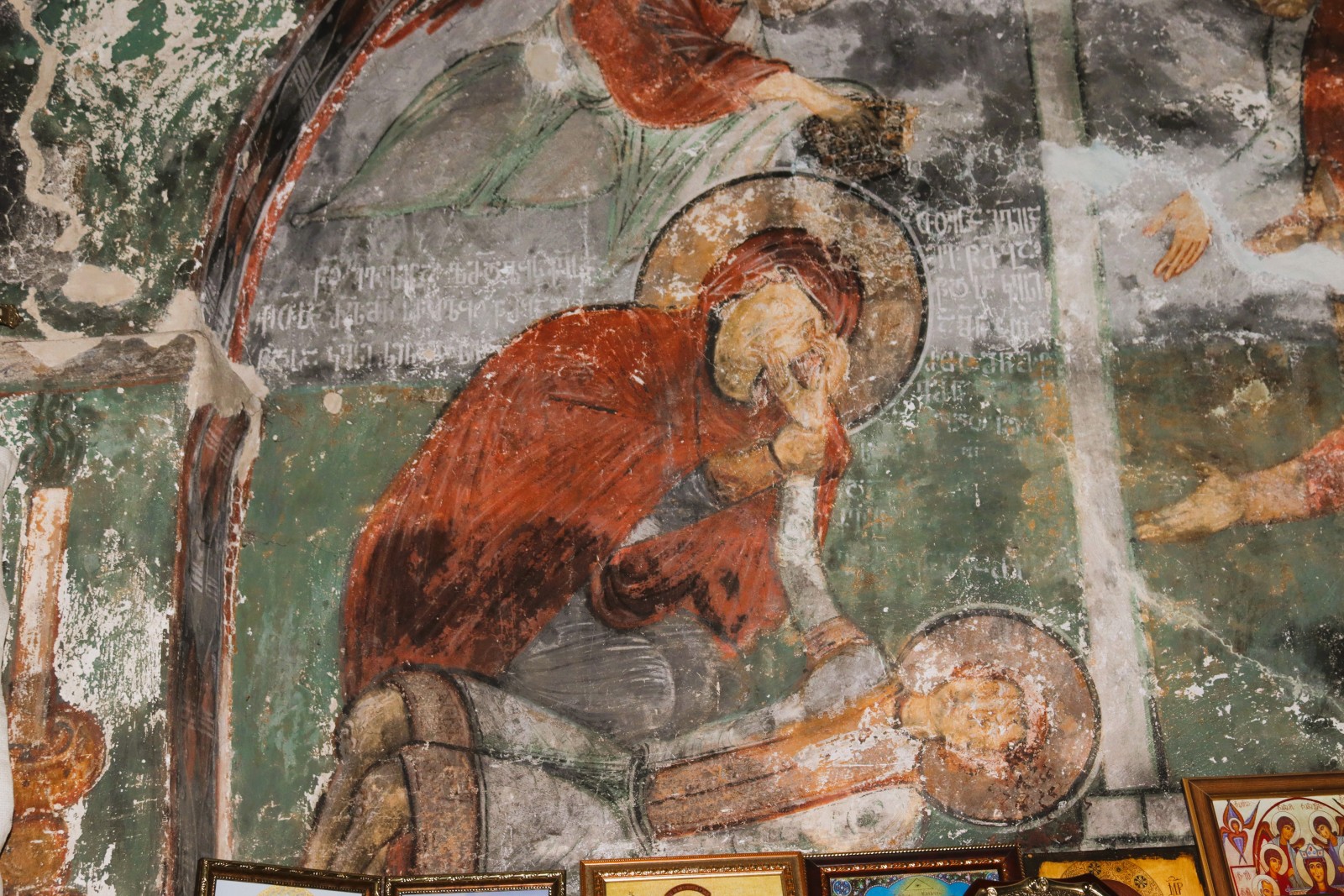
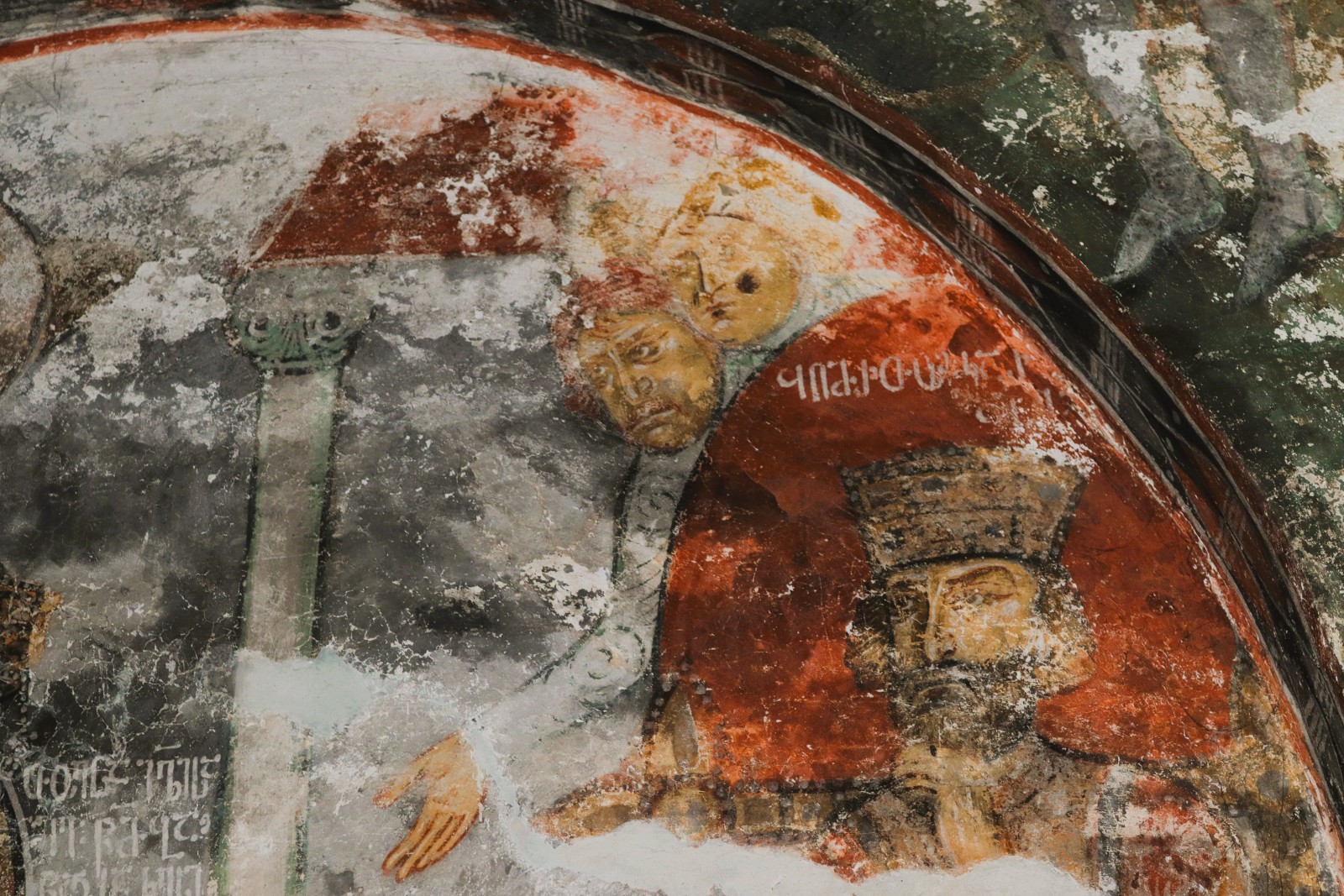
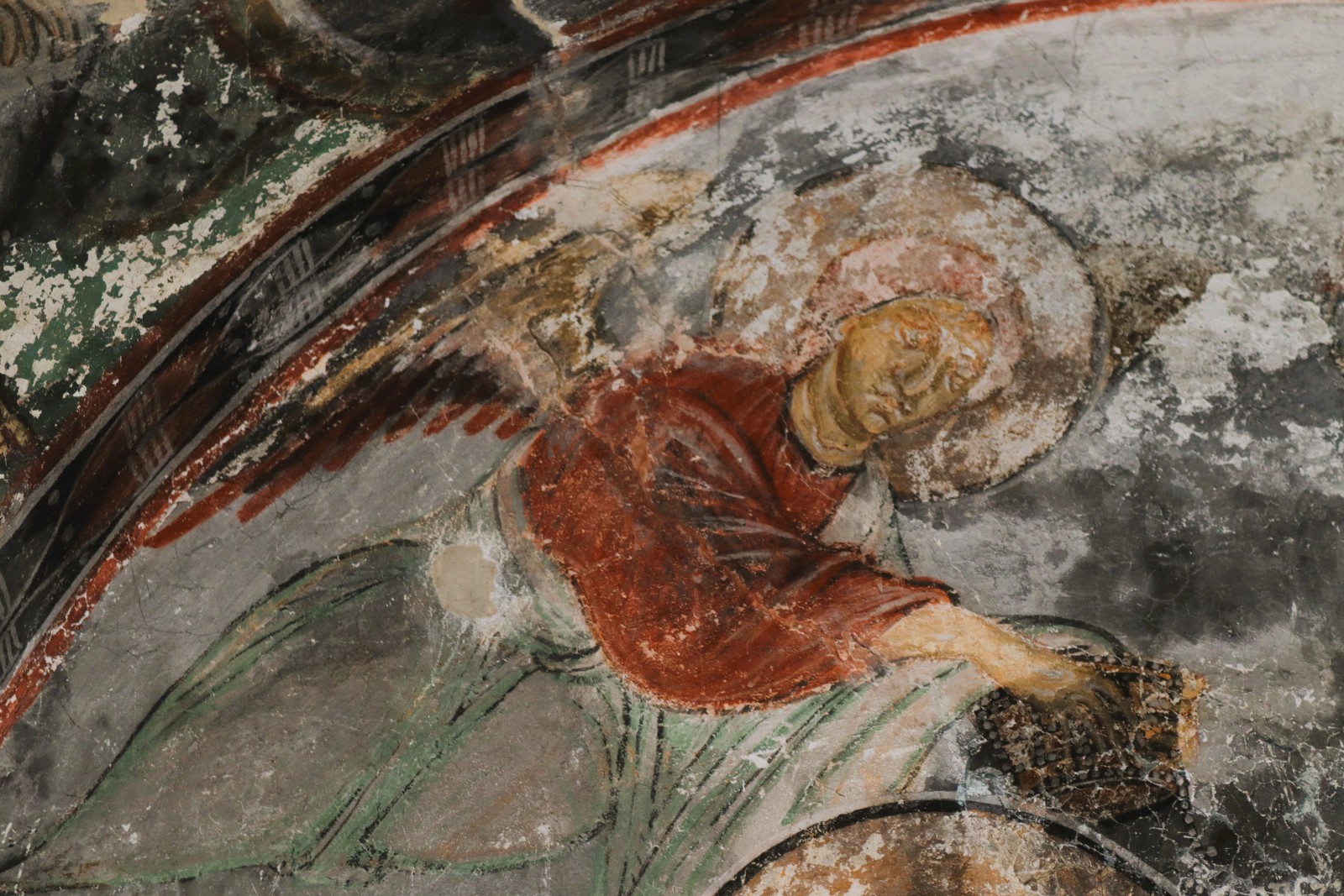
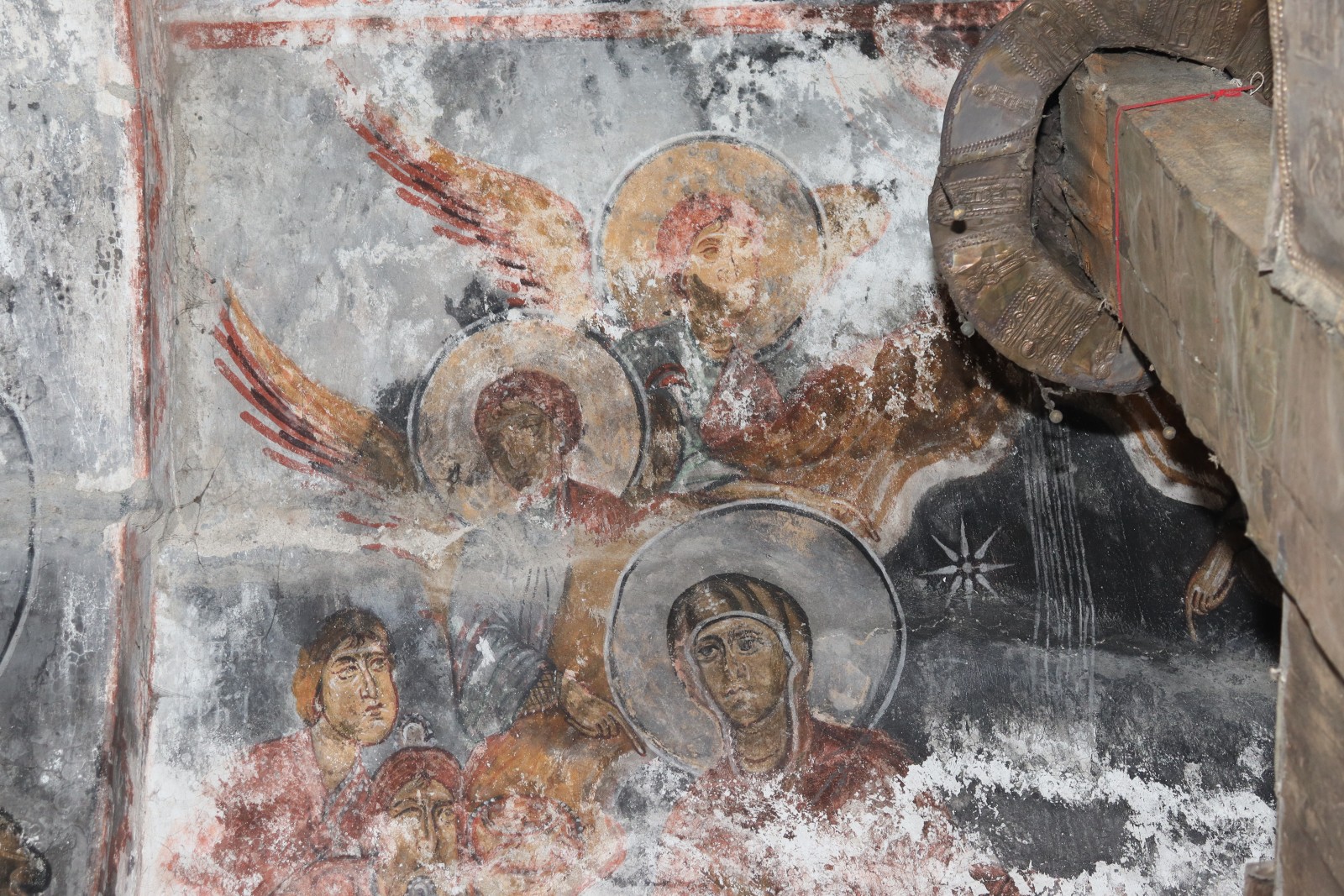
Like Tevdore’s other works, the wall painting in Lagurka is characterized by its laconic program comprising the martyrdom scenes of the church’s Patron Saint, St. Cerycus and his mother, St. Julitta. Tevdore’s inclination toward dramatism and emotional tension is especially evident in the depiction of St. Cerycus’ martyrdom, where the calm sternness of King Kar contrasts with the grief of the mother who mourns over her slain child.
It should be noted that to fully convey St. Julitta’s emotional turmoil, apart from the visual means (her posture, facial expression, etc.) the artist includes an additional accent in the composition, in the form of an inscription expressing her gratitude to God. The accompanying inscriptions of the scene read:
“This is the martyrdom of St. Cerycus in the month of July 15. This godless king cast St. Cerycus down from the throne.”
“St. Julitta gives thanks to Christ our Lord, who fulfilled the martyrdom of her son, St. Cerycus.”
Equally impressive is the emotionally tense scene of St. Julitta’s beheading.
| Location | You can only reach Lagurka by foot. It takes 20 minutes through hilly forest terrain from the turn near the village of Khe off the main road. The beginning of the path is a short section of moderate difficulty. |
| Key holder | The key is with Zaur Gulban. Prior arrangement is necessary. |
| Booking | https://www.booking.com/hotel/ge/vichnashi.html |
| https://www.facebook.com/kitchenvichnashi | |