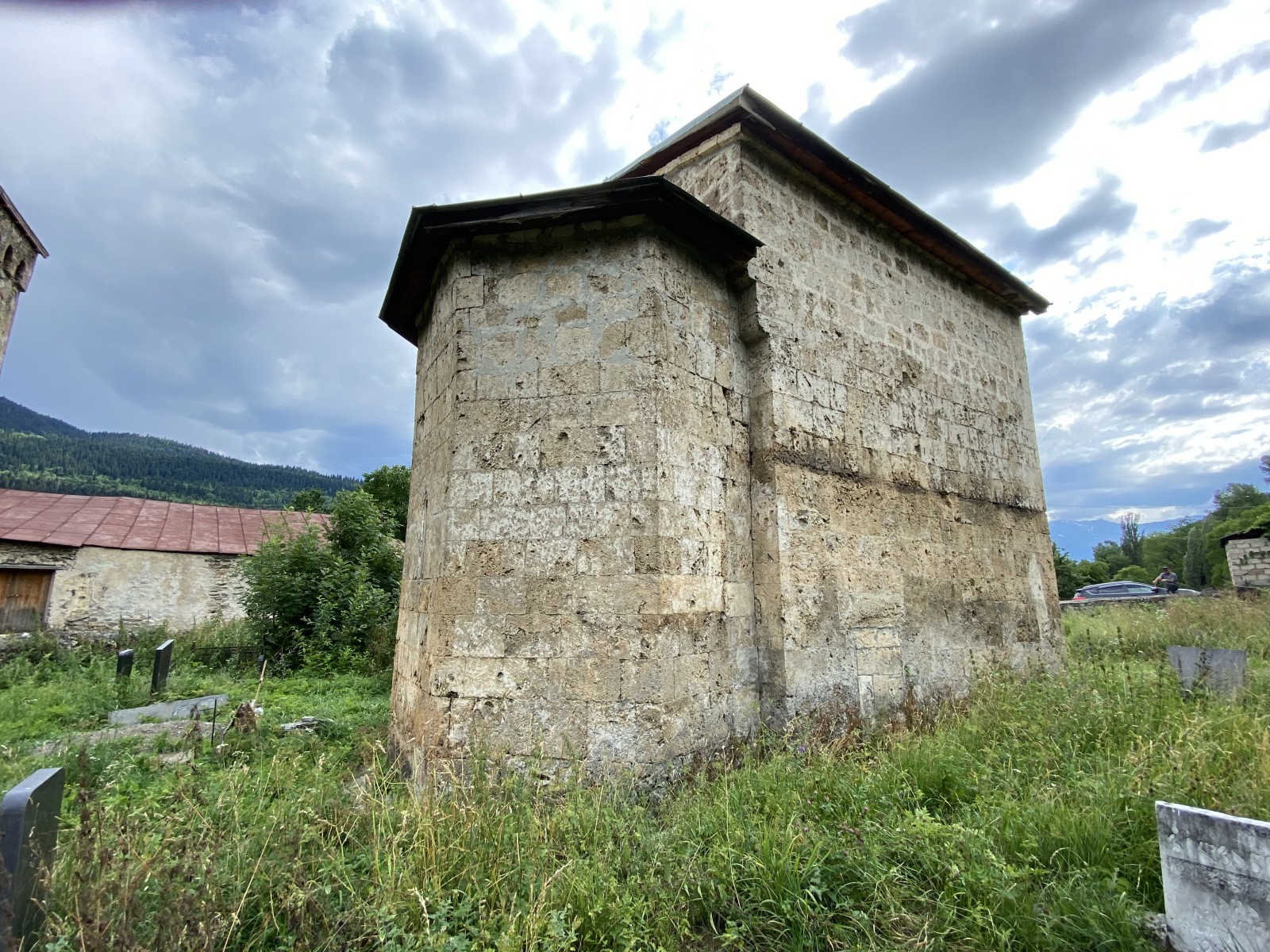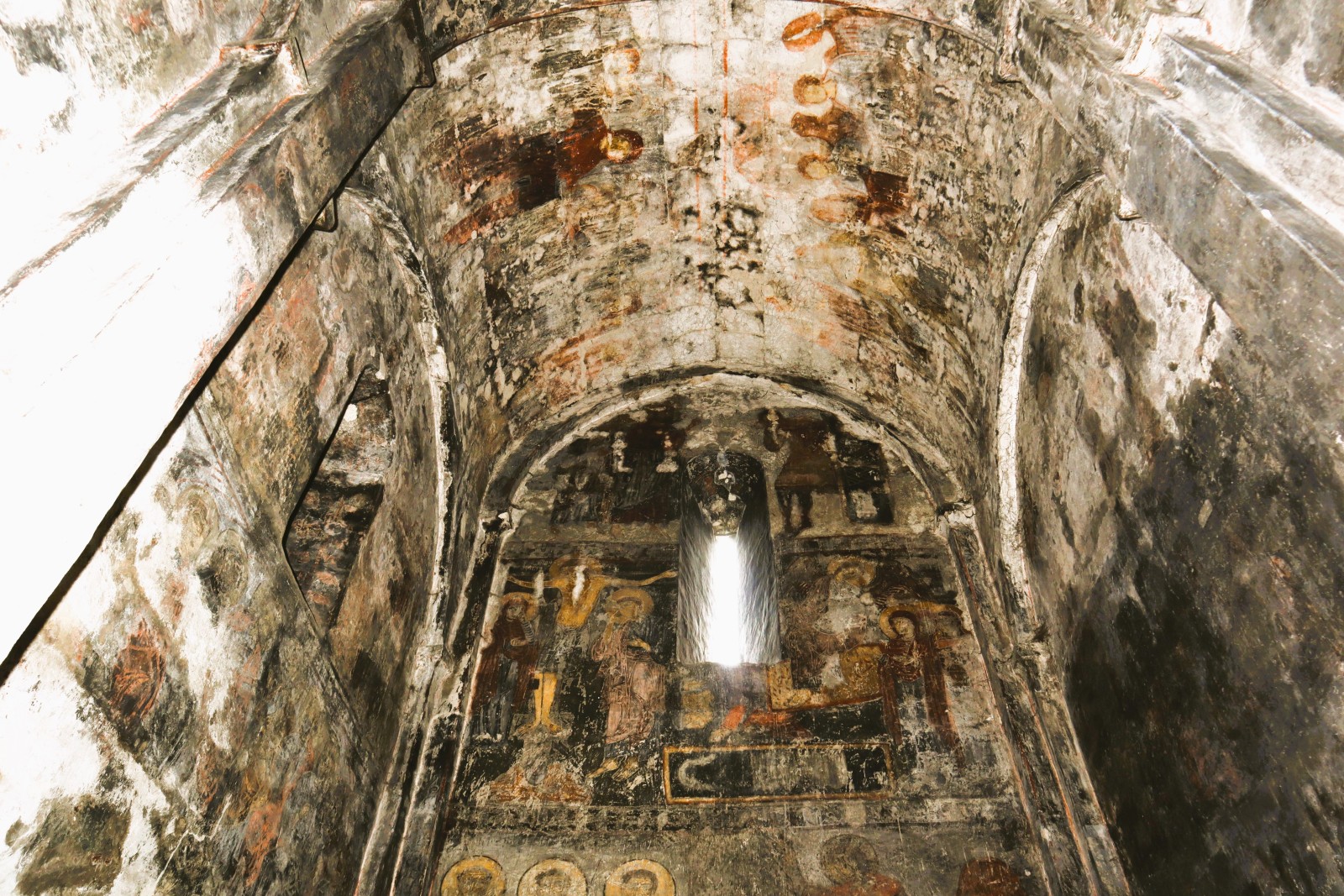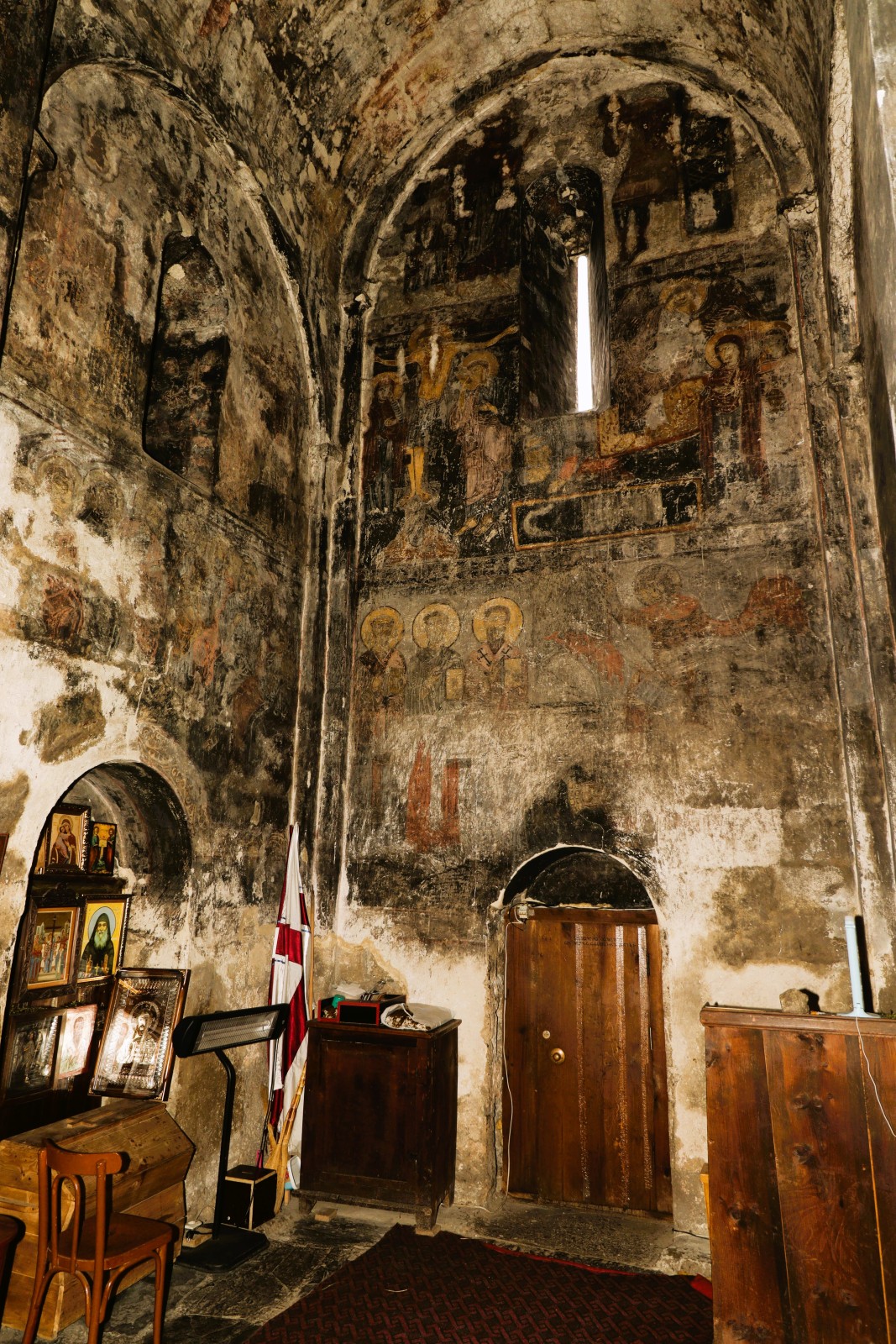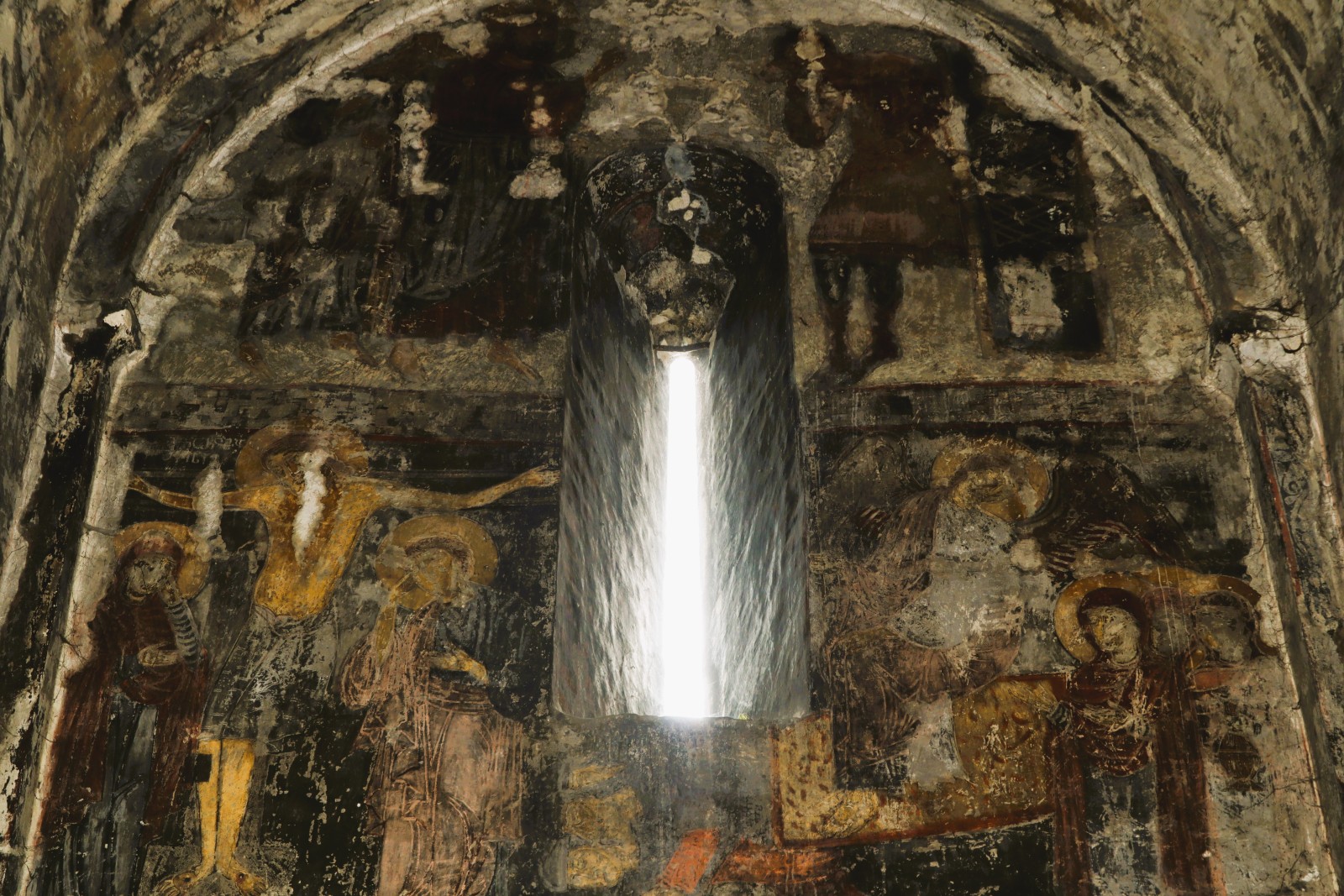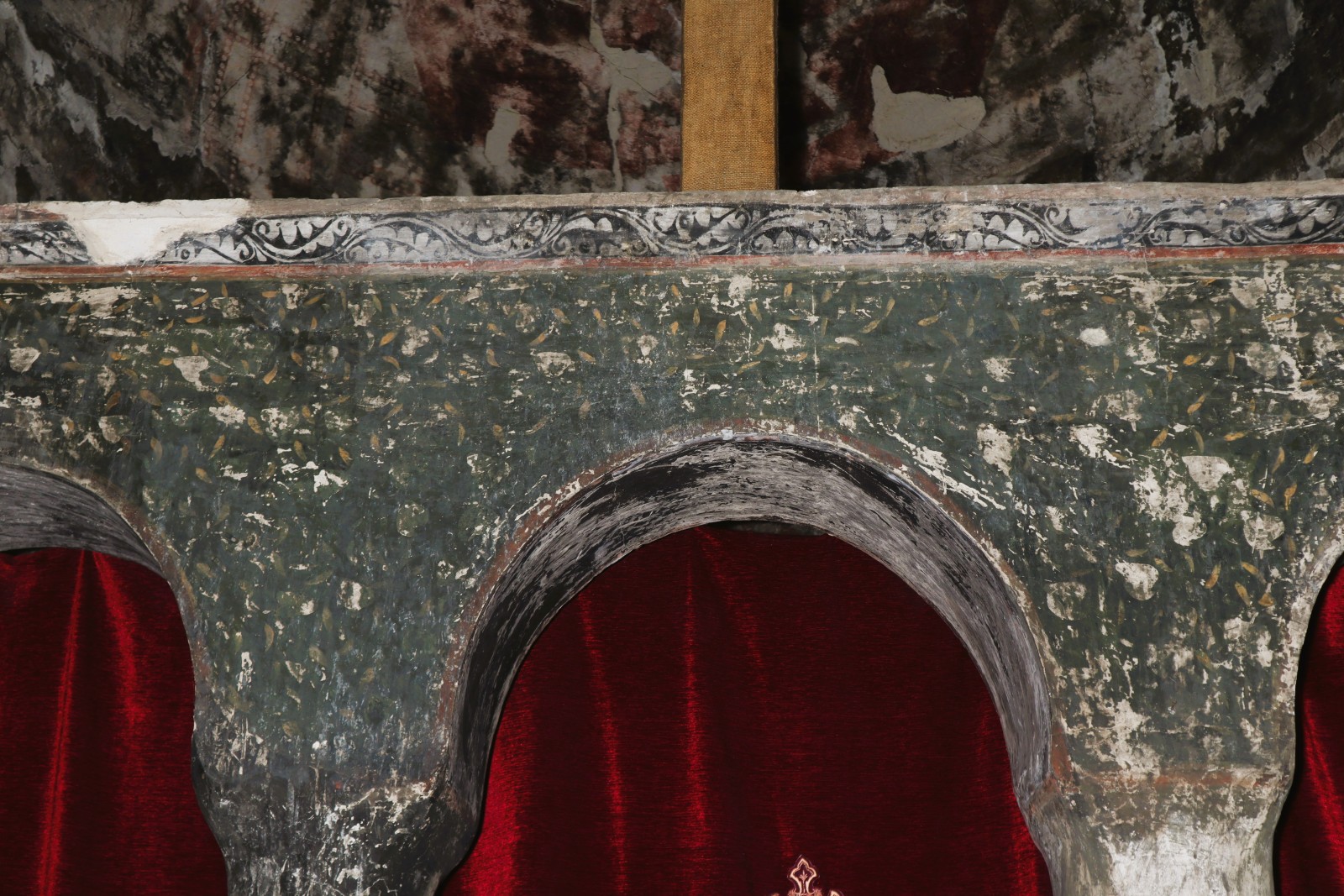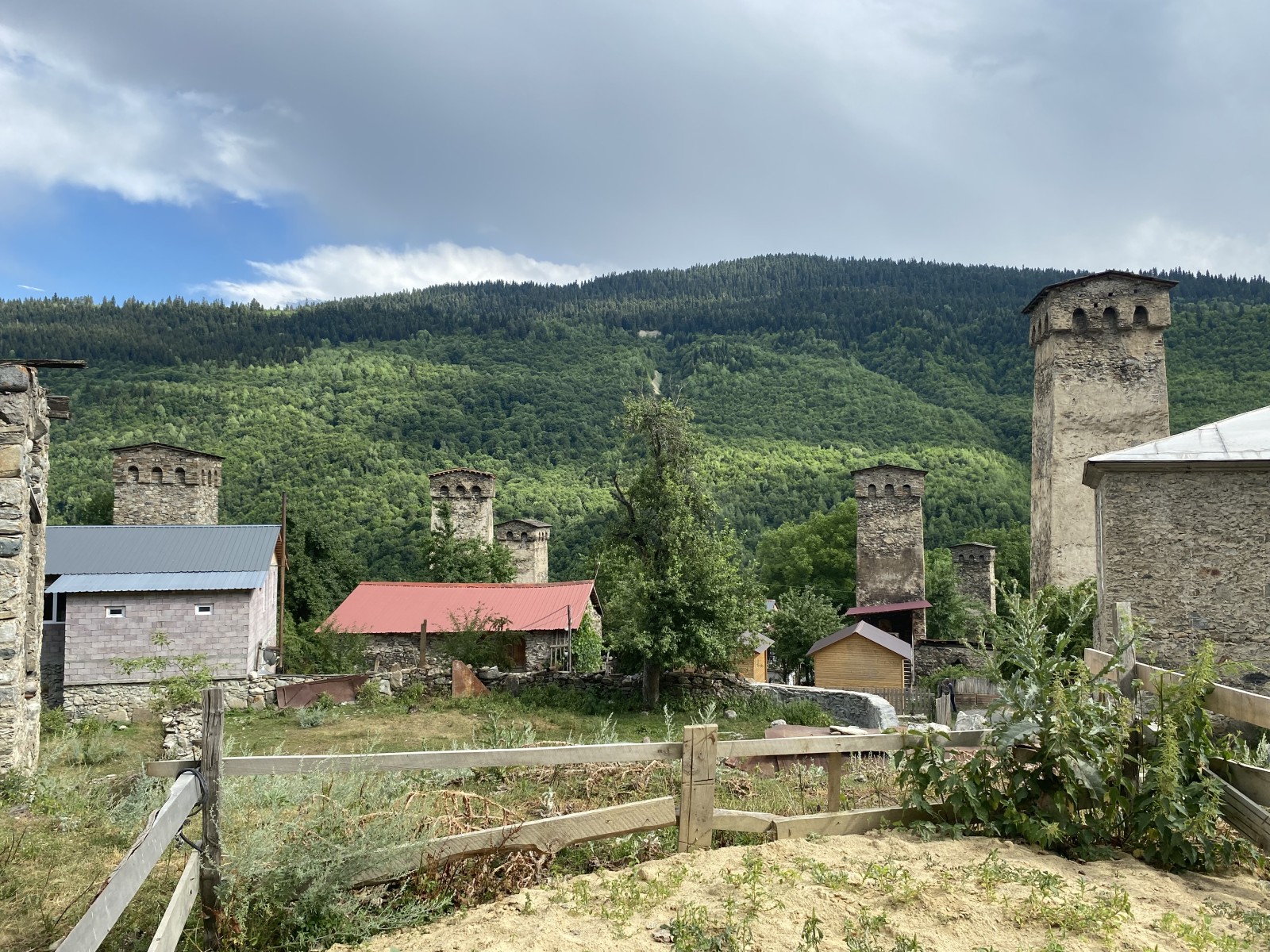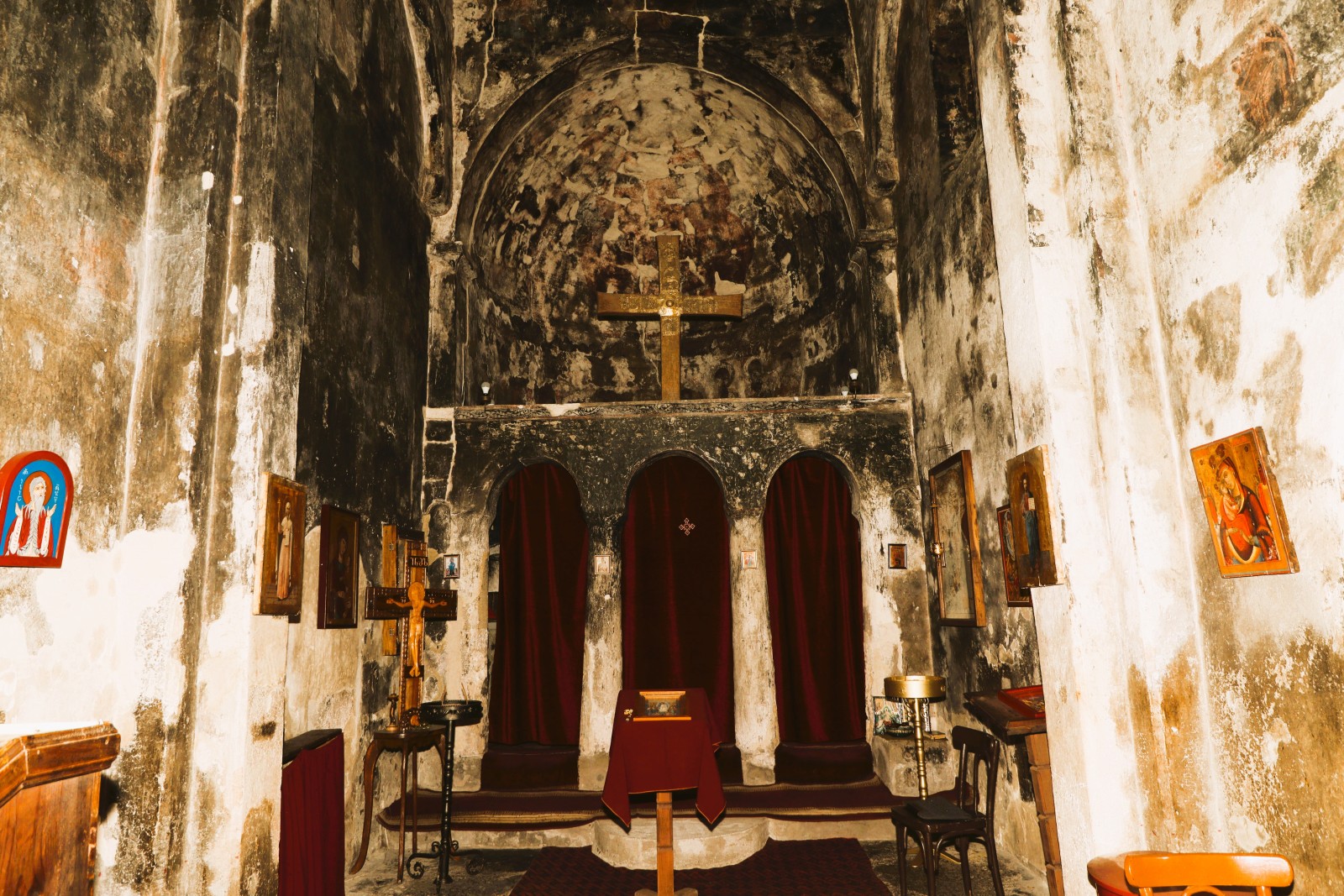
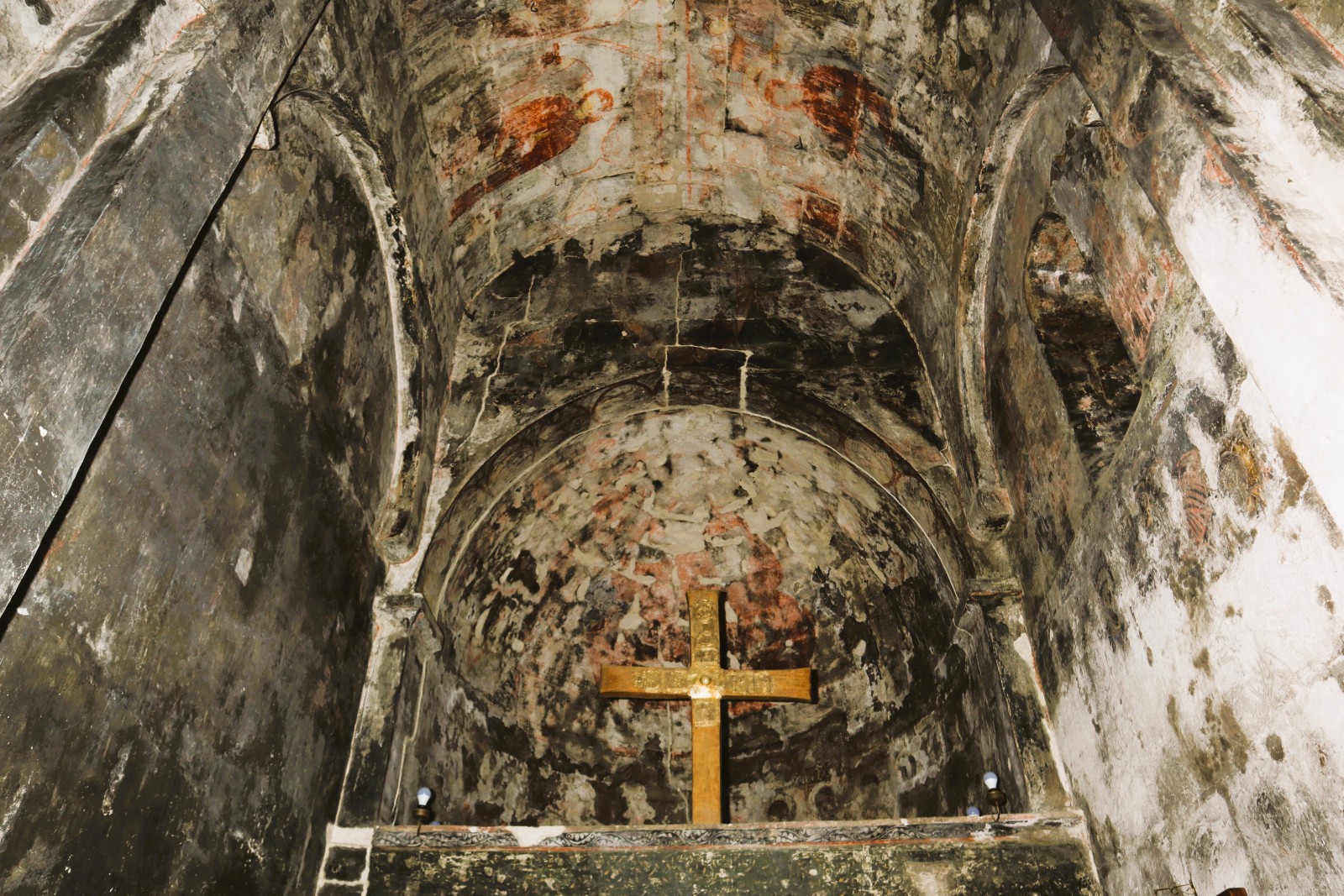
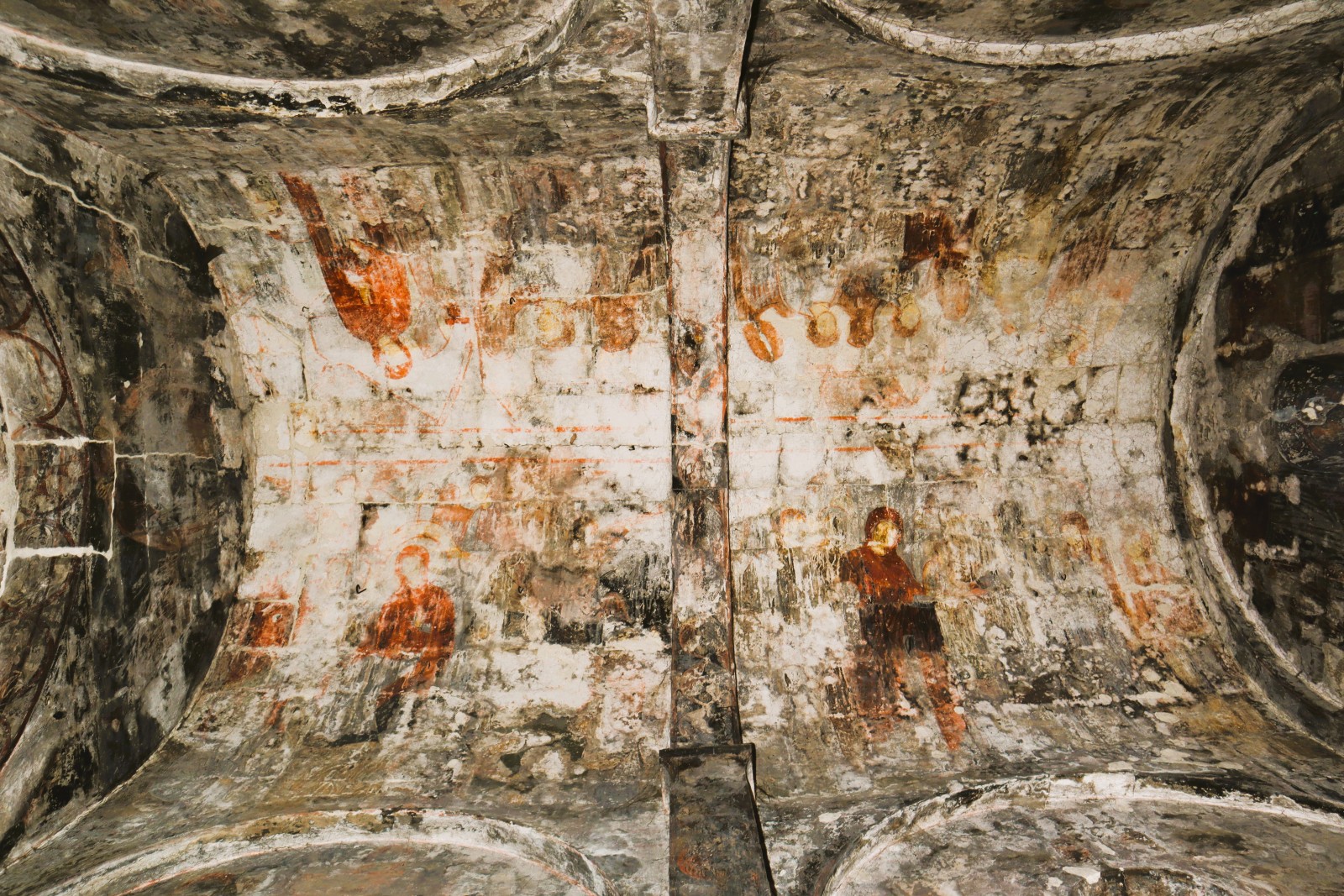
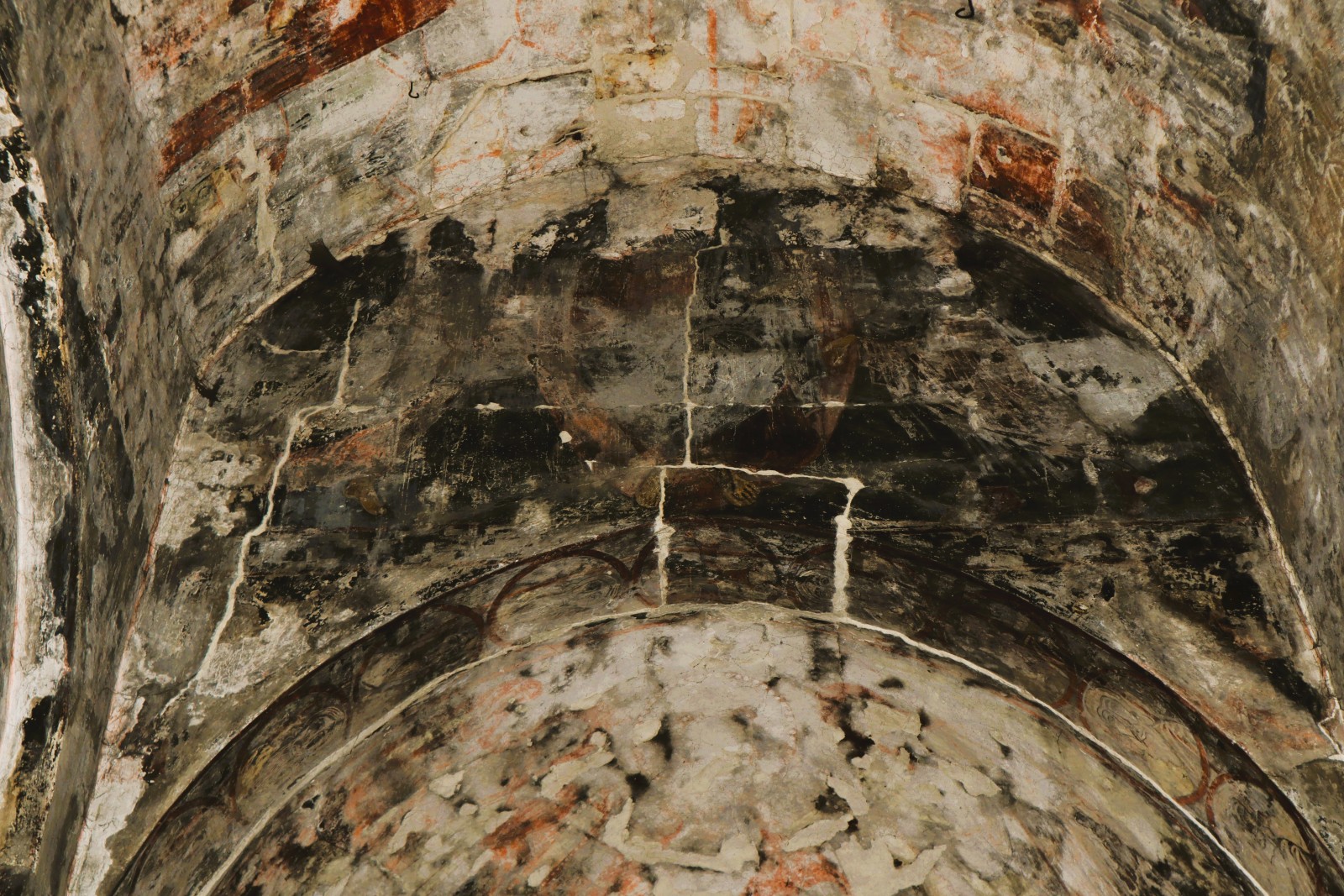
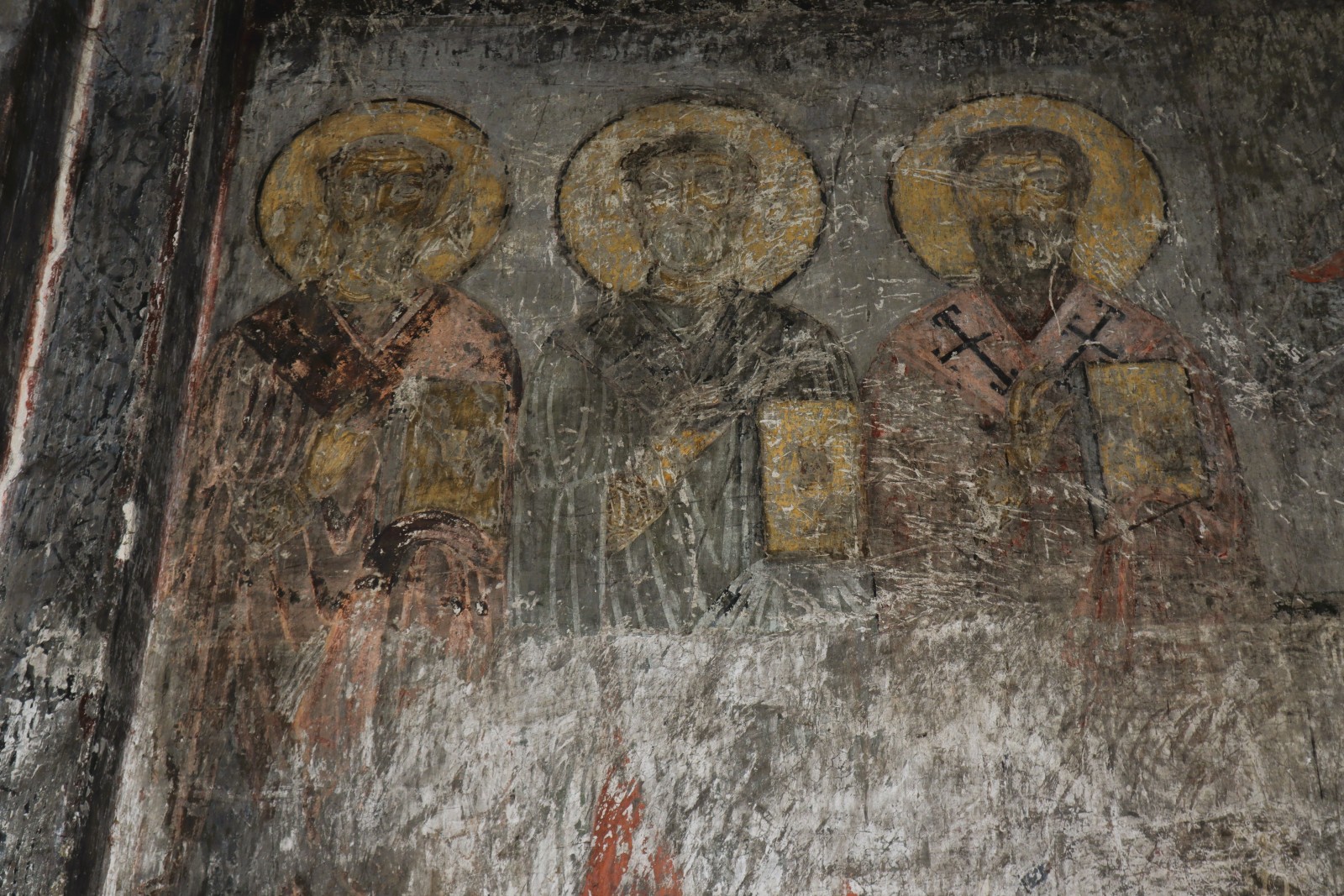
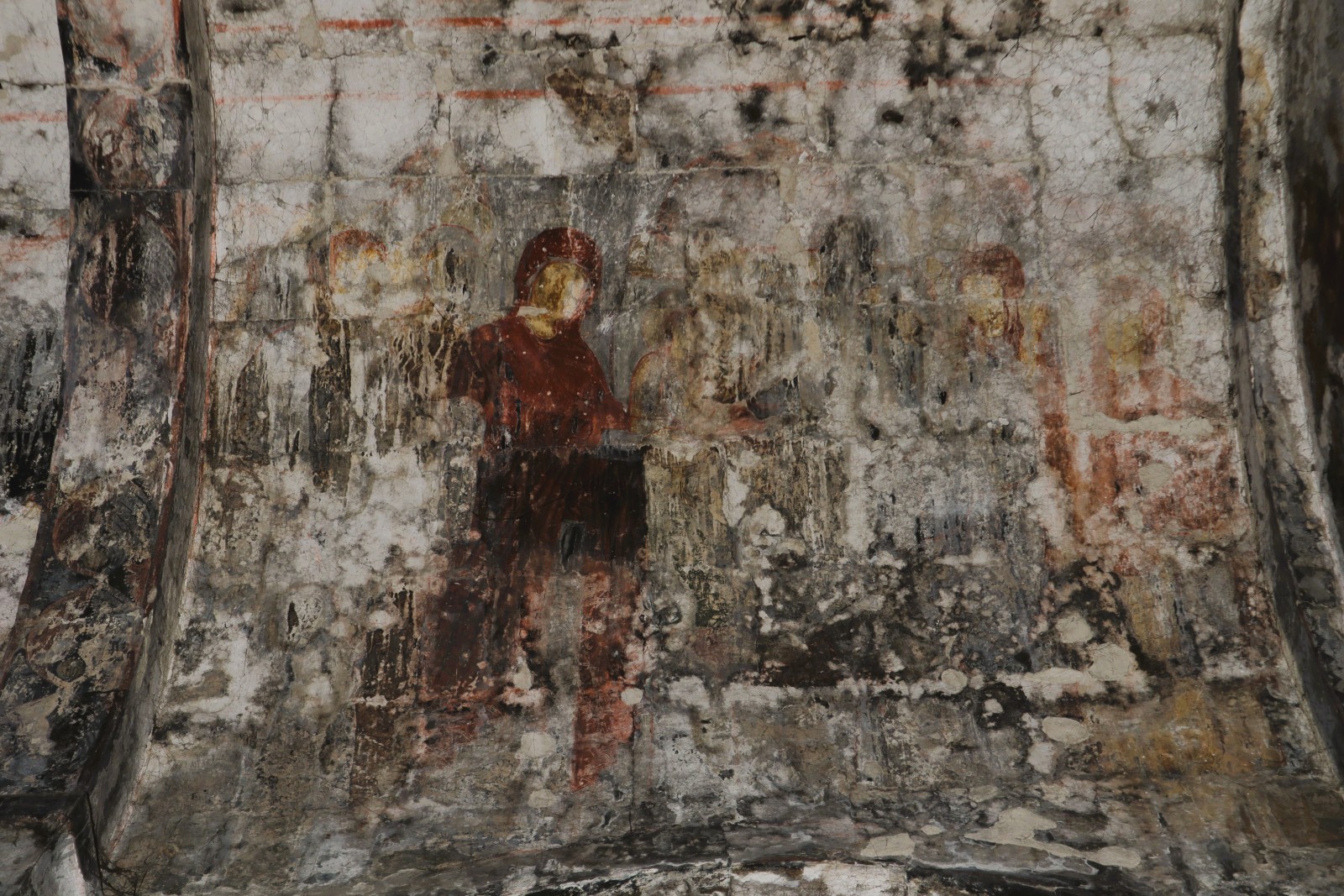
This large single nave church with a projecting apse is located in the village of Nezguni, within the Lenjeri community. Built at the end of the 9th century, its interior features murals from different periods: the chancel decoration dates from the 9th–10th centuries and is the earliest among surviving examples of mural painting in Upper Svaneti, while the naos murals belong to the second half of the 12th century.
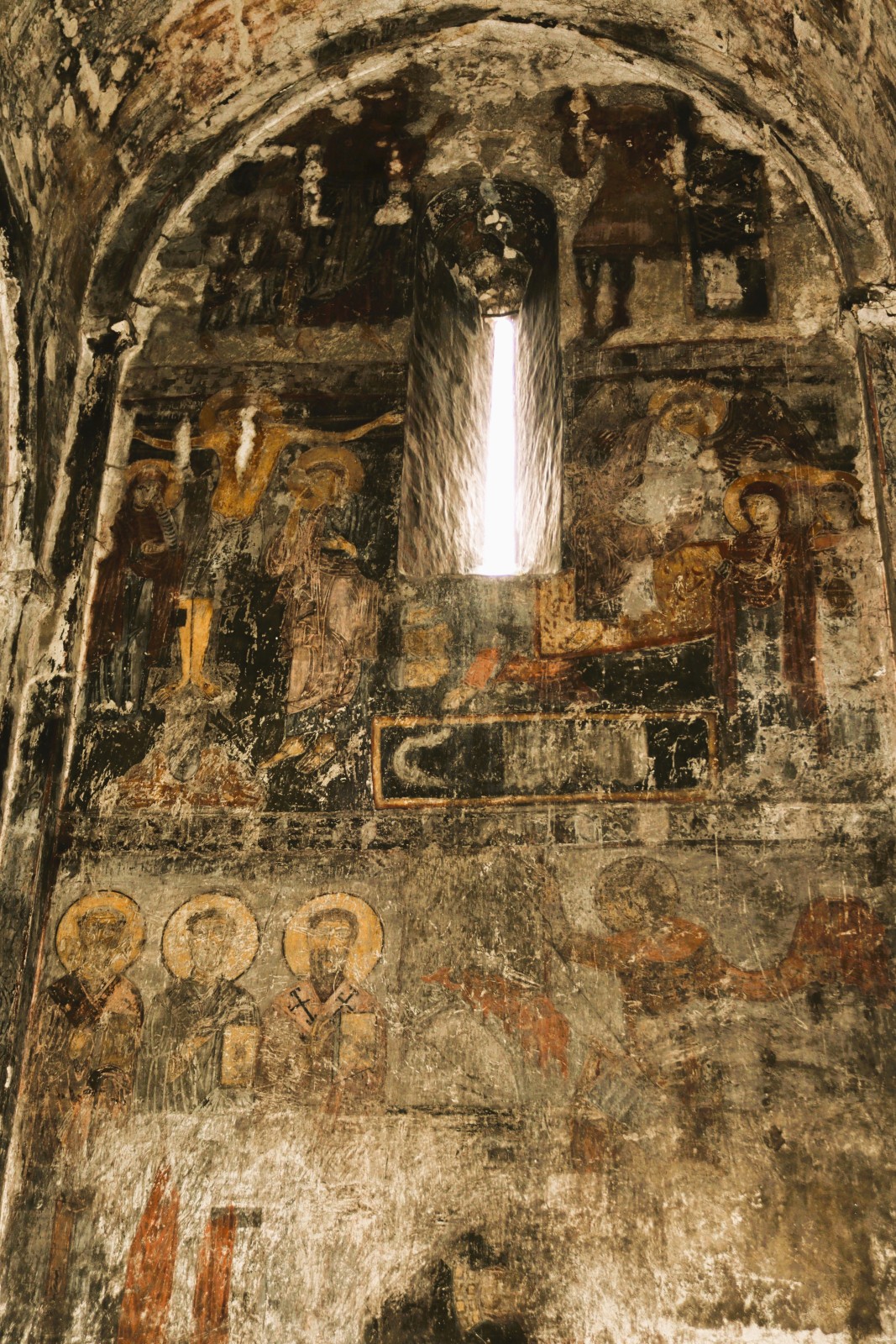
The chancel paintings represents a peculiar version of Majestas Domini composition. This theme, with various modifications, was widespread throughout the Christian East and in Georgian mural painting as well. The unique feature of the Nezguni composition is the depiction of the Virgin Hodegetria as a half-figure within a medallion at the center of St. Apostles' row—replacing the traditional full-length standing figure of the Virgin. This variation emphasizes the doctrine of the Incarnation dogma within the context of the Theophany and underlines the doctrine of the dyophysite Christology, in line with prevailing spiritual trends in Georgia at the time.
In addition to its artistic value, the chancel murals are especially significant for their accompanying donor inscription, which provides rare information about both the donor and the painter—an uncommon occurrence in Georgian medieval mural painting. The inscription reads:
"In the name of God and by the grace of the Holy Savior, I, Beshken, commissioned this holy sanctuary with my own bread and wealth, for the supplication for myself and commemoration of my parents’ souls, by the hand of Giorgi... in the month of May. Amen."
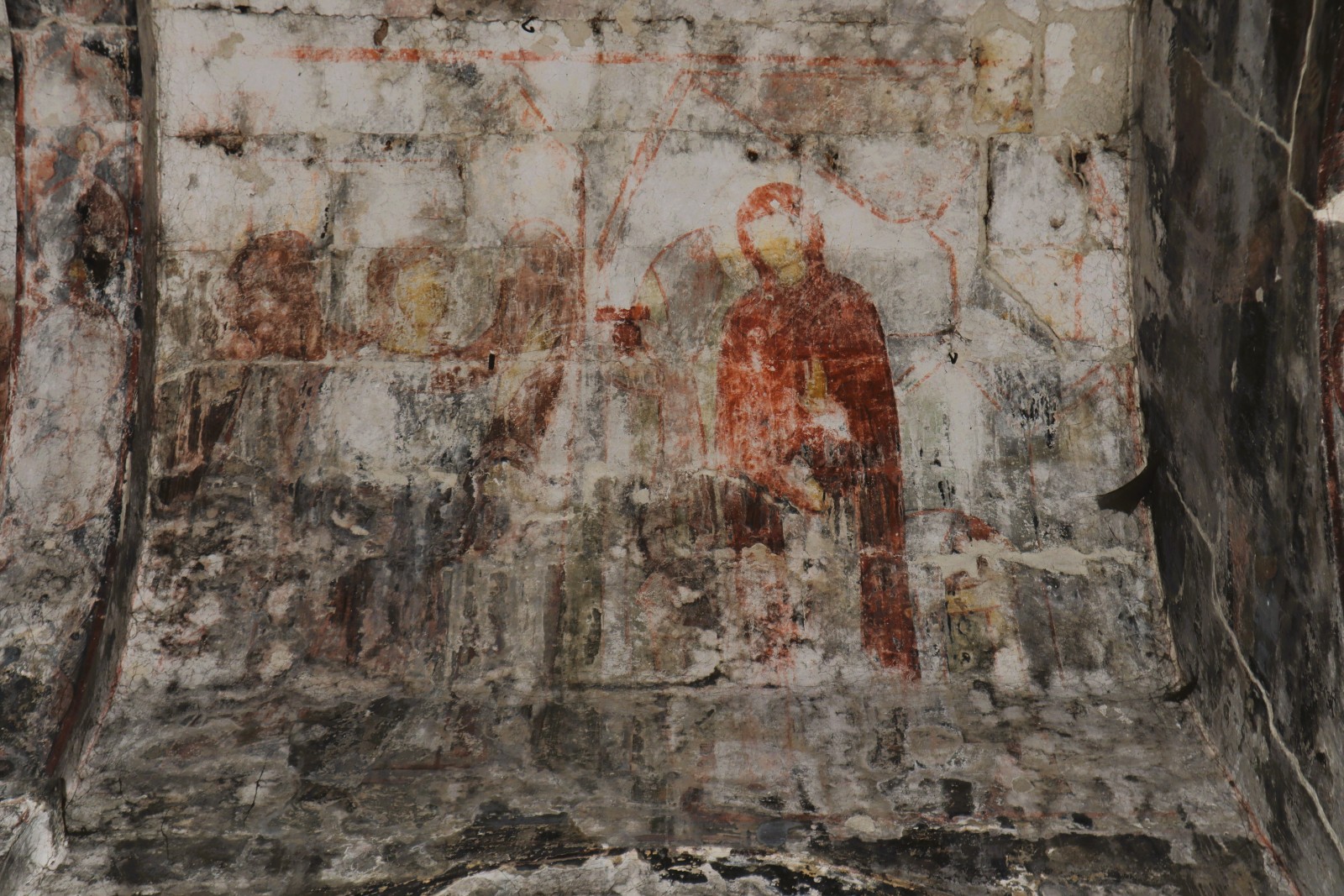
Murals in the naos belong to the artistic circle of Mikel Maghlakeli. They reflect peculiar continuation of the artistic principles and approaches, discernible in Mikel’s creative activity. Noteworthy is the unusual iconographic version of the scene Marys at the Tomb – unparalleled inclusion of the Virgin in the composition and stressed accentuation of the Theotokos theme. The work on the life of the Virgin by St. Maximus the Confessor is considered to be the literary source for such an iconography of this scene.
| Location | In Latali, near the central road |
| The Key Holder | For admission contact Father Basil (Philhani) |
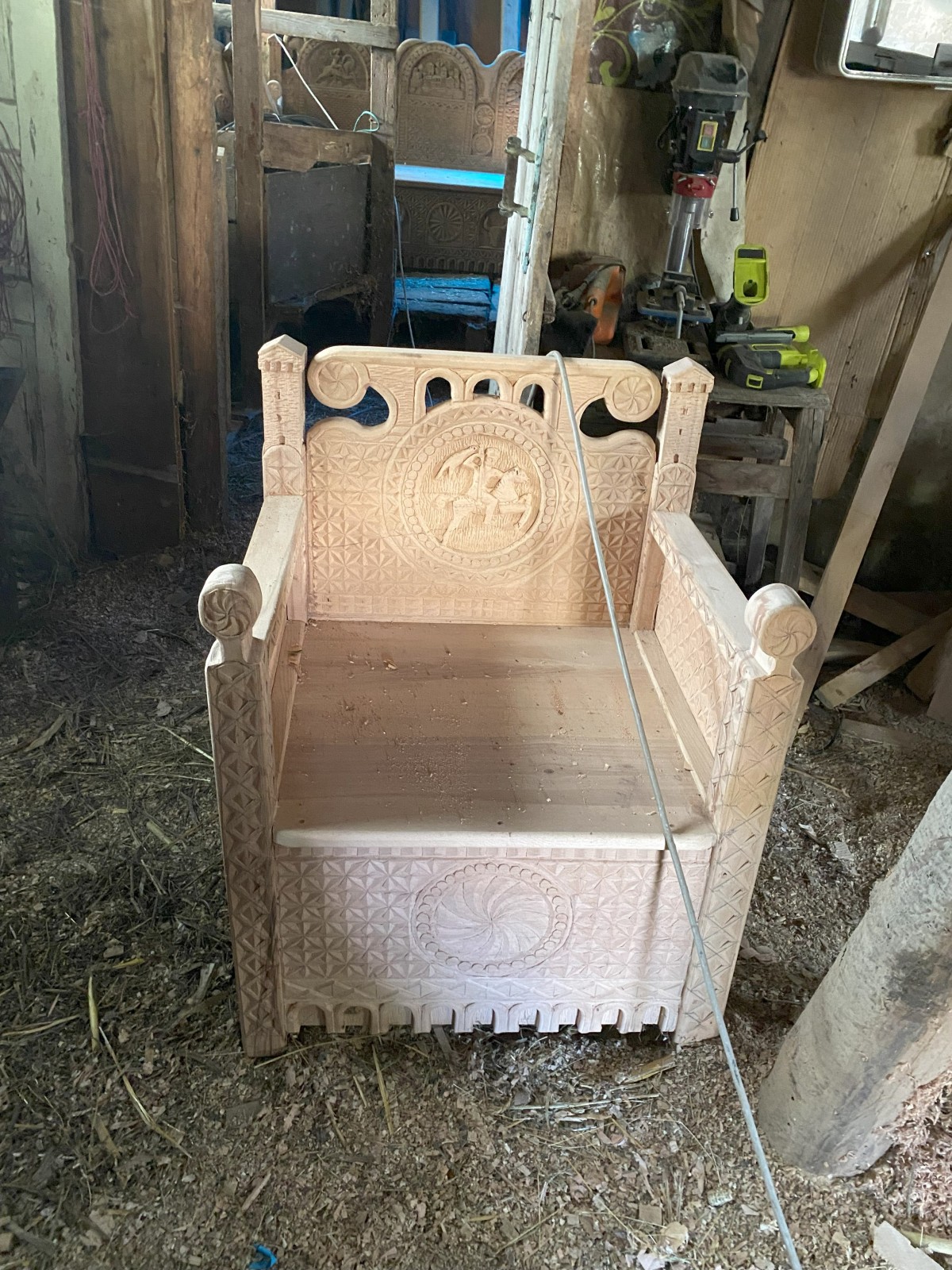
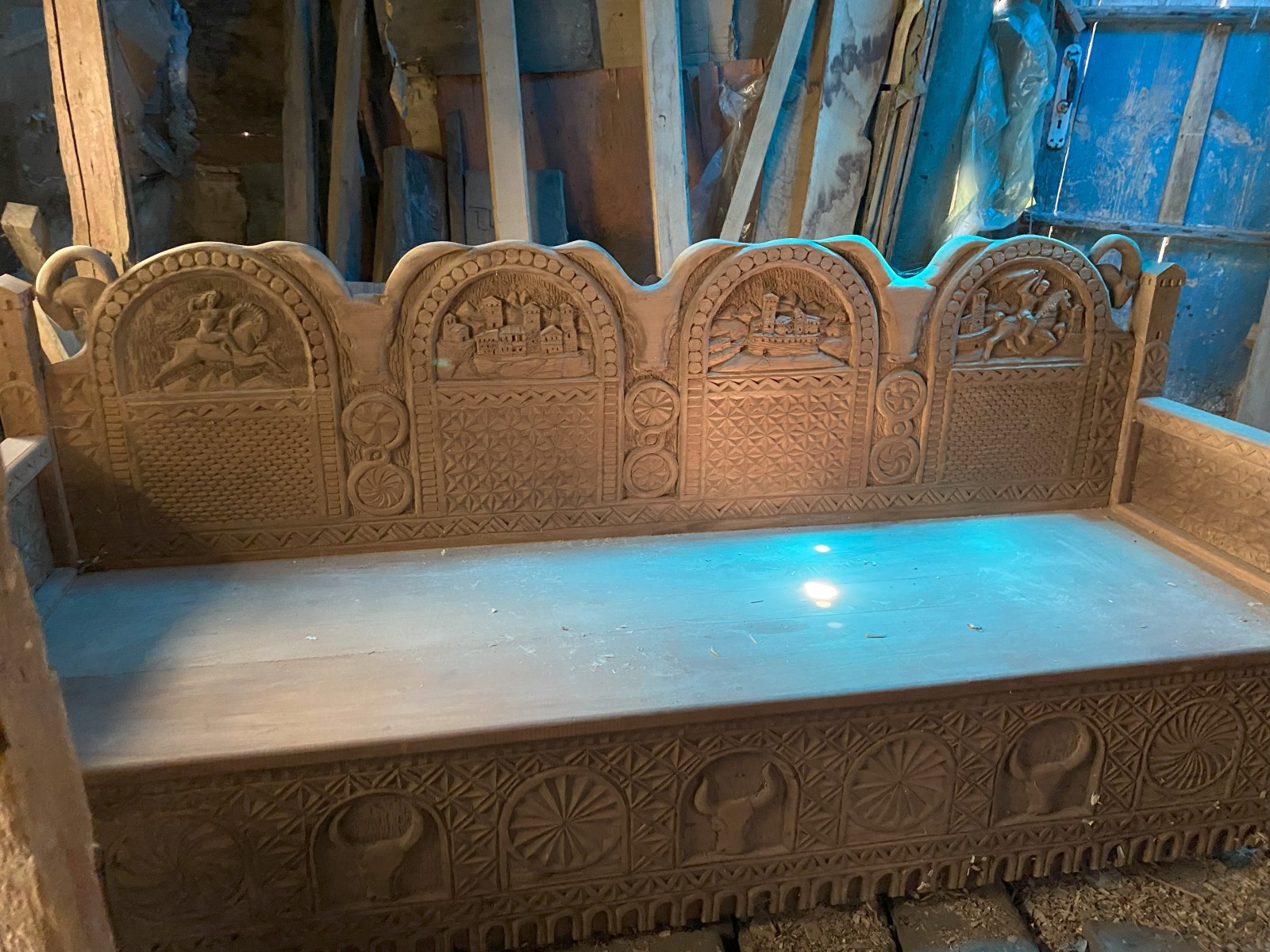
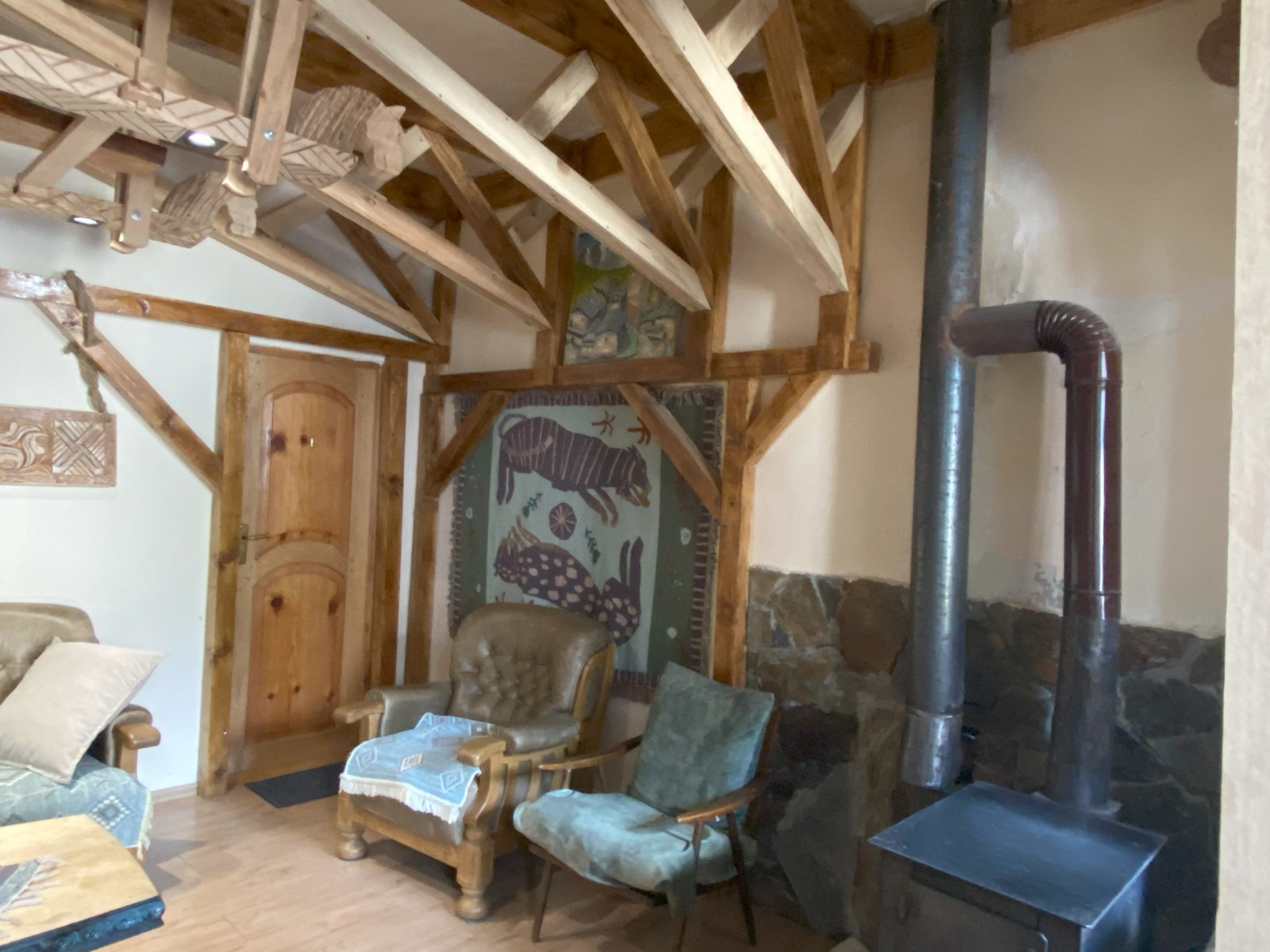
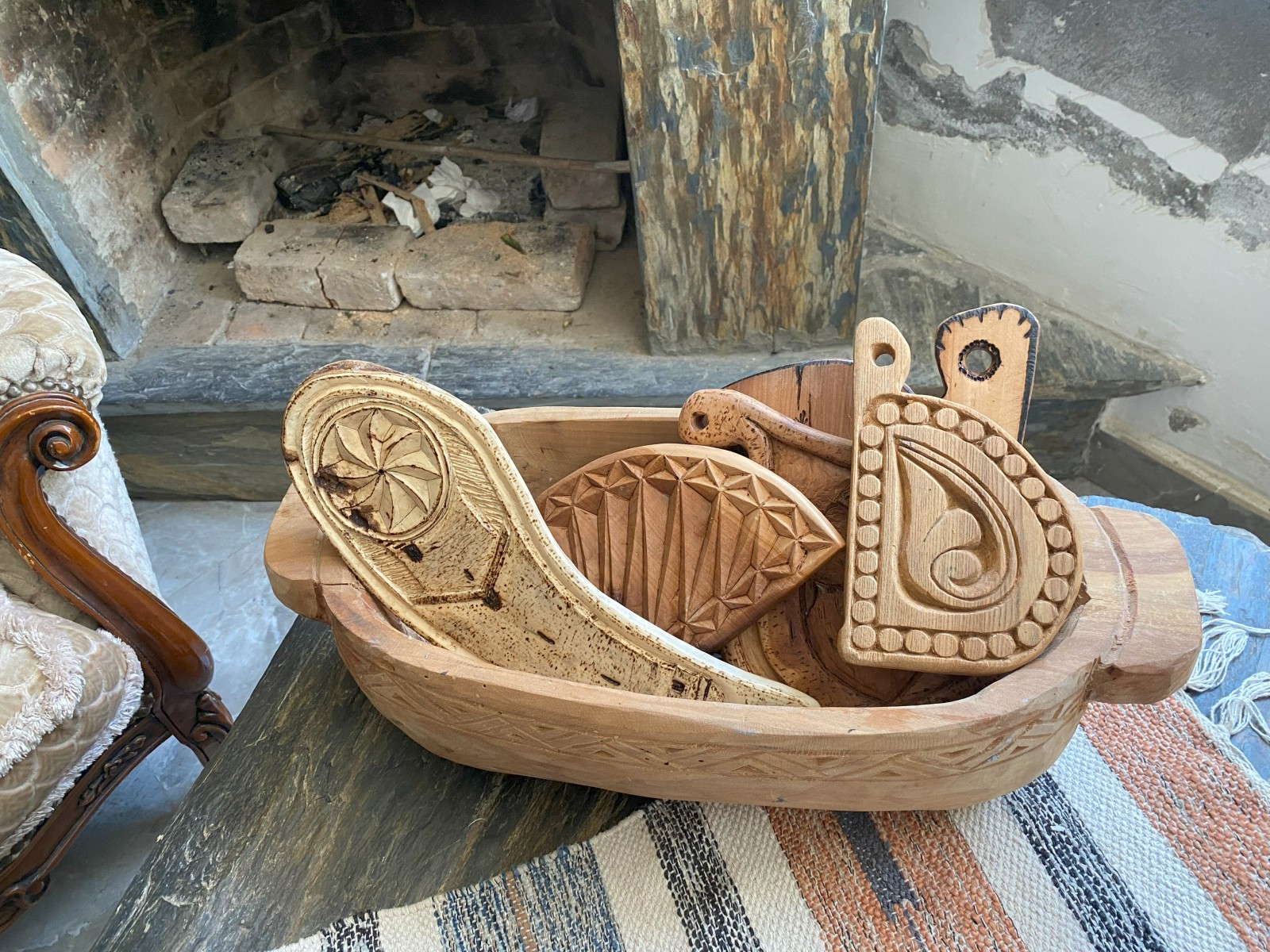
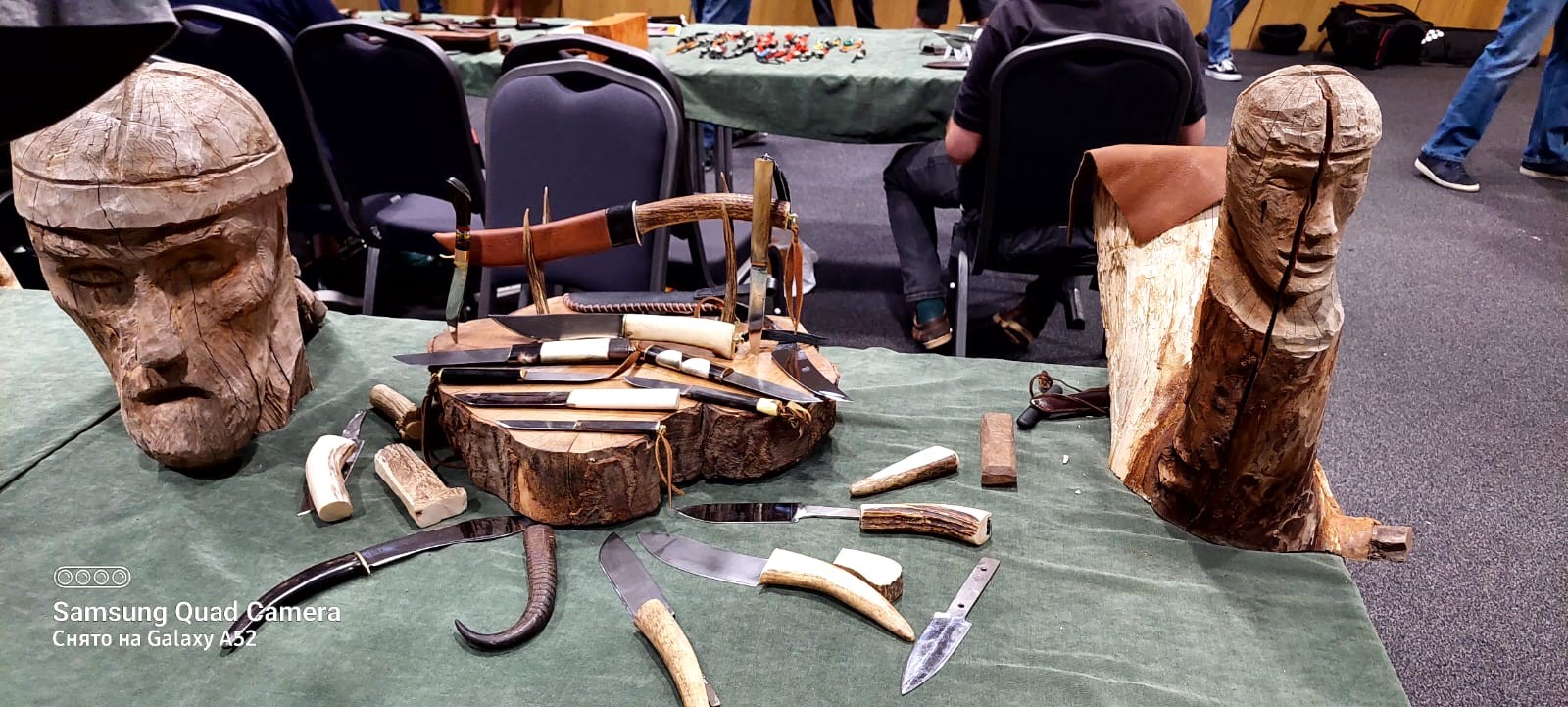
The family owns the family guesthouse “Shalva and Nargiza”, which is located in the village of Lenjeri, on the main road. Shalva Guledani is a professional craftsman. The husband and wife offer tourists a master class in ornamental woodcarving in the hotel space, as well as master classes in Svanetian hats and cooking.