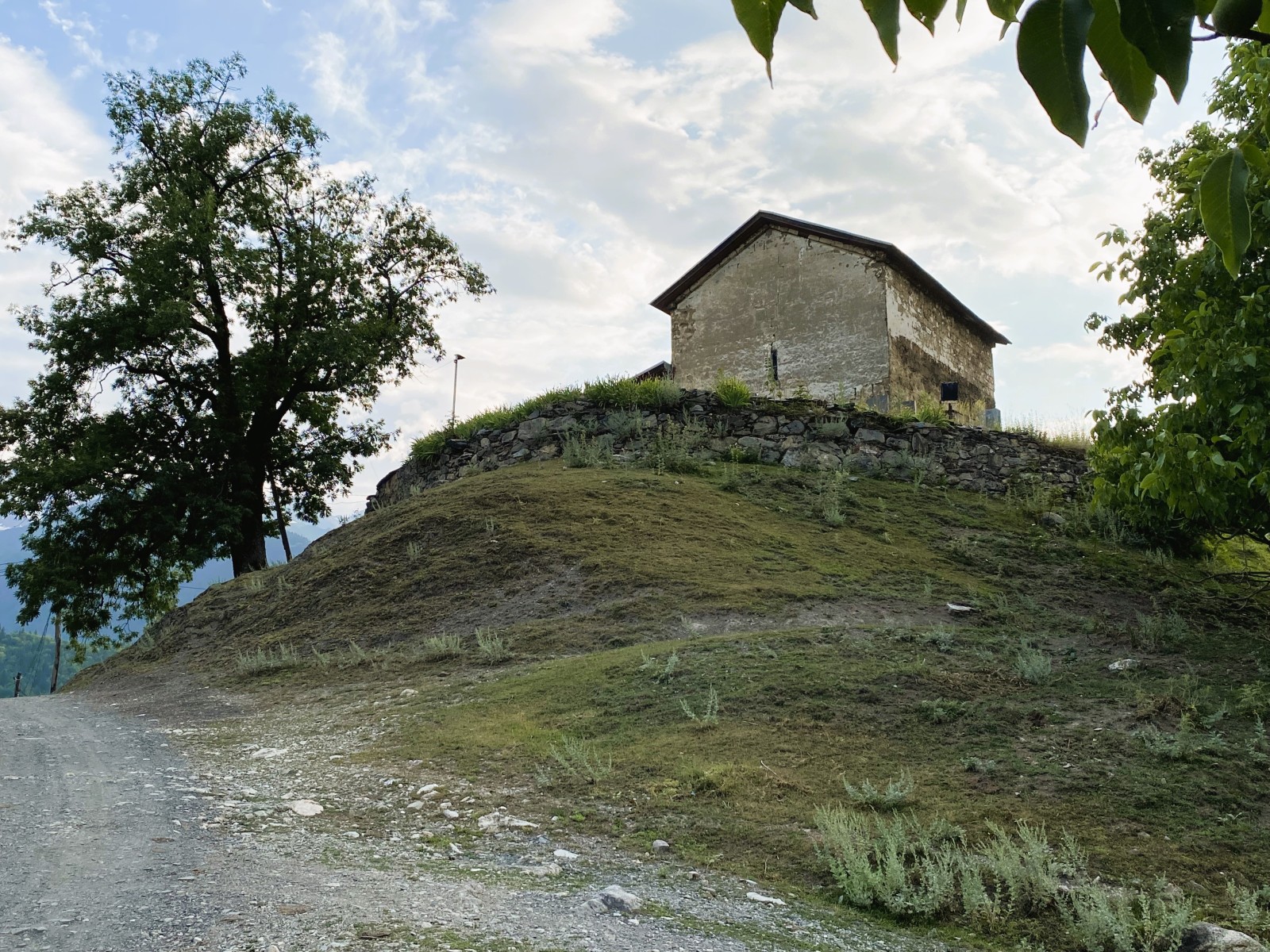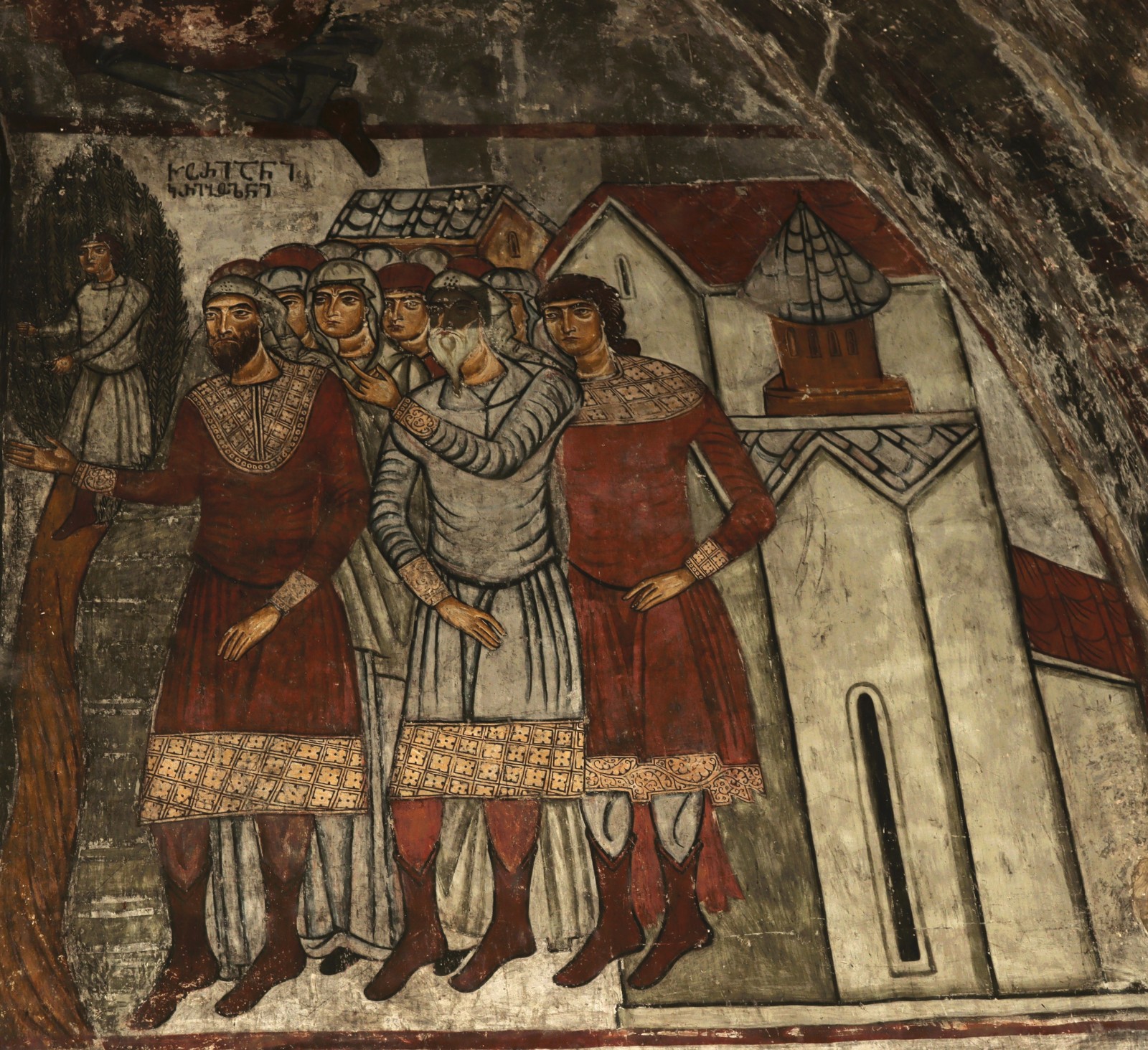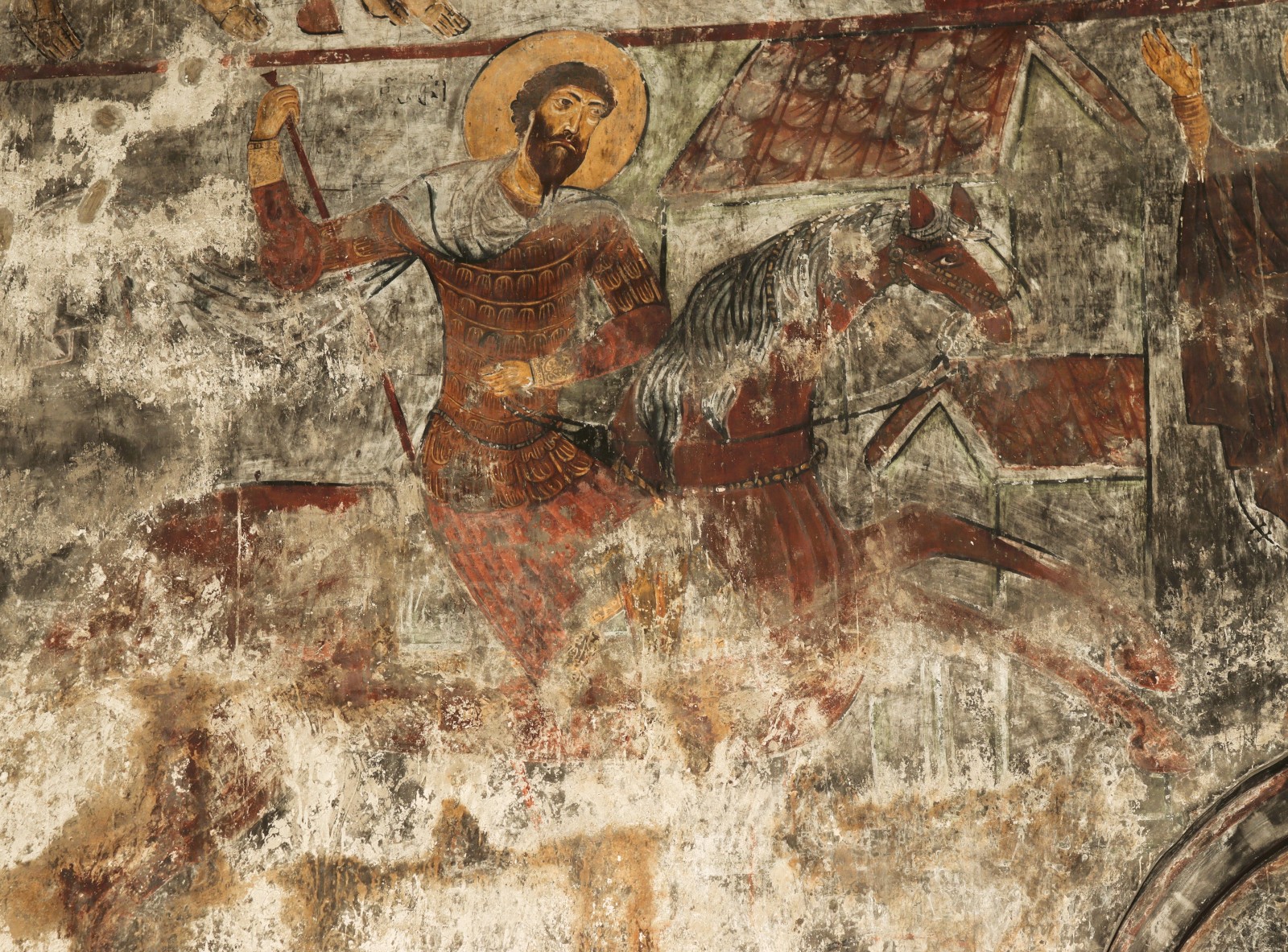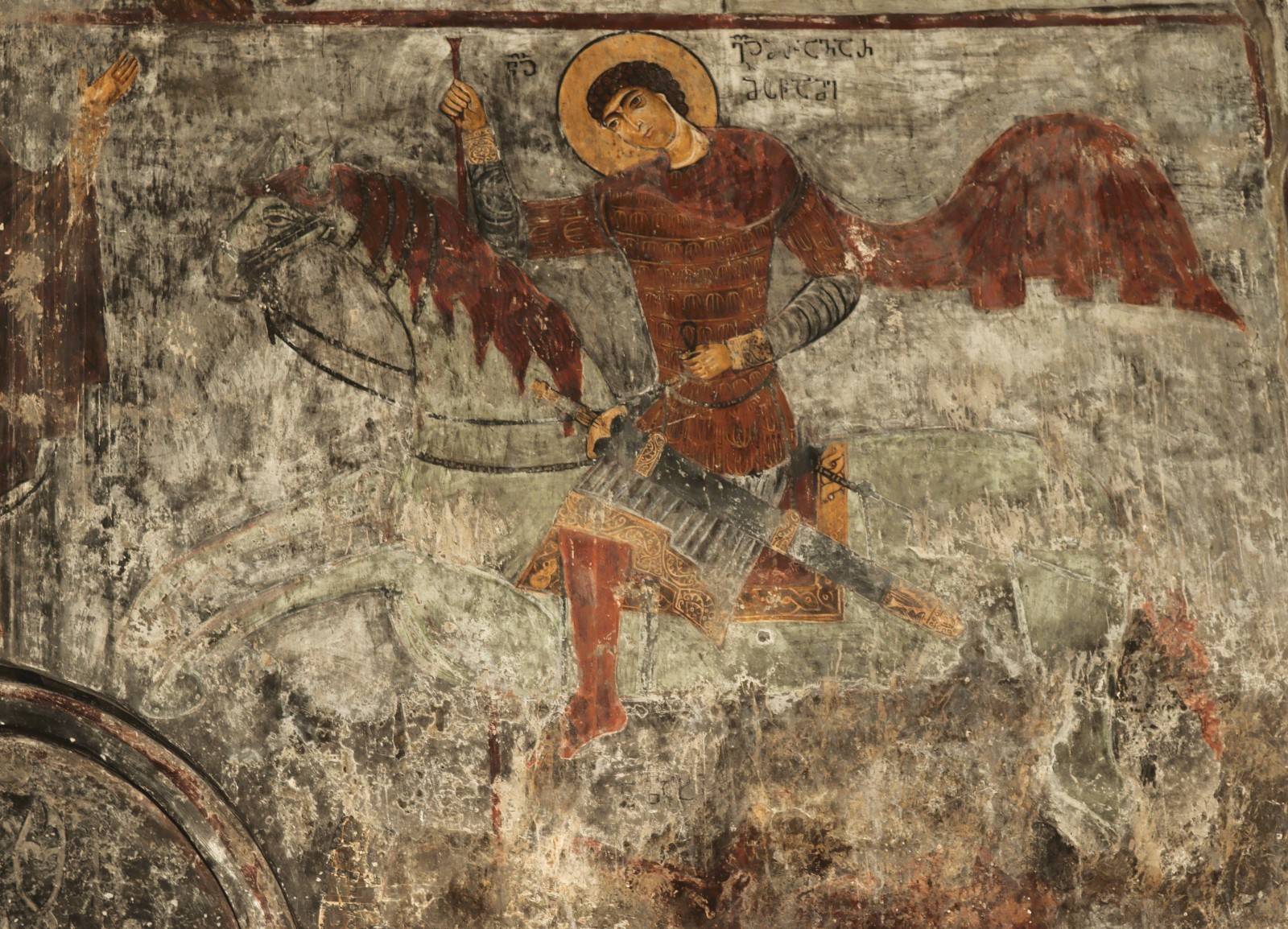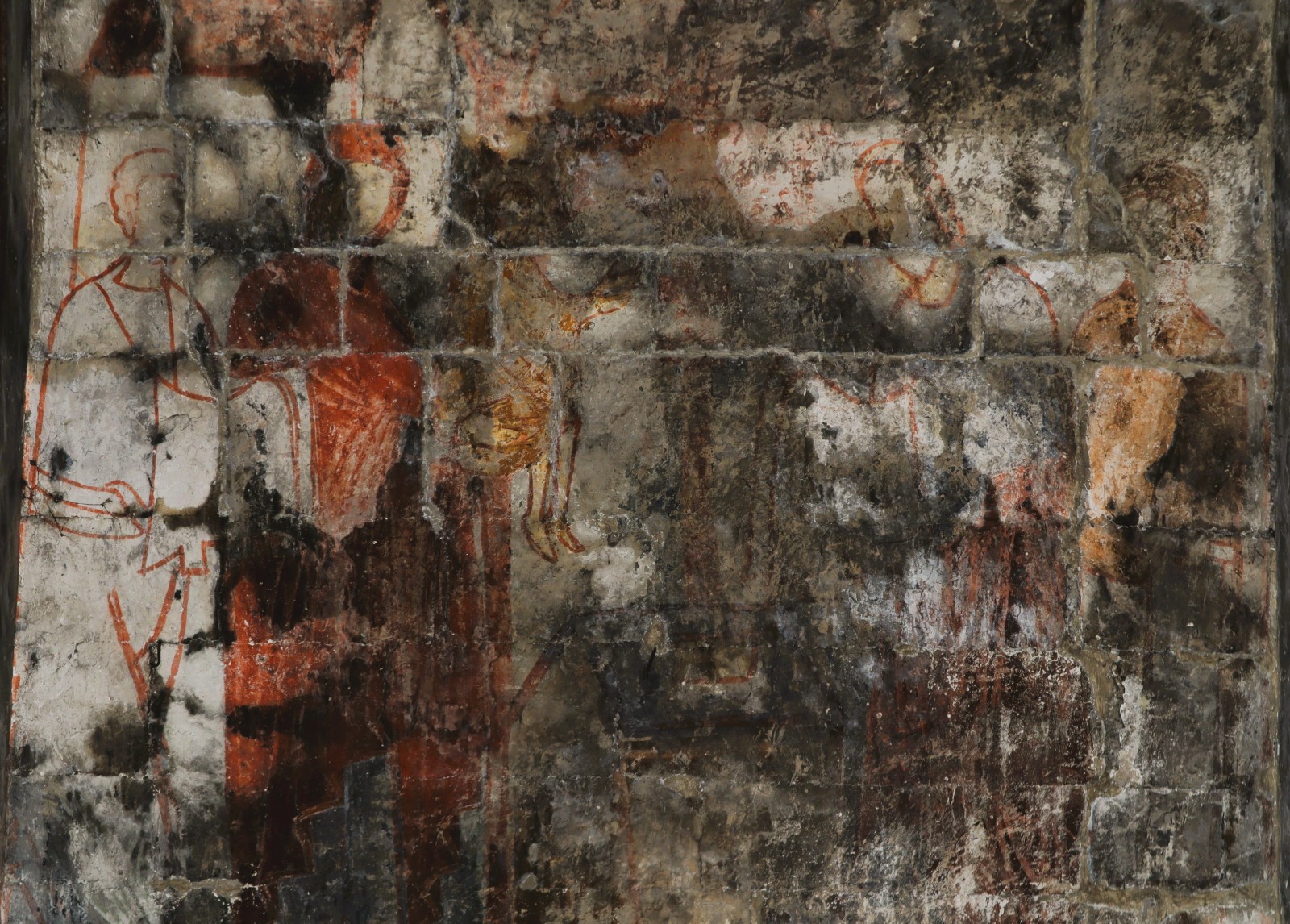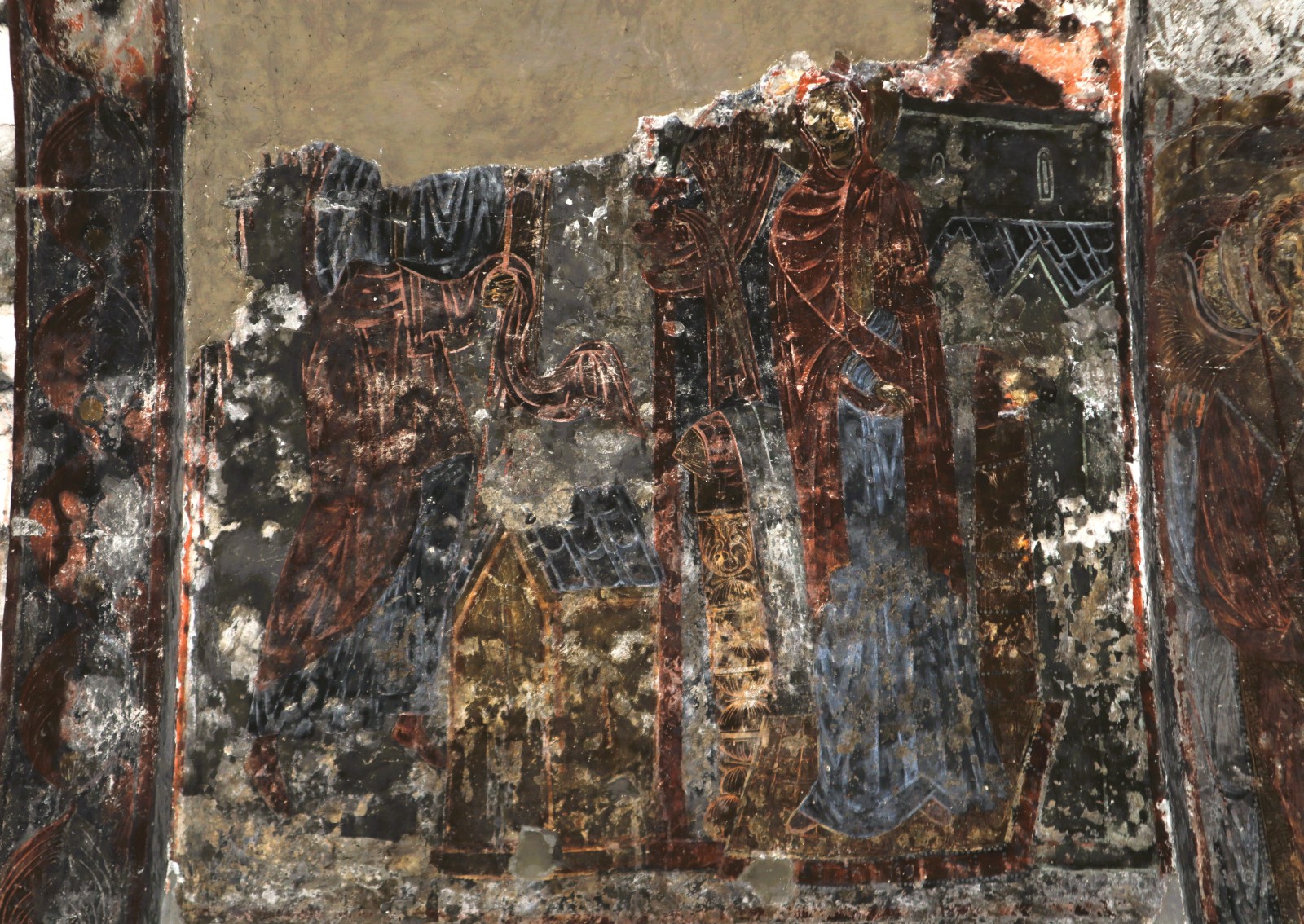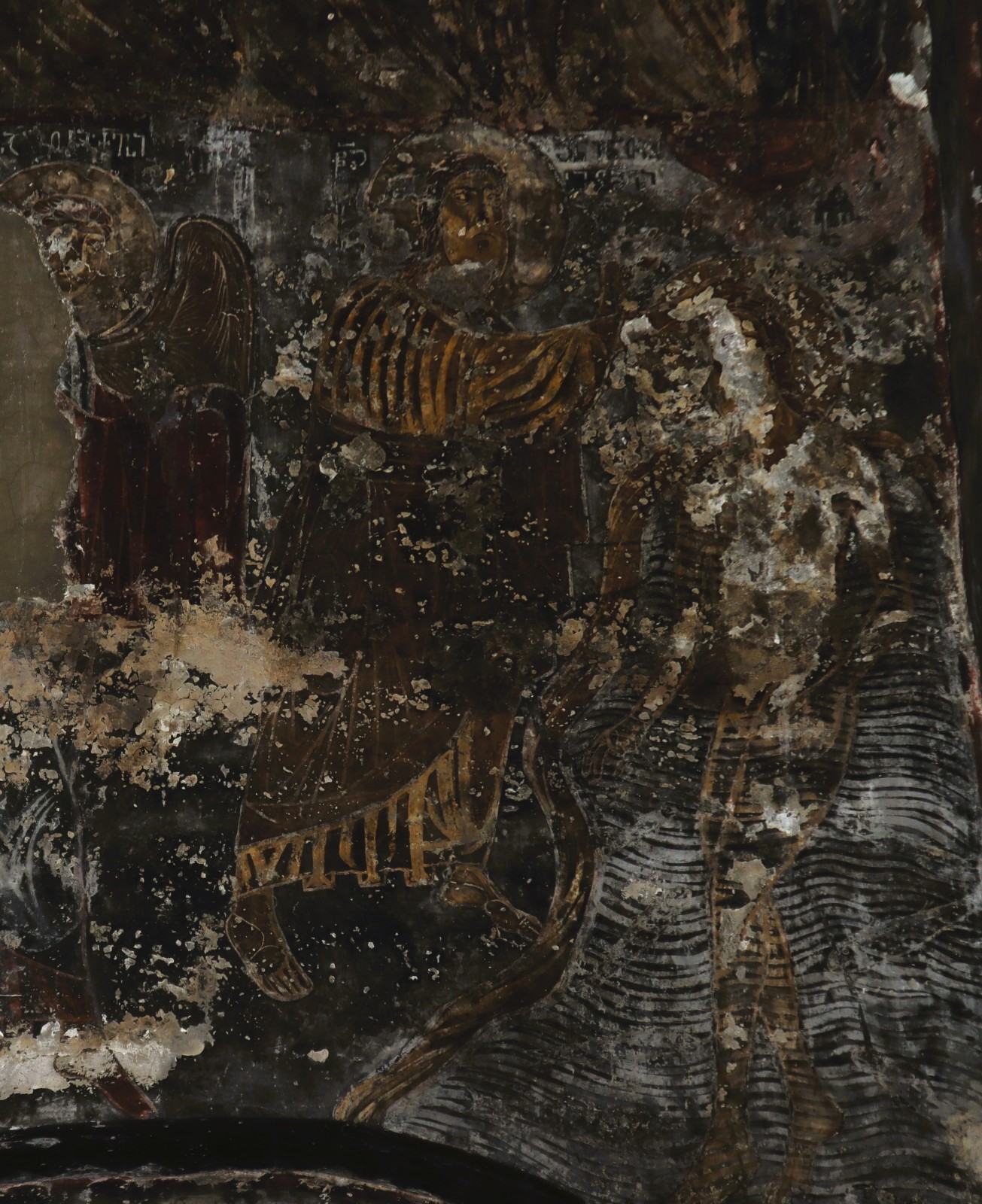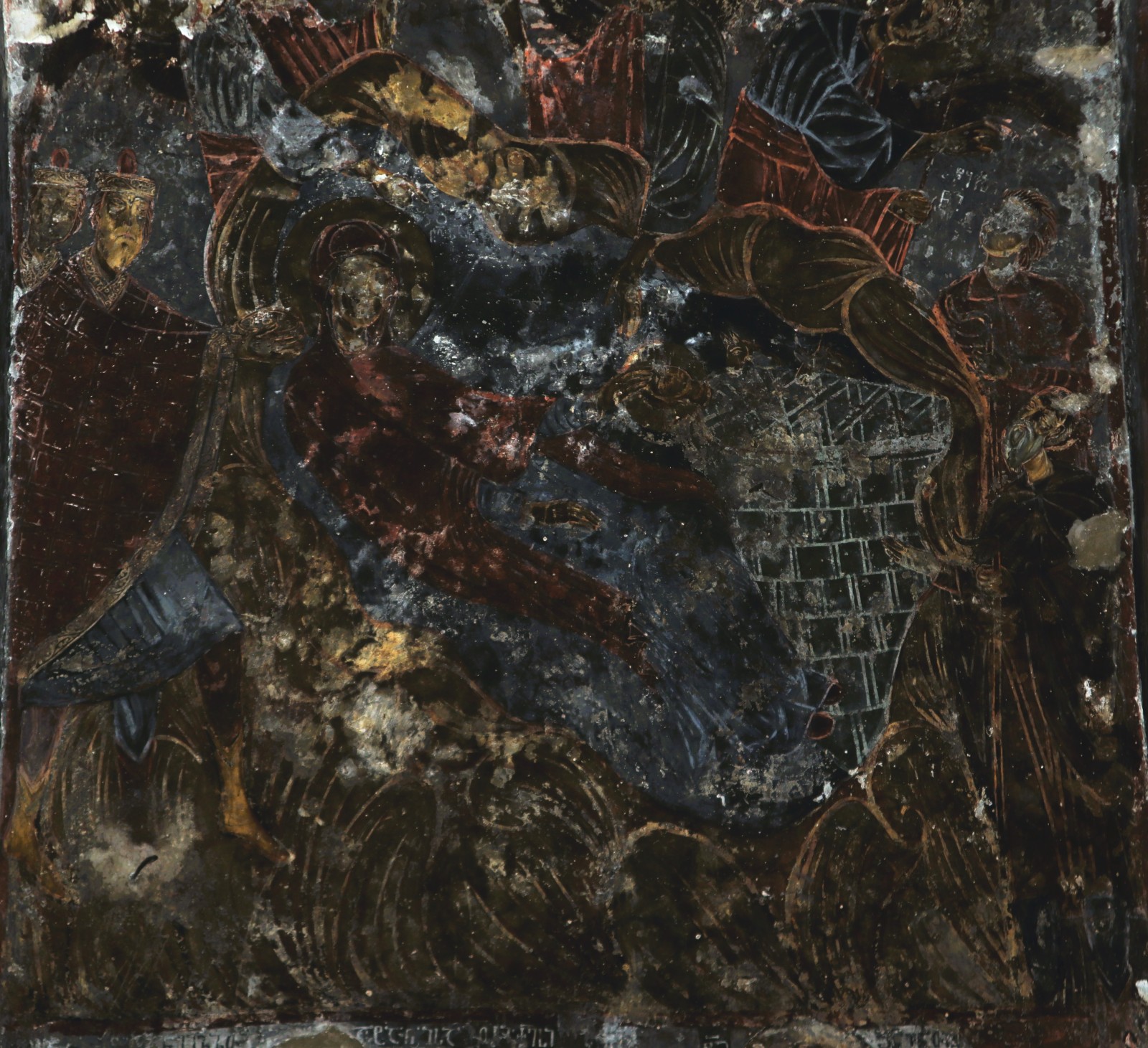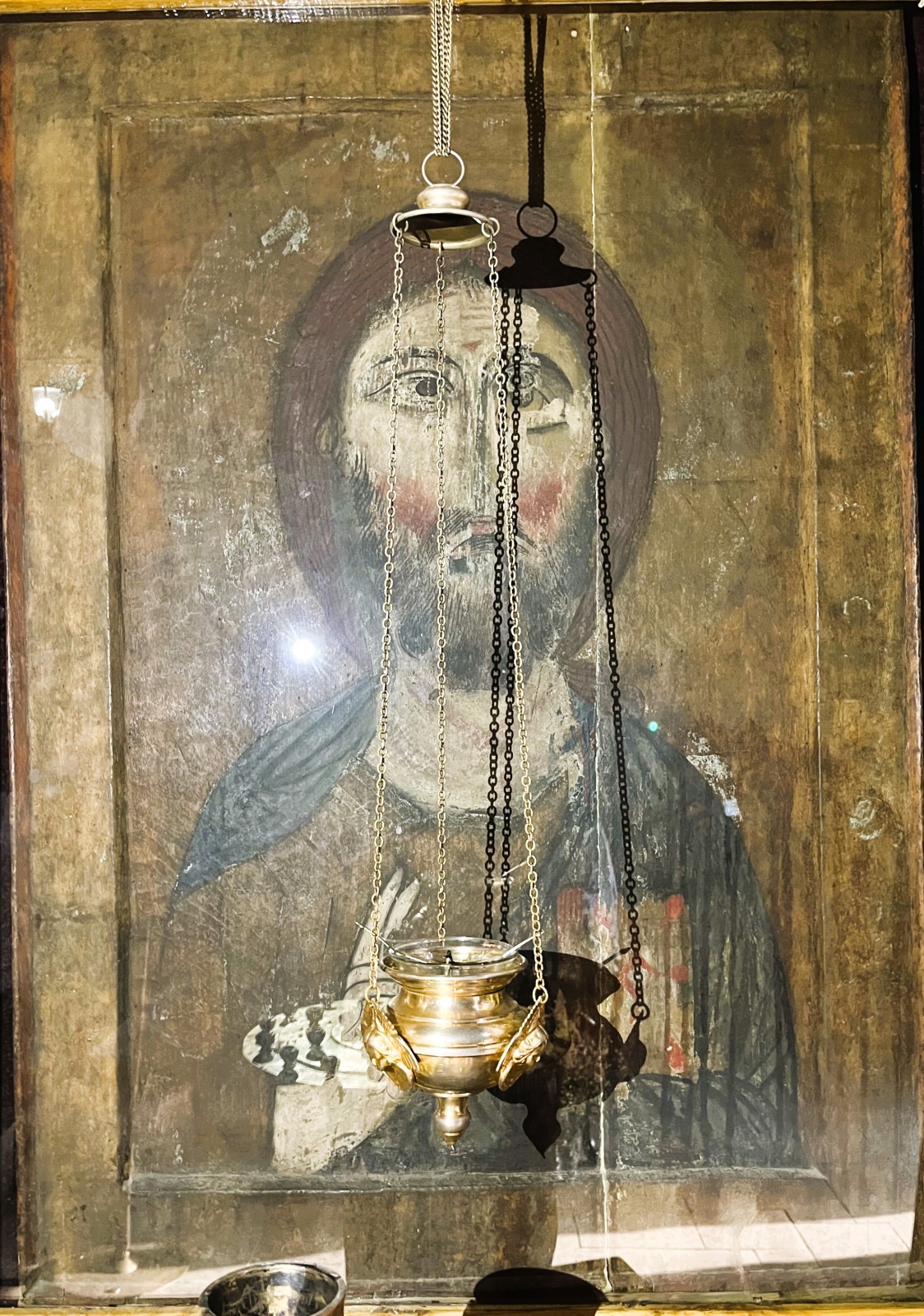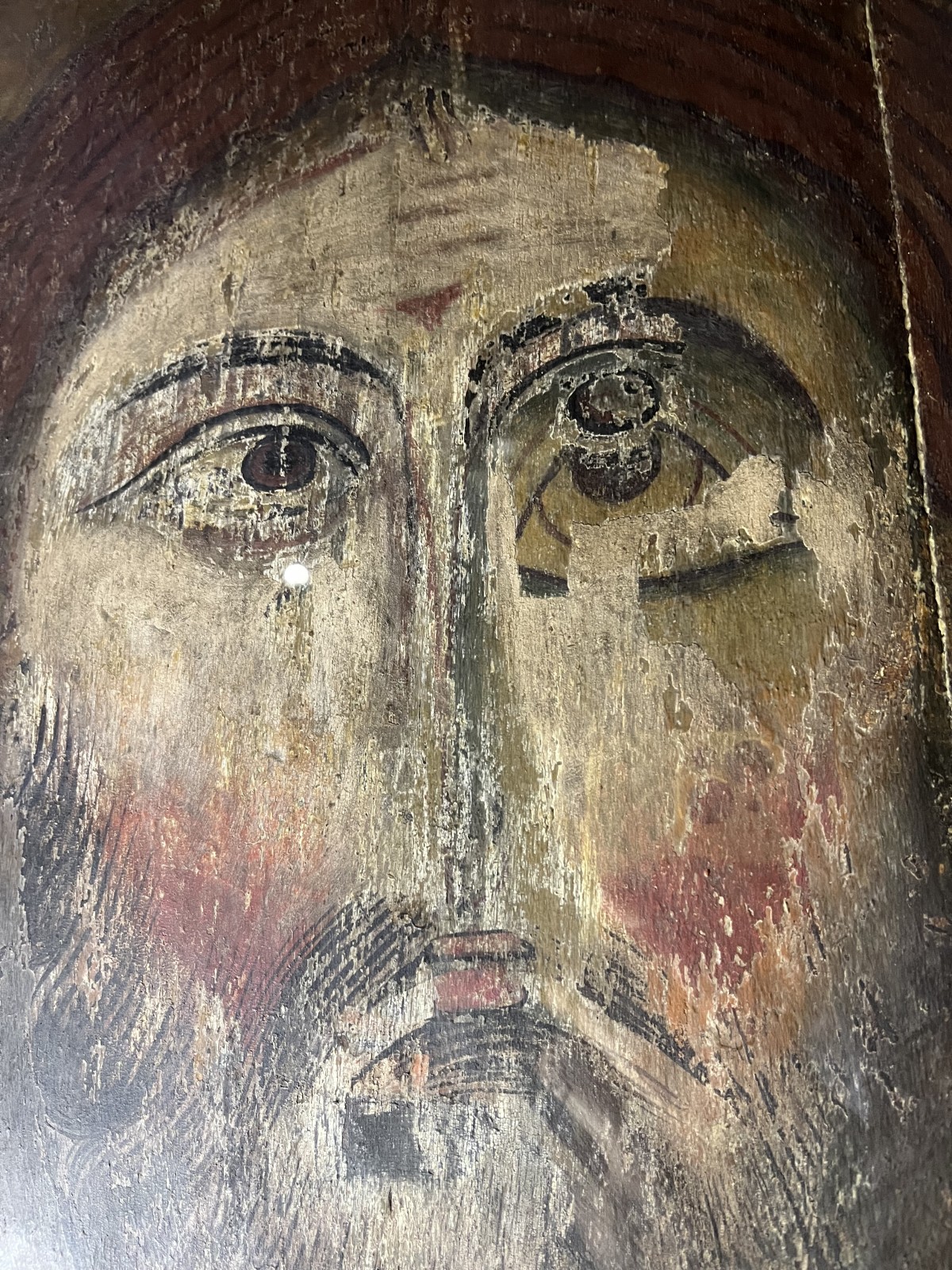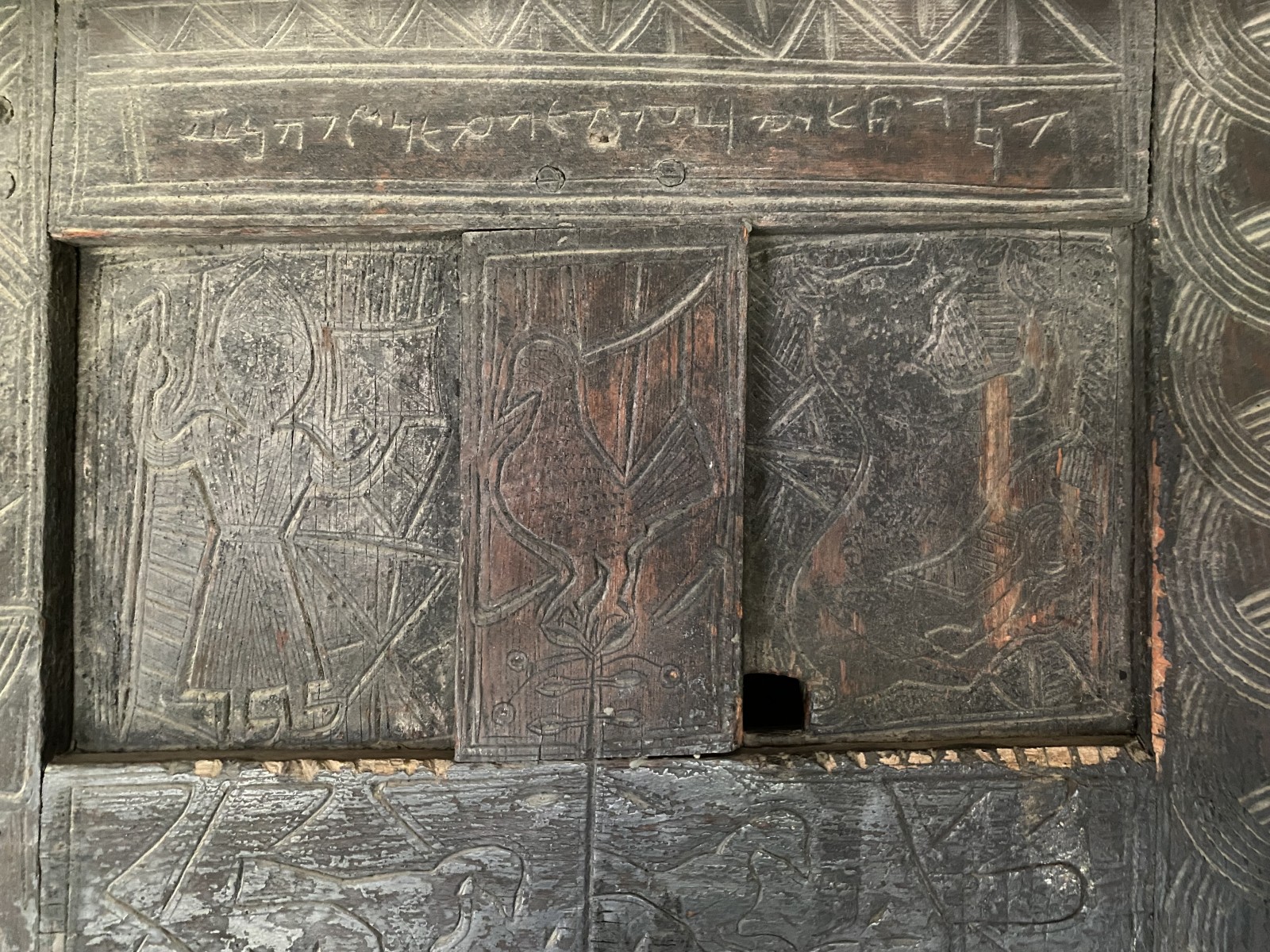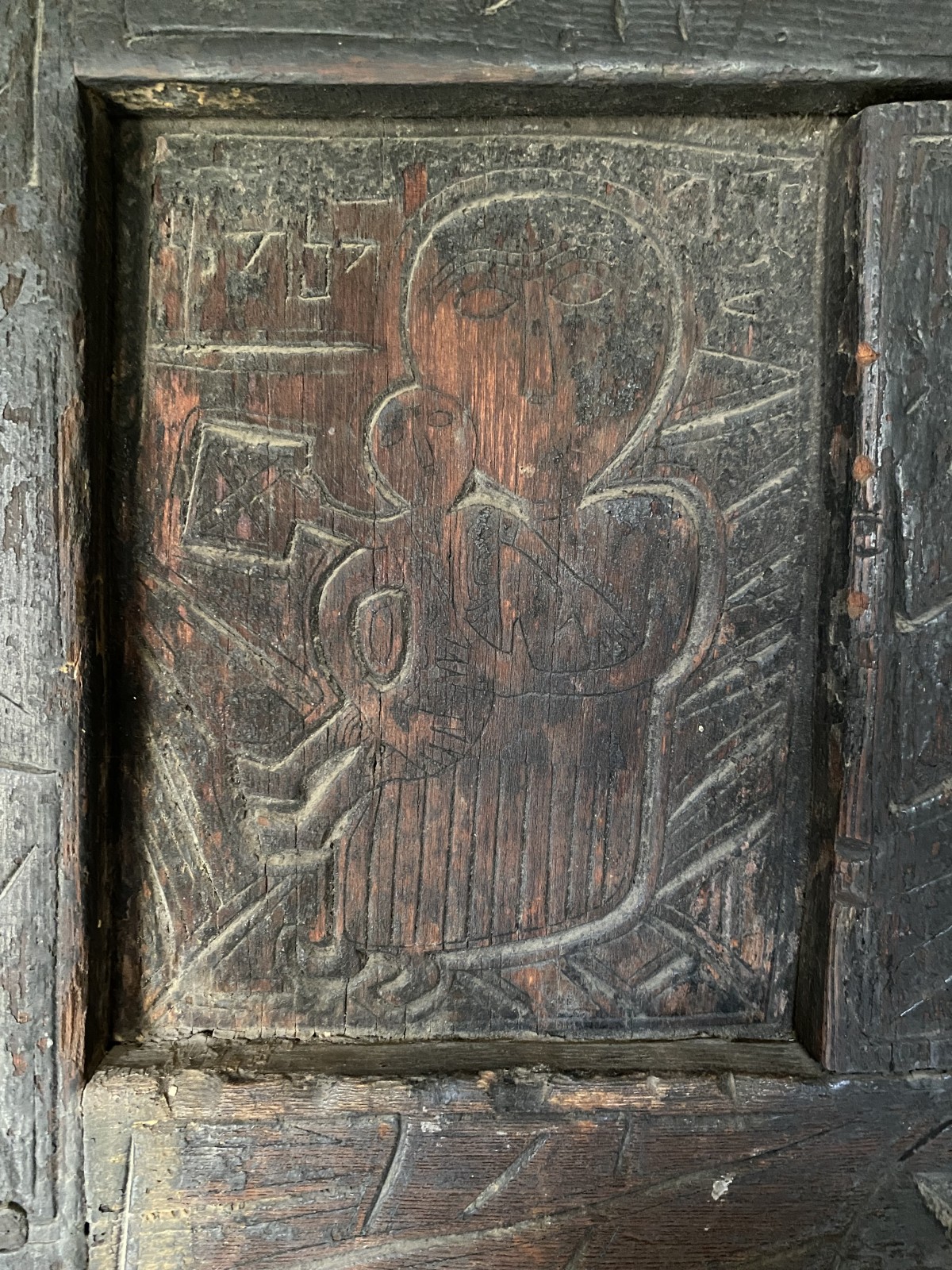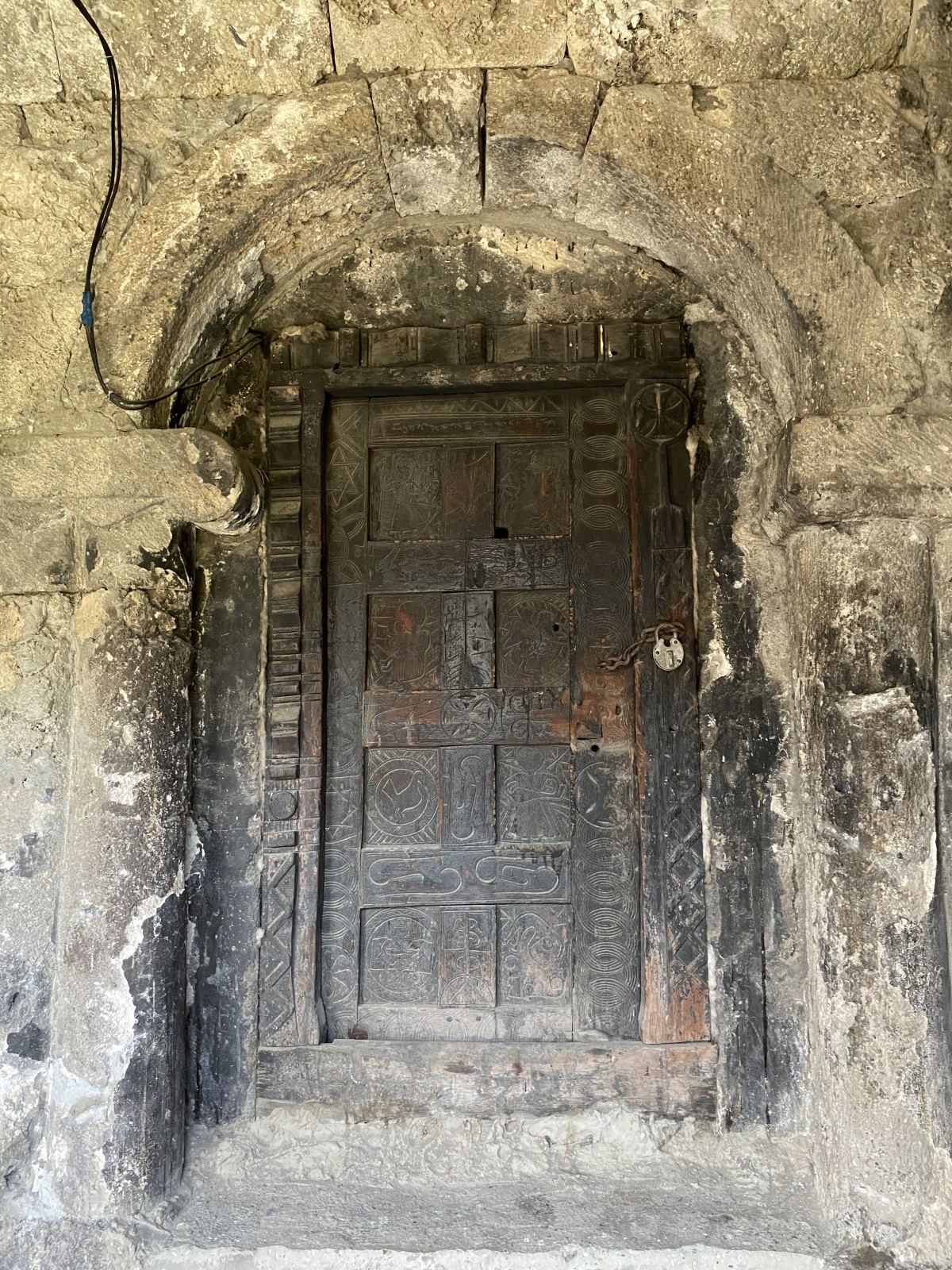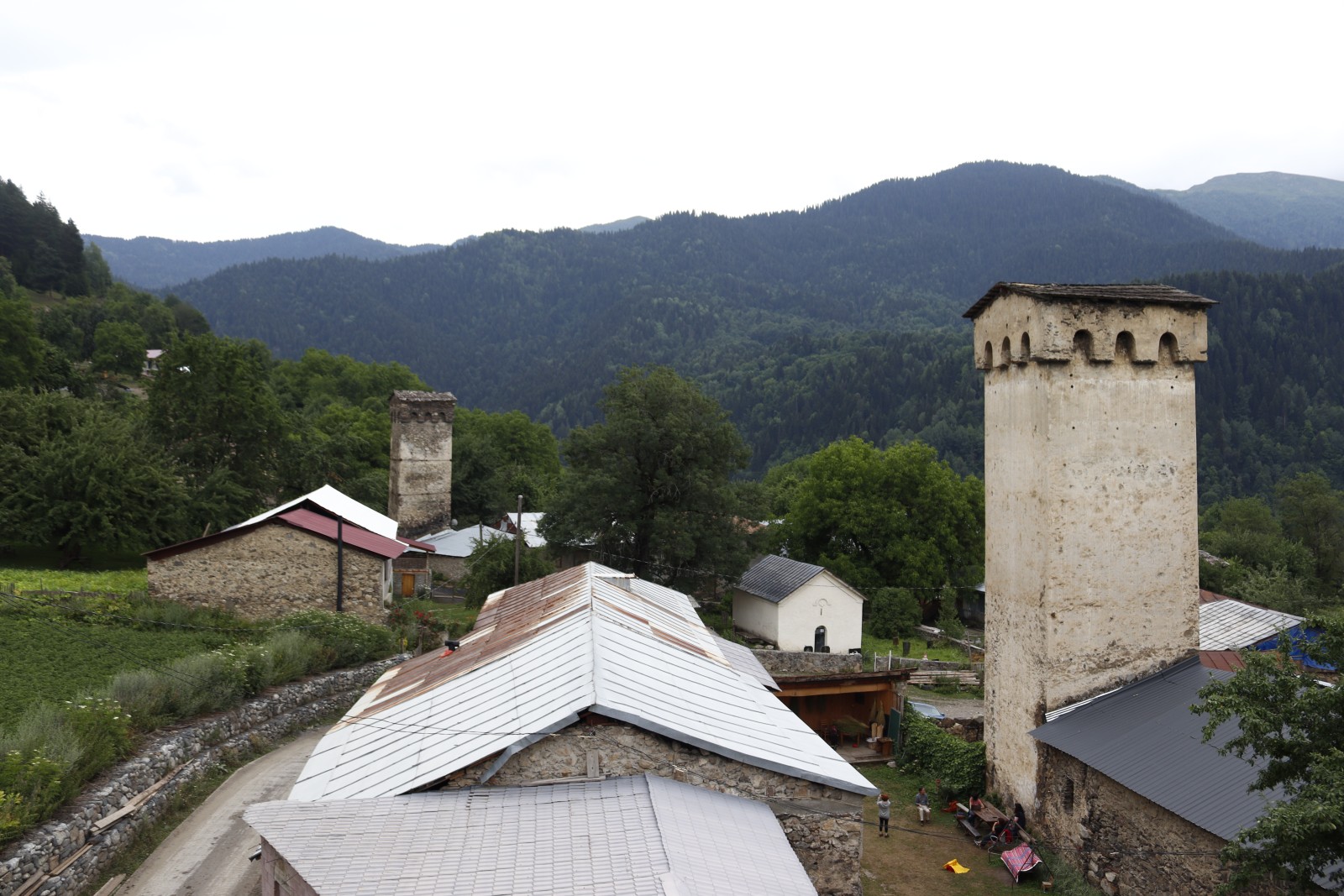
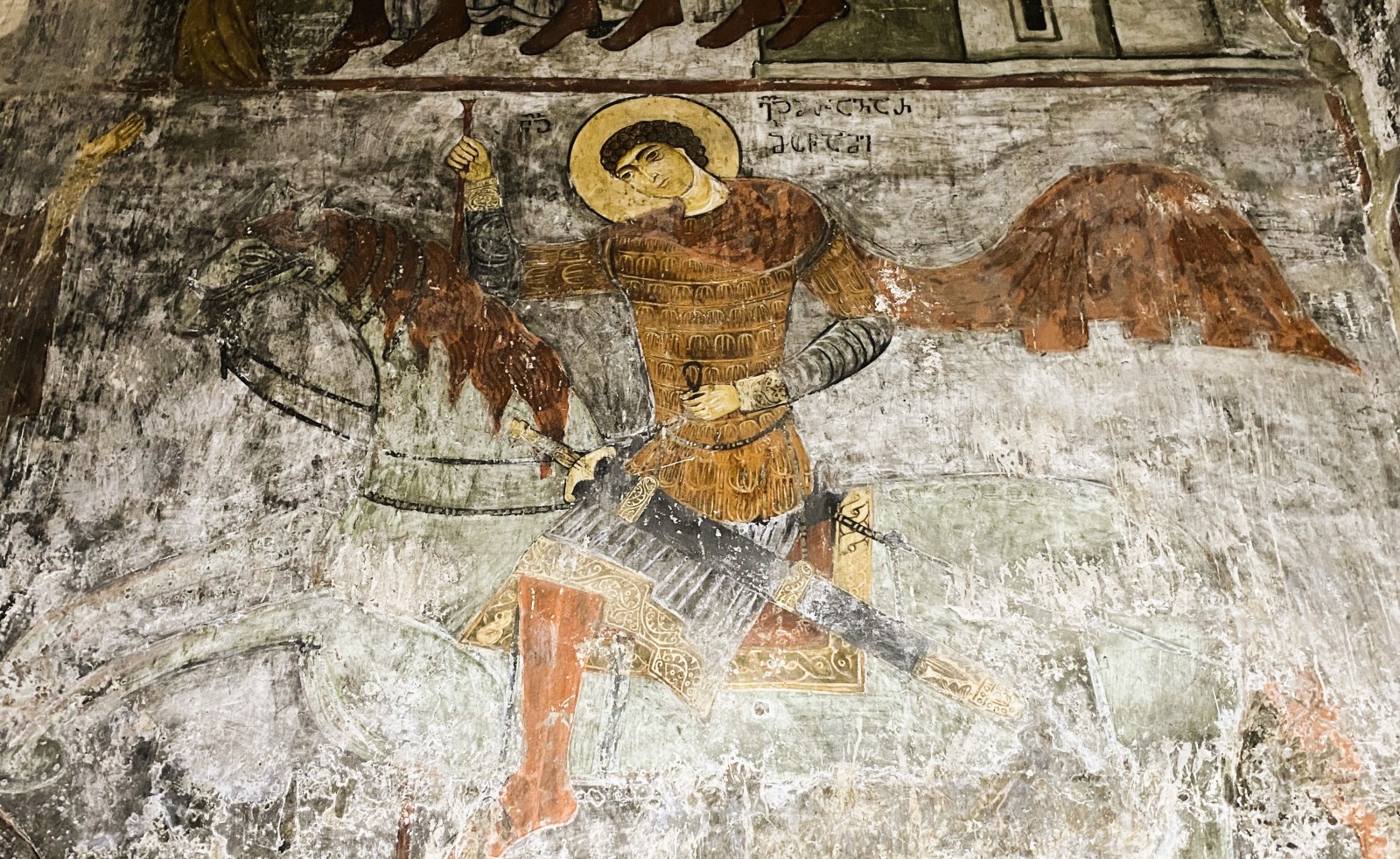
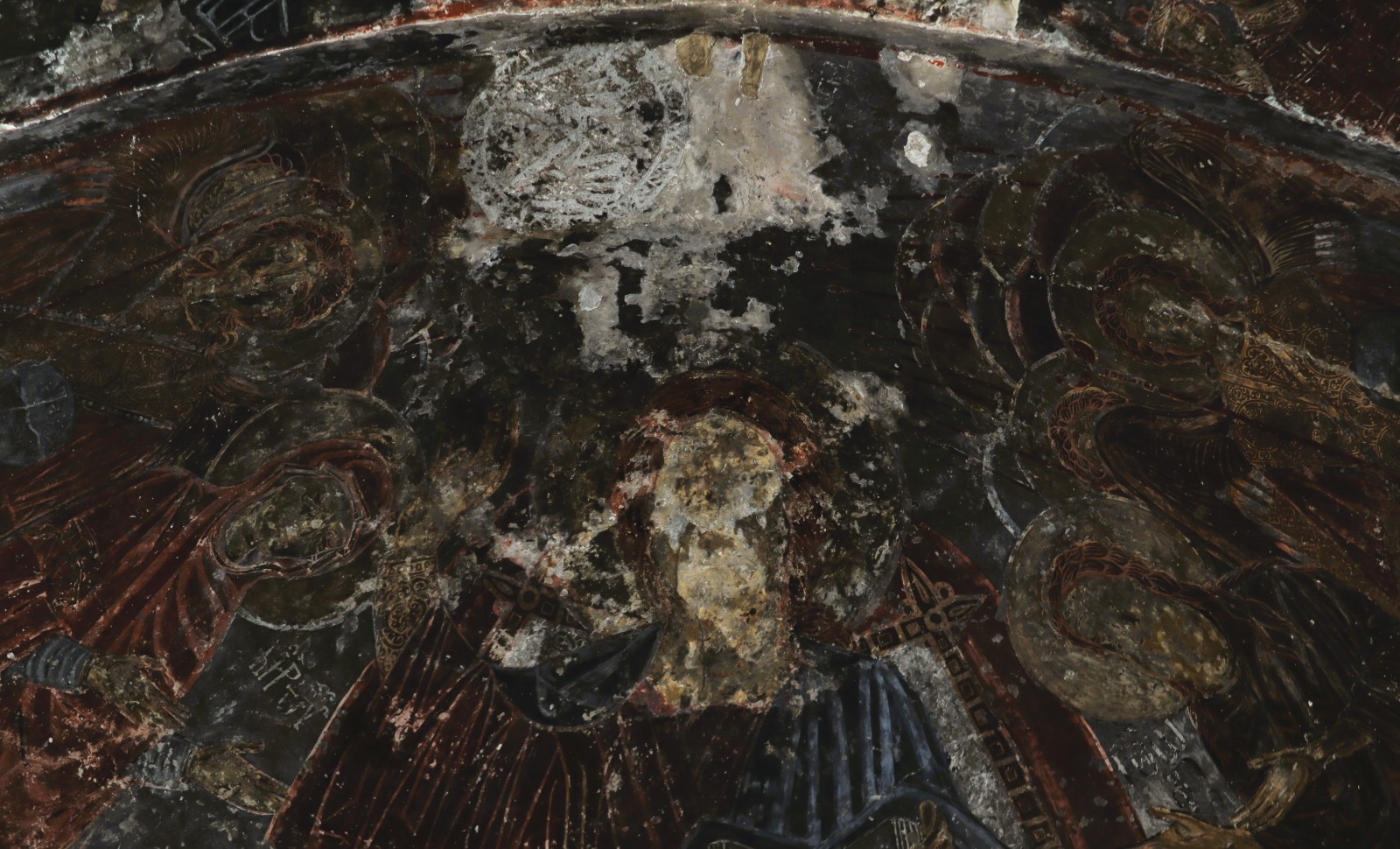
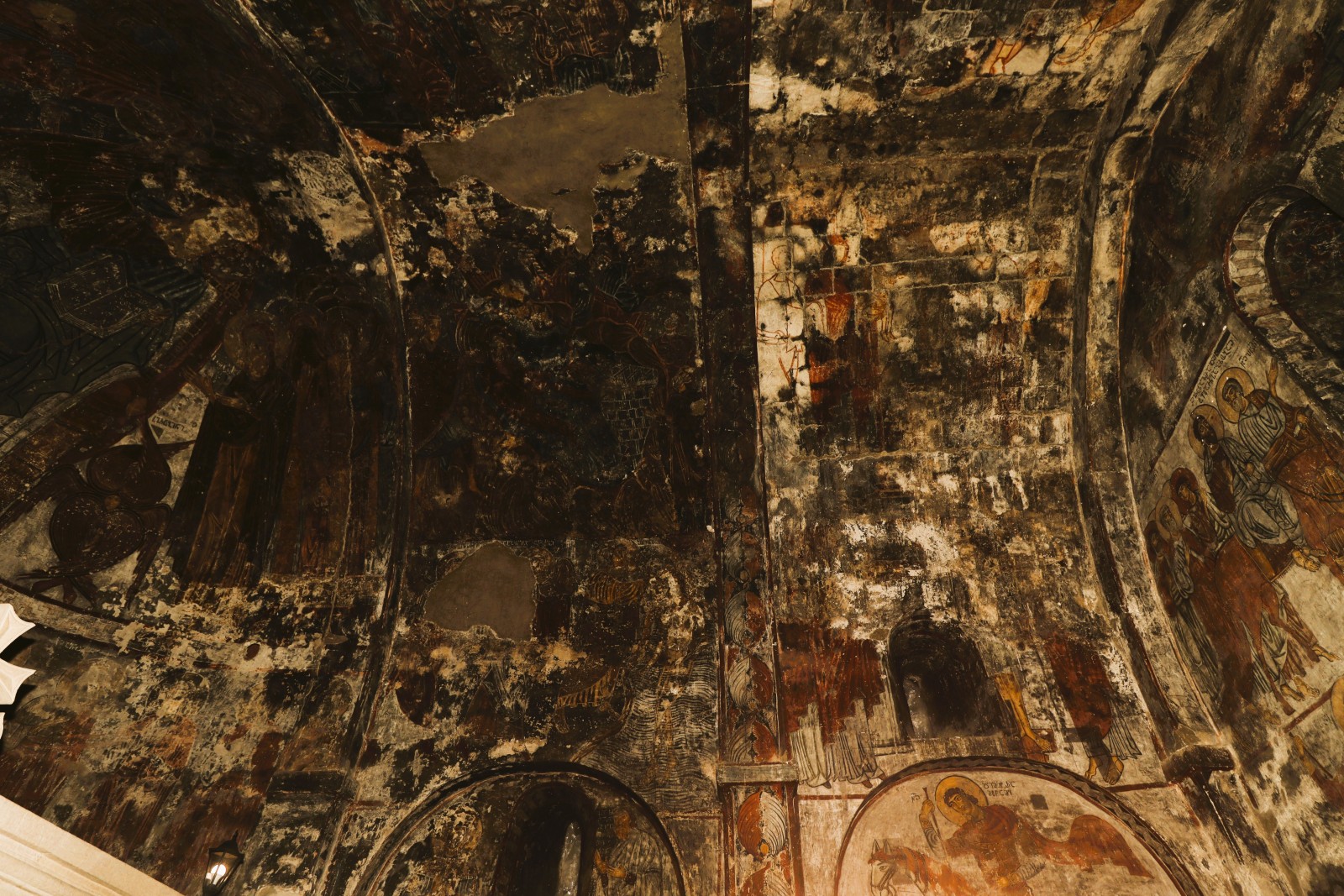
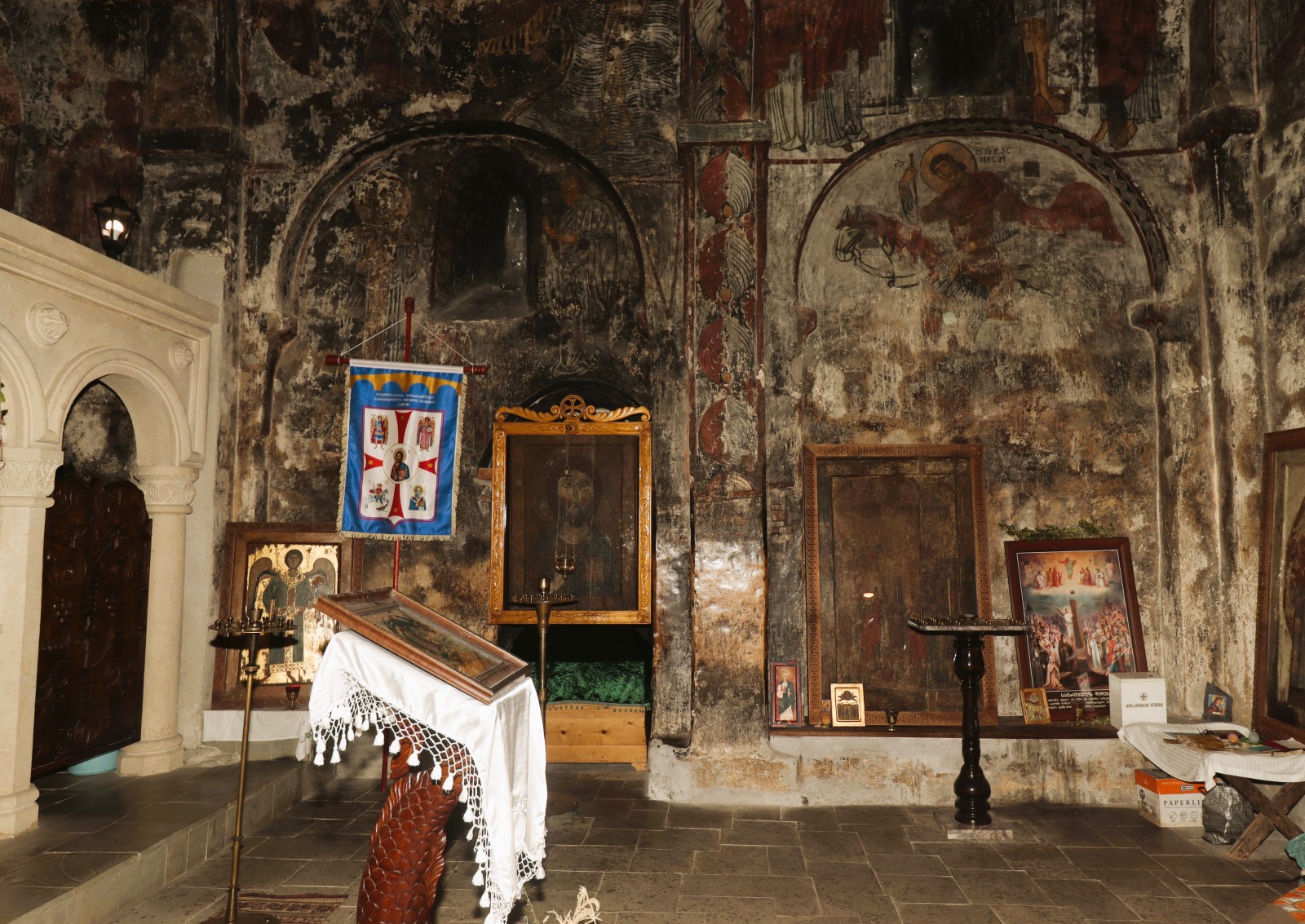

Located in the village of Matskhvarishi in the Latali community, this large single nave church with a two-sided ambulatory dates back to the 10th century.
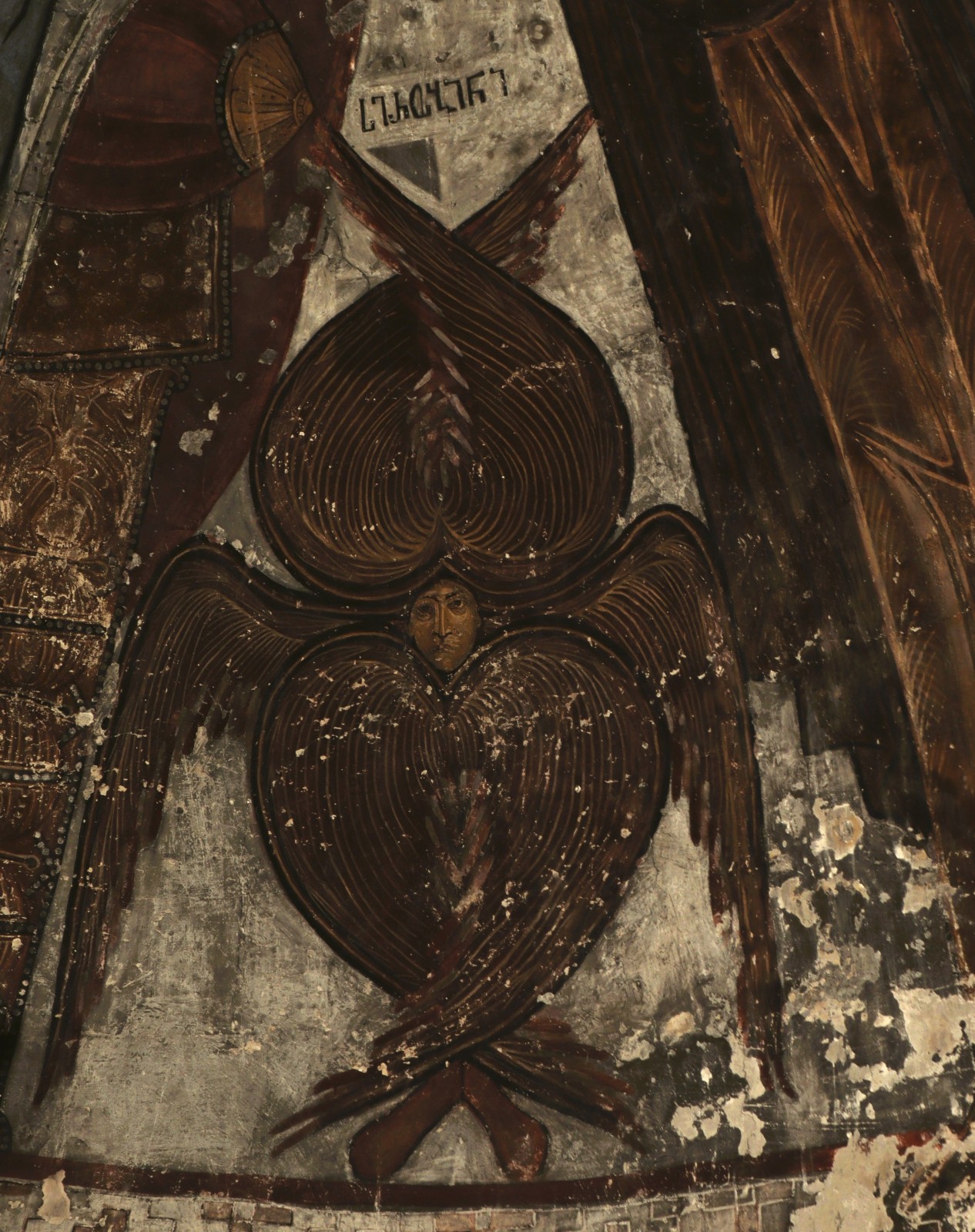
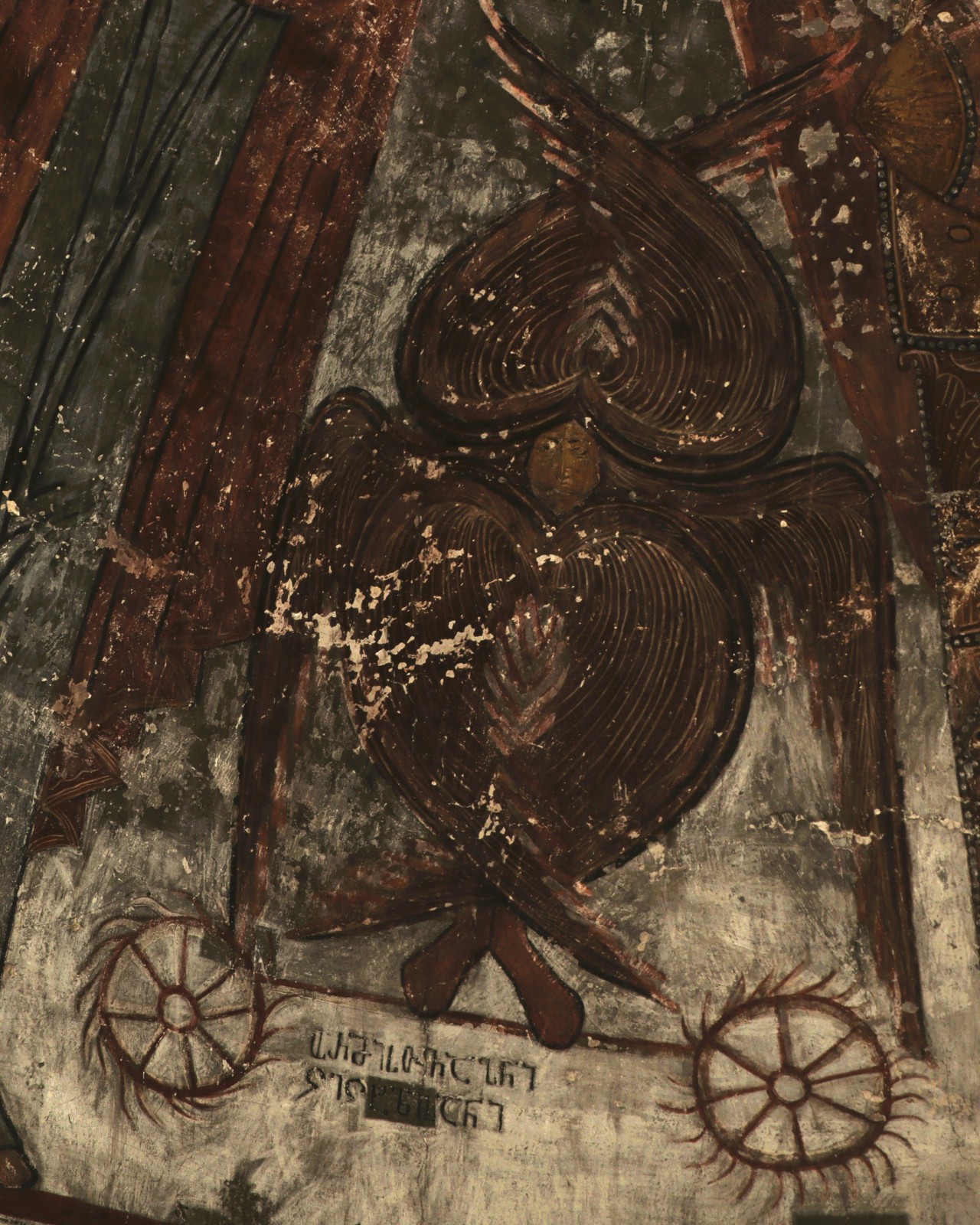
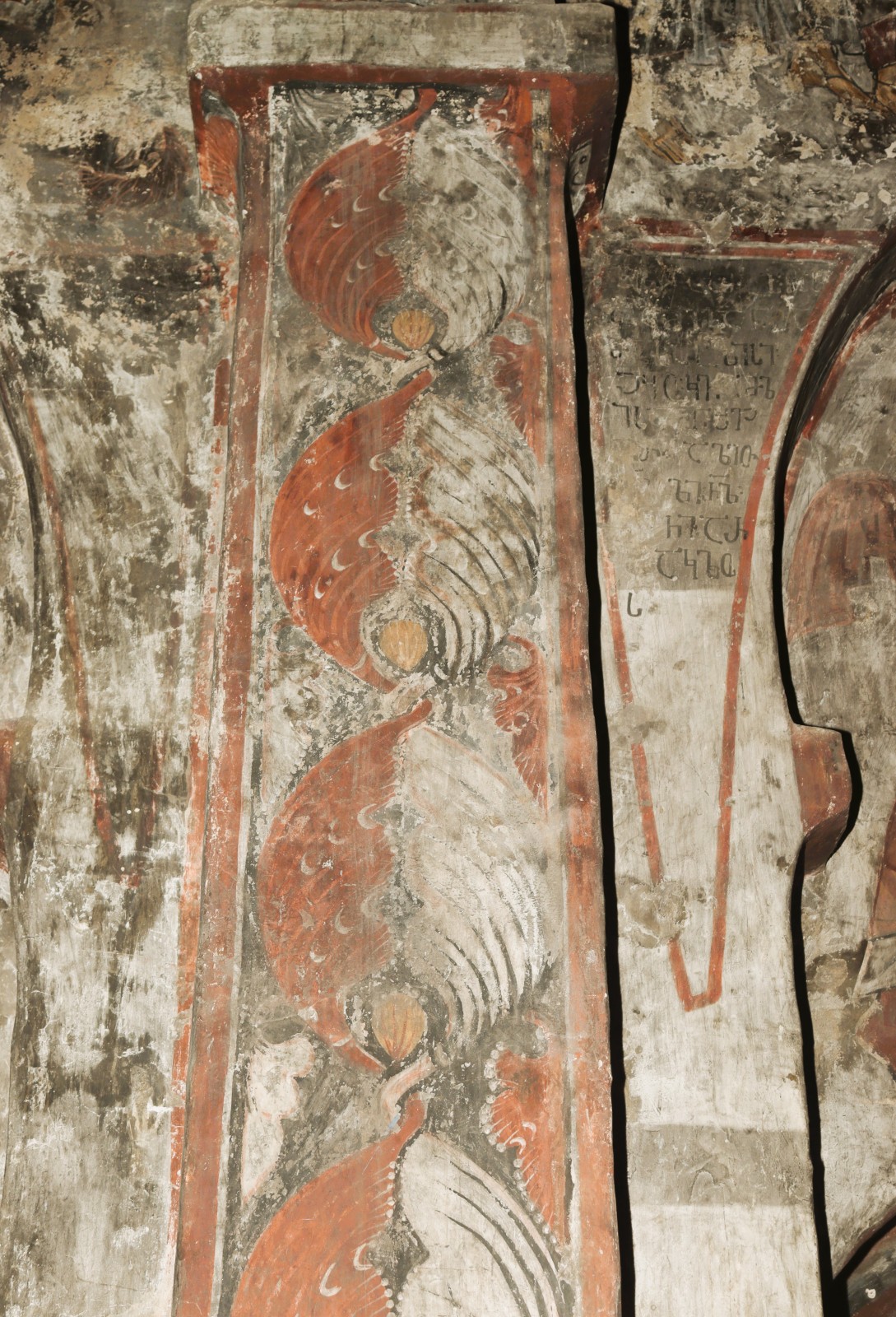
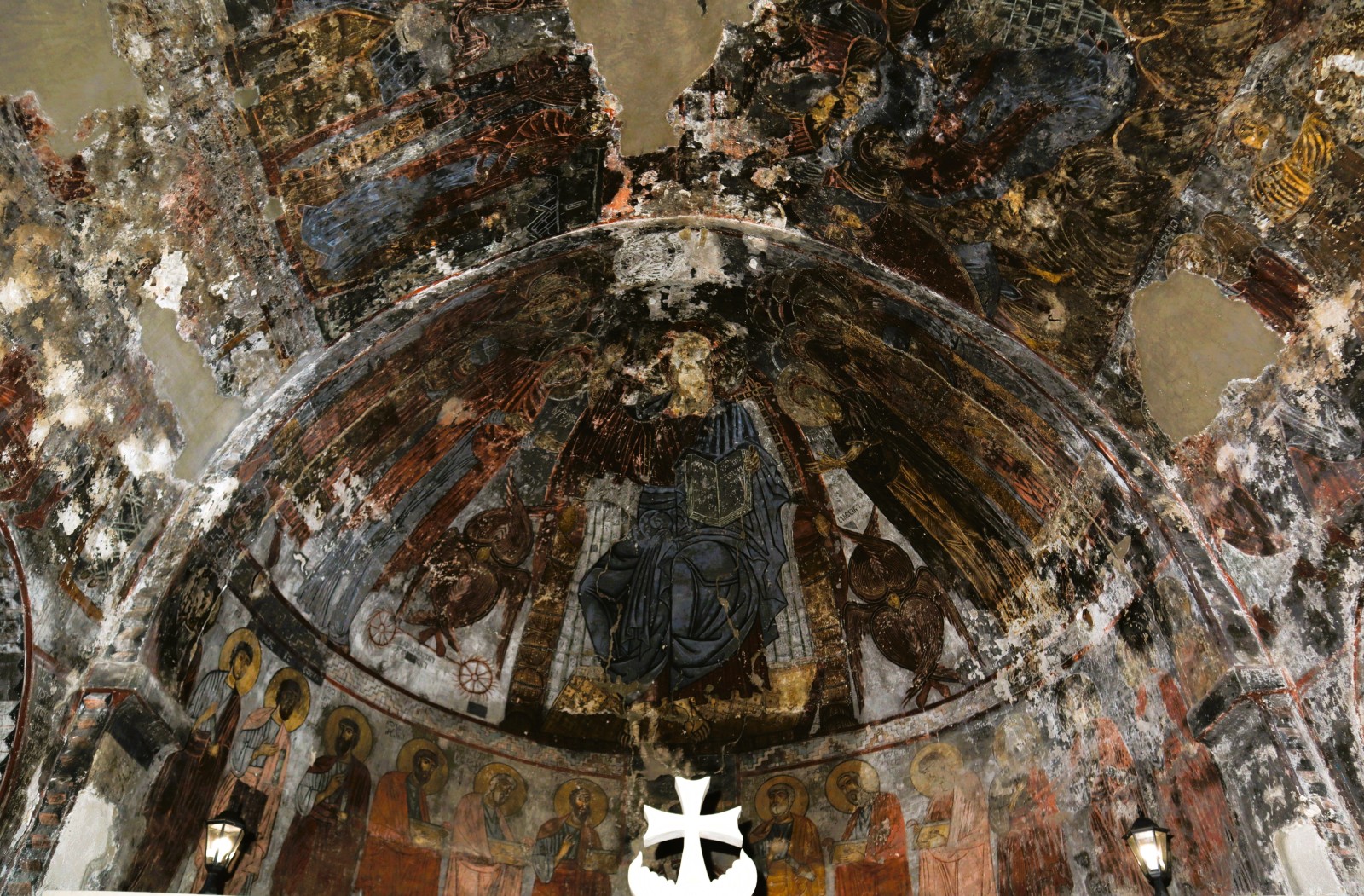
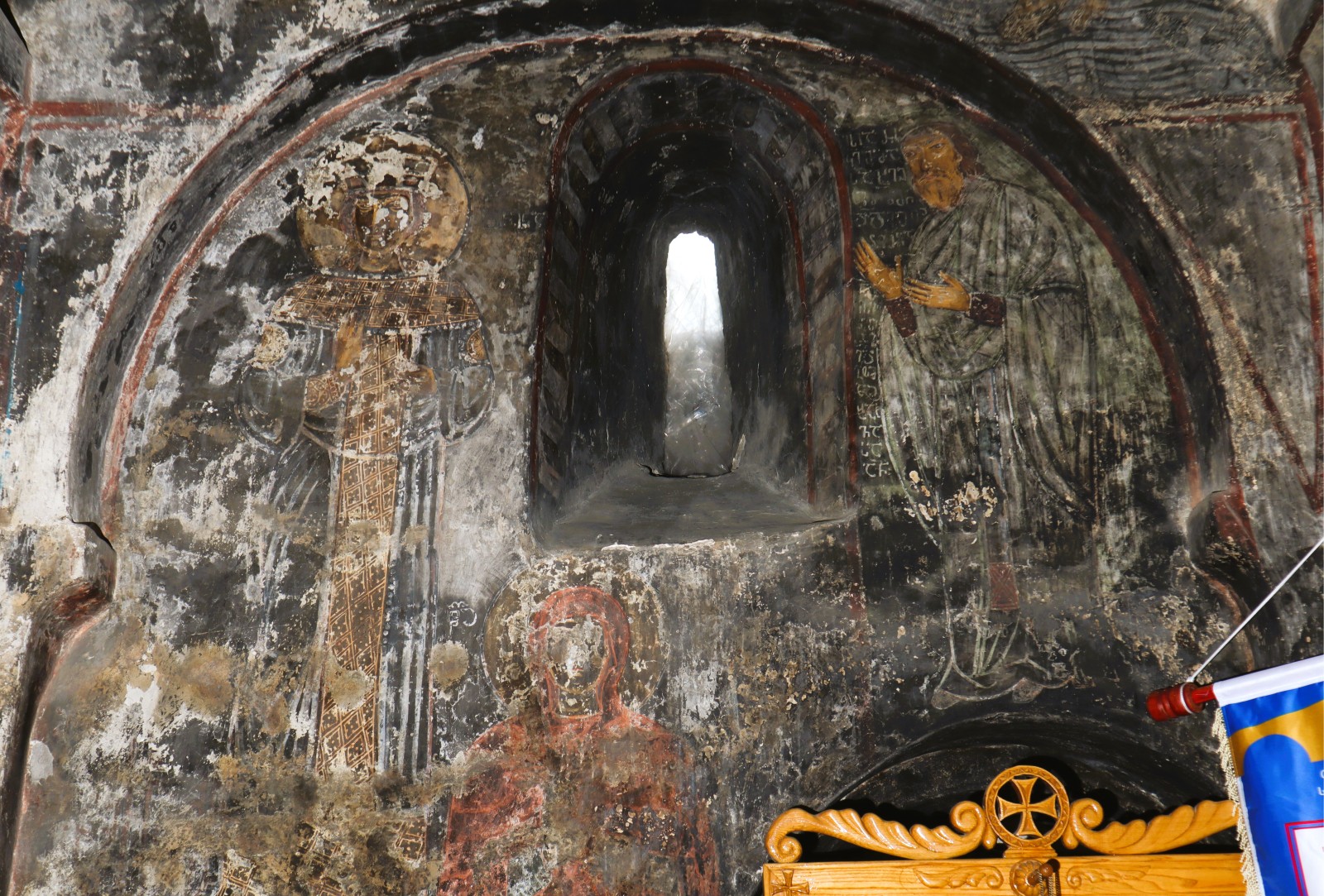
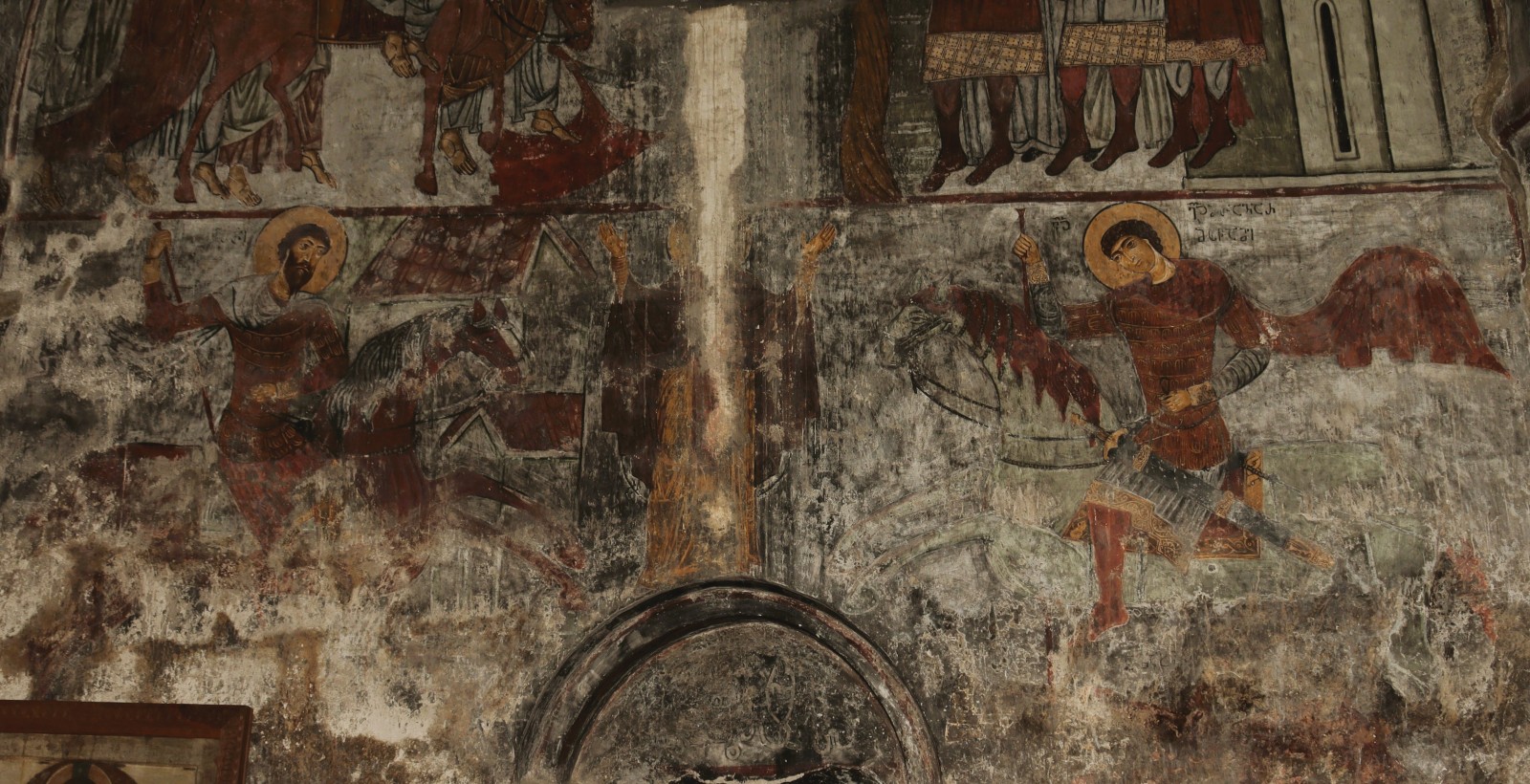
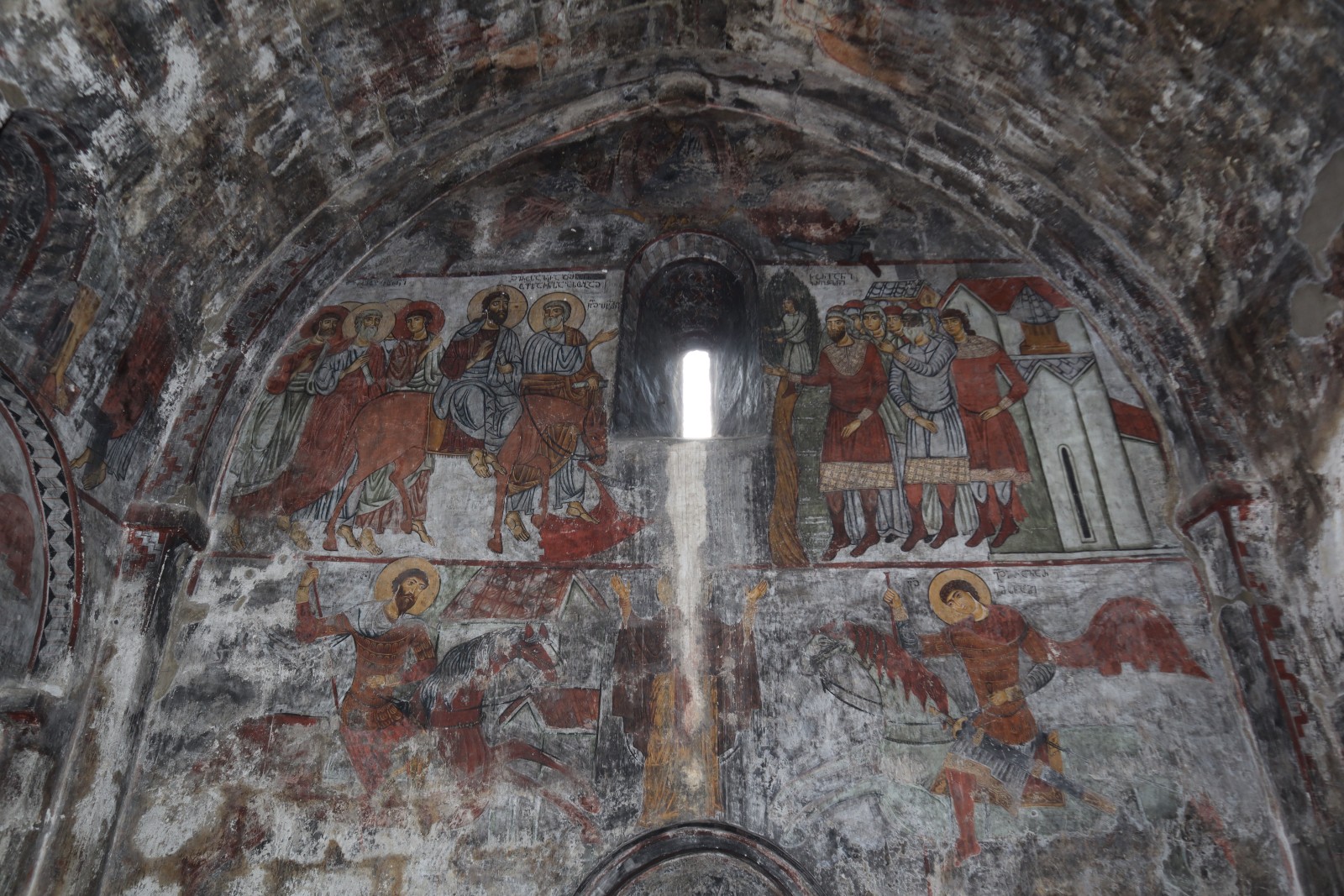
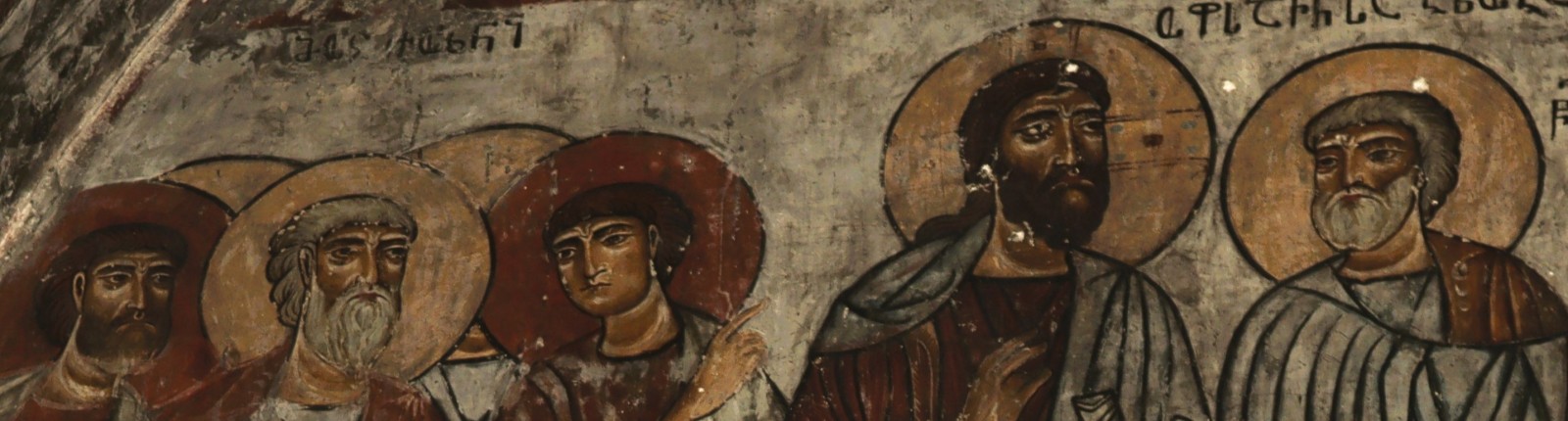
The interior of the church, with its completely preserved wall paintings, is one of the most significant works from the period of the flourishing of the Svaneti painting school, created in 1140 by the painter Mikheil Maghlakeli, according to the preserved inscription.
The murals of Matskhvarishi are remarkable in many ways, particularly:
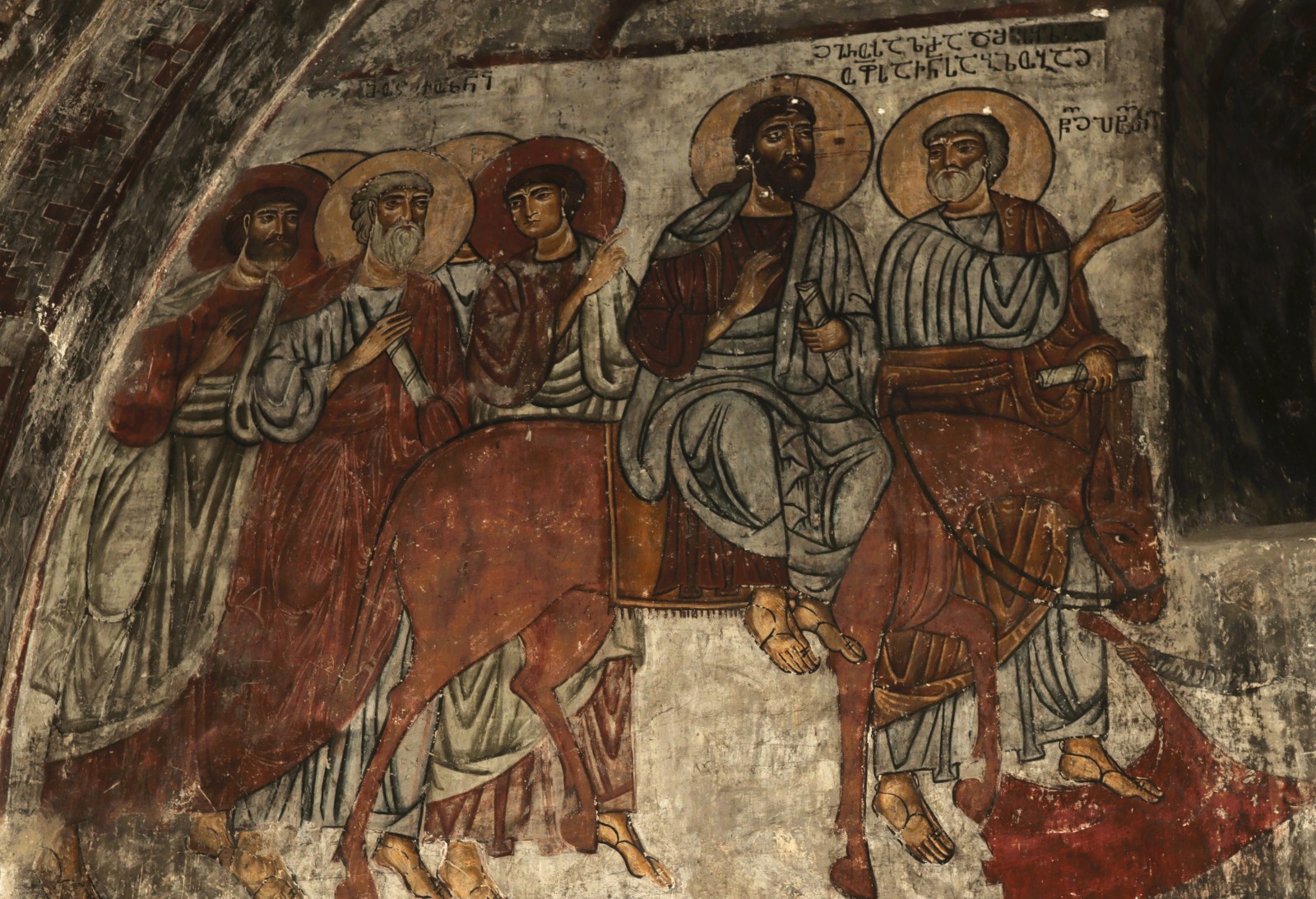
It is one of the earliest instances in Svaneti wall painting where the iconographic program of the murals consists of the almost entire Great Feasts cycle, providing a near-complete illustration of the Orthodox Credo. In this sense, the mural decoration ensemble is unique not only in medieval Georgian but also in the broader context of Eastern Christian wall painting. However, the murals' overall spirit reflects the same tendency to glorify the truth of the Dyophysite doctrine, which is present in the spiritual life and art of Georgia during this period.
The overall solution of the mural decoration system and their its relation to the architectural peculiarities of the interior clearly demonstrates the bold striving towards integrating the painting ensemble into the dynamic unity of. This trend later predominated in the wall painting of Georgia from the second half of the 12th century onwards. These distinctive features of the murals were further developed in the mural decorations of the Mikel Maghlakeli artistic circle (second layer painting of Nezguni, Yeli, Chvabiani's Taringseli, and the second layer murals of the Laghami lower Church).
In terms of the figures' character and treatment of their faces and clothing Mikel Maghlakeli remains true to the old traditions. This somewhat transitional character of his work, striving for the new solutions while maintaining traditional approach and principles, defines Mikel’s creative individuality and his place in the history of the Svaneti painting school.
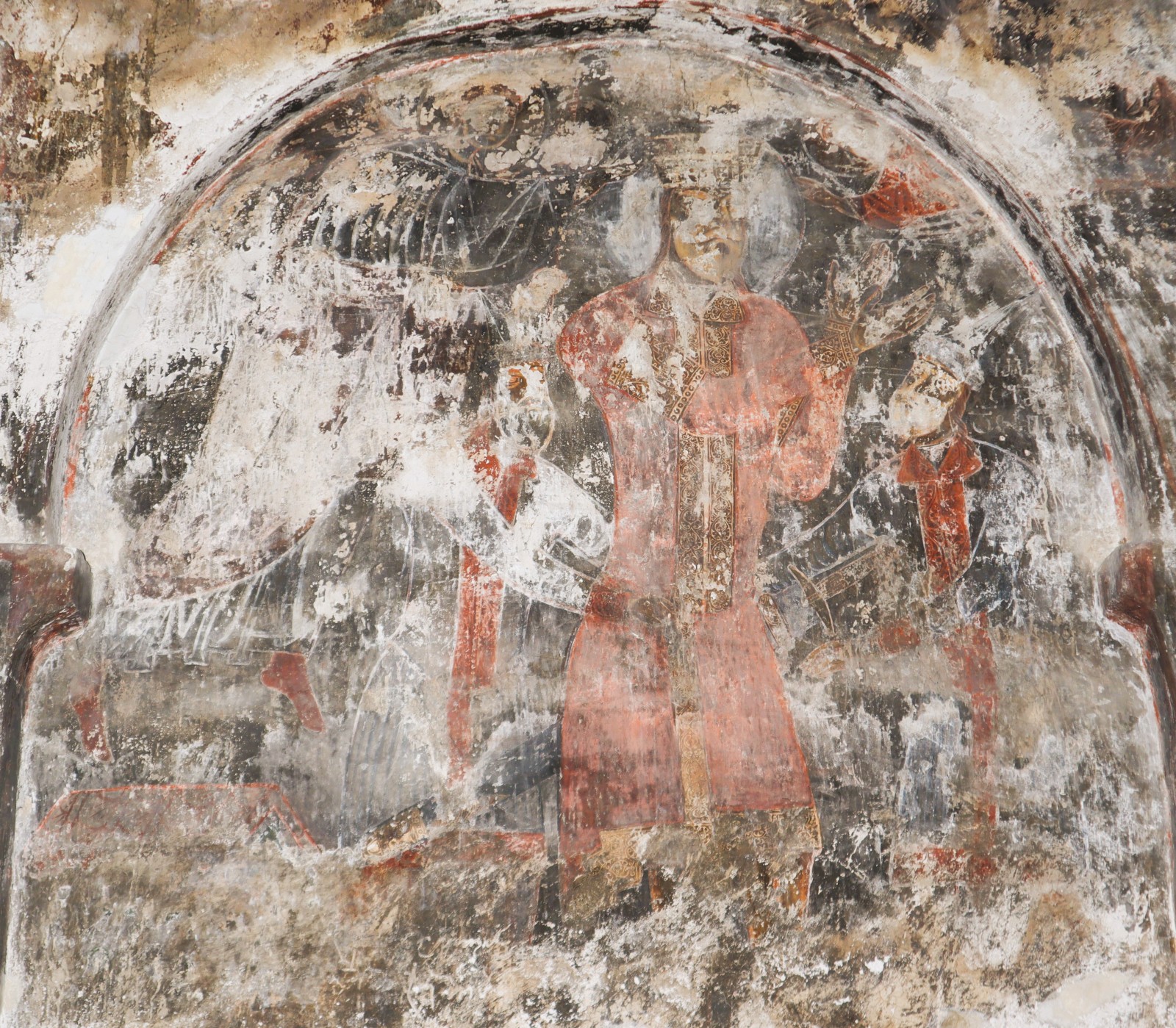
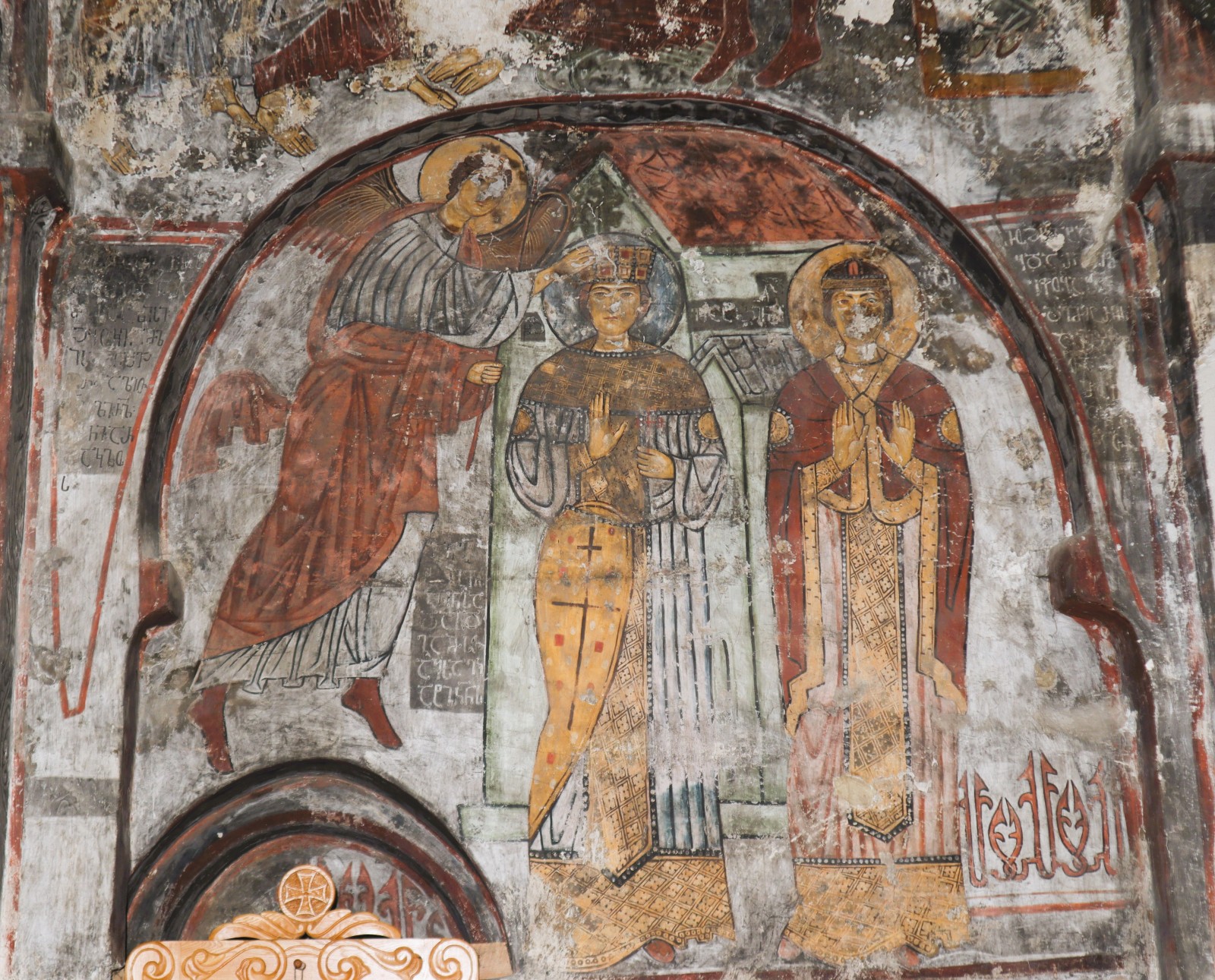
Of particular note are the secular portraits preserved in the Matskhvarishi: the scene of Demetre I's coronation, which is a rare example in Georgian wall painting. Specifically, it depicts the ceremony of engirdling the king with the sword in which the presumed donor of the mural decoration, the Svaneti governor Vardanisdze (with the accompanying inscription: “Governors engirdle [the king] with the sword of David). It is likely that the inclusion of this scene in the murals program was inspired by the desire to immortalize the great honor and privilege held by the Vardanisdze family for centuries.
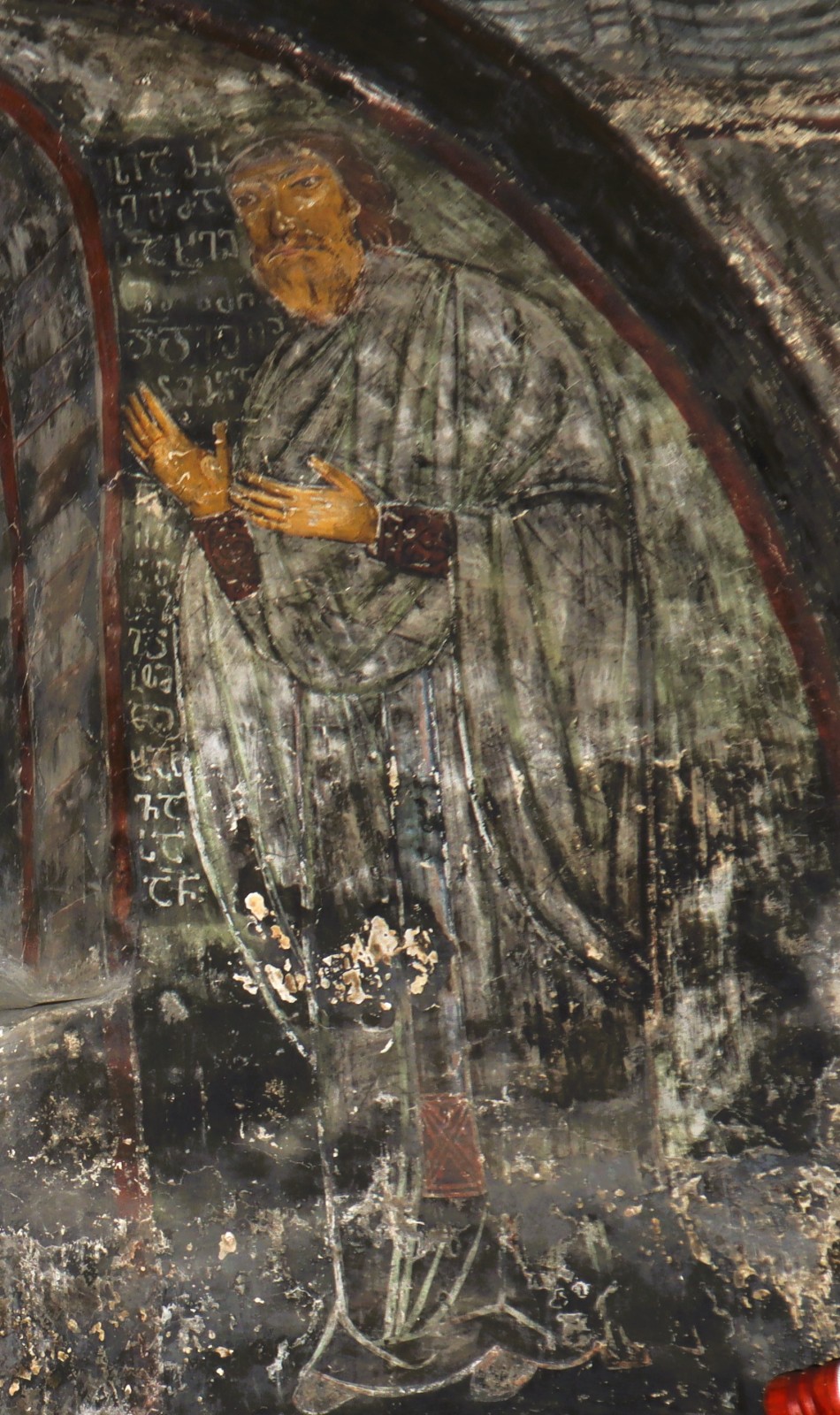
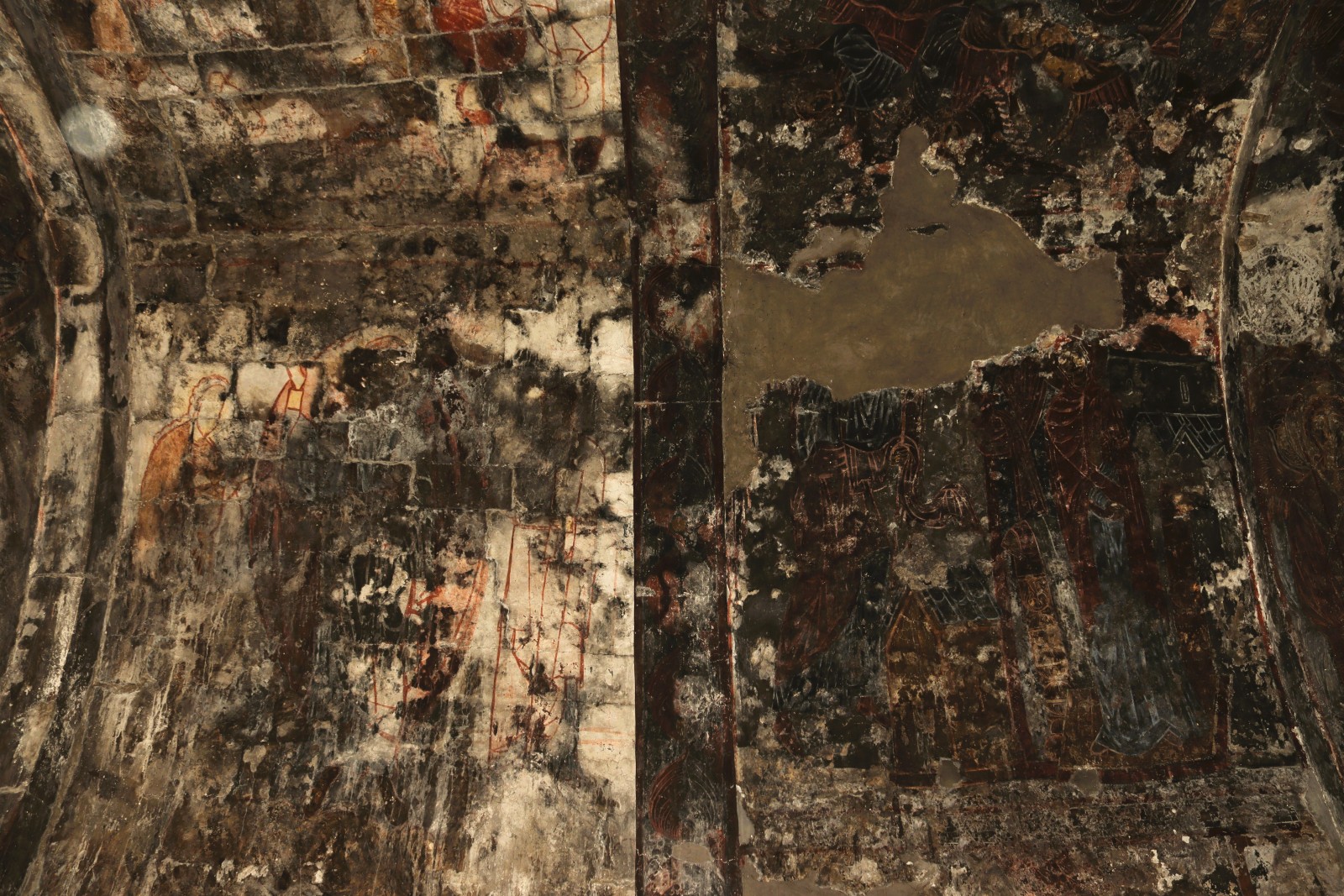
Another portrait depicts Dean Kvirike, who, according to his accompanying inscription, had spared no efforts supervising decoration of this church.” The second inscription is particularly eloquent, as it can be interpreted as Kvirike’s “last will” left for future generations: “Whoever serves as the priest or dean of this church, protect the painting from smoke so that colors are not spoilt.”
| Location | In Latali, near the central road |
| Key holder | The key is kept at the Yenashi Monastery with the local priest – Father Egnate |