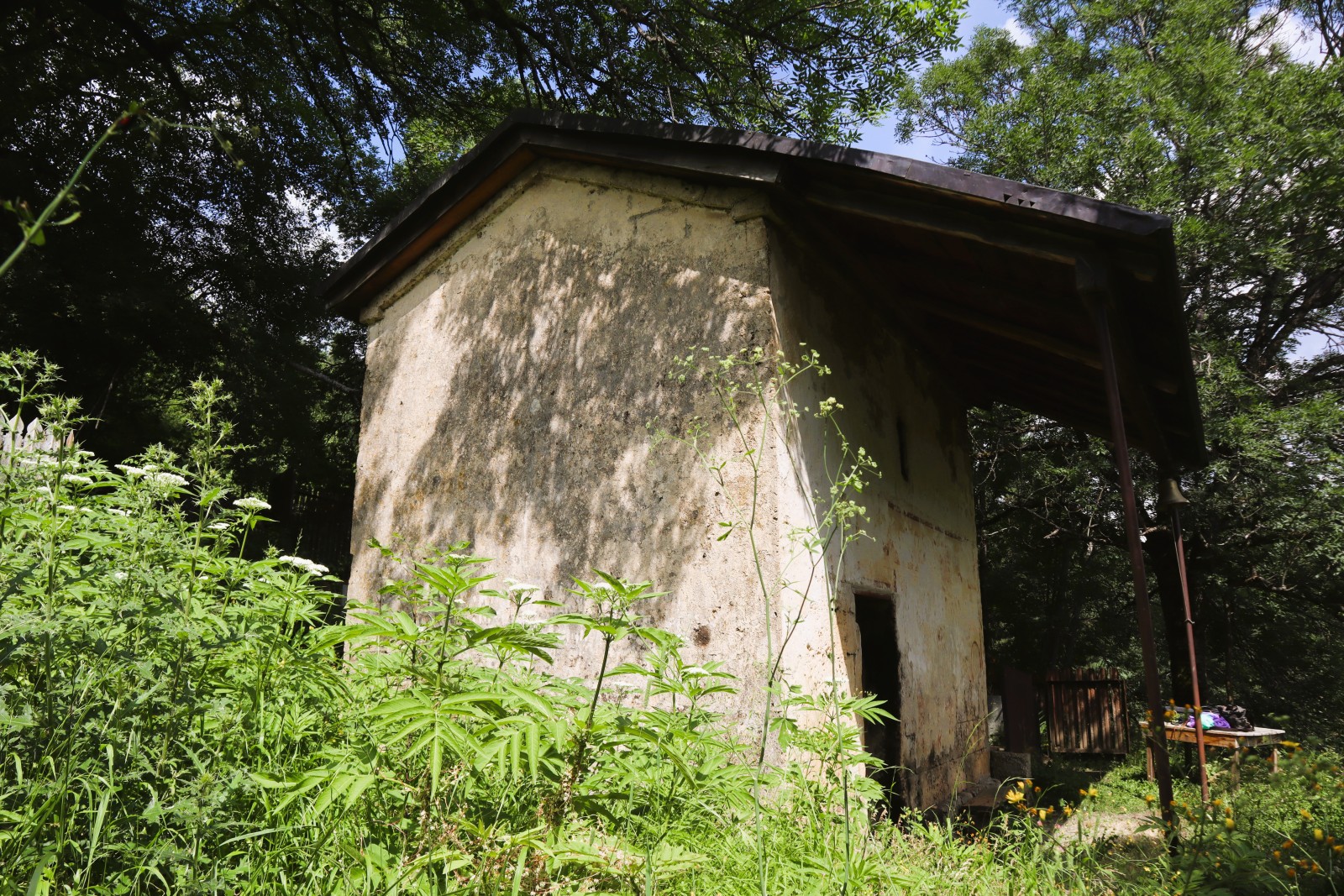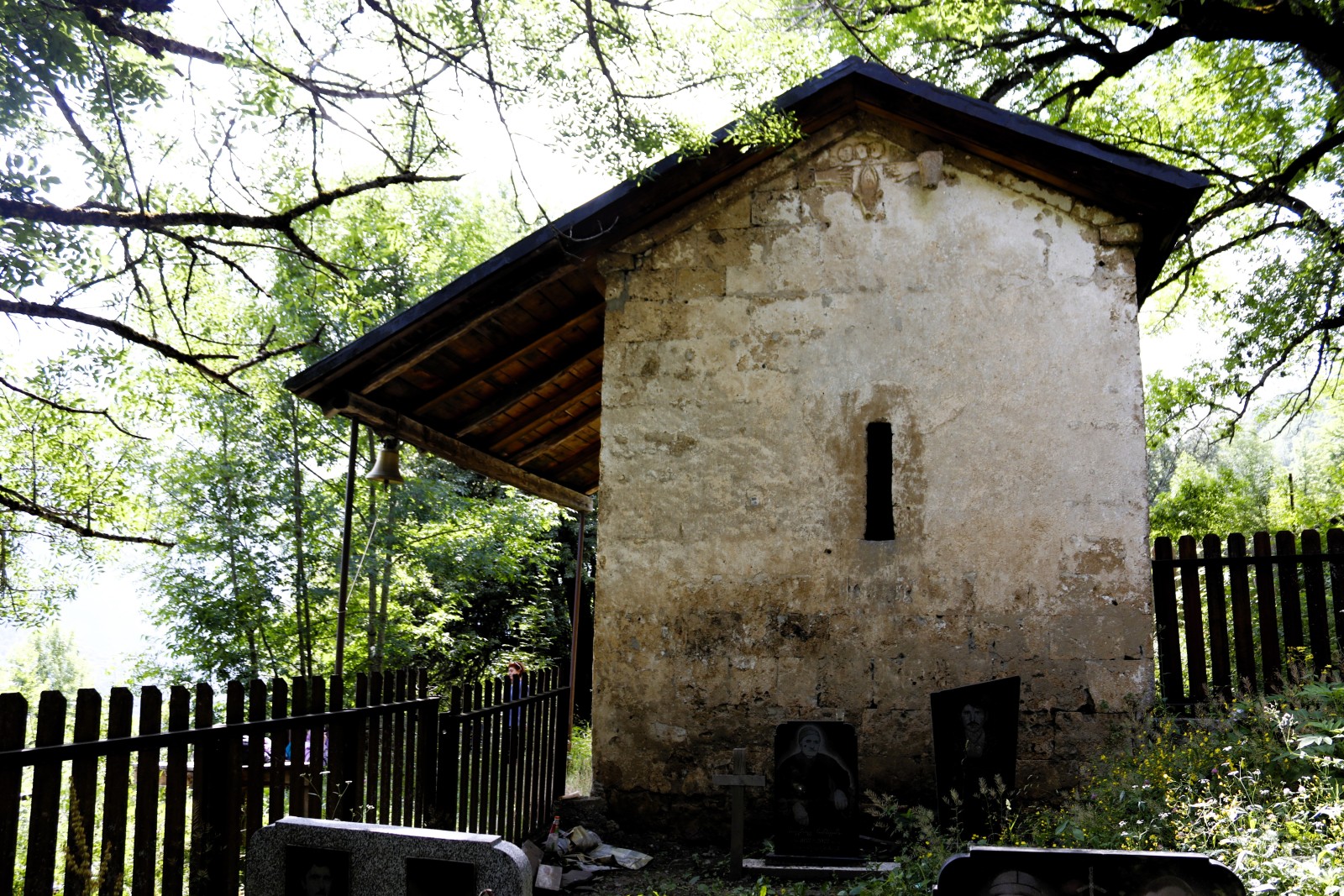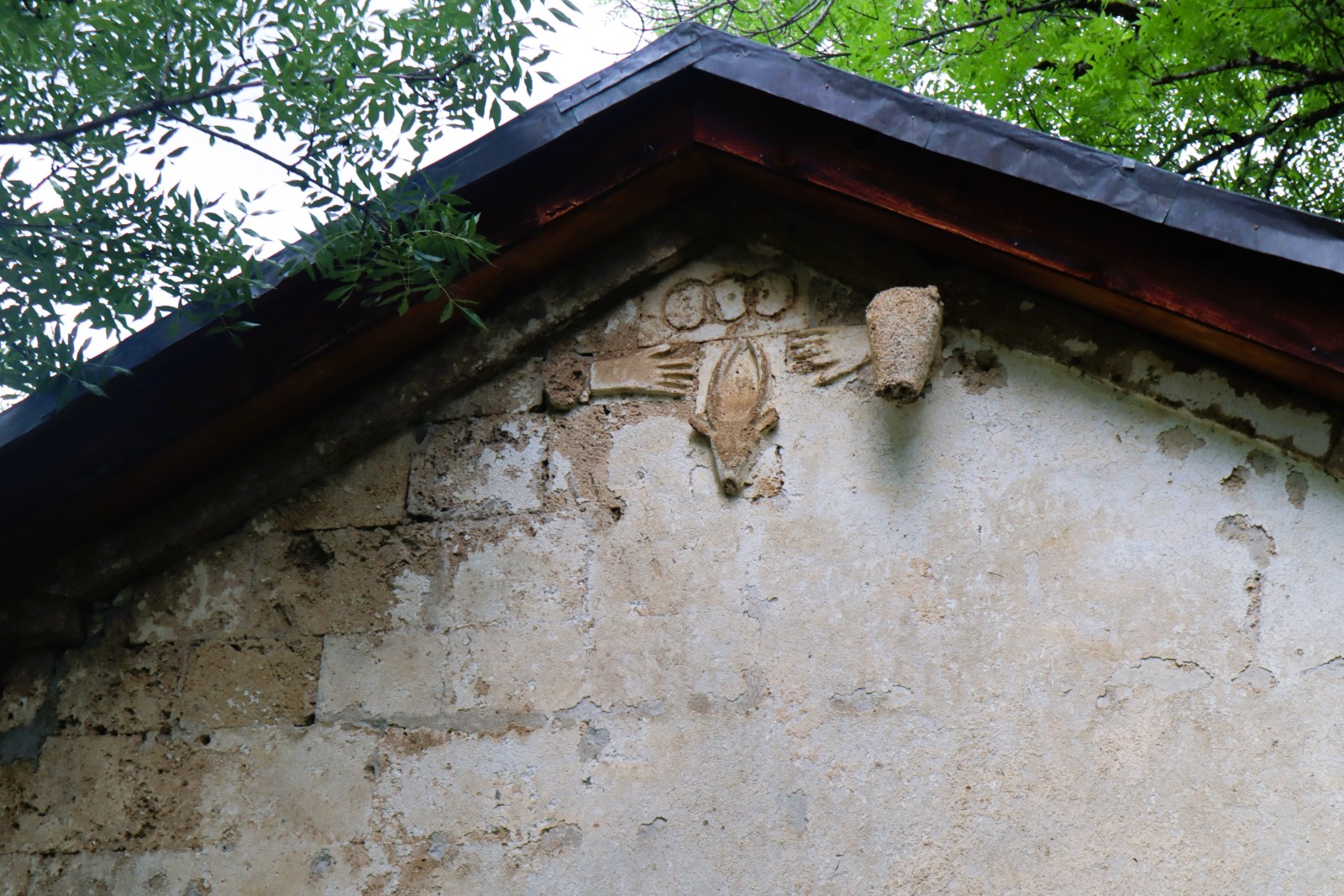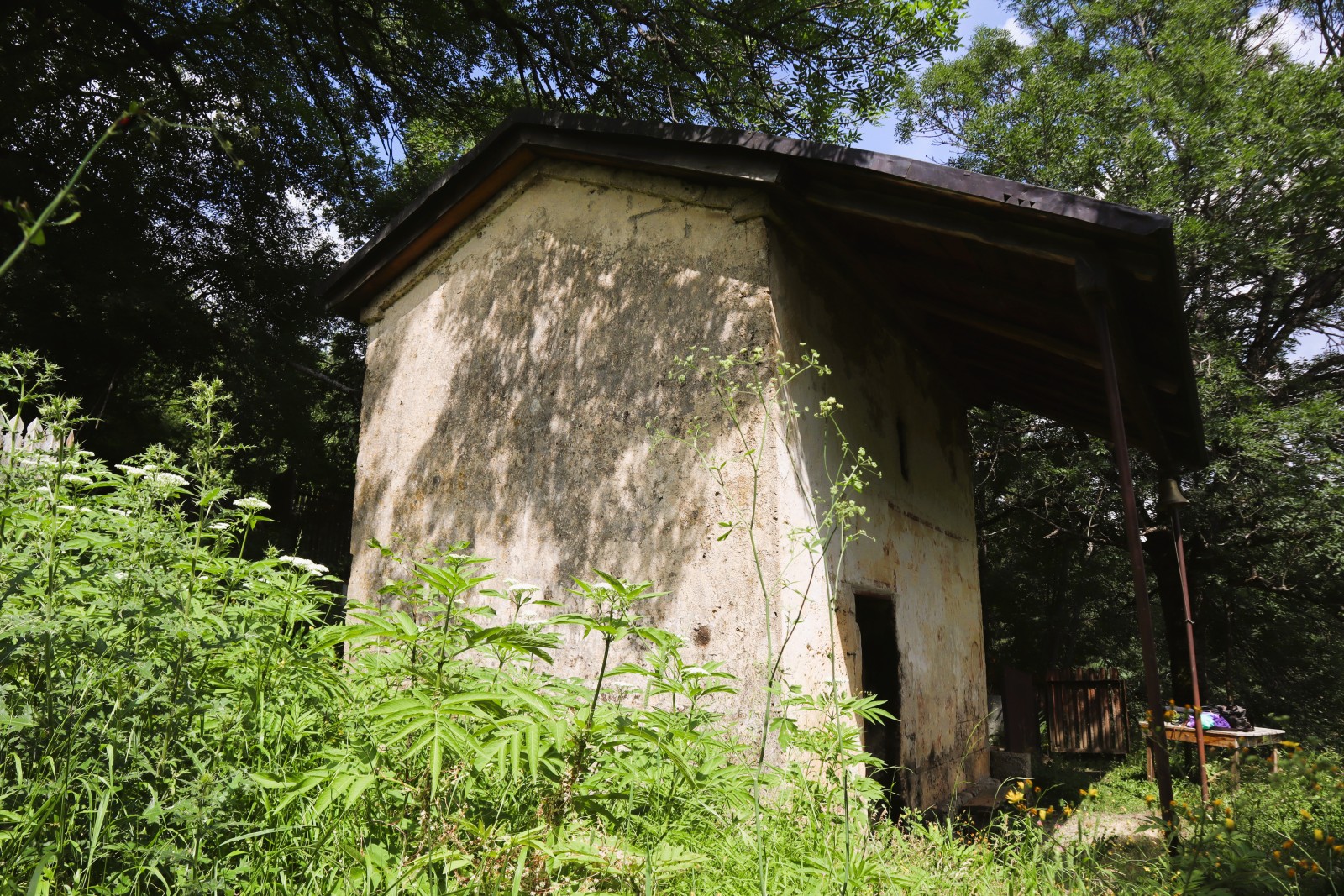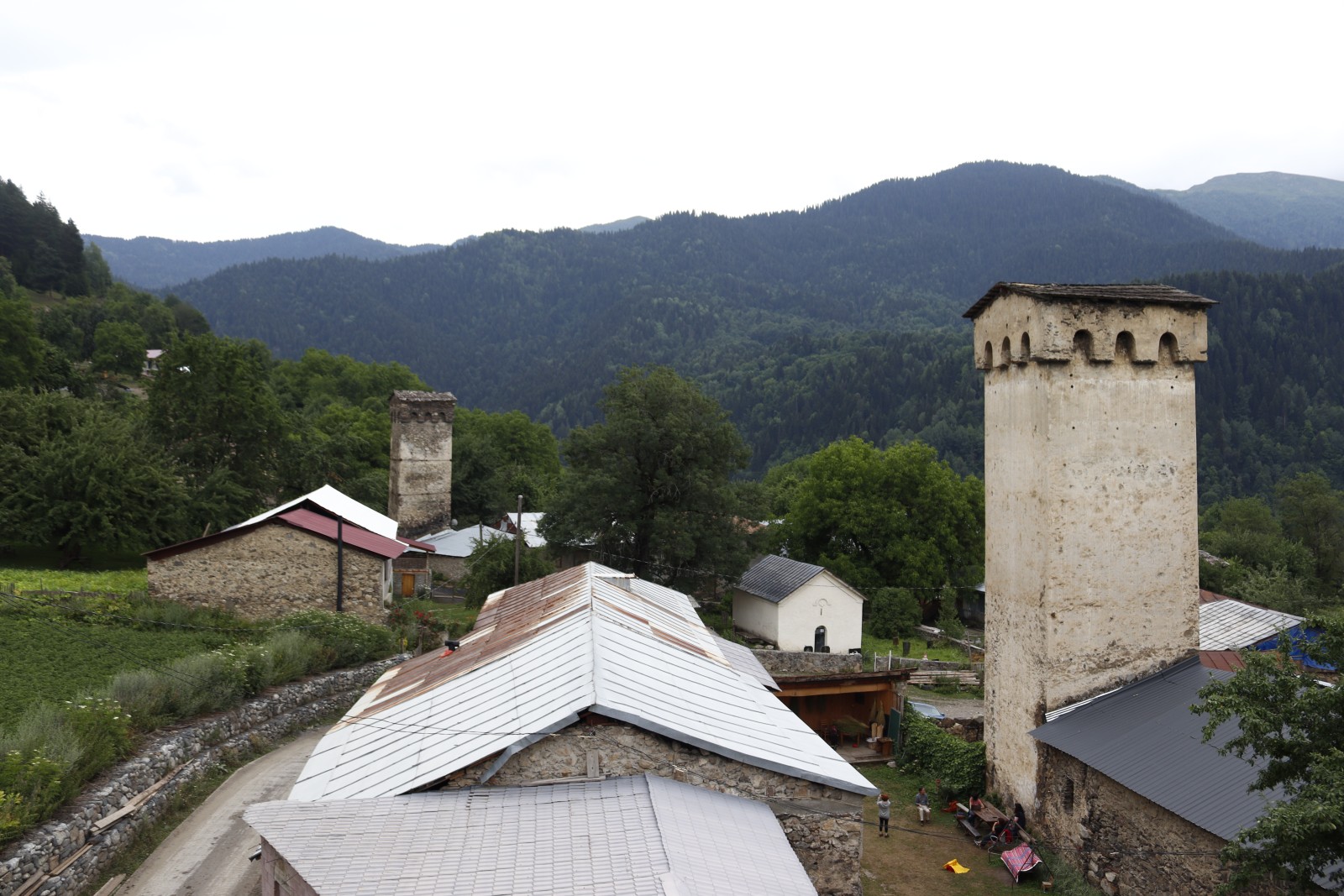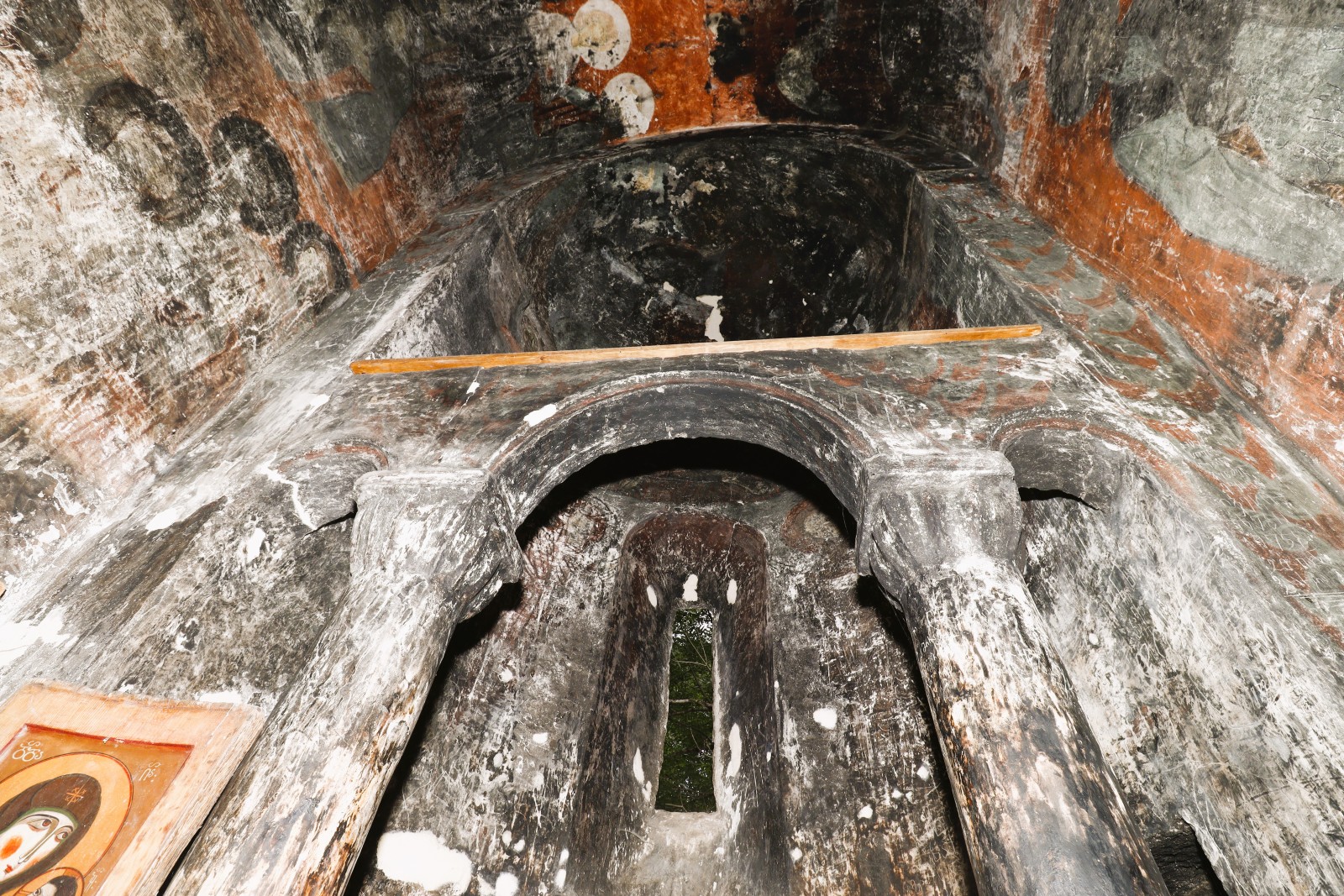

This small single nave church, dating back to the 10th century, is located in the village of Ipkhi in the Latali community. Its eastern facade is remarkable for relief decor, which is relatively rare in the façade decoration of Svaneti churches.
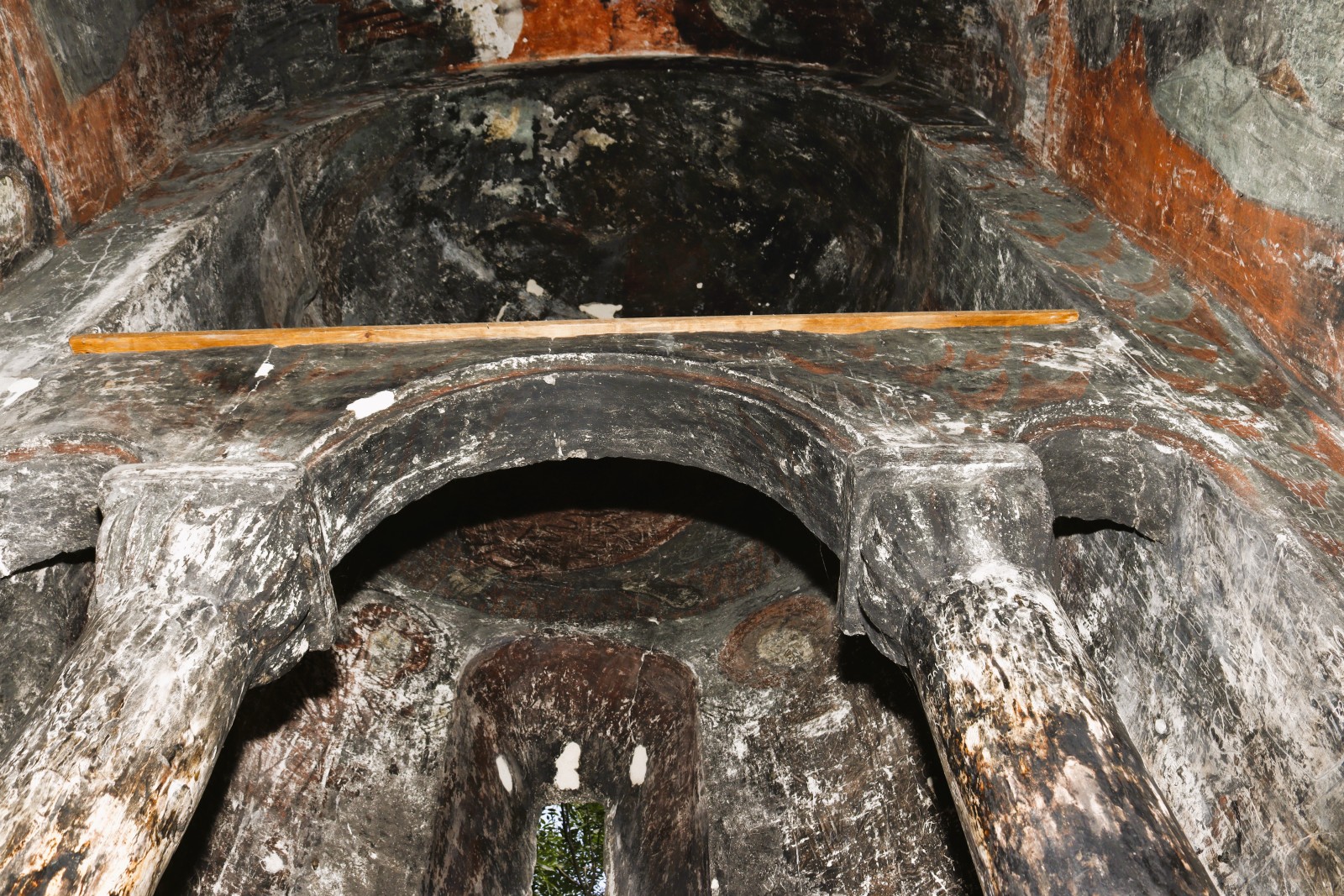
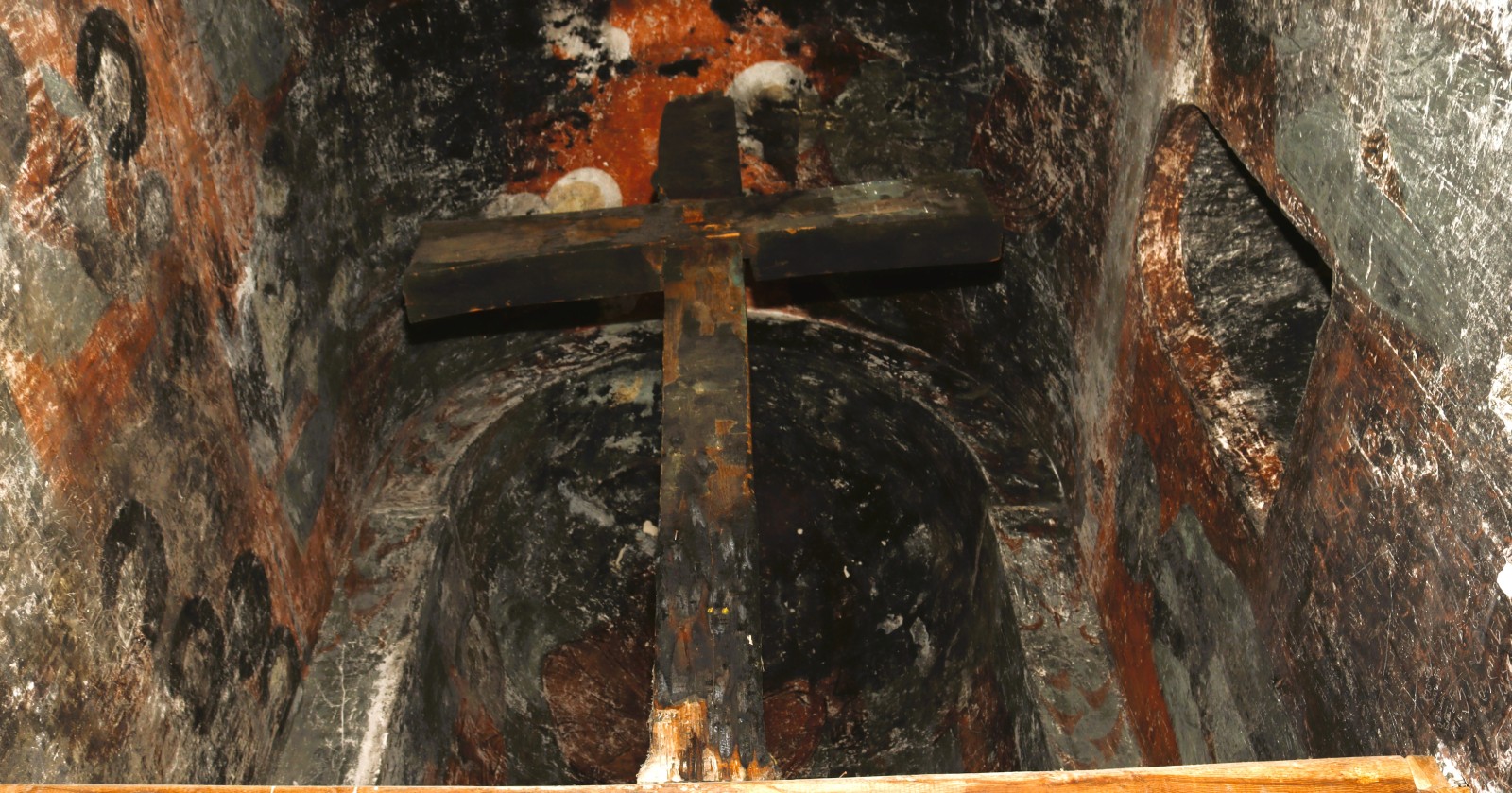
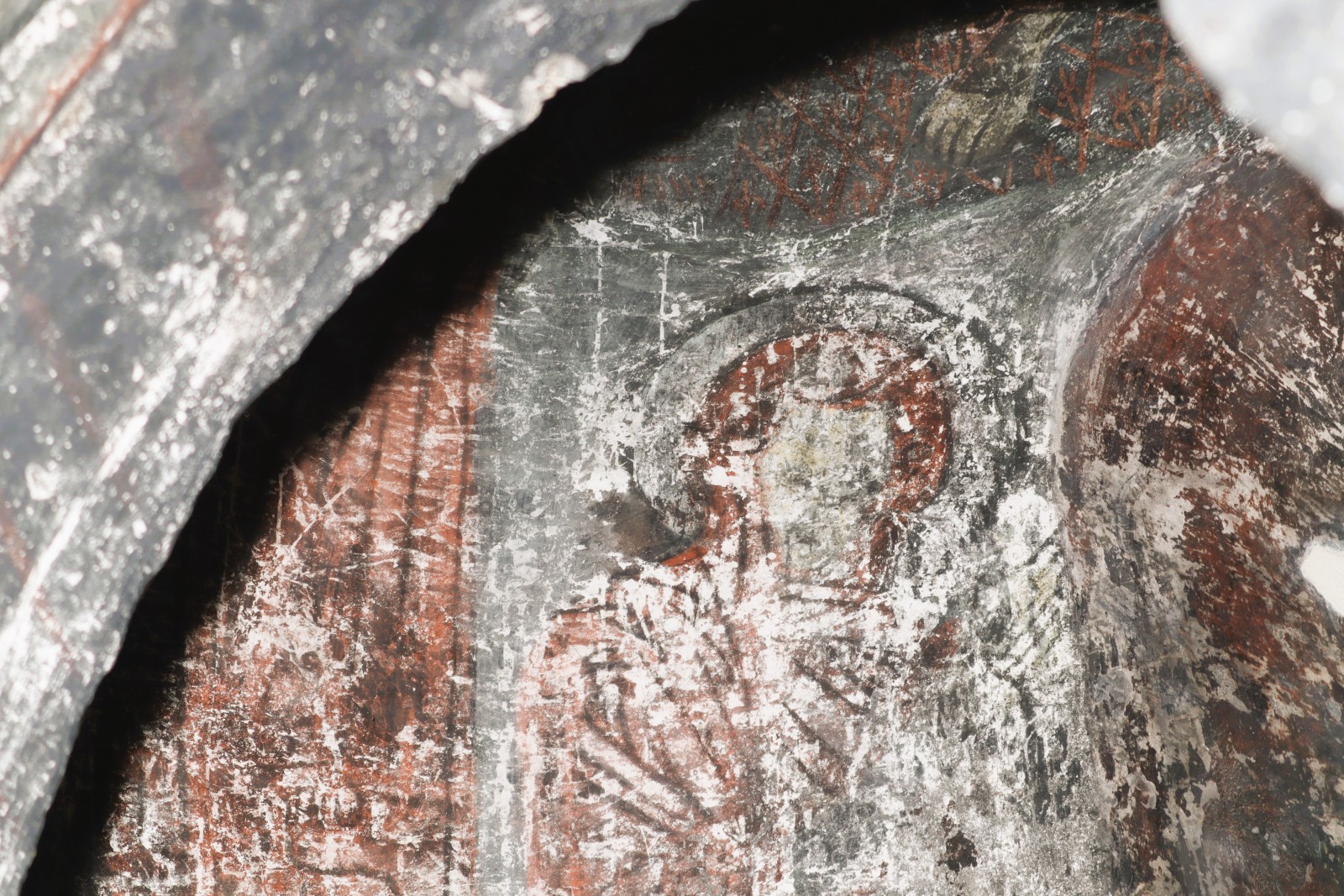
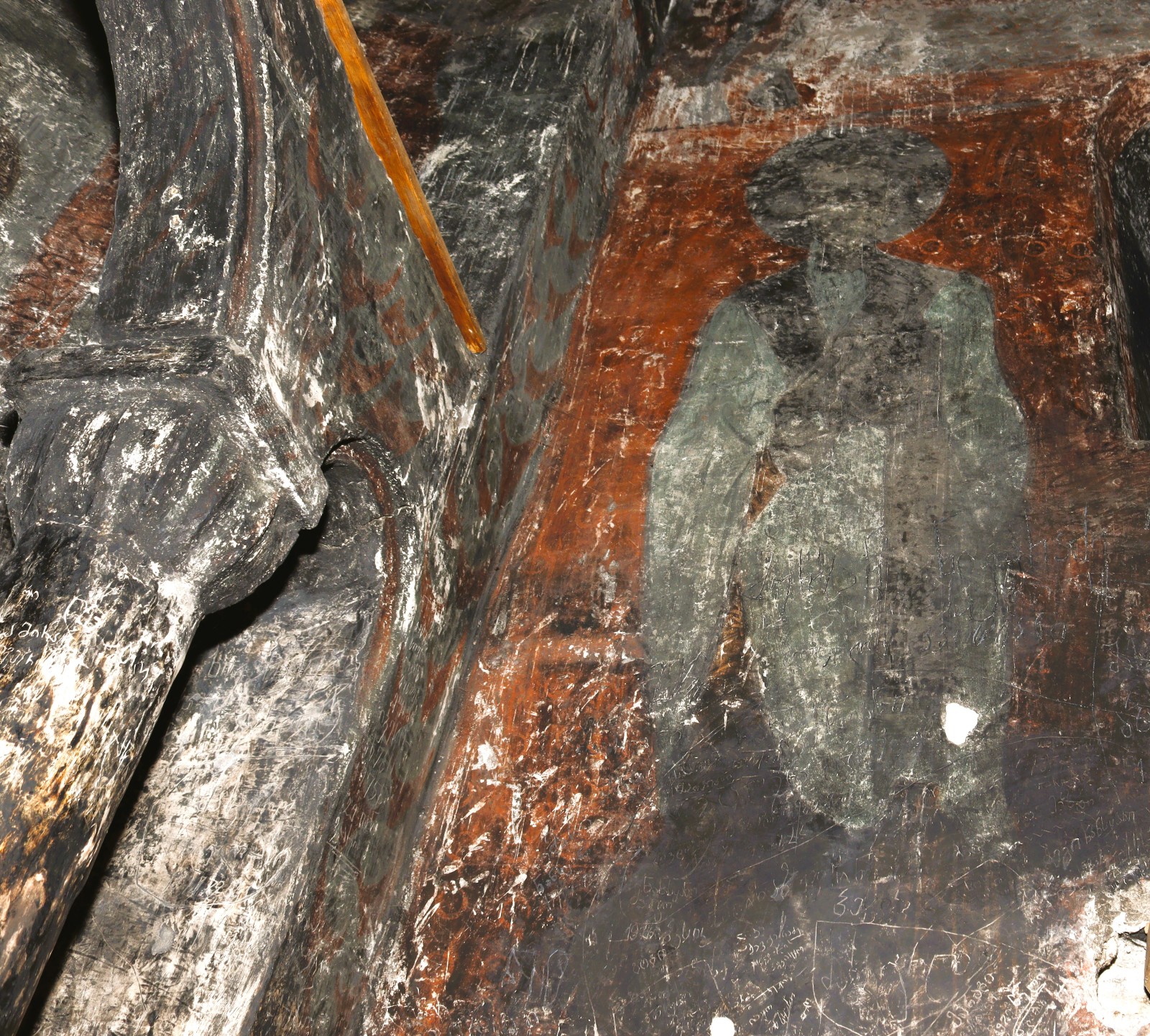
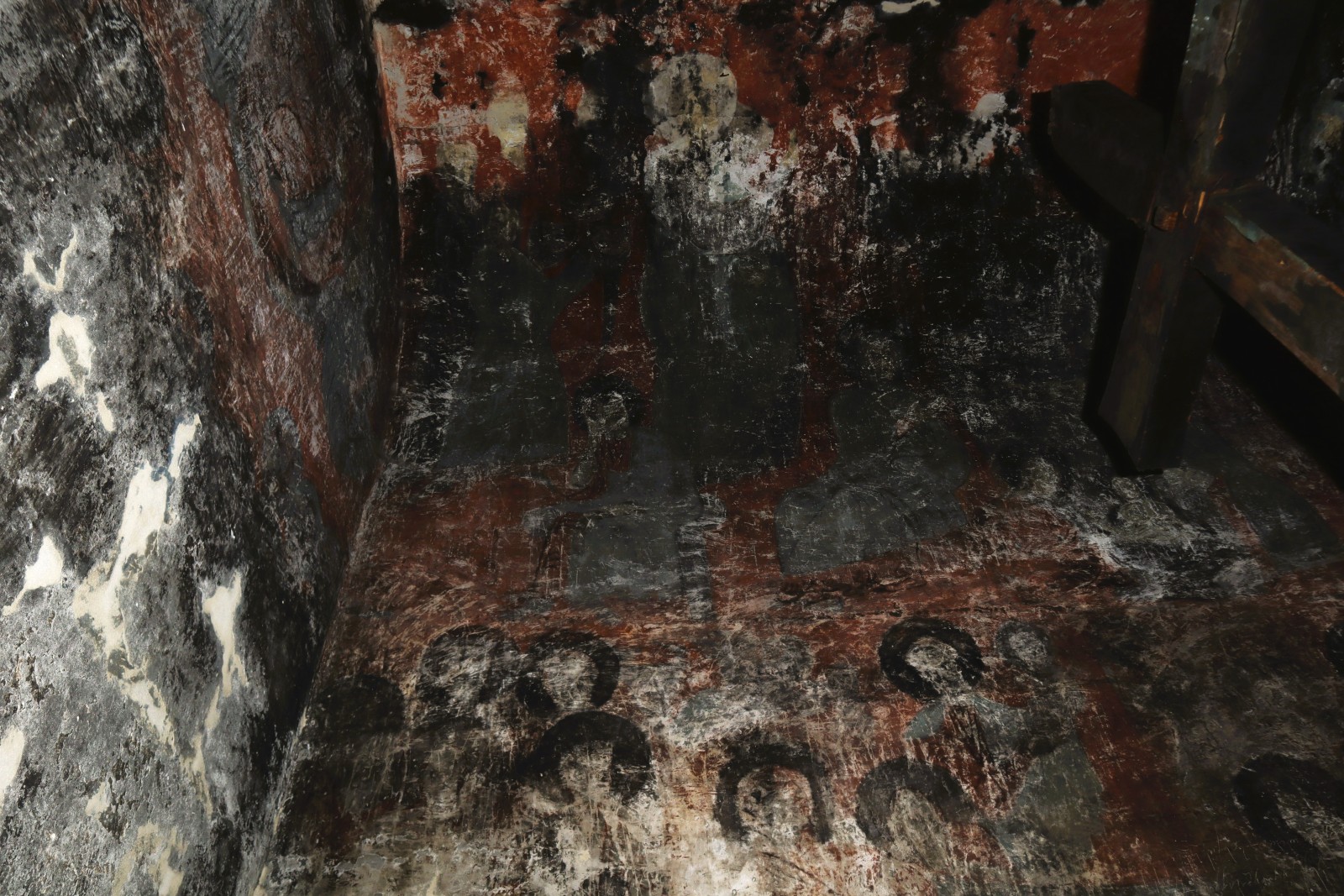
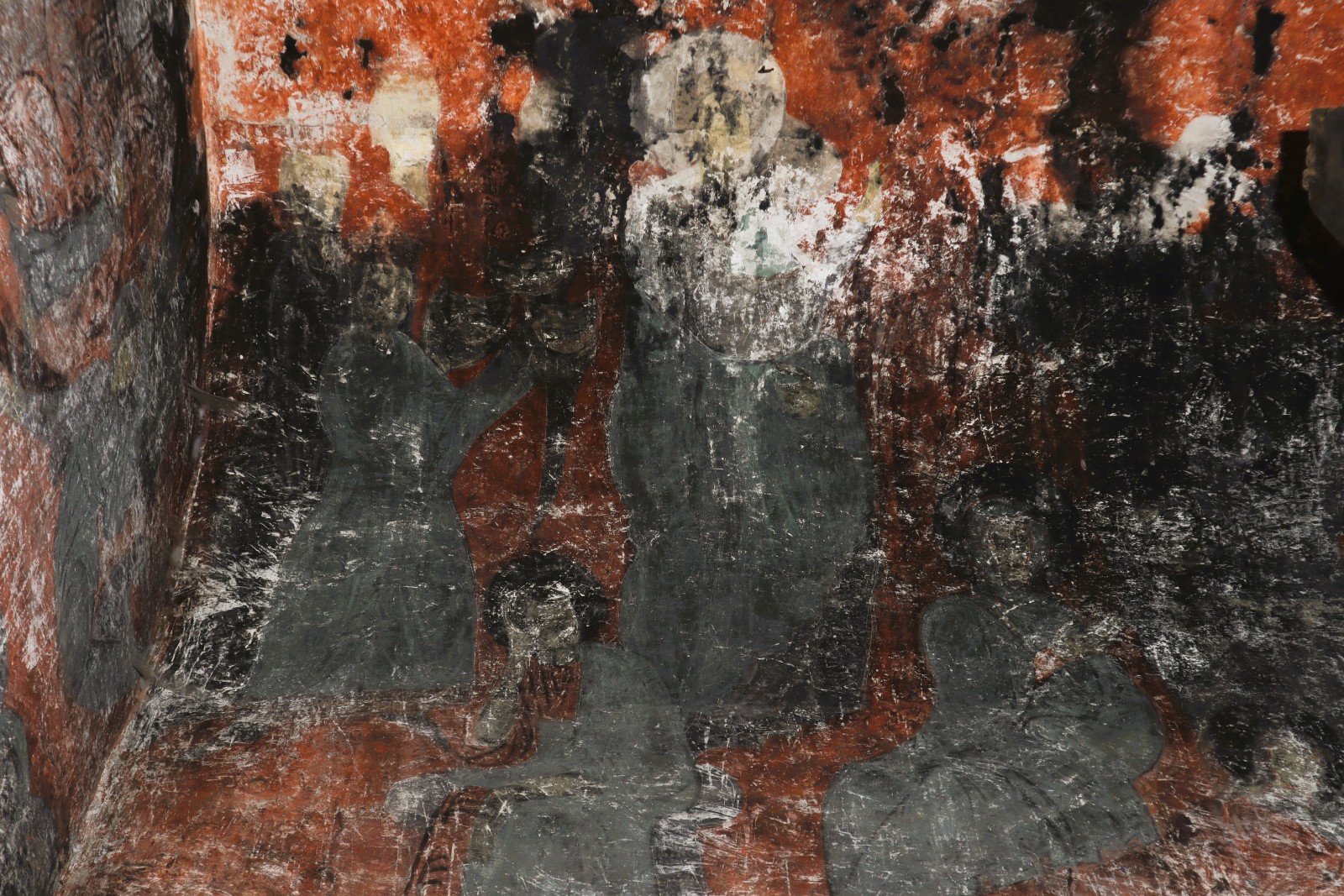
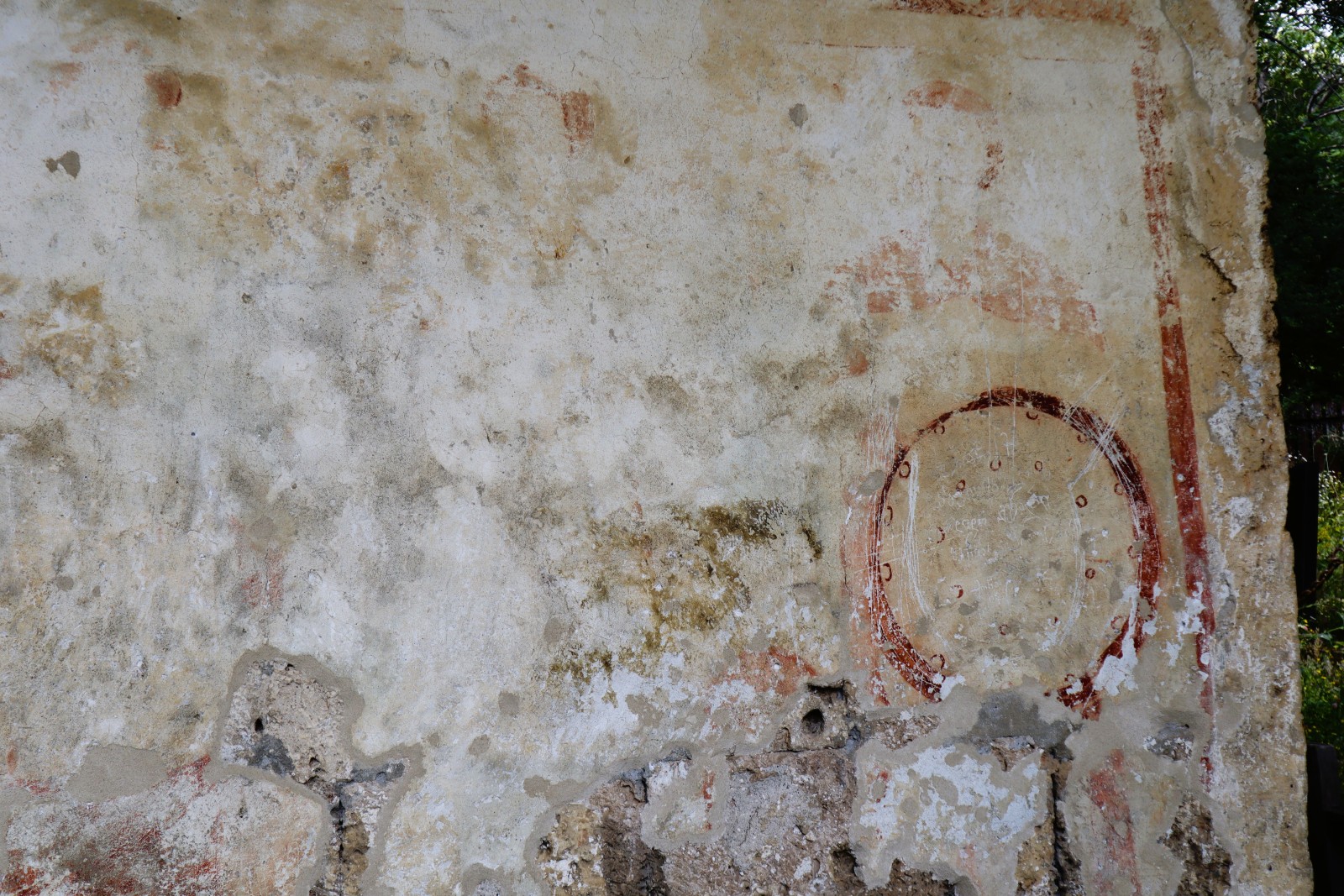
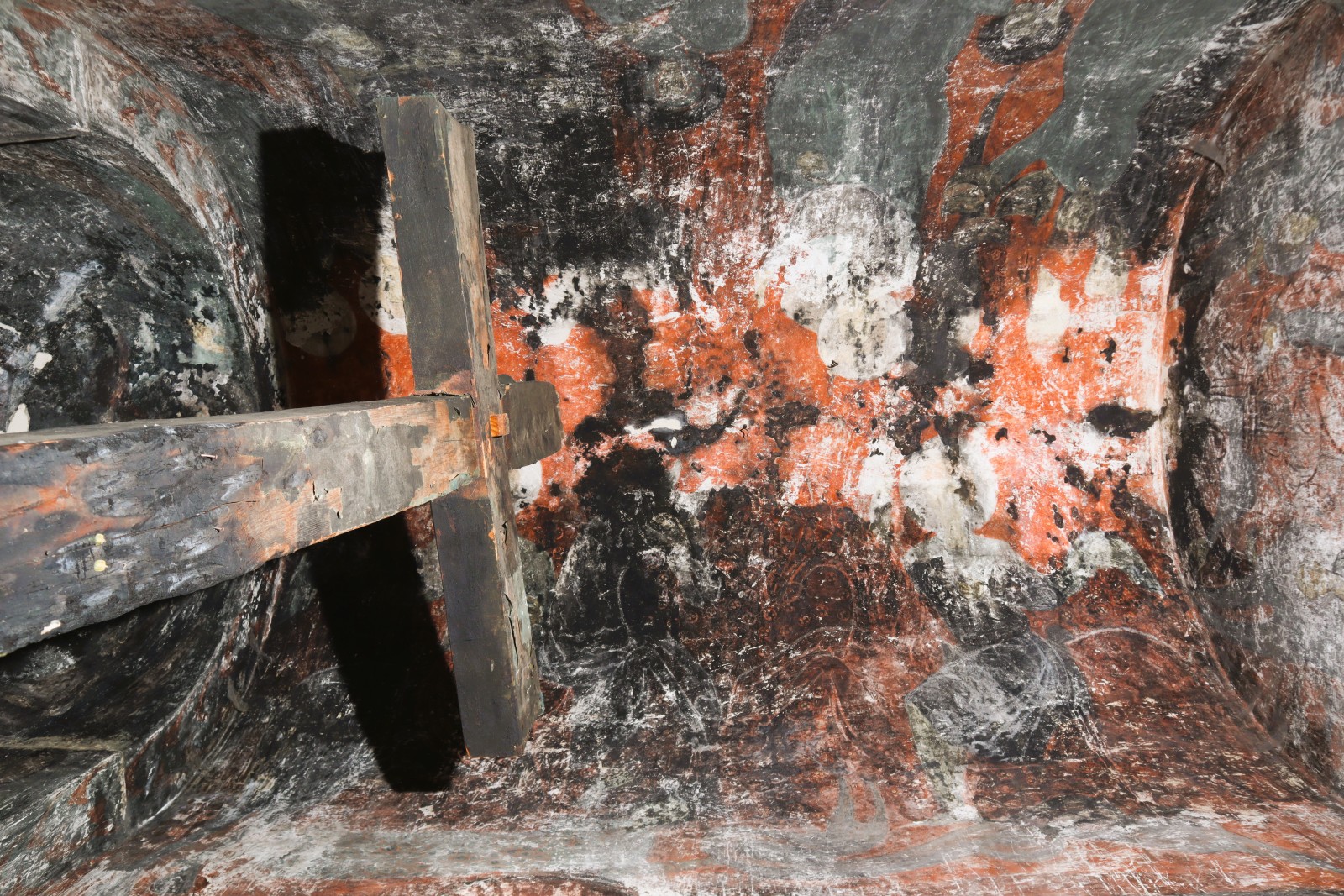
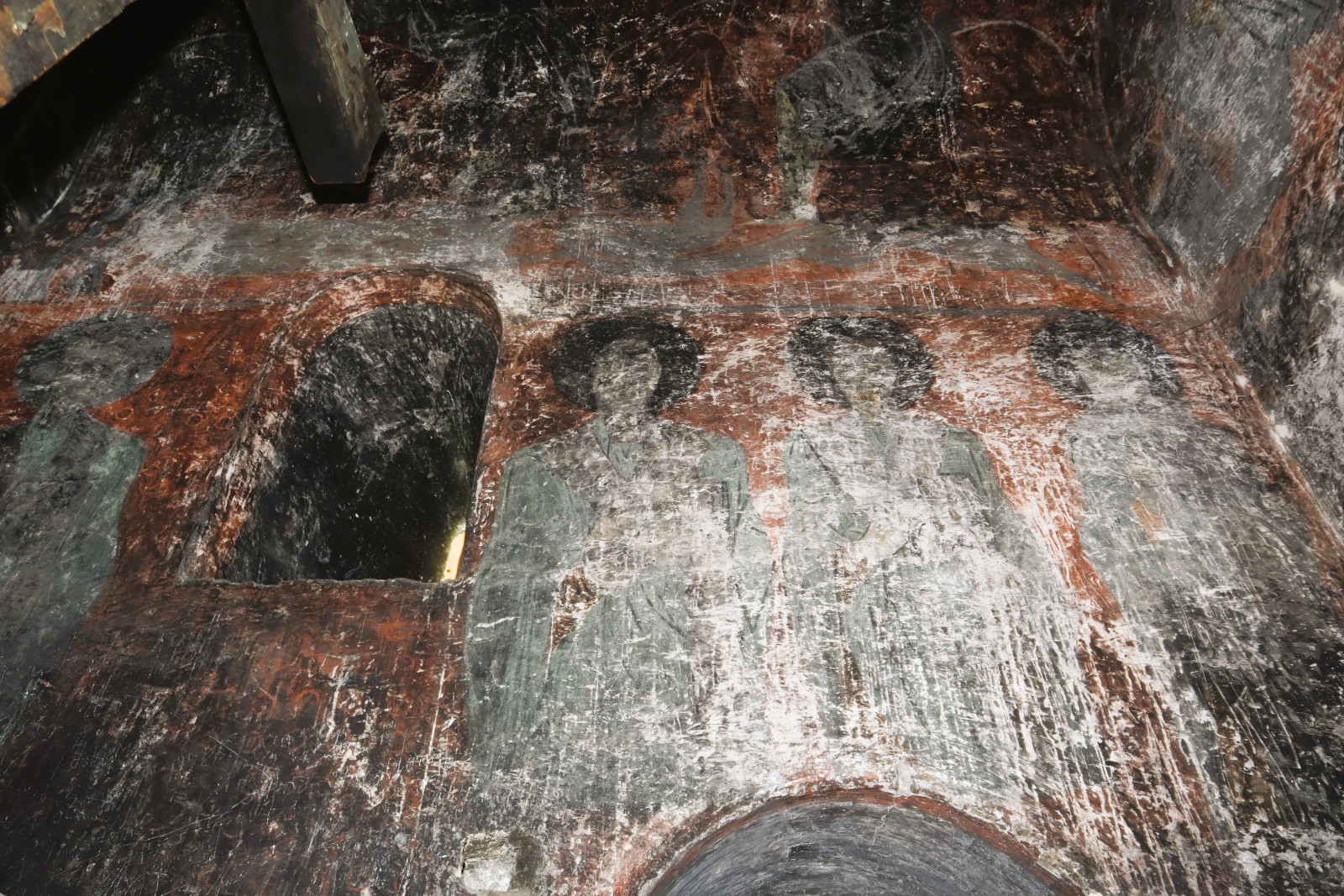
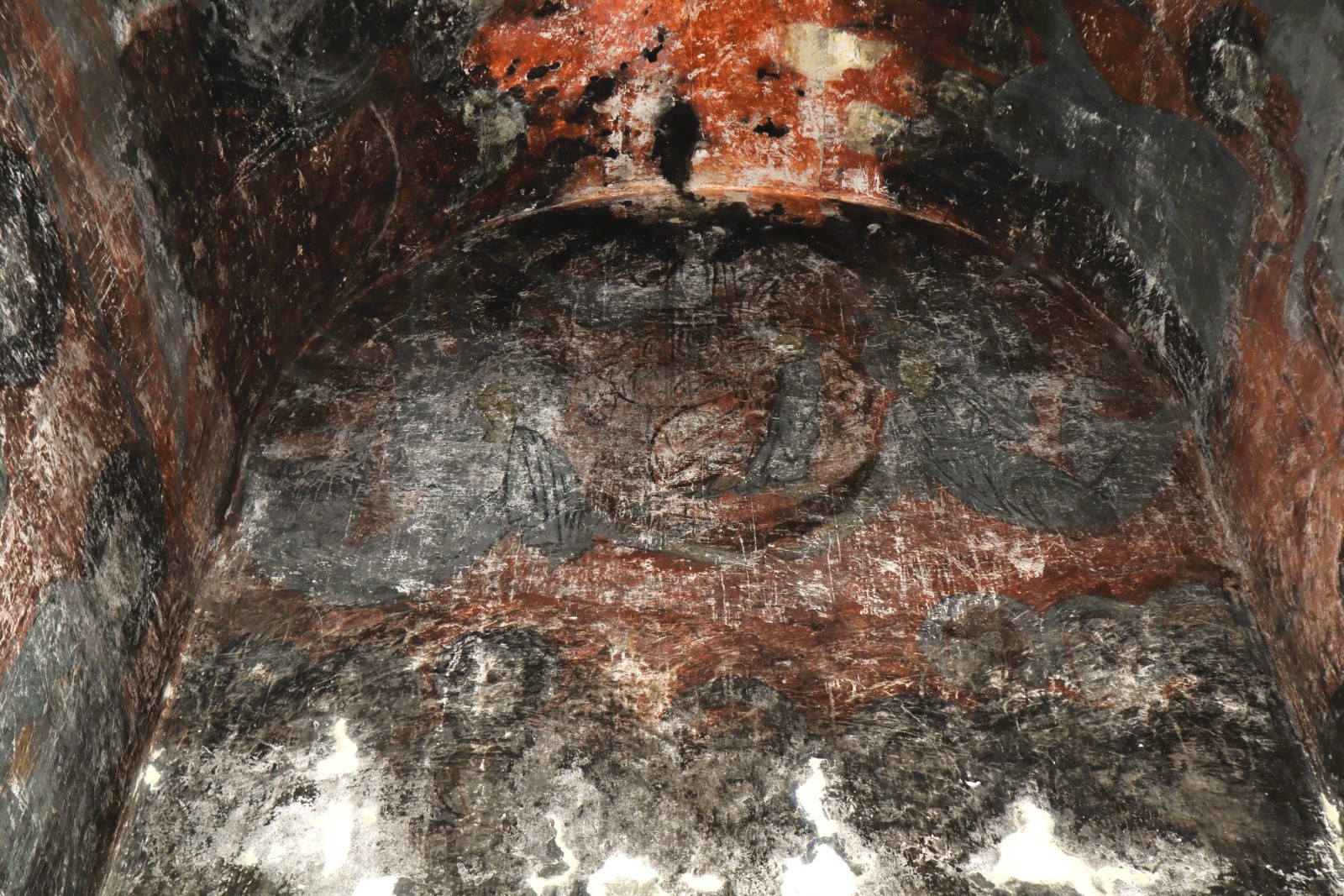
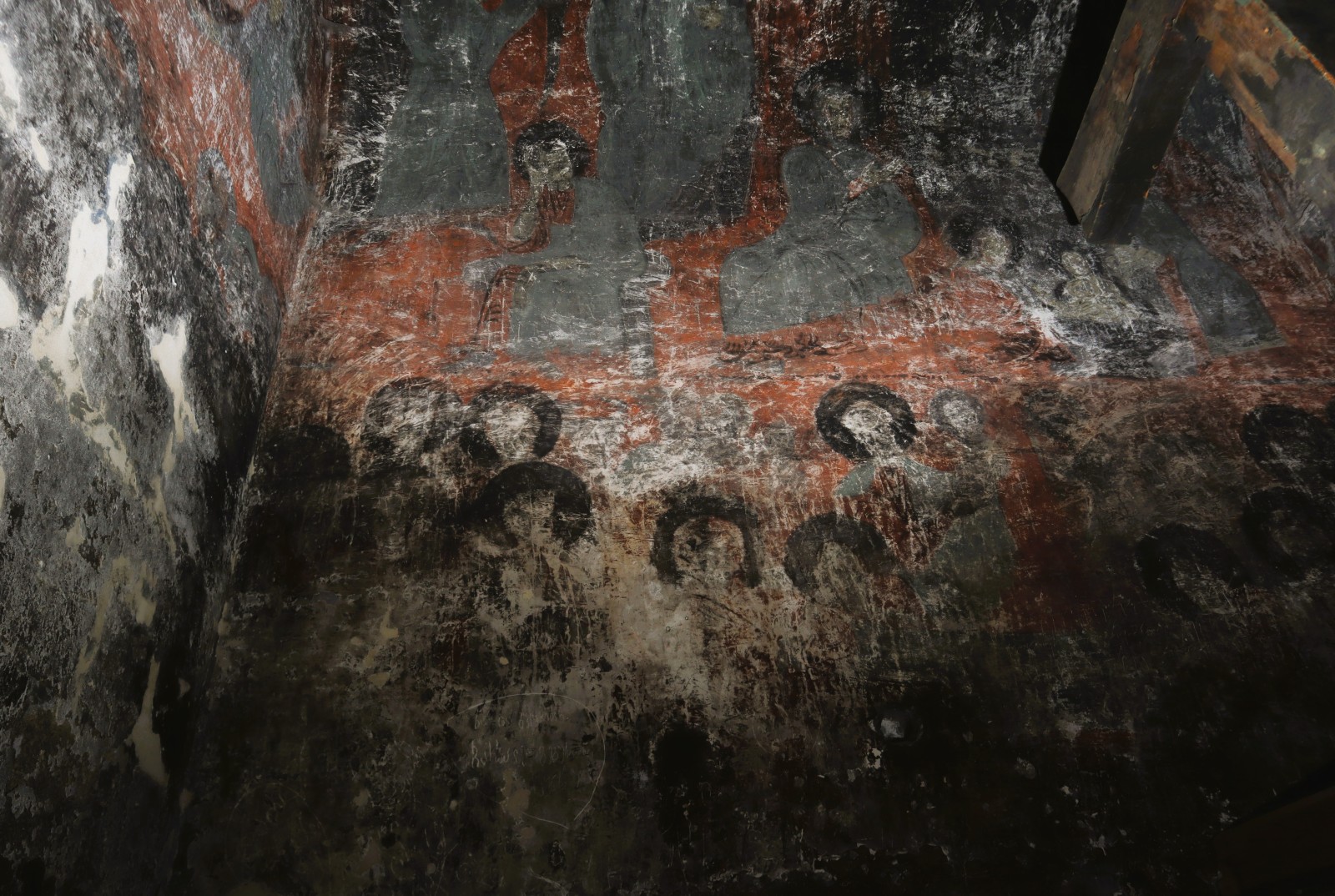
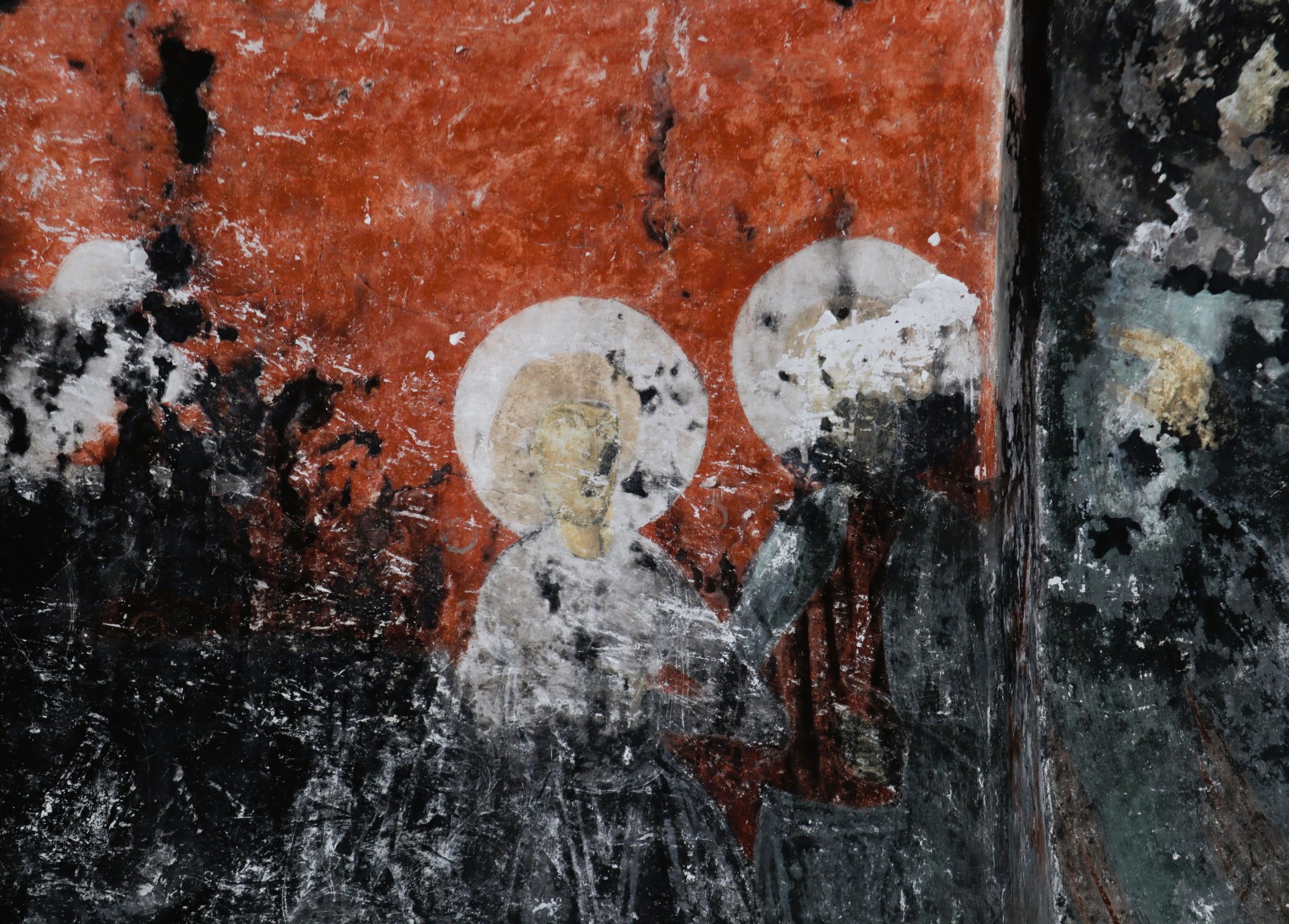
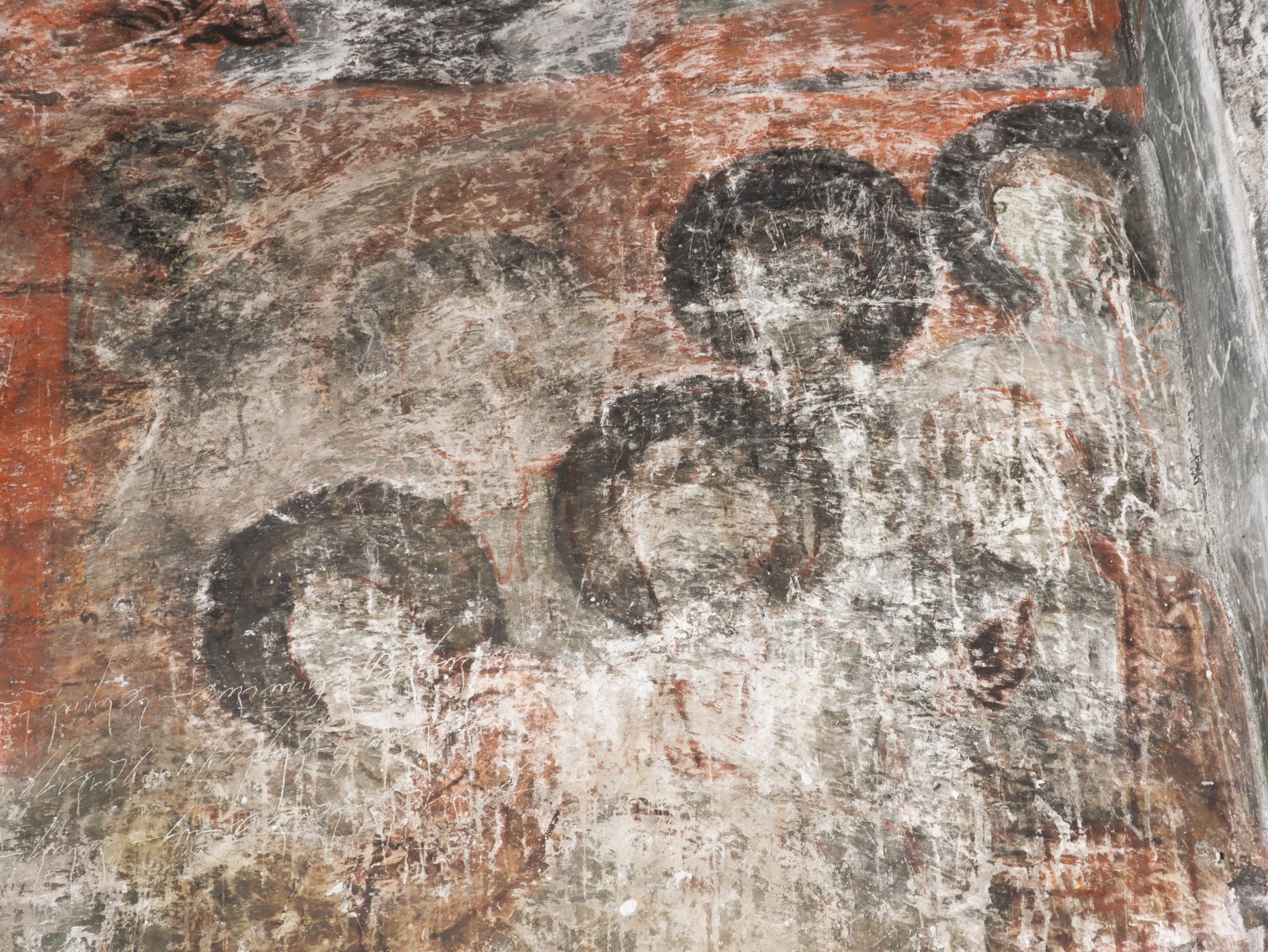
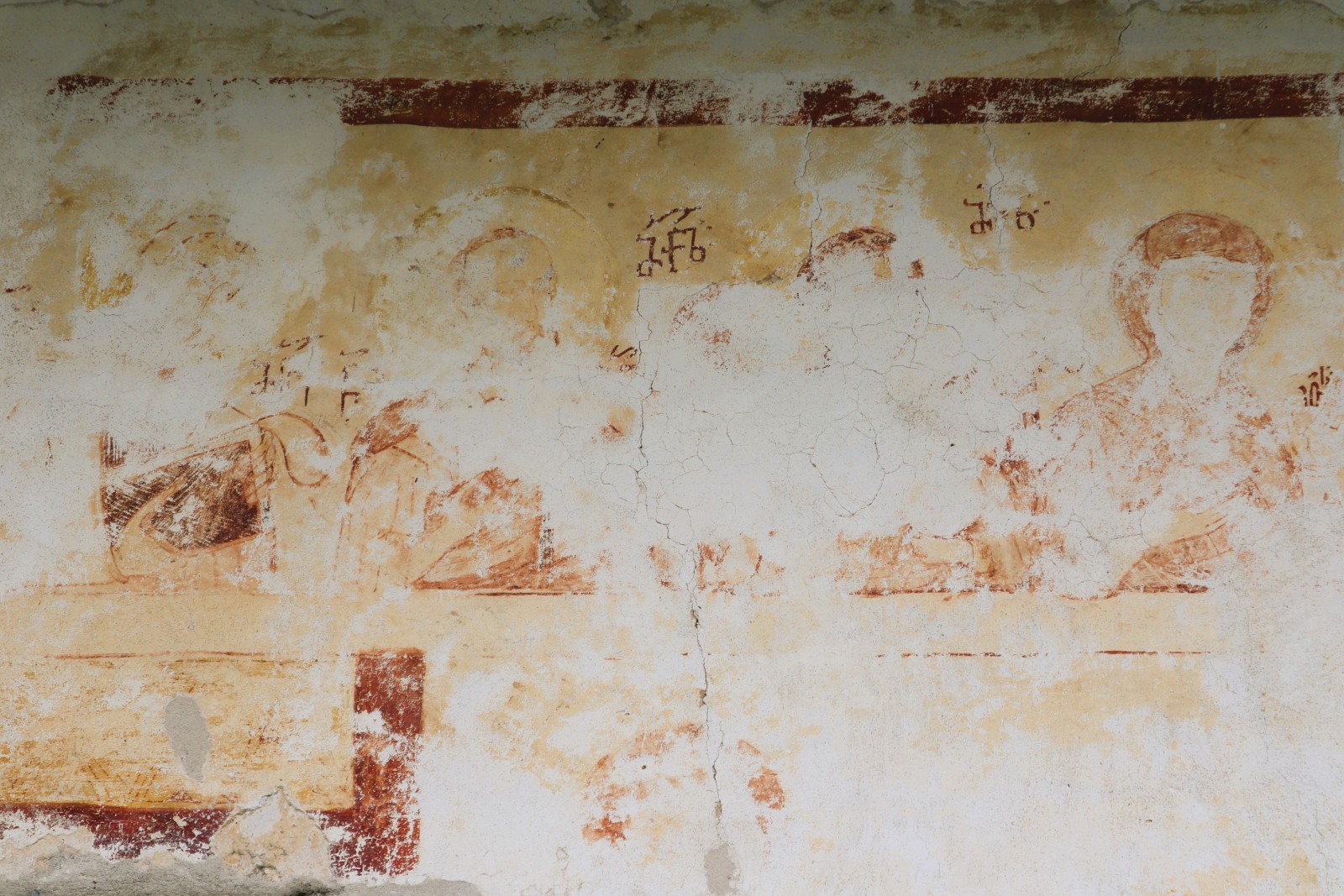
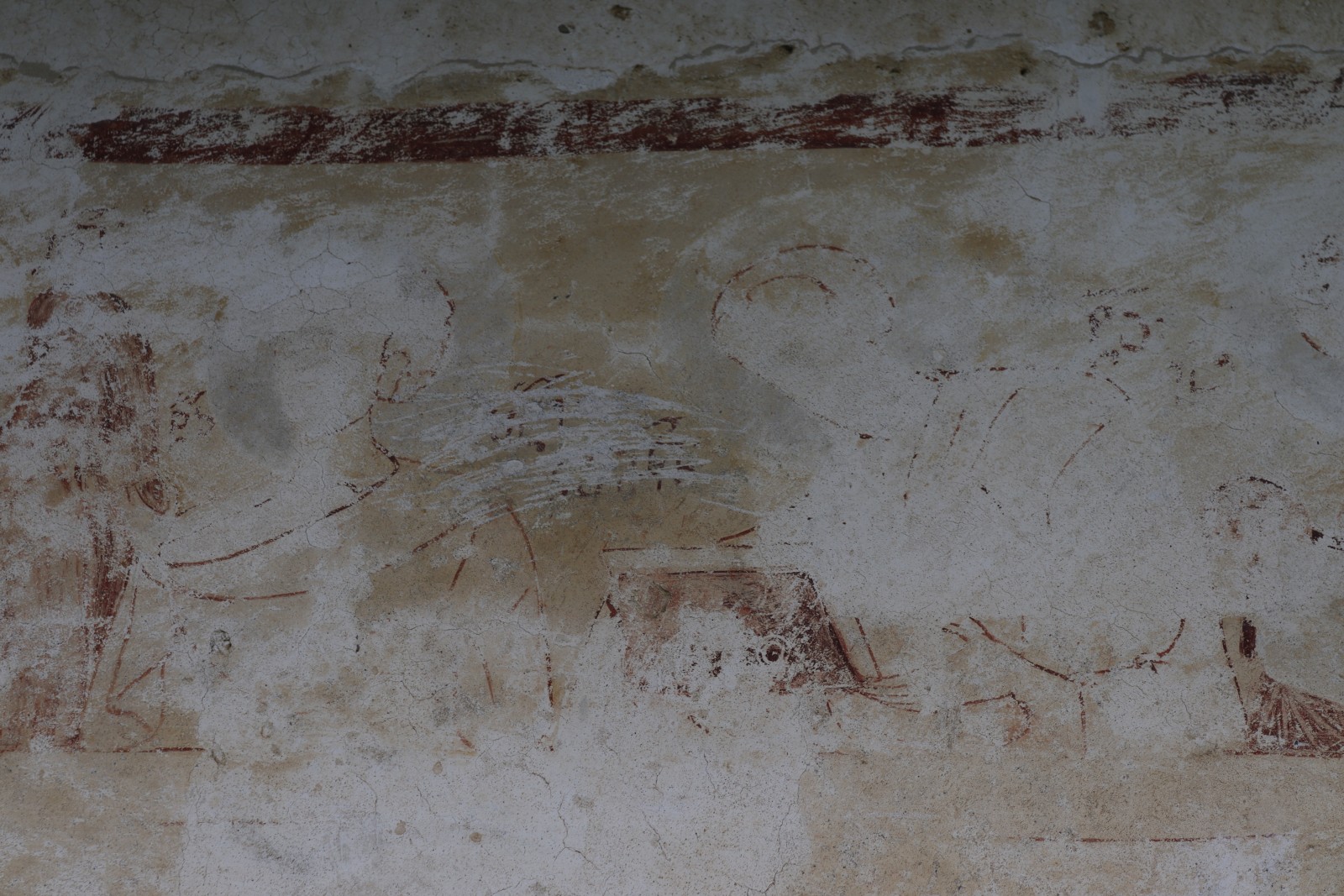
The entire interior and chancel-barrier of the church are decorated with 10th-century murals, while the south facade retains heavily damaged and fragmented paintings from the 12th-13th centuries.
The murals of Ipkhi represent one of the most important examples of early Svaneti wall painting, clearly displaying characteristics peculiarities of the early Svaneti mural decorations. Some key features include:
Embellishing entire interior of the church with murals (in contrast to other regions of Georgia during the same period, where paintings were typically limited to the chancel or dome, and one wall of the interior).
The overall iconographic program consists of a very limited number of Great Feasts cycle scenes, specifically chosen to highlight a general Theophanic idea, with a particular emphasis on the Incarnation dogma. In this respect, early Svaneti mural paintings are in full concert with the overall spiritual ethos of the epoch reflected in other contemporary mural decorations throughout Georgia.
Besides, noteworthy is peculiar arrangement of Deesis in the chancel (which, apart from the intercession idea emphasizes the glorification of Christ), as well as depiction of Holy Bishops in naos, following the general rule of the contemporaneous Byzantine world.
Another notable feature is depiction of the heraldic composition of Warrior Saints on the vault, which is considered a distinctive trait of early Svaneti wall paintings.
Among the Great Feasts cycle scenes, the Nativity is remarkable for its peculiar iconographic version, which has parallels in the Cappadocian wall paintings of the same period, while the Dormition scene is one of the earliest examples of its depiction in Georgian mural painting.
The general arrangement of the ensemble, mode of execution of faces and clothing, the bright color gamut and the tendency towards decorativeness all show close affinity with the murals of the Atsi (Ipari community) Taringseli (St. Archangels) Church, suggesting that these two ensembles were created by the same group of artists.
| Location | The church is located in 15 minutes walking distance from the Latali central road |
| Accessibility | In case you are driving by car from the central road, two-axle vehicle is preferred |
| Key holder | The church is open |