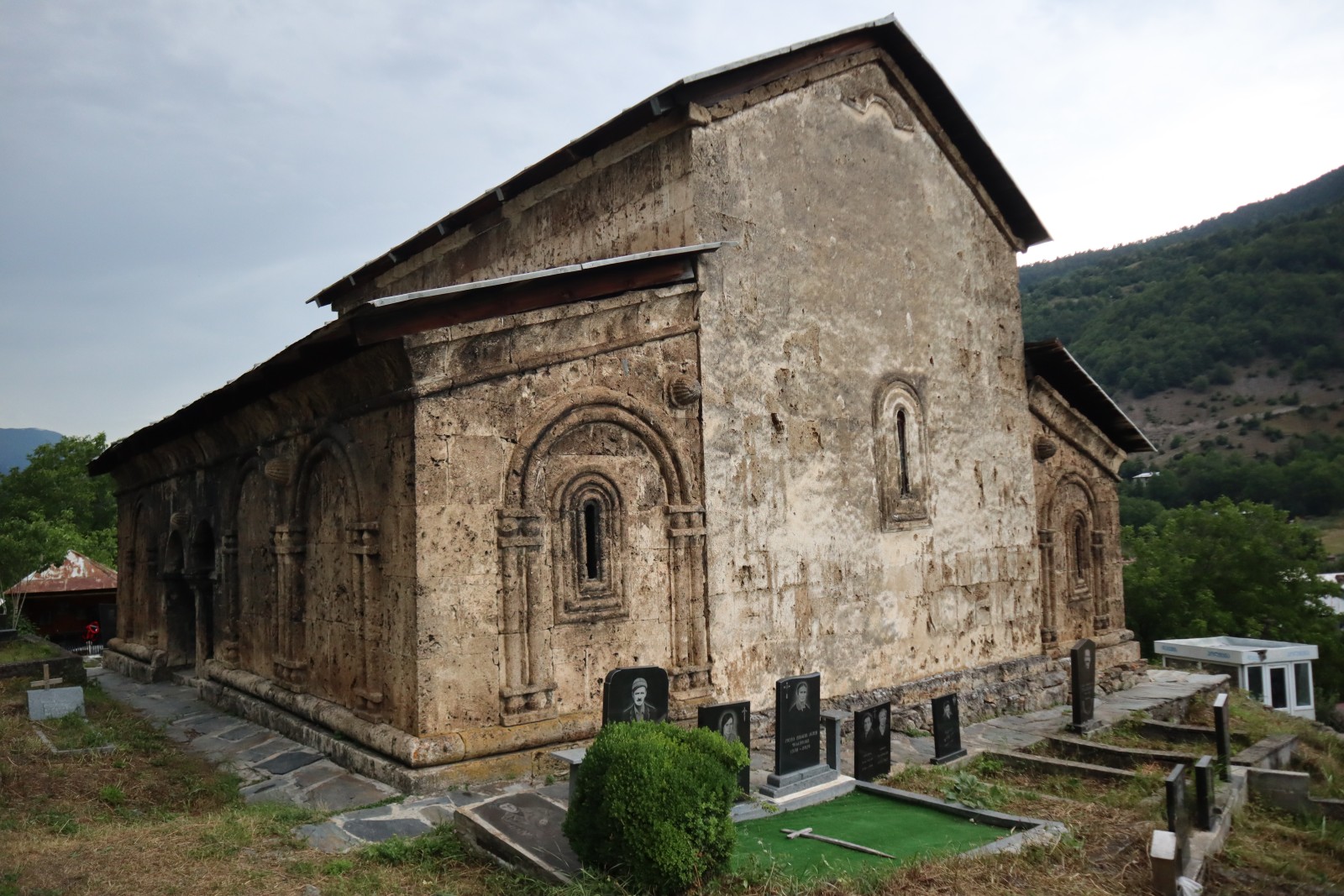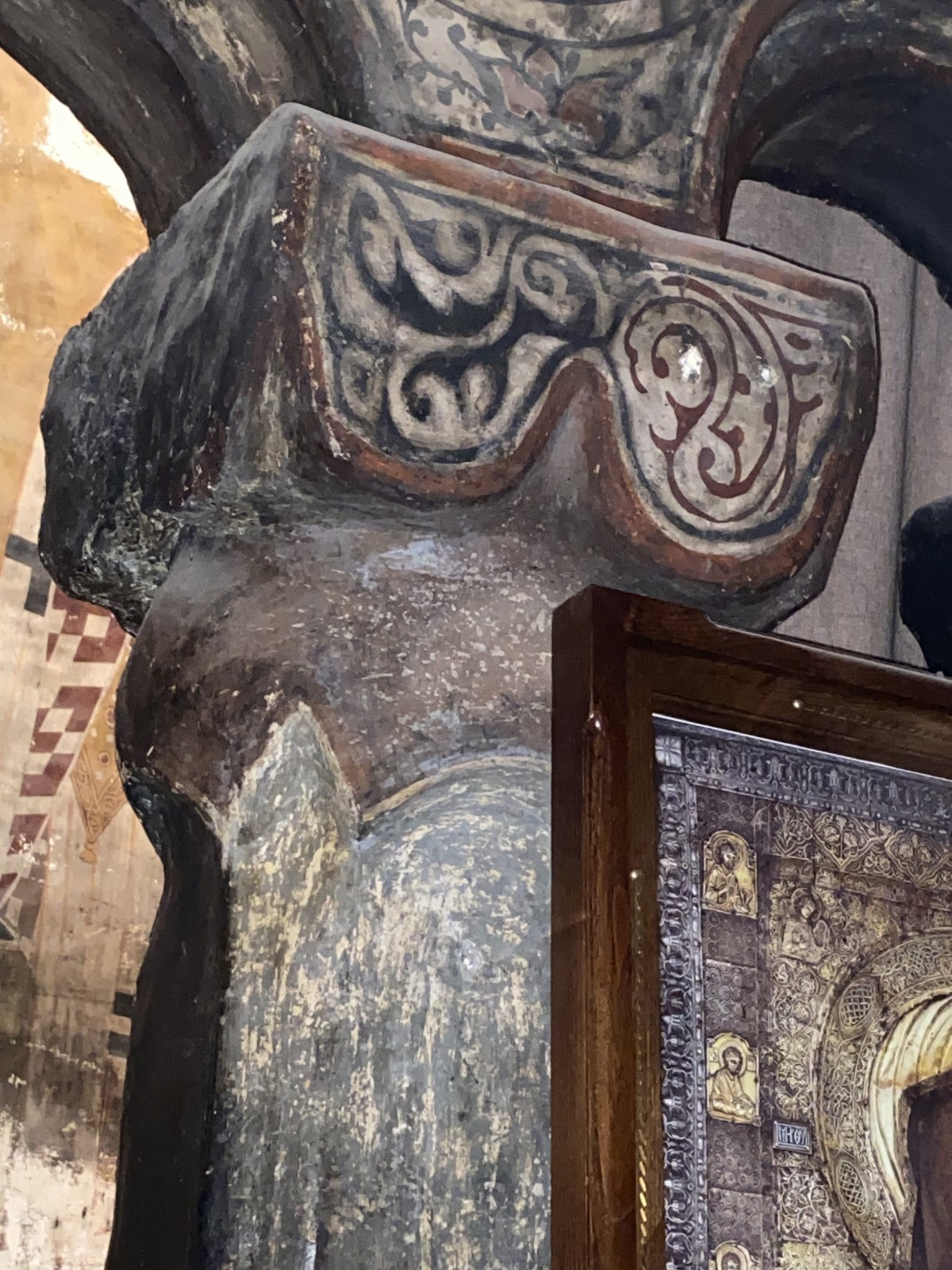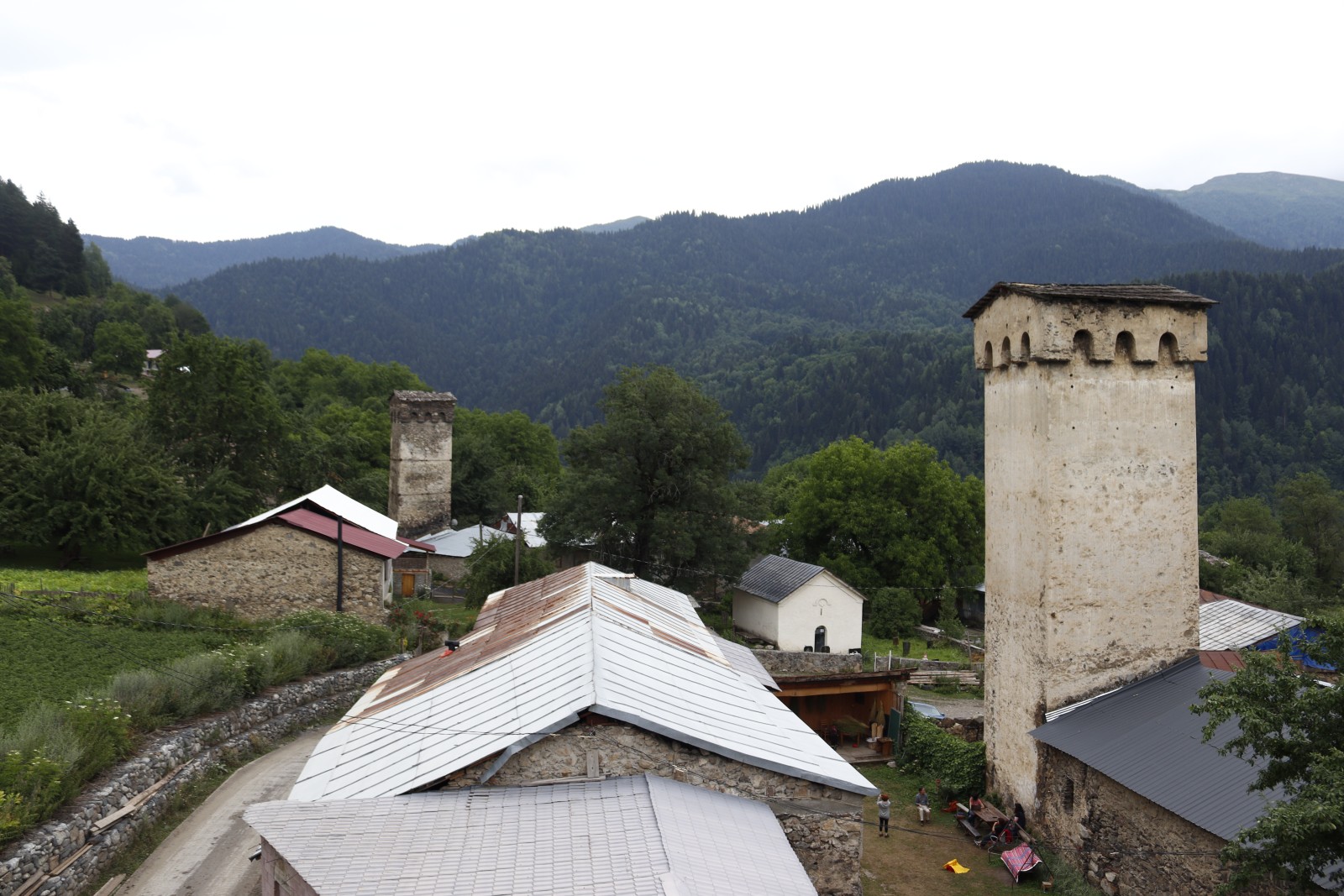
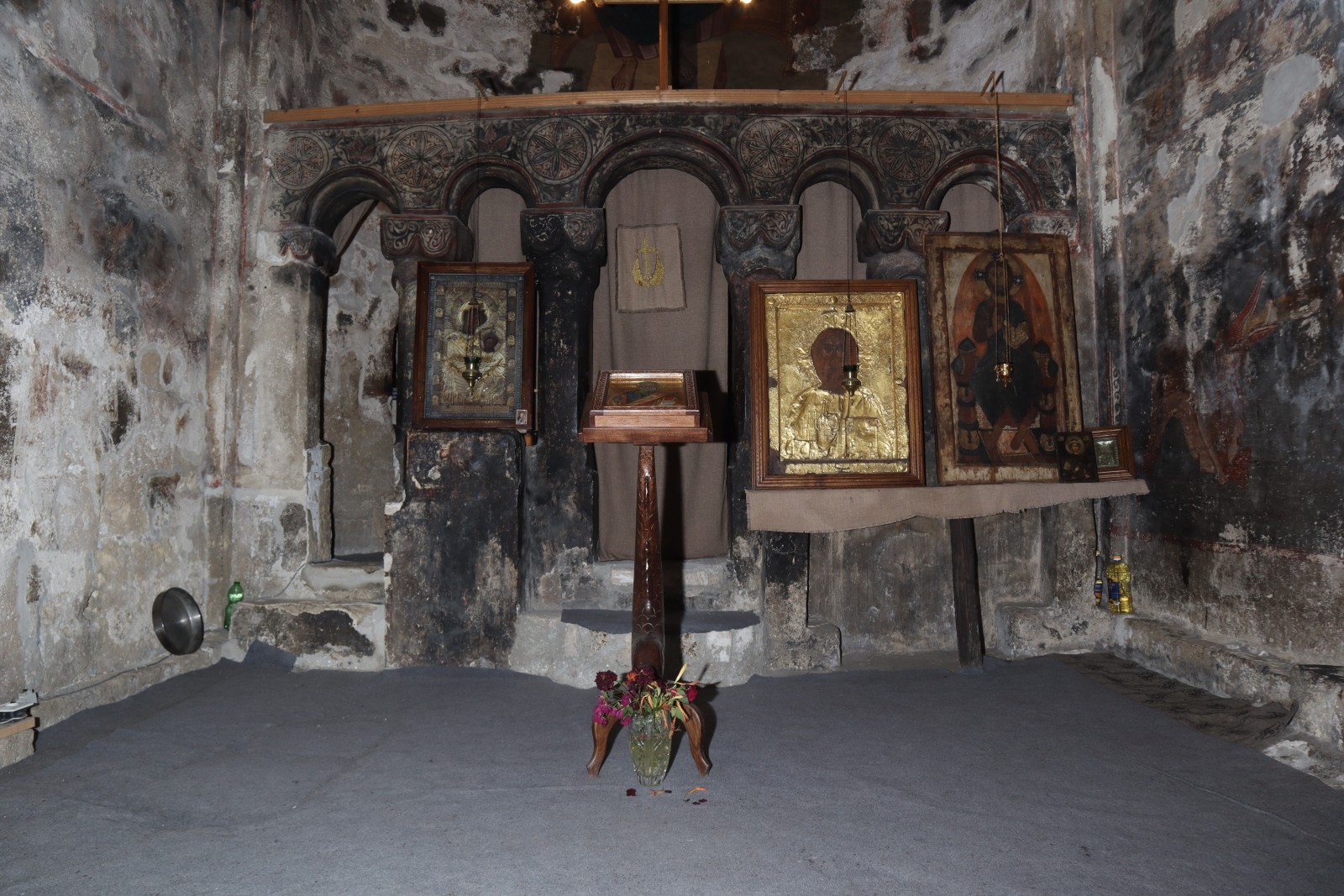
This large single nave church with a three-sided ambulance is located in the village of Yenashi, in the Latal community. The church has two distinct construction phases — the 10th century (the church itself) and the 13th century (the ambulance and the characteristic design of the facades).
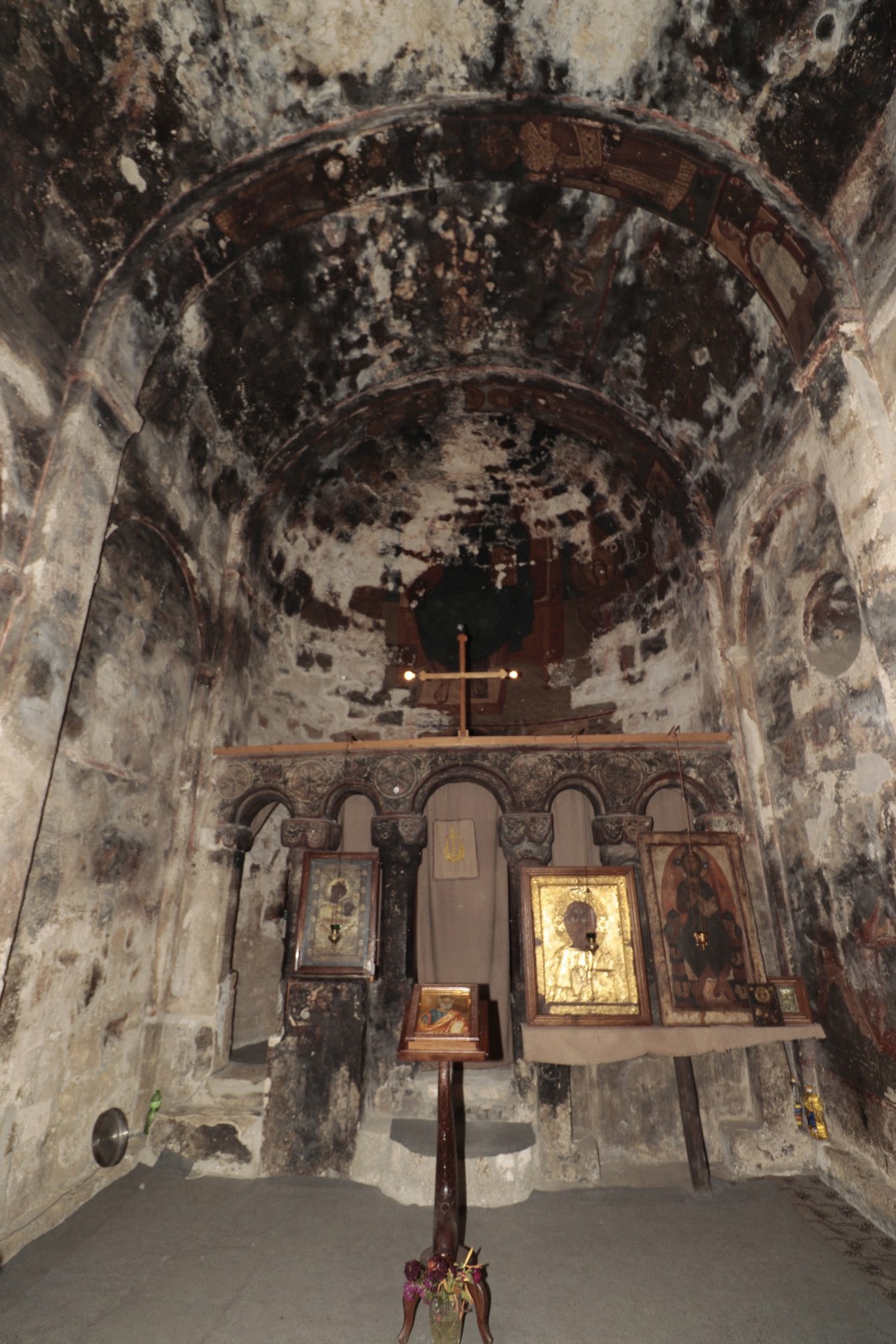
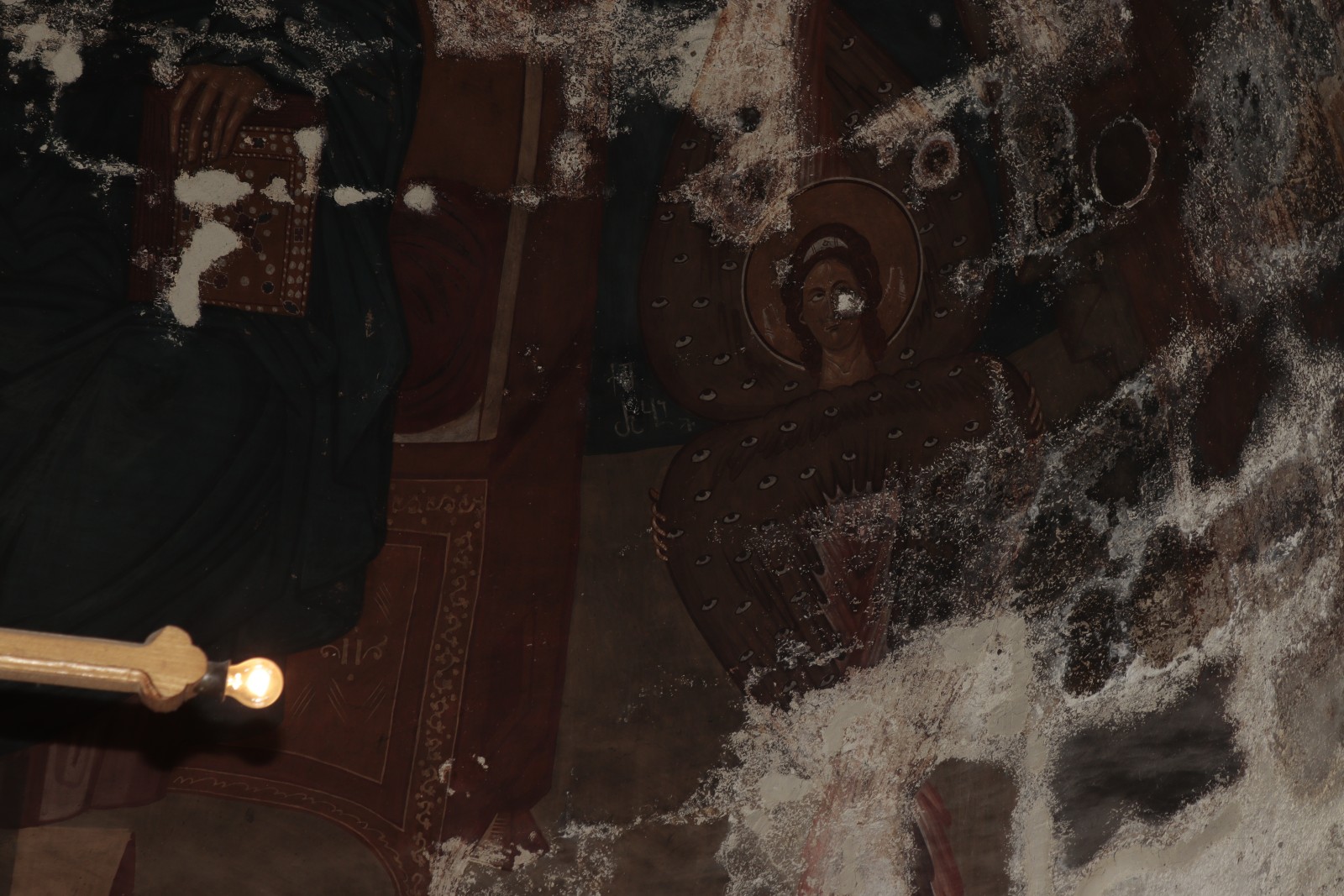
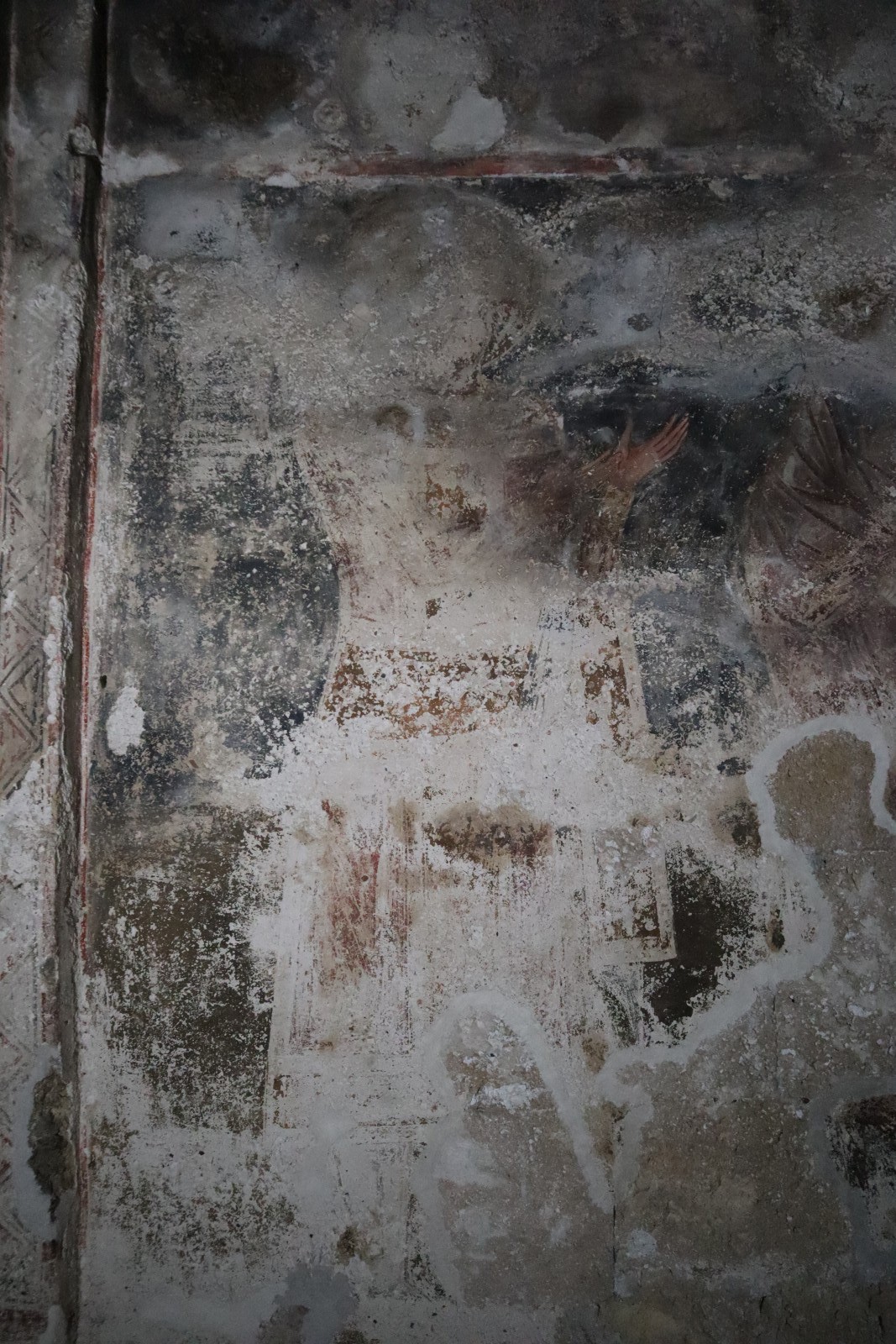
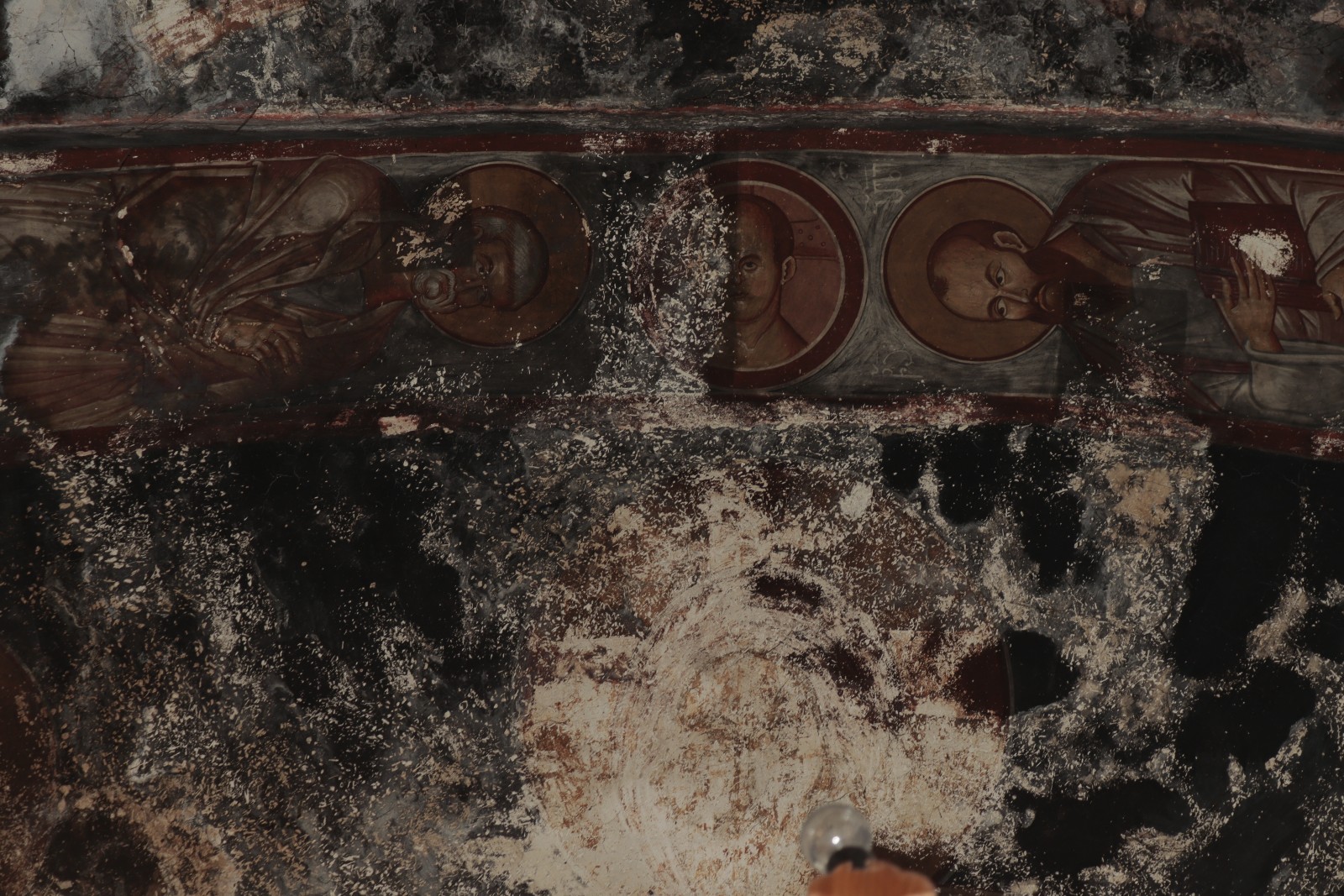
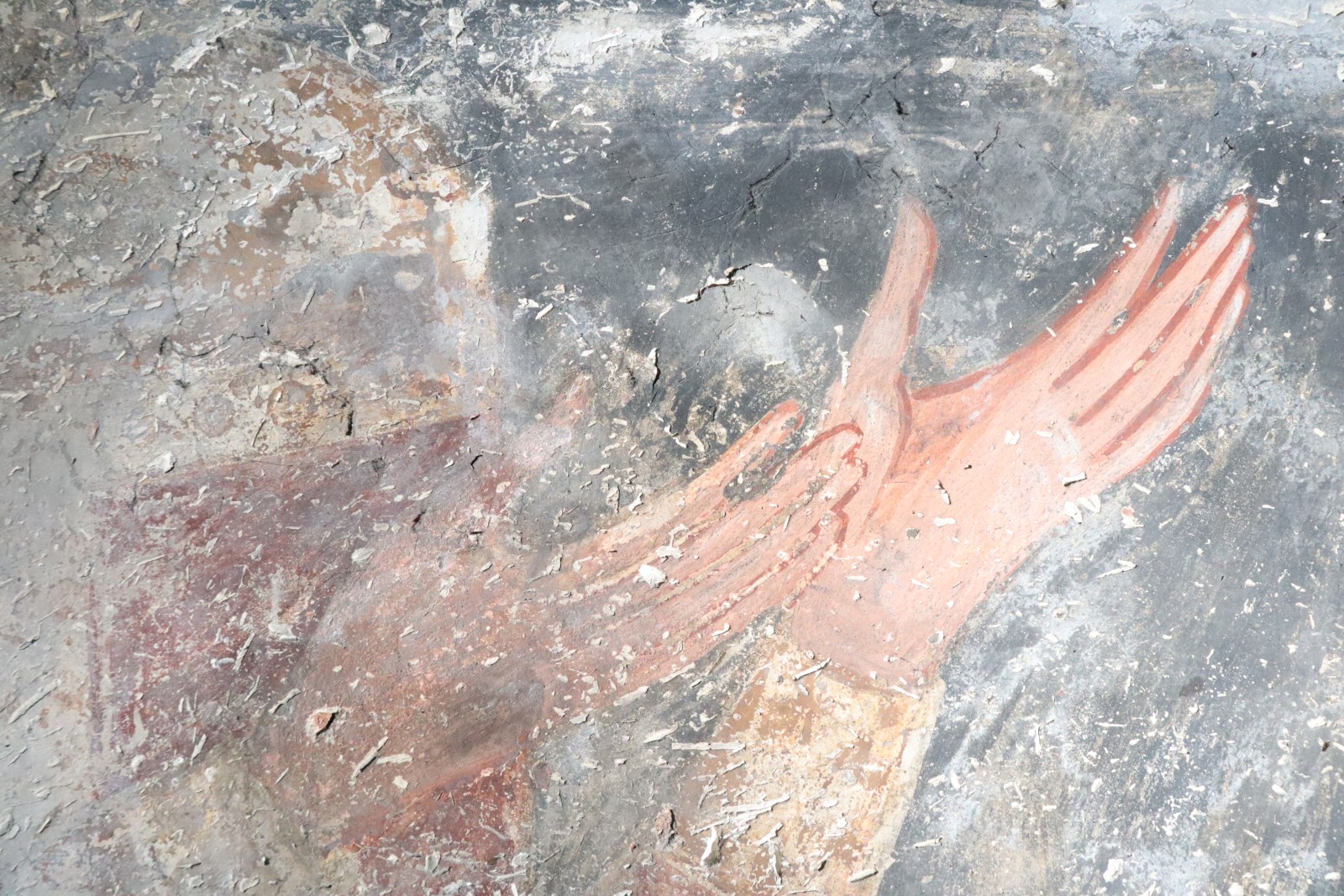
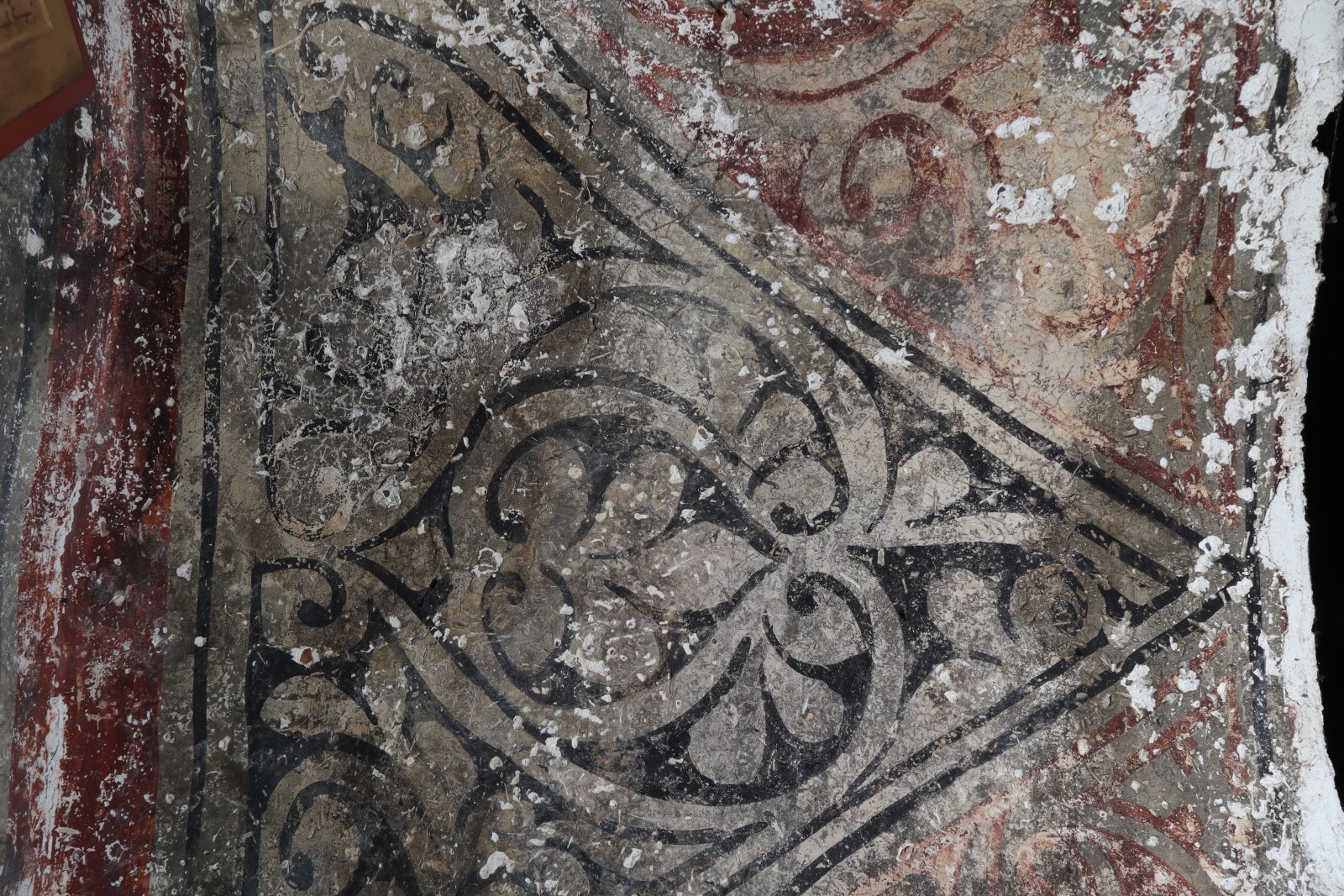
The church in Yenashi is fully painted, though the murals decoration has suffered considerable damage and fragmentation over time, with strong traces of later repainting. The murals, which adorn not only the interior but also the chancel-barrier, are dated to the turn of the 13th century to the 14th century, marking them as one of the earliest examples of Paleologan wall painting preserved in Svaneti.
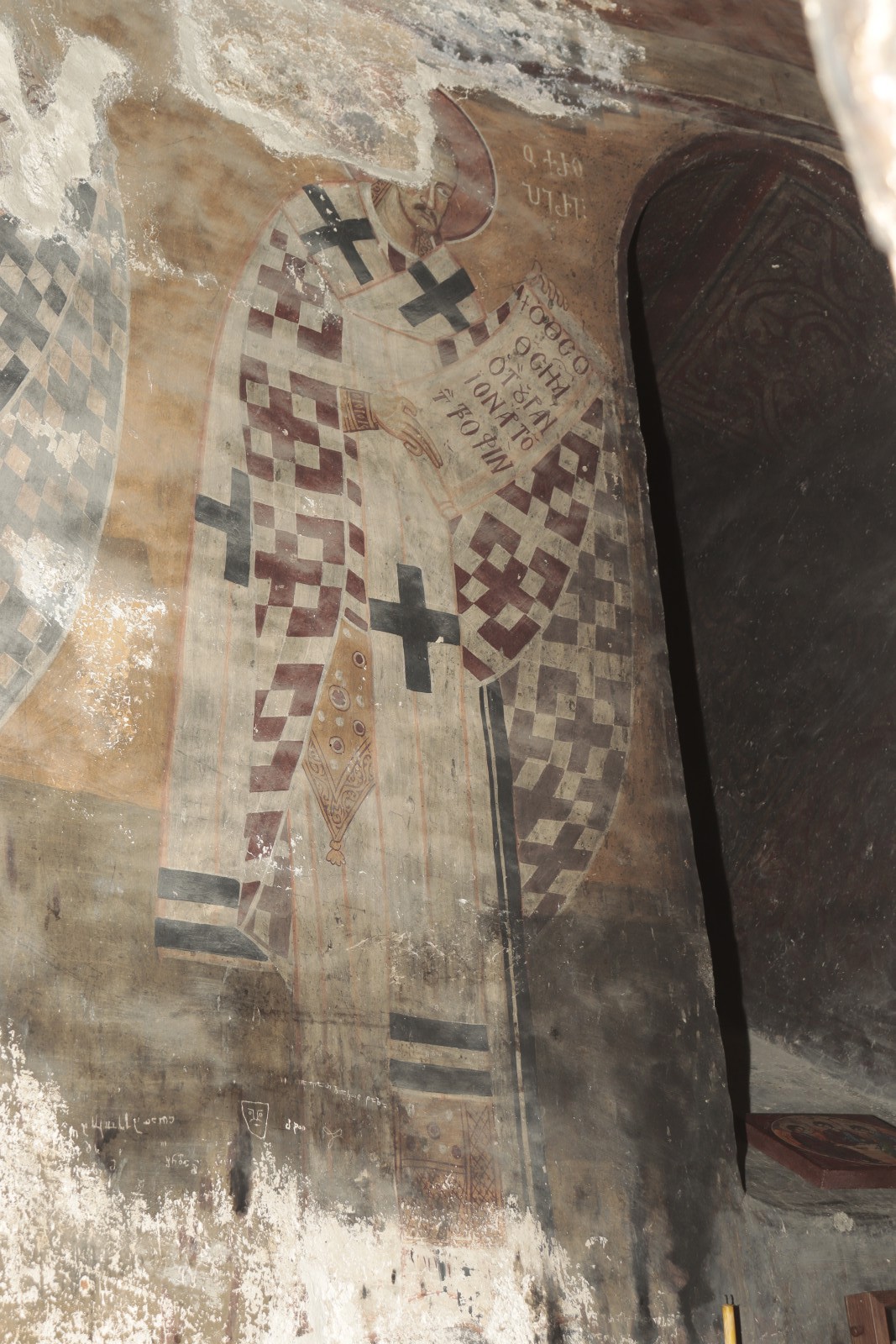
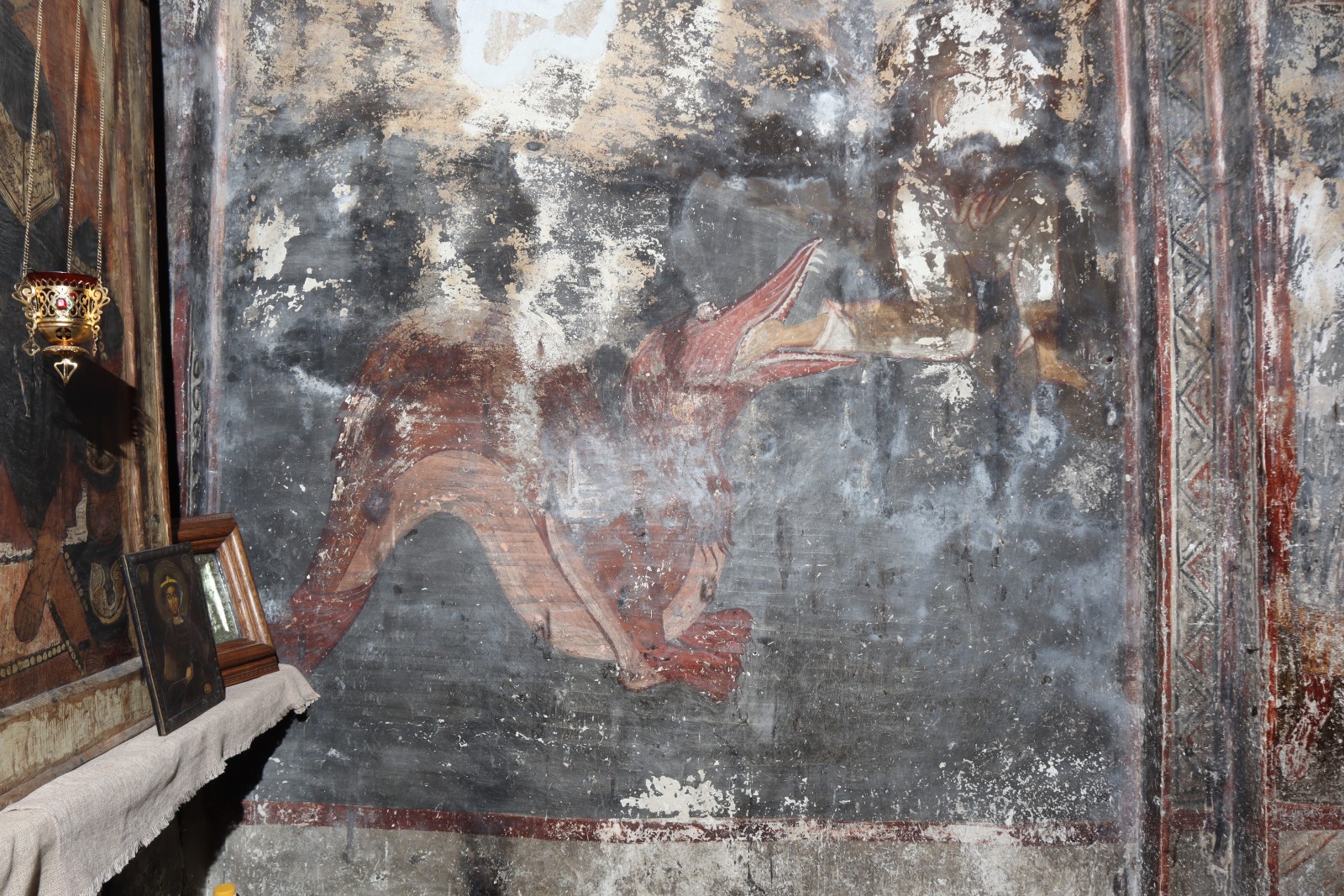
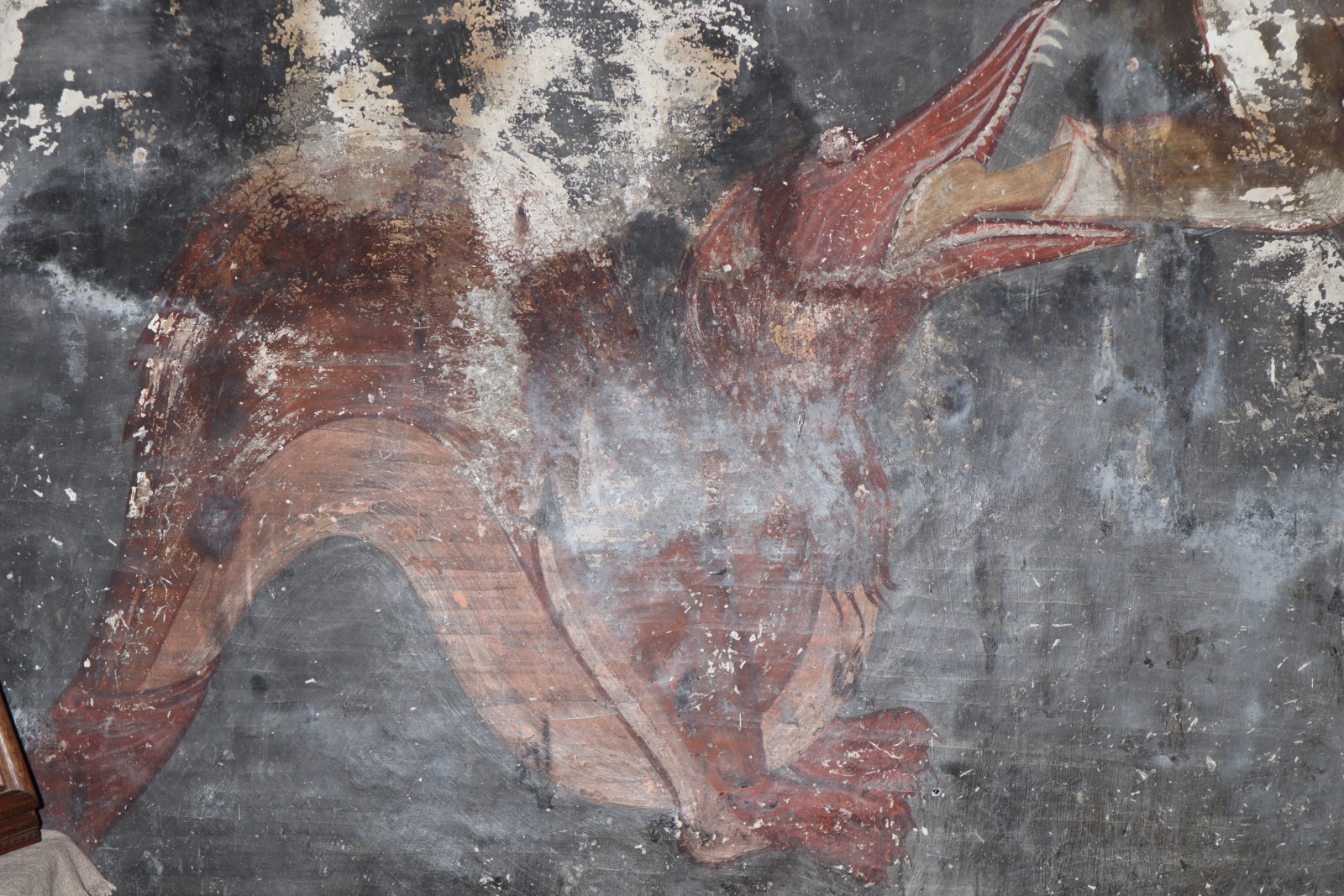
The overall iconographic program of the murals (including Deesis, the figures of the Holy Bishops and Deacon in the sanctuary, the Great Feasts cycle, the miraculous deliverance of Jonah, and various individual saints in the naos) includes several notable innovations that appear for the first time in Svaneti wall painting, namely:
In the chancel, depiction of the Holy Bishops in 3/4 view, holding open scrolls inscribed with liturgical texts.
The design of the vault, with two specially accentuated compositions at its center (Ascension, Christ Ancient of Days).
Both of these features are repeated in other mural ensembles of the same group. Furthermore, it is important to note that the iconographic program is founded on a general eschatological idea, similar to that seen in other murals of this group, reflecting the spiritual trends characteristic of this era. This connects the wall painting of Yenashi to similar wall painting programs in other regions of Georgia, such as in Achia, Ubisi, and the Vamek Dadiani burial chapel in Khobi.
The murals of Yenashi are particularly significant because they feature a portrait of King Constantine I of Western Georgia (reigning from 1293-1327). In 1305, Constantine I commissioned the restoration and repainting of the Jerusalem Holy Cross Monastery, which had been returned to the Georgians. His contribution was acknowledged by the agape/commemoration (in his lifetime) on the feast day of Constantine the Great. Royal charter of Constantine I to Goshkoteliani is also preserved. This portrait of the king is now heavily damaged. The king’s attire is unusual, being a robe with maniak and loros, but short and fitted at the waist (this attire is also seen in his portrait in the frescoes of the Ruispiri (historical Artosani) St. Shio Church). In addition to the king’s portrait, there is a second donor portrait of a local nobleman, Beshken, with his young son, but the family name of Beshken is not preserved.
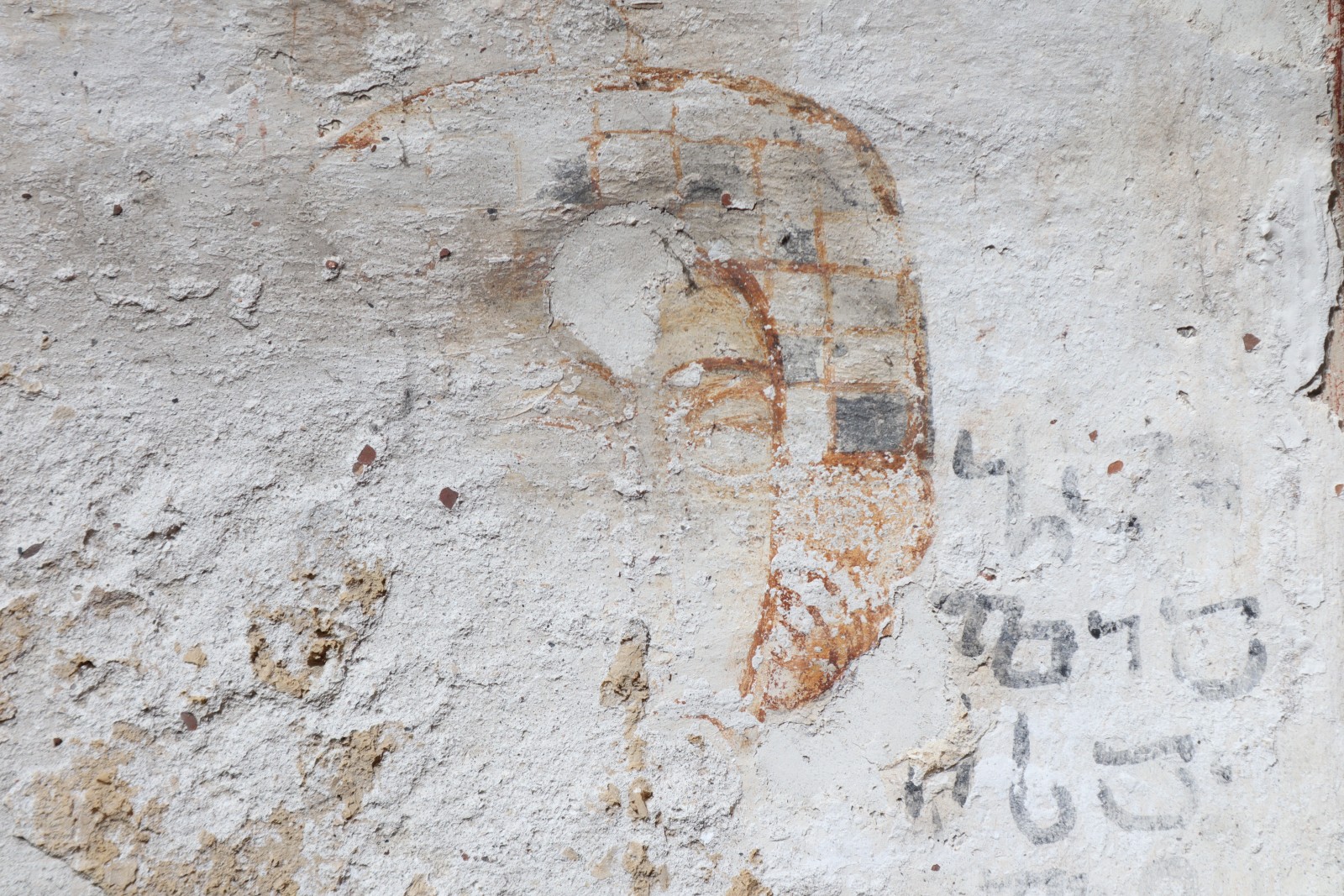
On the lower register of the north wall, there are minor remnants of earlier painting (a small fragment of a figure's face and an inscription "Barliani," which suggests the existence of another donor portrait, though the date of its creation remains uncertain).
| Location | In Latali, near the central road |
| Key holder | The key is kept at the Yenashi Monastery with the local priest – Father Egnate |